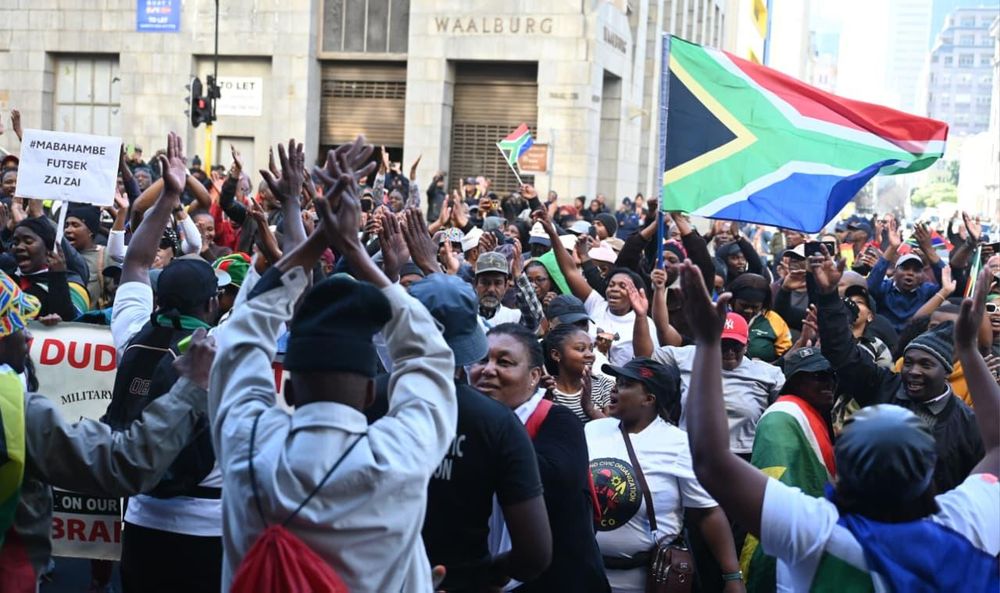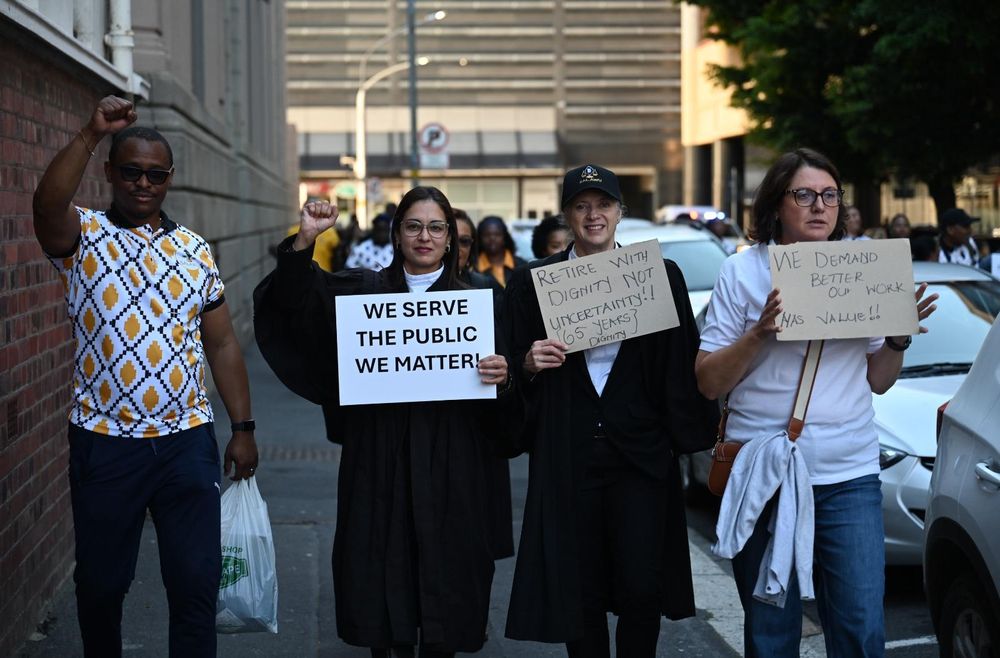
In a constitutional democracy, justice cannot depend on who shouts the loudest outside a factory gate. It must depend on the law. LACO has warned that rising unemployment and alleged labour abuses could fuel an explosion of xenophobia.
SOUTH Africa’s unemployment crisis has created fertile ground for organisations that promise direct and immediate action. One such organisation is the Labour and Civic Organisation, known as LACO, which has become increasingly prominent through campaigns urging businesses to prioritise South African citizens when making employment decisions.
LACO recently claimed that its campaigns have helped place approximately 4,500 South Africans in jobs and has vowed to continue protest action against businesses it believes are unfairly employing foreign nationals. The claim speaks to a real national frustration. But it also raises a difficult constitutional question: who has the authority to decide who may work, who must be dismissed, and how the law should be enforced?
South Africa is a constitutional democracy founded on the rule of law. Every person has the right to protest peacefully, assemble, picket and present petitions. Those rights are important and must be respected. But they do not give private organisations the power to compel businesses to dismiss employees or replace them with others. Peaceful protest is protected; intimidation, coercion and unlawful interference with business operations are not.