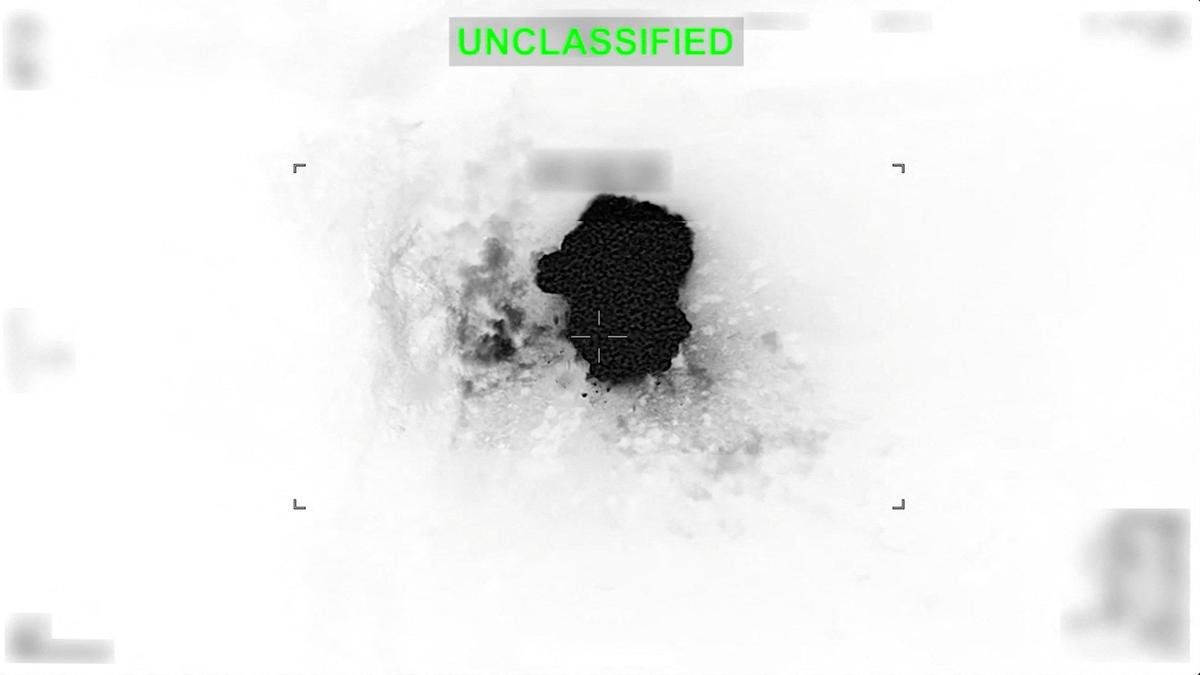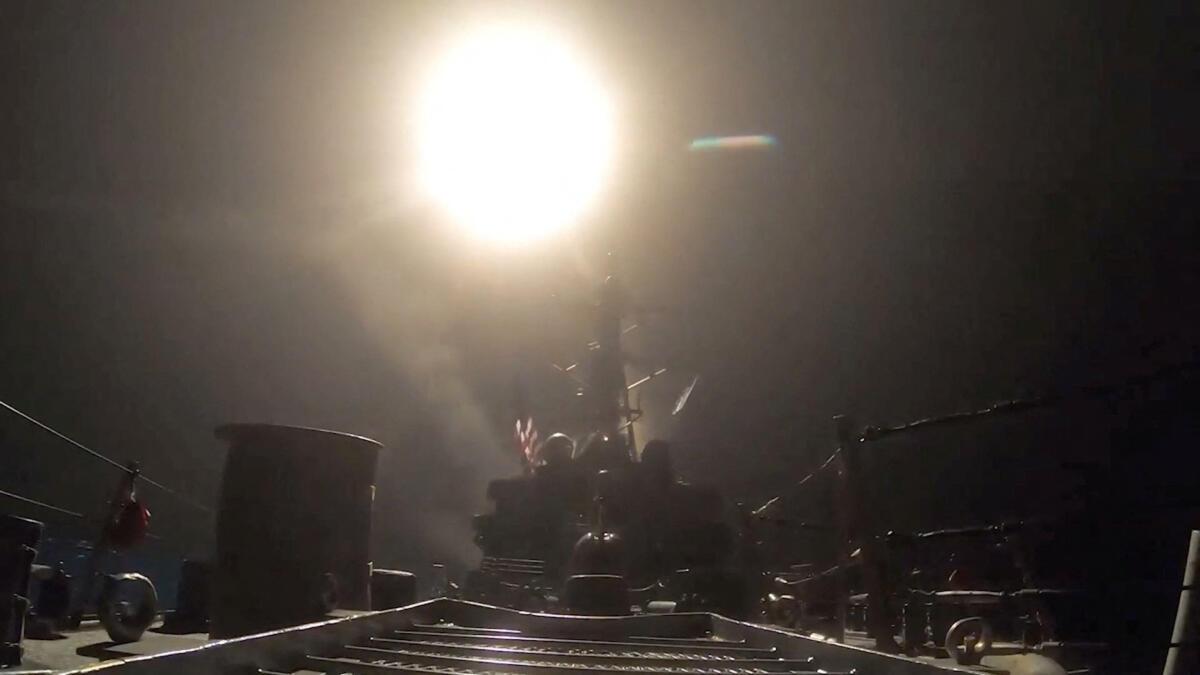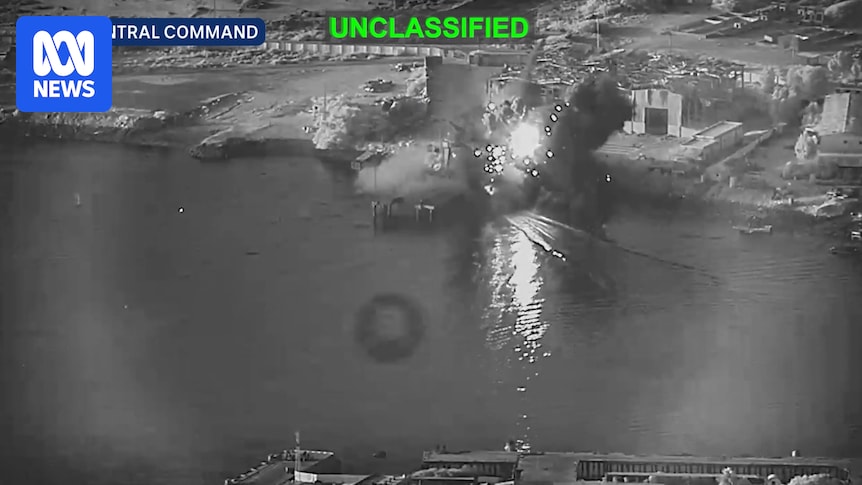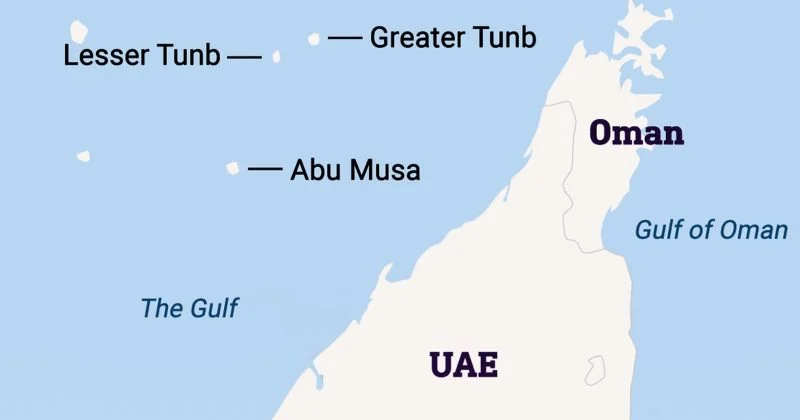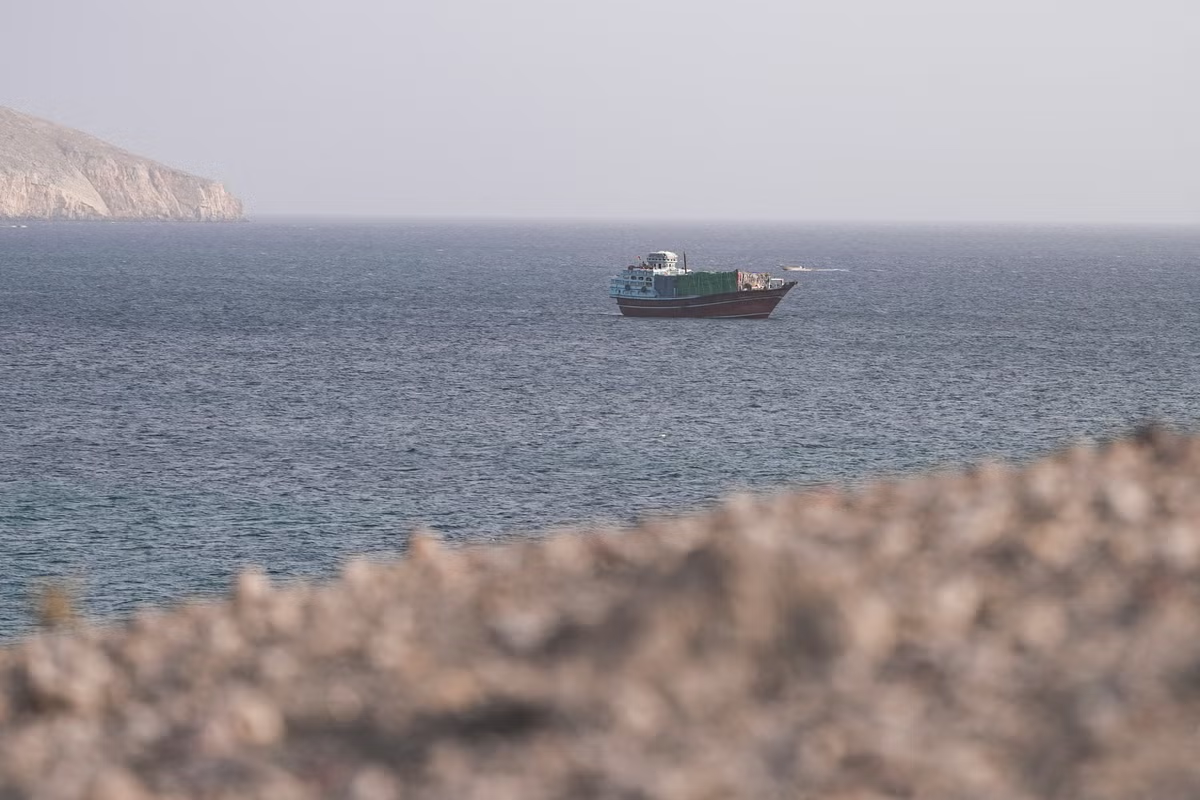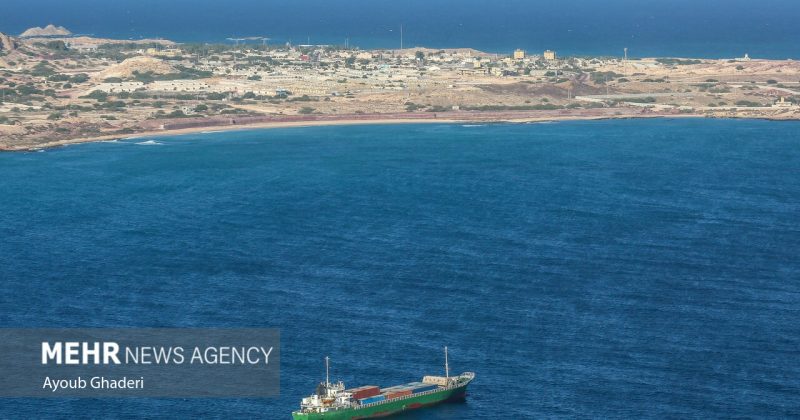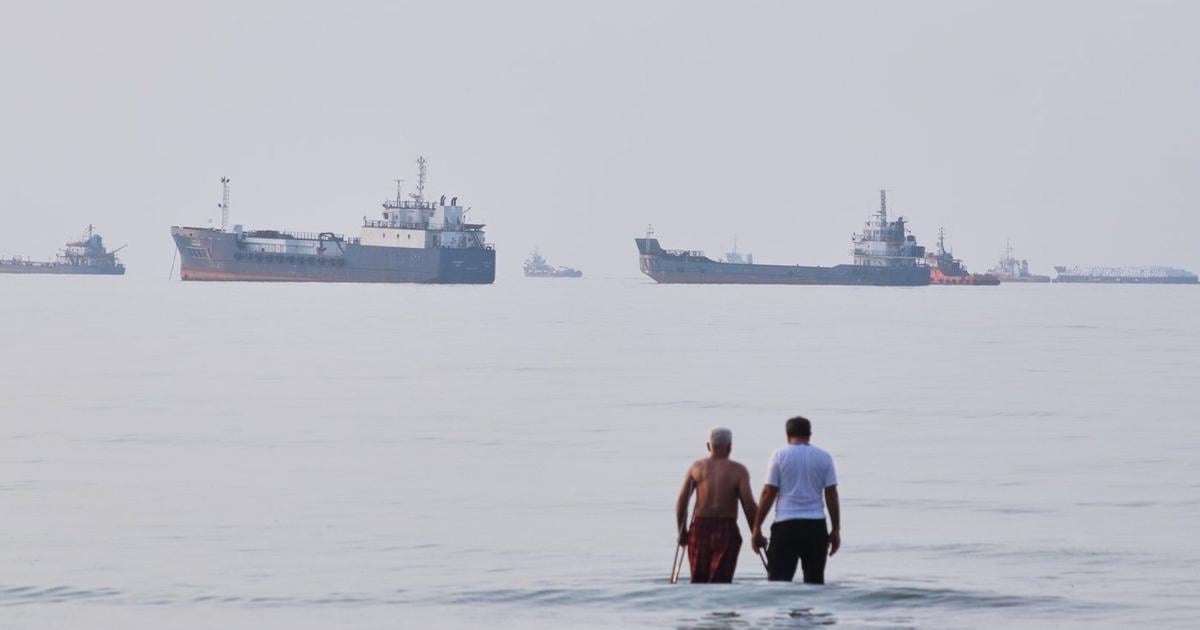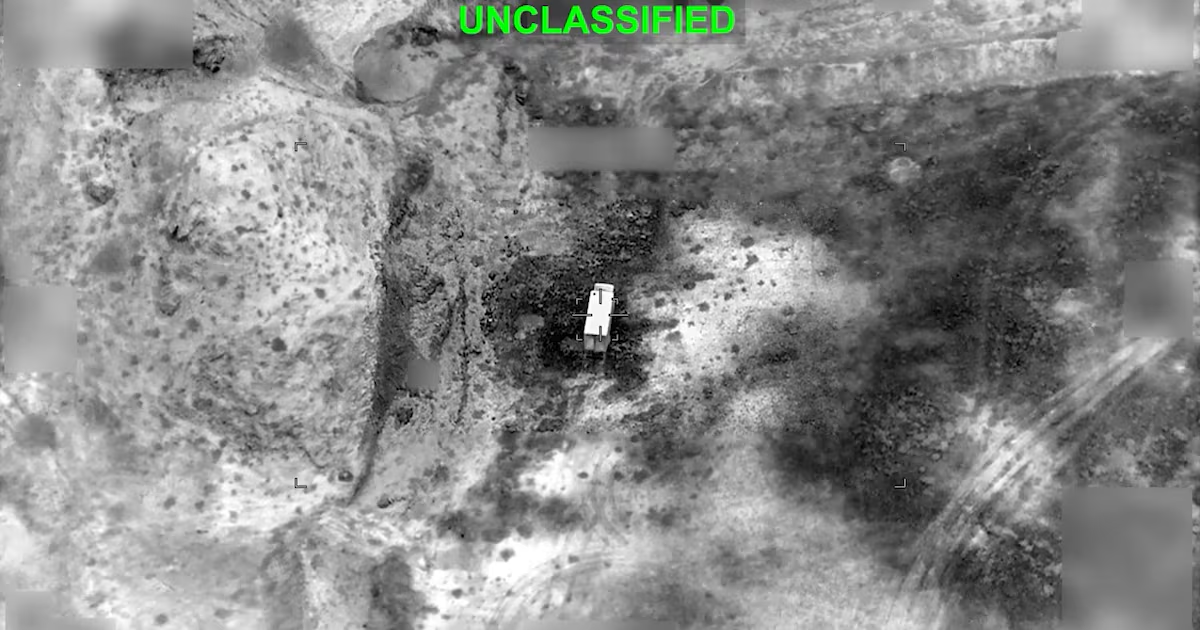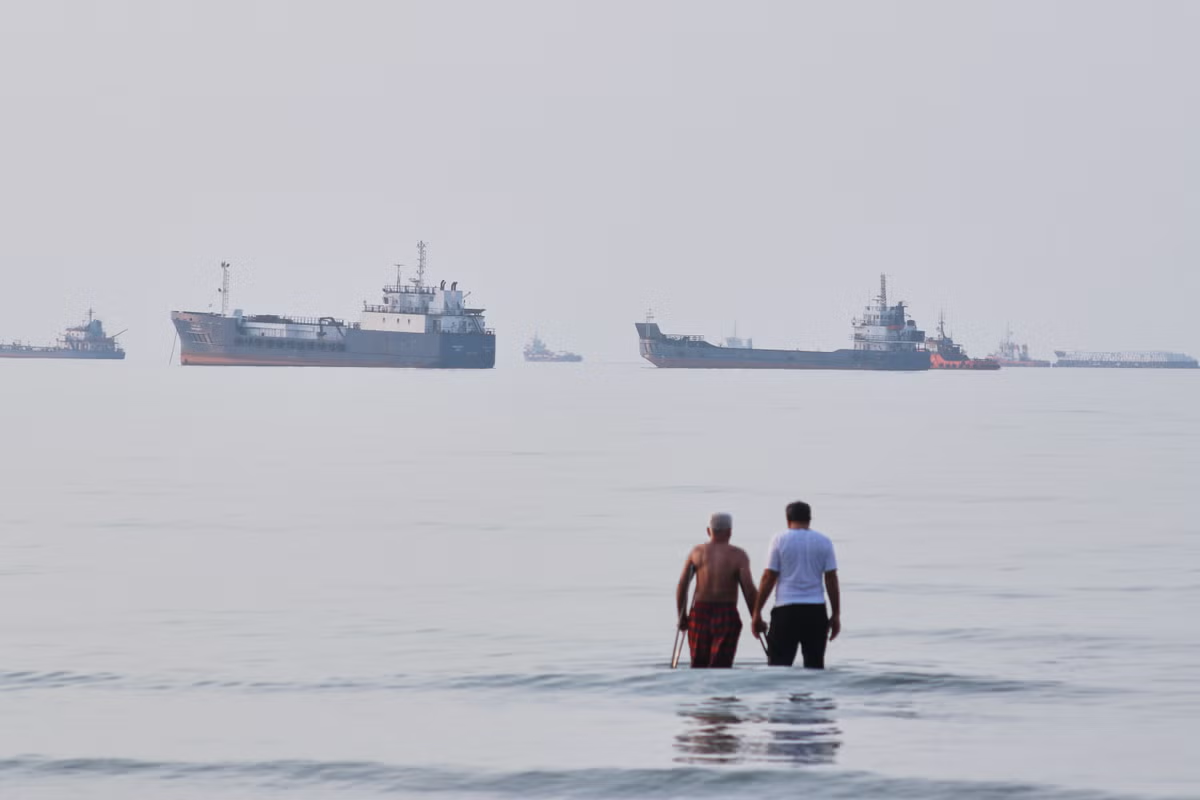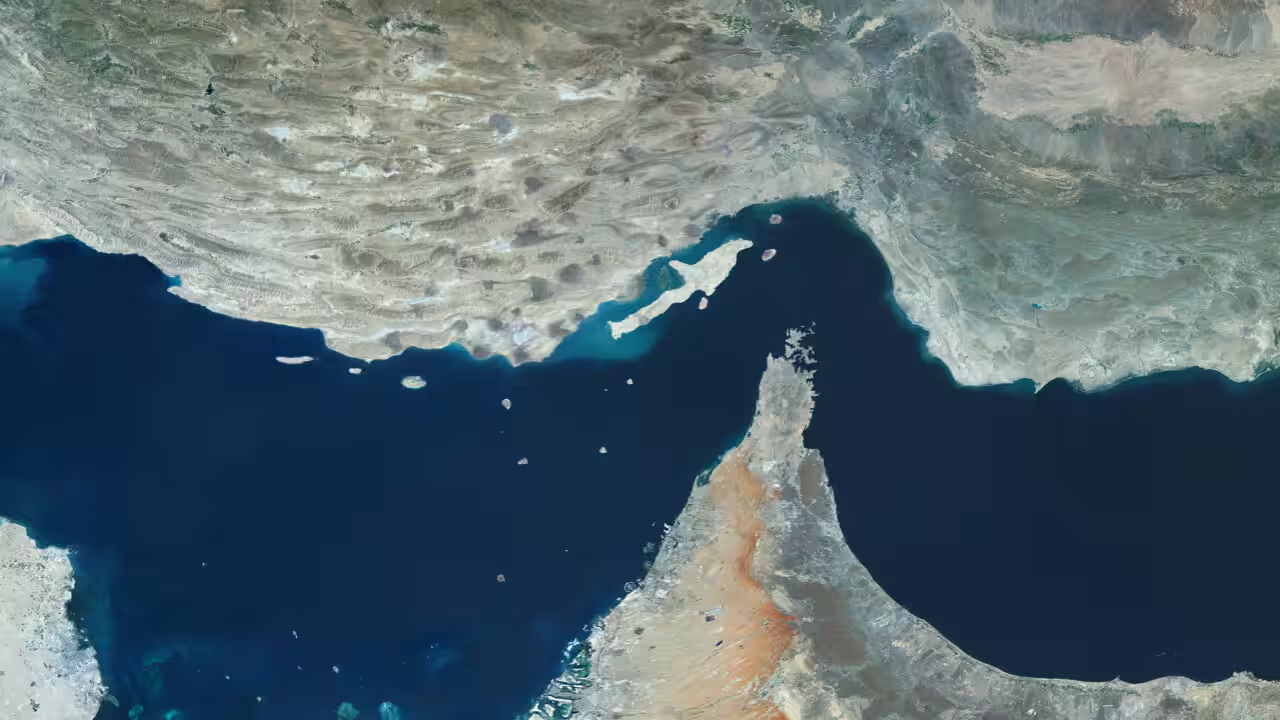
in briefThe US bombed Greater Tunb Island for 90 minutes, targeting coastal defences and cruise missile storage.The island helps Iran monitor shipping through the Strait of Hormuz, where about a fifth of the world’s oil passes.At the entrance to one of the world's most important shipping lanes, a tiny yet strategic Iranian island has become the latest target of the United States' strikes, hit by a 90-minute bombing campaign.The US military said the attack on Iran's Greater Tunb Island, which sits alongside shipping lanes through the Strait of Hormuz, targeted "coastal defence systems and cruise missile storage".The war in the Middle East has escalated into a new phase since last week, with the fragile ceasefire and memorandum of understanding (MoU) between the countries breaking down after commercial targets trying to pass the strait were attacked.As part of the MoU, Iran agreed to provide a "safe passage" for the ships trying to pass the Strait of Hormuz, through which about a fifth of the world's oil flows.But now, with some vessels being targeted in the strait, the US says it has a new target to stop Iran's capabilities to target vessels in the region.News that makes senseYour trusted source for staying up-to-date with the world around you. Get free daily news updates and analysis, straight to your inbox."What we've seen from the US during this phase of the conflict is that they are keen to suppress Iran's ability to target ships in and around the Strait of Hormuz," Jennifer Parker, an adjunct professor at the University of Western Australia's Defence and Security Institute, told SBS News."Their attacks in the last week, especially in the last 24 hours in Greater Tunb Island, for example, seem very specifically focused on Iran's ability to target ships in and around the strait."A 'strategic' locationGreater Tunb Island is a tiny island with a surface area of about 10 square kilometres, three times the size of the Sydney CBD, located in the eastern Persian Gulf, near the entrance to the Strait of Hormuz.The island, seized by Iran from the United Arab Emirates in 1971, is a disputed territory, with the UAE claiming it belongs to them.In May, Mohammad Akbarzadeh, deputy political officer of the Islamic Revolutionary Guard Corps (IRGC) Navy, told Iranian state television that the area that it uses to control the Strait of Hormuz "extends" as far as Greater Tunb Island.Greater Tunb Island is located in the eastern Persian Gulf. Credit: SBS NewsAdel Abdel Ghafar, a Middle East expert and senior resident fellow at the Australian Strategic Policy Institute, said the island's location "alongside the inbound and outbound shipping lane" is "very strategic"."Any [military] personnel or anti-ship cruise missiles based there are very close and can disrupt shipping and have disrupted shipping because the island is so close to the lane," he told SBS News."The islands really extend Iran's field of view and engagement from the mainland to the choke point itself."[It] gives Iran a strategic advantage, and that's why the US is attacking it."'An unsinkable aircraft carrier'The island's location is not the only reason experts believe it is important for Iran's control of the strait.The US military said on Wednesday that the 90-minute wave of strikes on the island "further degraded Iran's ability to attack commercial shipping in the Strait of Hormuz".Neither the Iranian government nor the IRGC has publicly commented on the attack. For years, the media have reported that the IRGC and the Iranian army have a military presence on the island, but no details are publicly available.Parker said that, because of its size, the Greater Tunb "is one of the more heavily fortified islands"."It's certainly viewed that the Lesser Tunb and Greater Tunb islands are military outposts for the Iranian Revolutionary Guard Corps. There's not thought to be too many civilians there, maybe a dozen, maybe none," she said."If you think of Tunb Island, you can think of that almost like an unsinkable aircraft carrier. They have the ability to project force from the exit to the Persian Gulf."It's not entirely clear exactly where the attacks on ships have originated, but I would suspect, yes, [some] have [originated from Greater Tunb]."A network of islandsGreater Tunb is only one part of Iran's island network for monitoring and controlling shipping through the Strait of Hormuz.A military outpost is also present on several other islands, ranging from Abu Musa, west of the strait, to Hormuz Island to the north.In 2025, Alireza Tangsiri, the previous commander of the naval force of Iran's Revolutionary Guards, who was killed in Israeli attacks in March, told local media that "each of these islands" has "immense strategic importance to Iran, and safeguarding the Strait of Hormuz"."A lot of those islands, Iran has key military capabilities based on. So whether that is radar systems that allow Iran to detect ships, especially ships that are going dark through the strait ... But also command and control systems to coordinate amongst the dispersed IRGC forces across the islands," Parker said."Those islands allow control of the strait and make it easier for the Iranian Revolutionary Guard Corps to attack ships."Aside from Greater Tunb, other islands, such as Qeshm, Hengam, and Kish, were also targeted by US strikes.But experts say the attacks are unlikely to restore shipping through the strait to pre-war levels."Being able to reduce Iran's ability to target shipping by taking out a range of the military capabilities on these islands will help to make ships feel safer," Parker said."But I don't think we will see a surge in shipping transiting the strait in response to these strikes. "For that to happen, we'd either need to see a lull in attacks from Iran or a statement from Iran followed by a lull in attacks from Iran, saying that they won't target."For the latest from SBS News, download our app and subscribe to our newsletter.
Three times the size of Sydney's CBD: Why the US bombed this tiny island
The 90-minute attack has cast a spotlight on a little-known outpost in the widening battle over the Strait of Hormuz.
972 words~4 min read