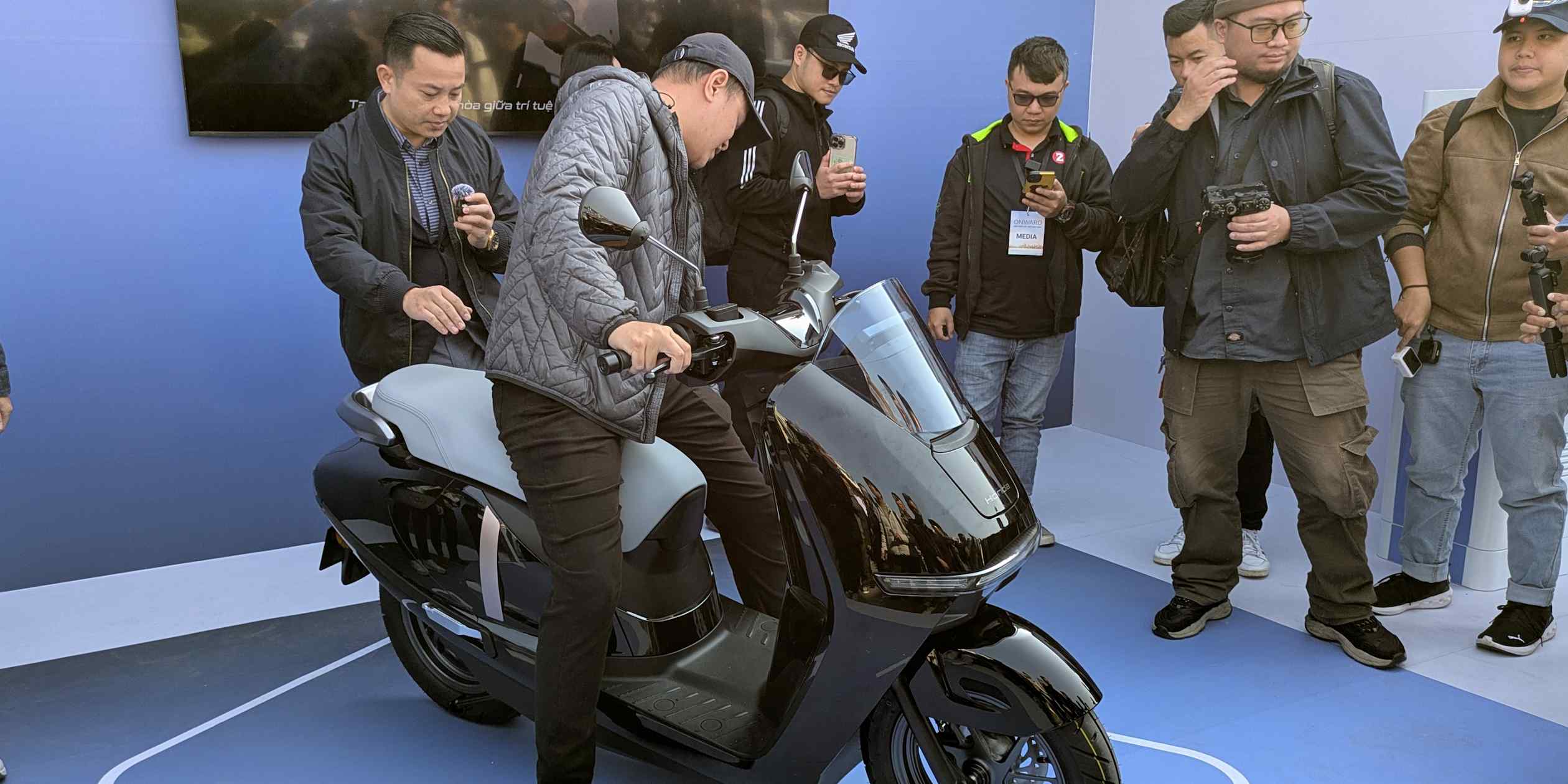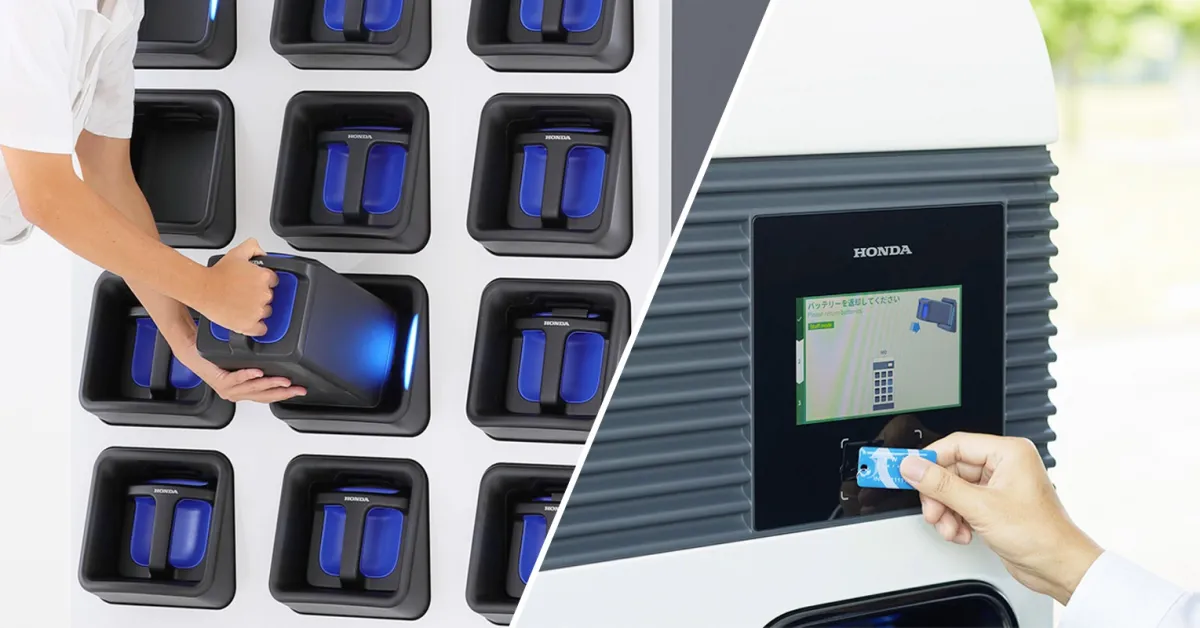
Honda Motor is set to begin producing electric scooters in Vietnam as early as September, marking an important step in the company's efforts to expand its electric vehicle business in Southeast Asia.The move comes as demand for cleaner and more affordable transportation continues to grow across the region.Vietnam has been one of Honda's largest motorcycle markets for decades and serves as a major manufacturing base for the company.By adding electric scooter production to its existing operations, Honda aims to meet changing consumer preferences while supporting the country's transition to green mobility.Key Highlights Honda starts electric scooter production in Vietnam to expand EV business Vietnam becomes a key manufacturing hub for Honda electric scooters Honda strengthens Southeast Asia EV strategy with Vietnam productionVietnam Strengthens Its Role in Honda's EV PlansAccording to a Nikkei Asia report, Honda will start manufacturing electric scooters at its existing factory in Vietnam instead of building a new production facility. Using its current infrastructure will allow the company to begin production more quickly while keeping costs under control.Vietnam is a natural choice for Honda's electric scooter expansion. The country has a well-developed supplier network, an experienced workforce, and one of the highest motorcycle ownership rates in the world. These factors make it an ideal location for producing electric two-wheelers.Honda has built a strong presence in Vietnam over the years through its popular range of petrol-powered motorcycles and scooters. As more consumers look for environmentally friendly transport options, local production will help the company introduce electric models faster and respond more effectively to market demand.The decision also reflects Vietnam's growing focus on cleaner transportation. Government initiatives to reduce emissions and encourage the adoption of electric mobility are creating new opportunities for manufacturers. At the same time, rising fuel prices and increasing environmental awareness are encouraging more people to consider electric scooters for their daily commute.Competition in Electric Scooters Continues to GrowHonda's latest move comes as competition in Southeast Asia's electric two-wheeler market becomes more intense. Established manufacturers as well as new EV manufacturers are introducing battery-powered scooters to attract customers looking for cost-effective and sustainable mobility solutions.Producing electric scooters in Vietnam will allow Honda to reduce transportation costs, improve supply chain efficiency, and respond more quickly to customer demand. The company could also use the facility as an export hub for other Southeast Asian markets where electric mobility is gaining momentum.The investment is part of Honda's broader strategy to expand its global electric motorcycle business. The company has been increasing its focus on battery technology, charging infrastructure, and electric mobility solutions as it works toward its long-term goal of achieving carbon neutrality.Industry experts believe Vietnam is becoming an important manufacturing hub for electric vehicles because of its strong industrial base, skilled workforce, and growing domestic market. These advantages are expected to attract more investments from global automakers in the coming years.Also Read: Bybit Expands Into Indonesia Through Nobi Acquisition and RebrandHonda's decision to manufacture electric scooters in Vietnam reflects the company's confidence in the country's manufacturing capabilities and the growing demand for electric mobility across the region. As production begins later this year, the facility is expected to support both local sales and exports, helping Honda strengthen its position in Southeast Asia's rapidly evolving electric two-wheeler market.
Honda to Start Electric Scooter Production in Vietnam This September
Honda will begin producing electric scooters in Vietnam from September, strengthening its EV strategy, expanding regional manufacturing, and supporting growing demand for green mobility.
539 words~2 min read