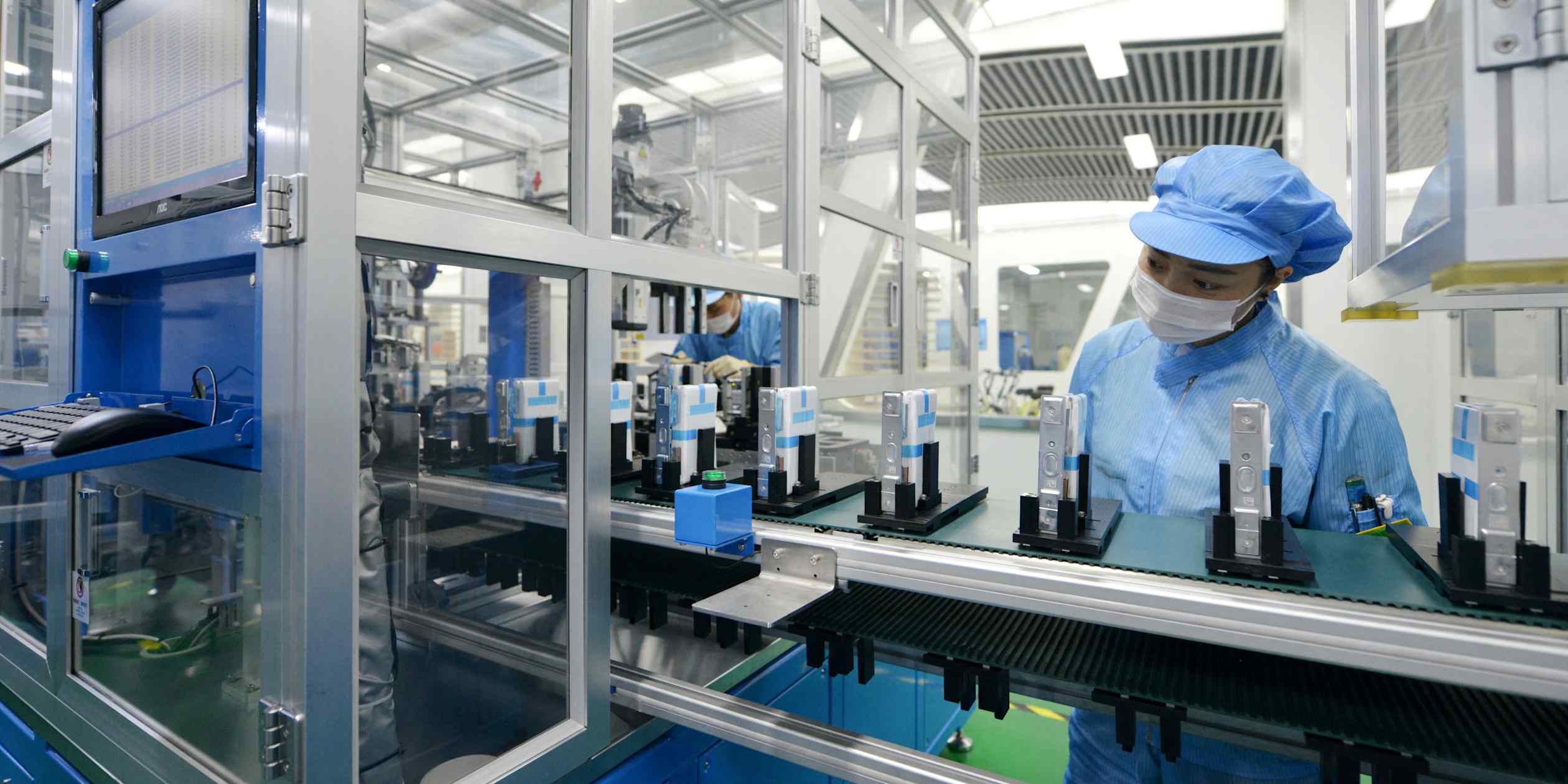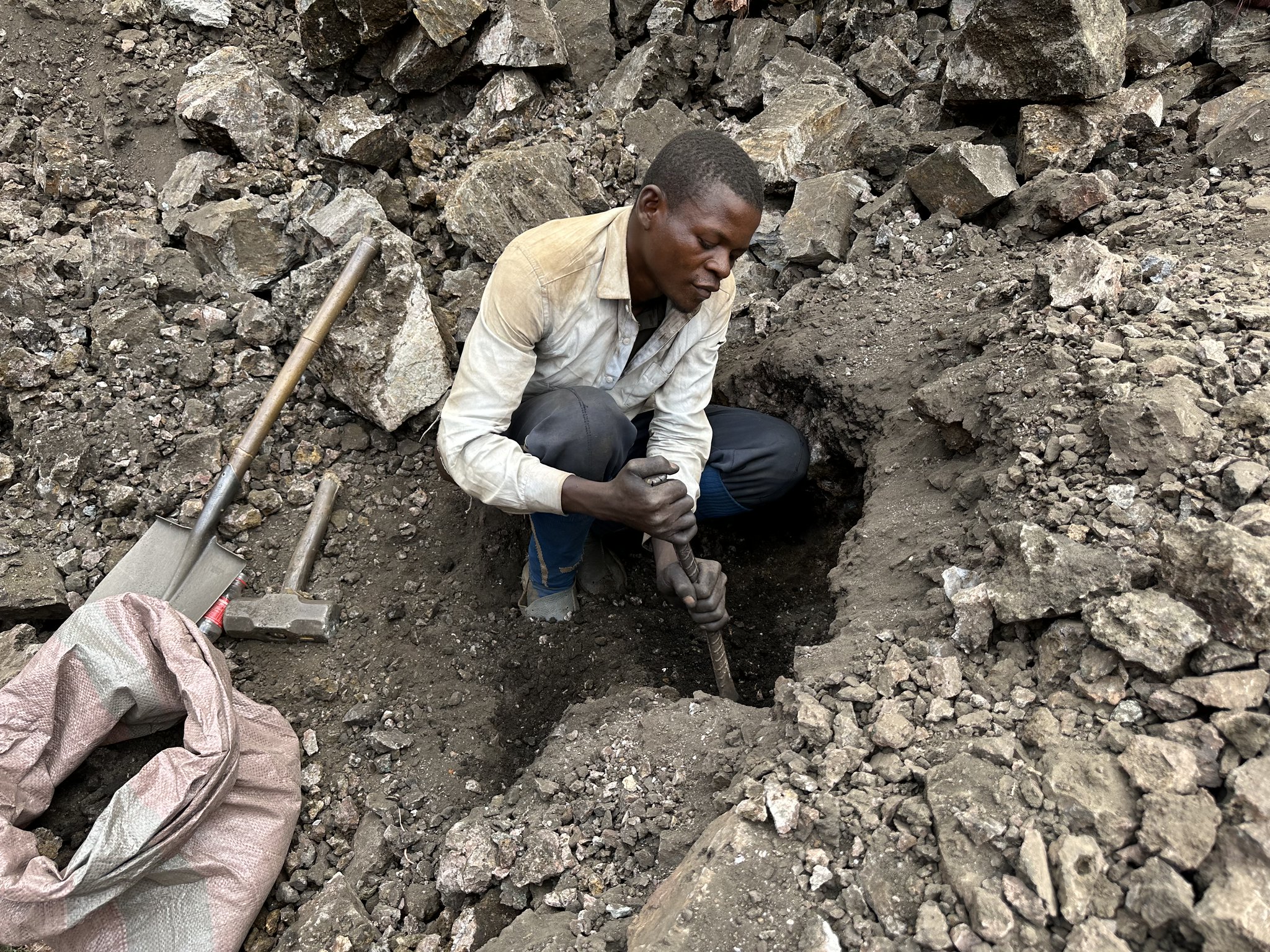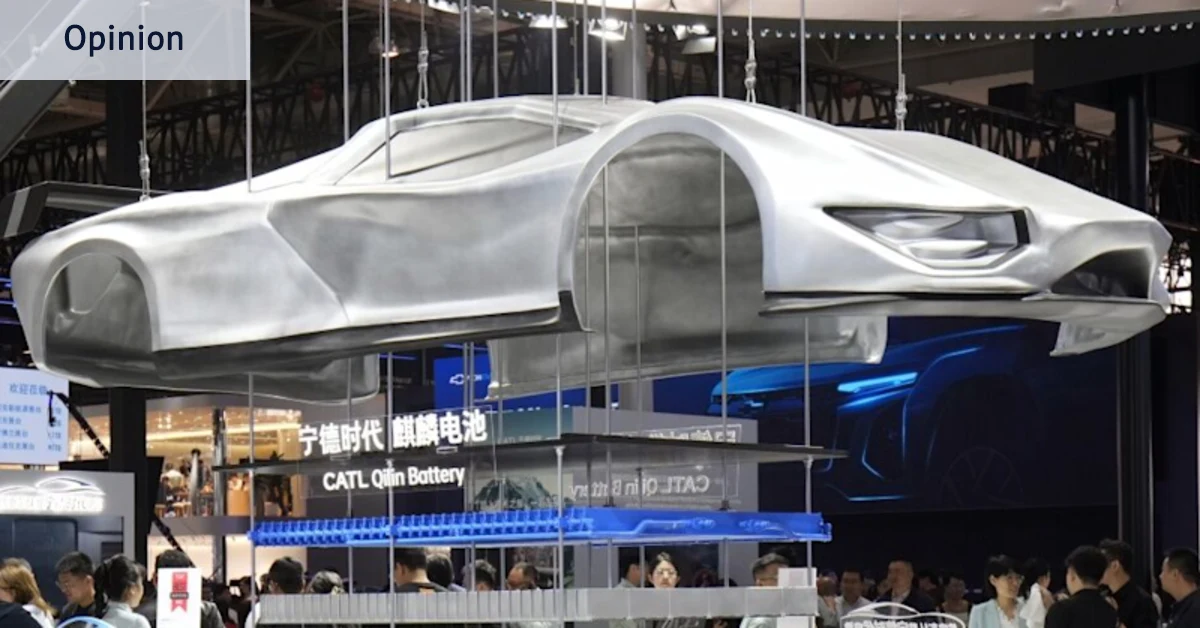
OpinionJuly 16, 2026 — 3:30pmA year-long probe I recently concluded into the NSW government’s buying of electric vehicles and lithium-ion batteries highlighted a problem. Right now, the transition to renewable energy involves products potentially made through modern slavery, including lithium-ion batteries from the world’s biggest supplier of those products, China’s Contemporary Amperex Technology Co, Ltd (CATL).Modern slavery risks in EV supply chains relate particularly to the mining of cobalt used in lithium-ion batteries, and in the assembly of those batteries in and around Xinjiang, China. Some of the workers who produce and assemble these materials are victims of child labour and state-sanctioned forced labour.A model of the CATL Qilin battery on display during the Beijing Auto Show. BloombergIn parts of the Democratic Republic of the Congo, where much of the world’s cobalt is sourced, children as young as seven have been documented working in artisanal mines – a practice that formally constitutes one of the worst forms of child labour. A 2023 US Department of Labor study estimated that 78 per cent of cobalt workers experienced forced labour, including deceptive recruitment, forced overtime and exposure to abuse conditions.These modern slavery risks extend beyond DRC to workforces in and around Xinjiang, a western province in the People’s Republic of China. My probe also examined mounting evidence linking parts of the EV manufacturing sector in China to state-backed labour transfer programs and forced labour involving Uyghur and other Turkic minority populations.Researchers have documented coercive transfers of workers into factories connected to battery, auto parts and electric vehicle production, alongside intense surveillance, restrictions on movement and political indoctrination.Independent auditing in these regions has become increasingly difficult. Some global audit firms have withdrawn altogether due to intimidation and government restrictions.Nothing in NSW law strictly prevents the government from buying products made with modern slavery. But it does require government agencies to take “reasonable steps” to ensure they are not doing so. My probe looked at whether agencies are taking these reasonable steps, based on guidance I published in December 2023.The probe found positive developments, namely a growing focus on modern slavery risks in tendering and contracting. But it also highlighted a number of areas where there is much more to be done, and urgently.The NSW government will need to continue buying electric vehicles, lithium-ion batteries and related renewable energy technologies, while working with suppliers to ensure they are not made with modern slavery. Suppliers are looking to government to clarify due diligence and risk-management expectations and obligations. Our probe should help with that, but a clear signal is also needed from the executive government: I do not speak for it.At the same time, buyers and suppliers also need to work together to address these risks. Too often, buyers rely unquestioningly on supplier assurances, audits and disclosures. These have a role. But on their own, they rarely provide a full picture. And in Xinjiang, audits to check supplier information are not safe or reliable.If government agencies cannot assure themselves the products they are buying are not made with modern slavery, they will need in the next couple of years to find alternative, slavery-free supply. Governments will need to bring to bear their investment leverage and their centralised contract management and industrial, tariff and foreign policy capabilities to foster slavery-free production capacity.Australia has a key role to play in promoting slavery-free lithium-ion battery supply, but we will need to work with our closest trading partners to make this happen any time soon.Where it becomes clear that NSW government agencies have in fact bought cars, buses or batteries made with modern slavery, they will need to remedy the harms involved in making them. That may include compensation, medical and psychological support for affected workers, formal acknowledgment of wrongdoing, or, in some cases, responsibly withdrawing from supplier relationships.Given that many NSW government agencies buy products from firms that have been identified as potentially having links to modern slavery, such as the world’s largest supplier of lithium-ion batteries, CATL, this is a real possibility.Consumers and communities have an important role to play, too, by asking how these products are made, who made them, and under what conditions. And by insisting to their energy suppliers, MPs and superannuation funds that they want a just transition, not one achieved through slavery.The success of the clean energy transition will not be measured by emissions reductions alone. It will also be measured by whether that transition respects human rights.Public procurement shapes markets. It influences which suppliers succeed and what standards are set. Governments cannot solve these challenges alone, but they can use their leverage to shape the solutions on offer. Now is the time for governments to act.Dr James Cockayne is the NSW Anti-Slavery Commissioner.More:Modern slaveryOpinionFor subscribersRenewablesChinaElectric vehiclesClimate crisisFrom our partners
Modern slavery builds many EVs. What if your government is a customer?
In parts of the Democratic Republic of the Congo, children as young as seven have been documented working in cobalt mines.
788 words~4 min read