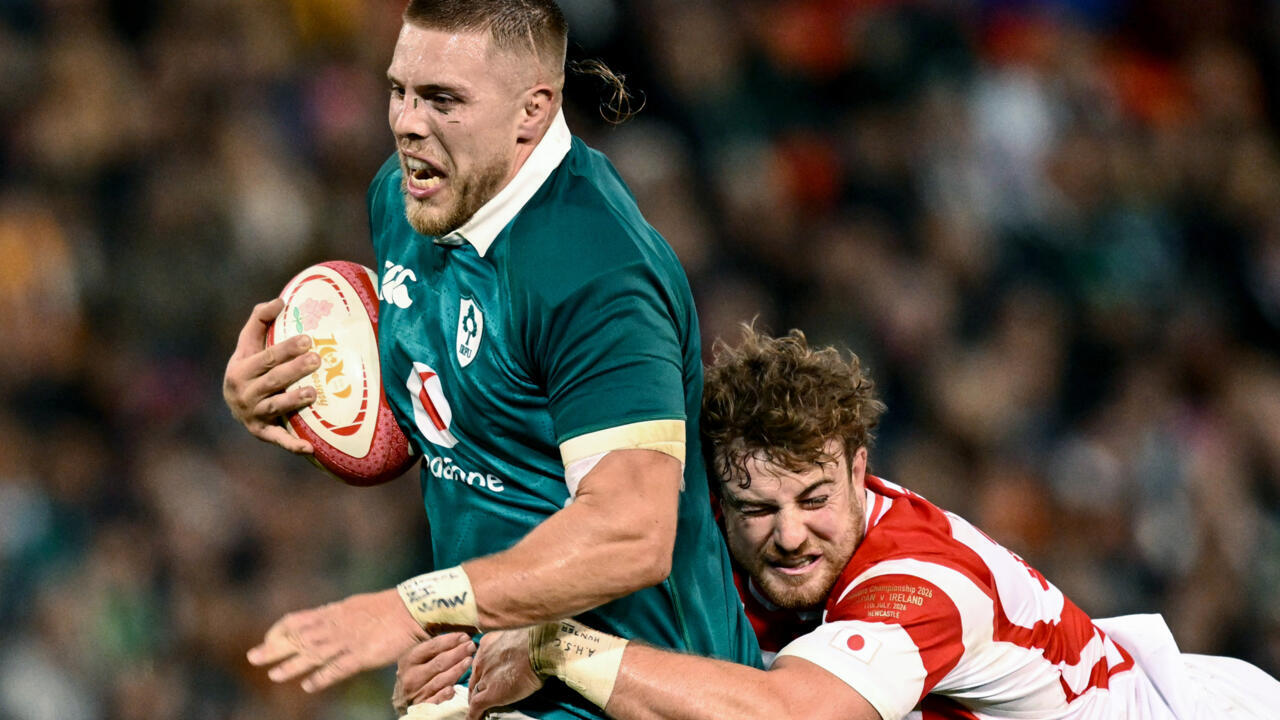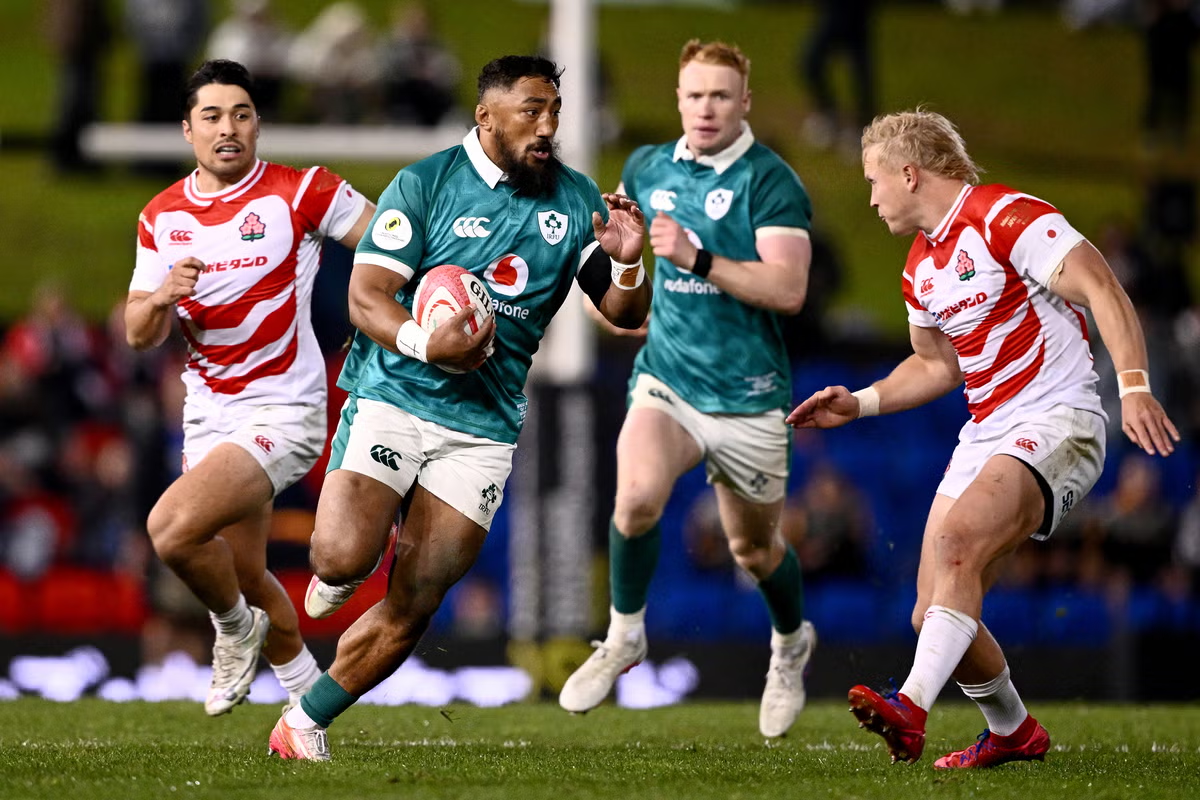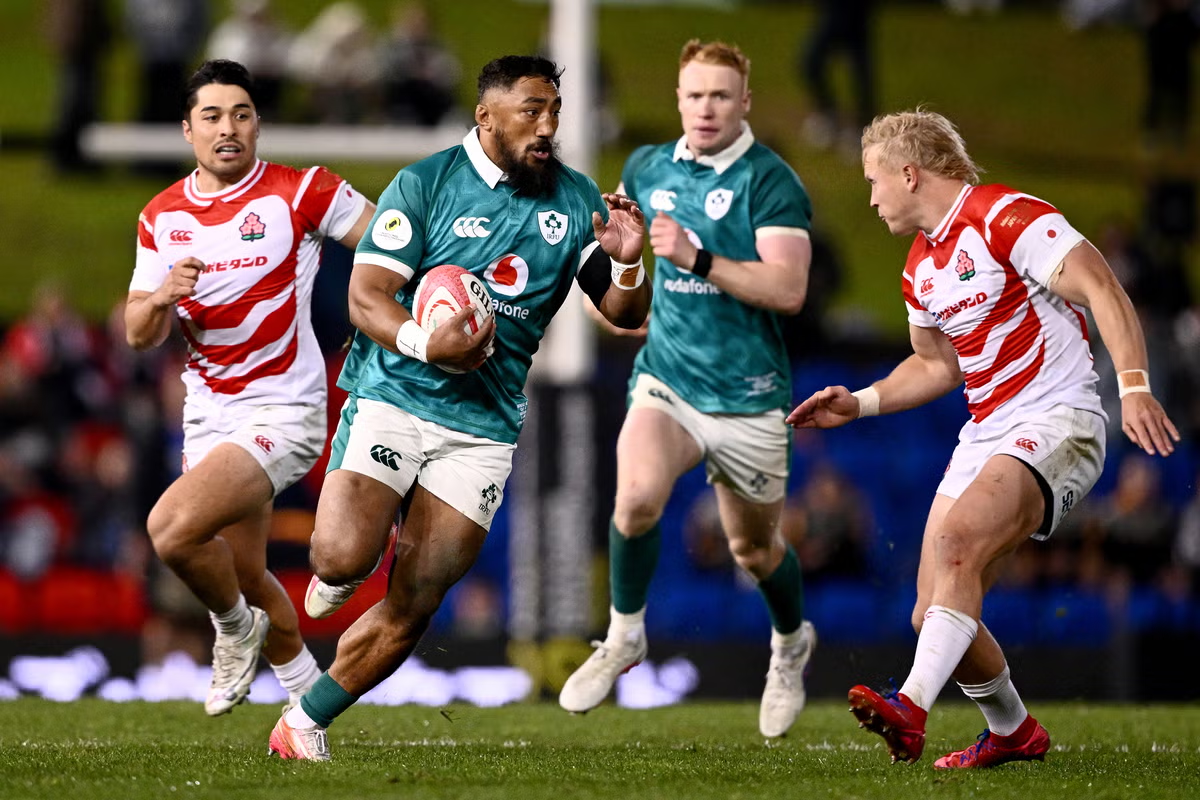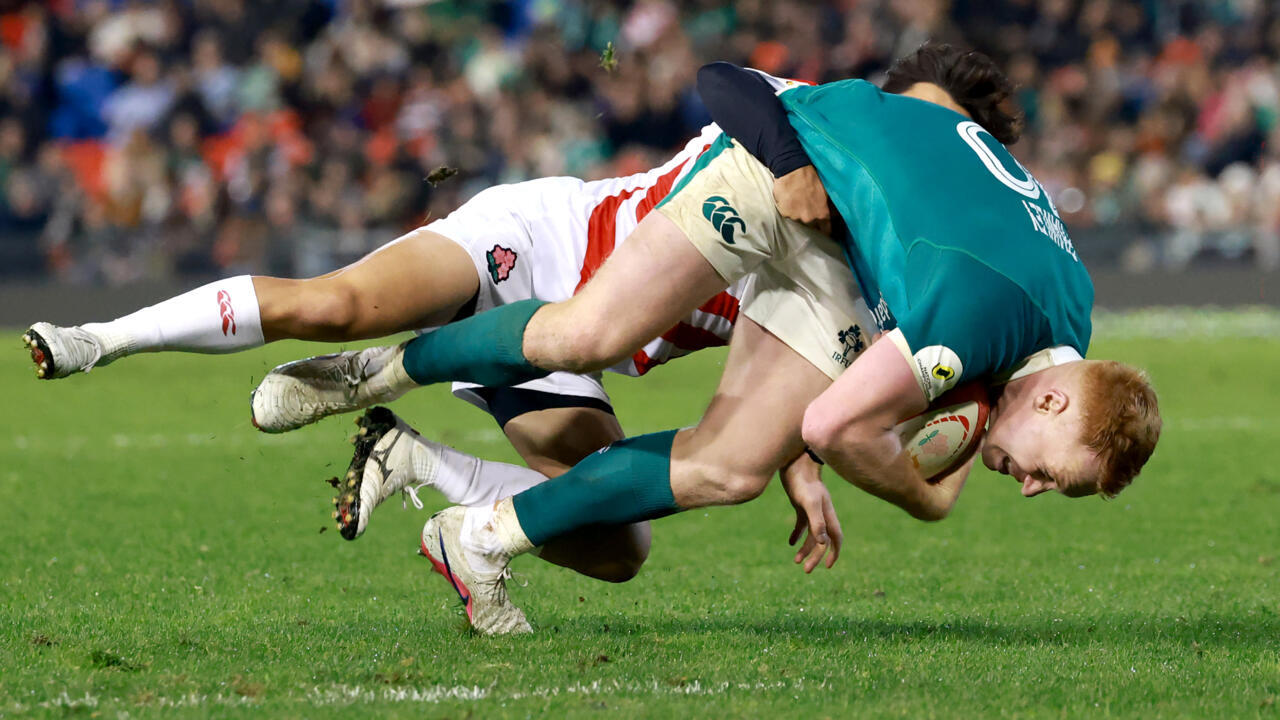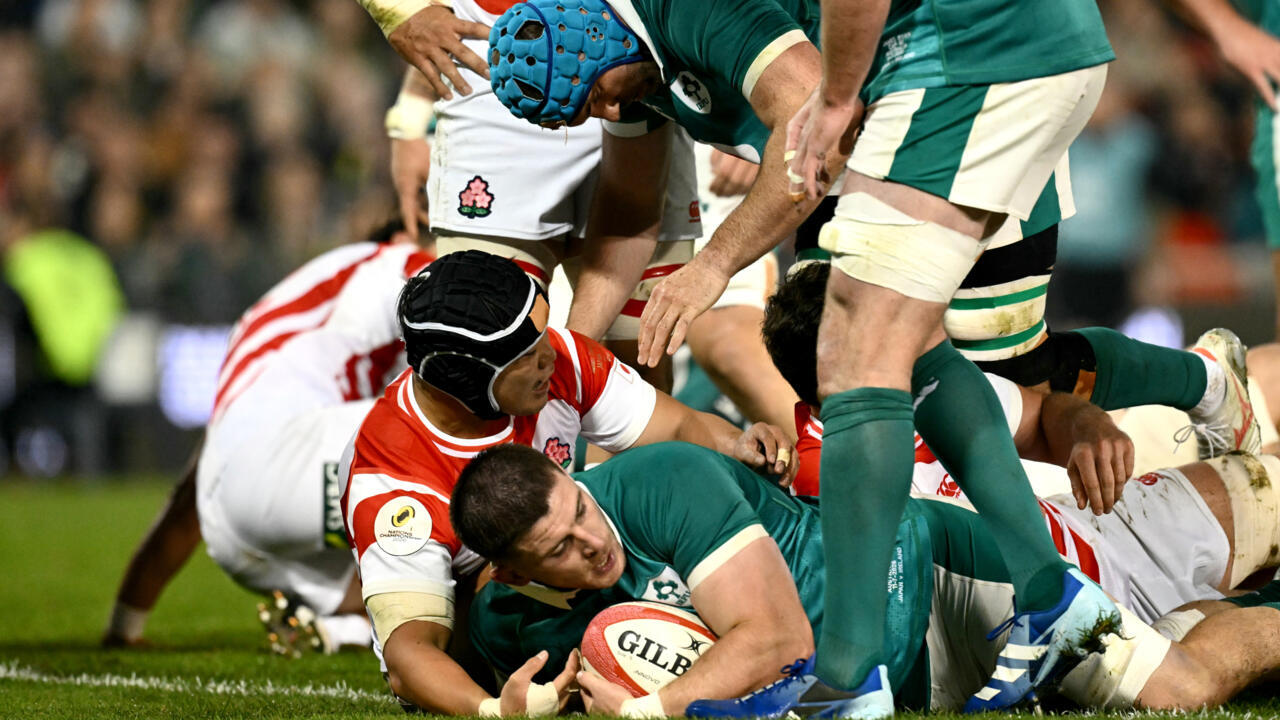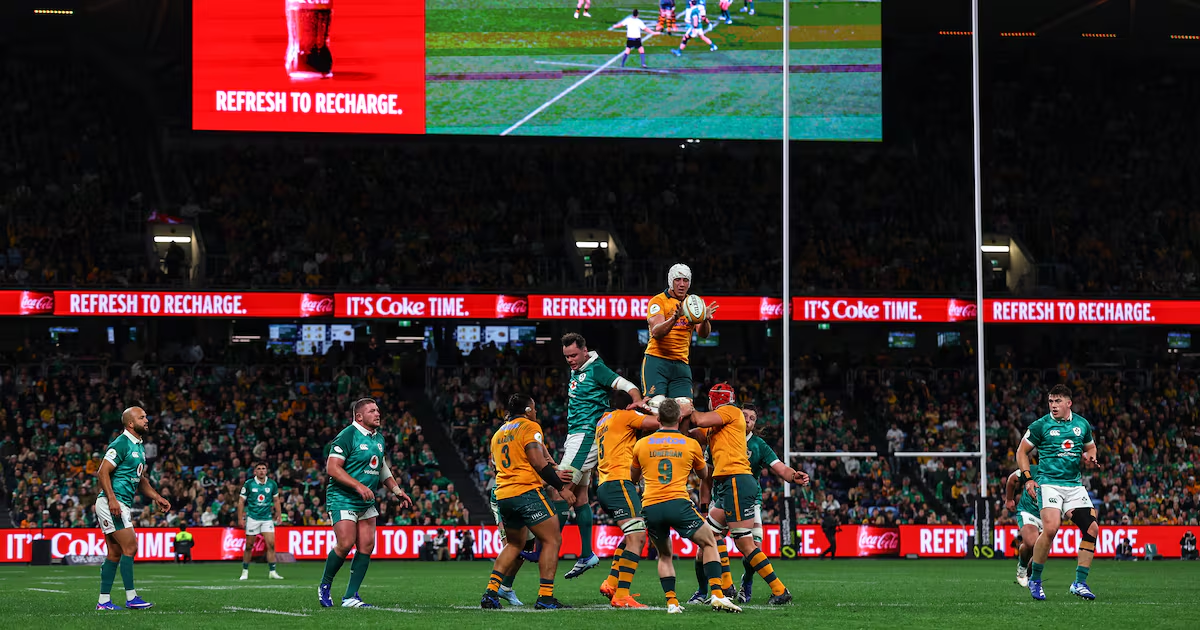
Ireland’s first lineout of the game against Australia was costly. Joe McCarthy went up but did not come down with Dan Sheehan’s throw. The Wallabies capitalised on the turnover to ultimately open the scoring through Dylan Pietsch.Against Japan a week on, Ireland’s second attempted set-piece was also a scoring one. Only not for them. Rónan Kelleher’s throw went over the head of James Ryan and into the arms of wing Taira Main. His pace did the rest from there.Across the opening fortnight of the Nations Championship, Ireland’s set-piece has been bedevilled by a level of sloppiness not seen in recent times. During the Six Nations, Ireland were second in the championship for lineout success on 94.7 per cent. So far this summer, they have won just 80 per cent of their own ball.It’s a significant downturn, one that has quite literally cost Ireland points (at least three opposition tries have come from botched Irish throws). Is it a sign of a general malaise within the Irish set-piece, or a small sample of mediocrity that can ultimately be rectified?Both statistically and aesthetically, Ireland had a better lineout against Australia than Japan. In Sydney, the 22 set-pieces yielded a successful return of 82 per cent. The equivalent figures a week on were 78 per cent on 18 throws.Japan's Taira Main on his way to scoring a try against Ireland in last Saturday's Nations Championship match in Newcastle, Australia. Photograph: David Gray/AFP via Getty Images Part of the reason could well be variety. Against Japan, Ryan, who is Ireland’s lineout caller, called the first four throws of the day on himself. Against Australia, Ireland used McCarthy, Cian Prendergast and Ryan within their first four throws. The Wallabies couldn’t just mark one man, whereas Japan’s Warner Dearns would have been forgiven for just following Ryan.By having Jack Conan in the six jersey against Japan, Ireland did limit their lineout options. The Leinster man is clearly capable of jumping, but a player more used to playing at eight is not as much of a specialist as someone like Tadhg Beirne, or even Prendergast.Looking at Ireland’s team selection for the All Blacks, it appears the lineout was at least part of the consideration. Beirne is back starting in the six shirt, meaning there are three specialist locks in the XV. Which is no slight on Prendergast, who had a good day of jumping against Australia and ranked 10th in the URC last season for lineout steals.It’s not a guarantee that more lineout operators equates to better retention. For instance, in games that Beirne has started at six since the last World Cup, Ireland’s lineout success rate of 85 per cent hardly stands out. Yet it still is a strong argument that variety among those being launched in the air is a good thing.Against Australia, lost ball came from Australian jumpers reading the throw well. Against Japan, it was a different story. The word shocker comes to mind.Ireland's Tadhg Beirne receives the ball from a lineout in last Saturday's Nations Championship match against Japan. Photograph: Ben Brady/Inpho Ireland had balls launched over the head of the target. Crooked throws. Even one that didn’t travel the required five metres in from touch. The ball that was secured often came when Japan opted not to contest. When such errors creep in, it tends to be because of poor throws, mistimed jumps and sloppy lifts. Add in poor communication. Often it’s a mixture of all of the above.As the hooker on the day, Kelleher is an easy target for criticism. But he did have his share of mistakes. The long ball which was collected by Main at the back for a breakaway score looked to be an early throw, the ball already into the lineout by the time Ryan was off the ground. Later on, Kelleher appeared to have been slow to act when firing a ball towards Beirne, who had already made his leap. More than anyone, he will recall two crooked throws. To be fair to Kelleher, it wasn’t just him. Tom Stewart was guilty of not sending the ball five metres with a short throw.It should be said that the week previously, Kelleher nailed all four of his throws after coming off the bench against Australia. There are good days and bad days. In reality, Ireland’s lineout has only really had one poor outing in this window. The Wallabies deserve credit for the contest they offered.Given the threat of some of their backline play off lineout last time out, Ireland will be hoping that a more settled unit, with three locks on the park, leads to quality service. As to what New Zealand will have to say about that, well, that’s the fun part for lineout coach Paul O’Connell to delve into in conjunction with his players.
Ireland’s lineout is a problem, which might explain the team to face New Zealand
Downturn in set-piece success has cost Andy Farrell’s team on the scoreboard
800 words~4 min read