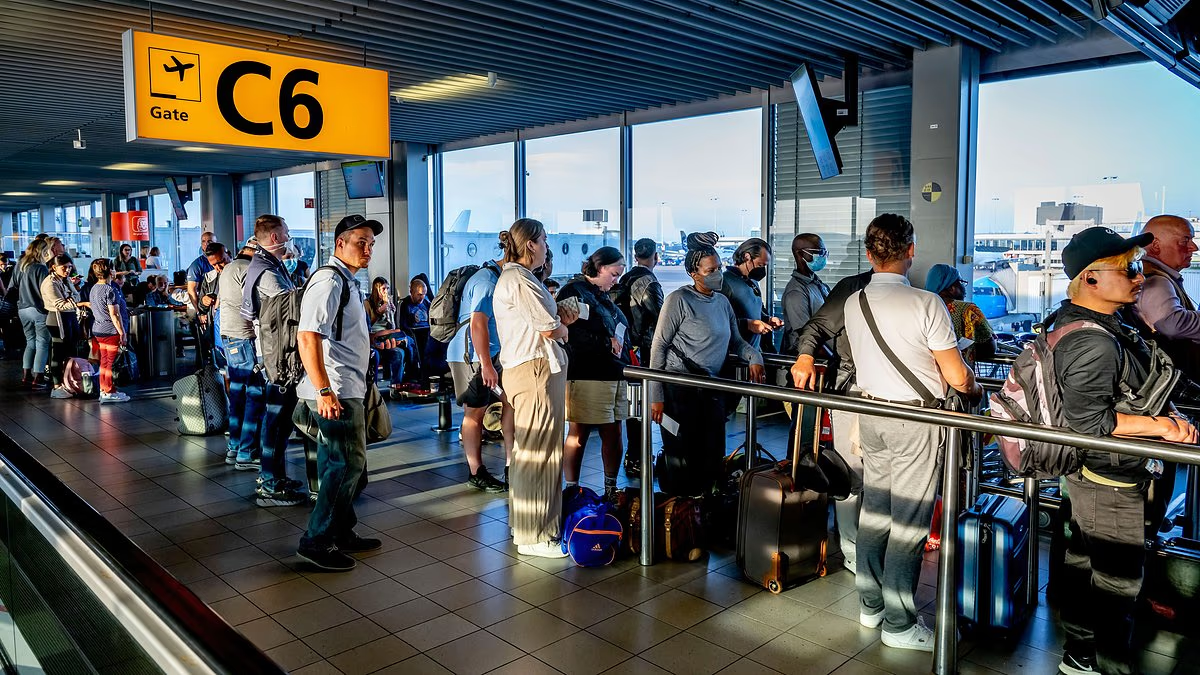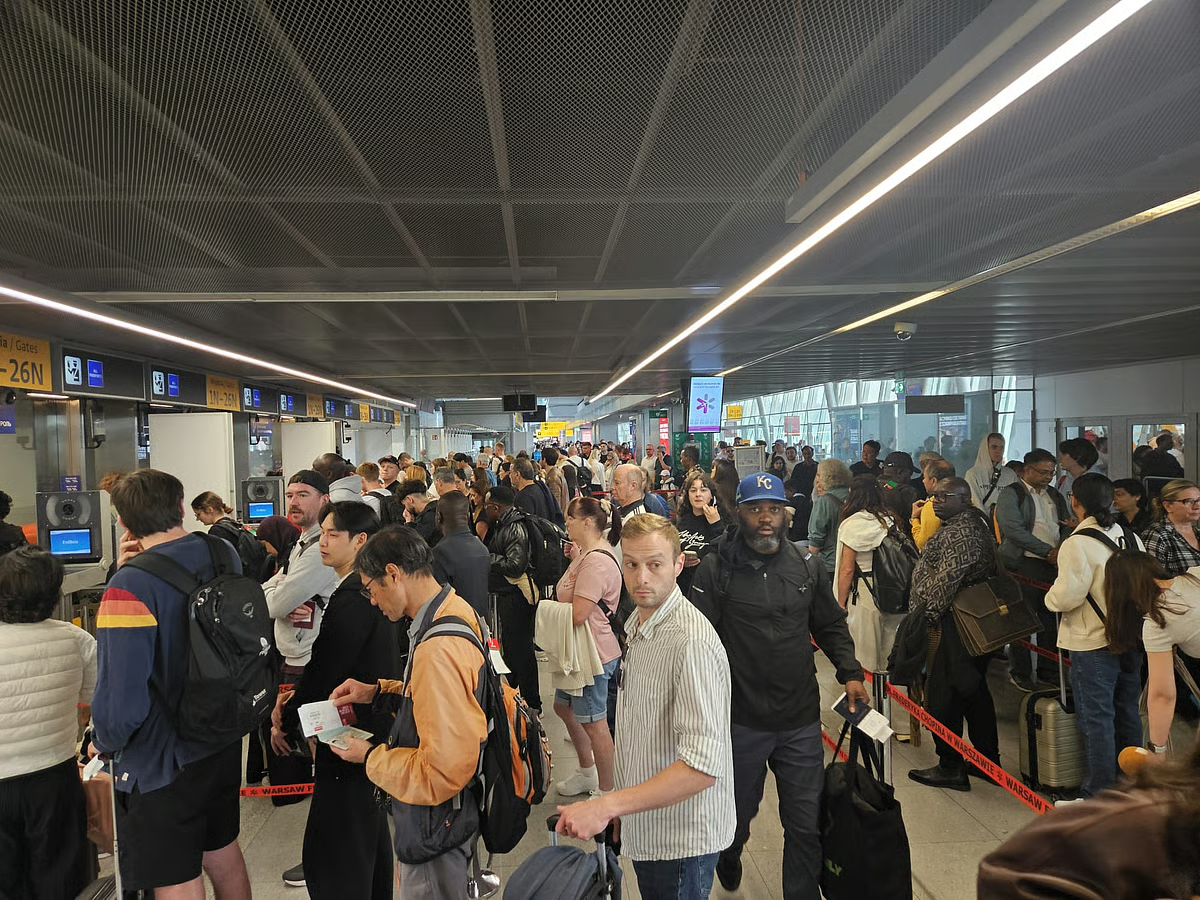
Flying to Europe this summer feels like a game of roulette. Will you breeze through border control within 30 minutes, or should you prepare for a whole morning of airport misery? The EU’s new Entry/Exit System has caused queues of up to five hours at some airports, according to the trade body Airports Council International. Neither the European Commission nor the affected countries have released a list of where or when to expect the longest delays, making it difficult for passengers to plan ahead.
Zach Griff, a US-based aviation journalist with a love of data, is here to help. His EES queue prediction tool uses flight schedules to determine how severe arrival and departure queues will be at the EU’s busiest airports, depending on the time and the day.
As he explains in his EES guide, to create the tool, Griff “stripped out the intra-Europe [not including the UK] flights that skip EES, and mapped how busy each border is hour by hour – by airport, day of the week, and for both arrivals and departures.”
Shorts
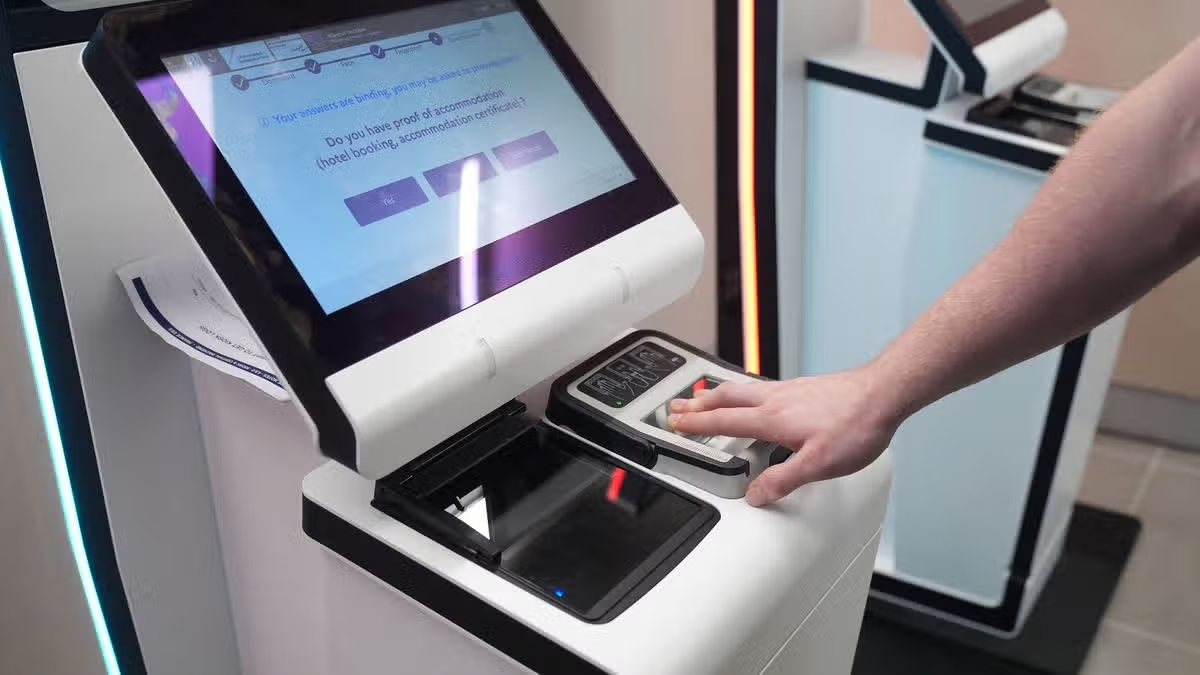
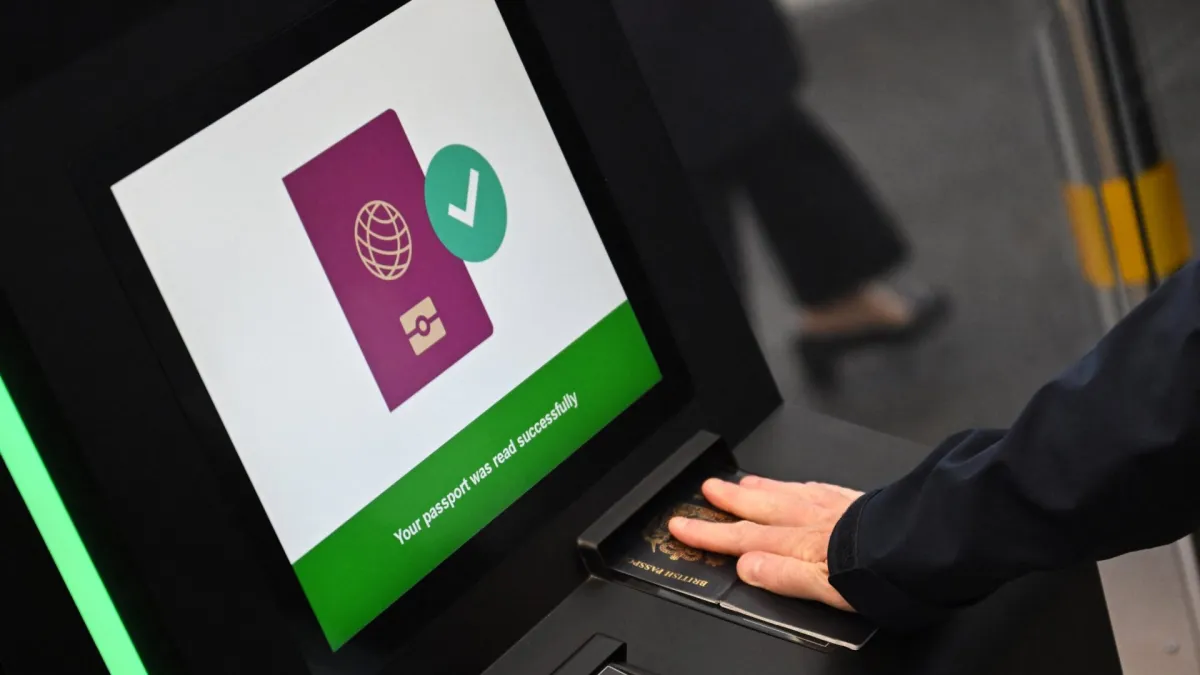
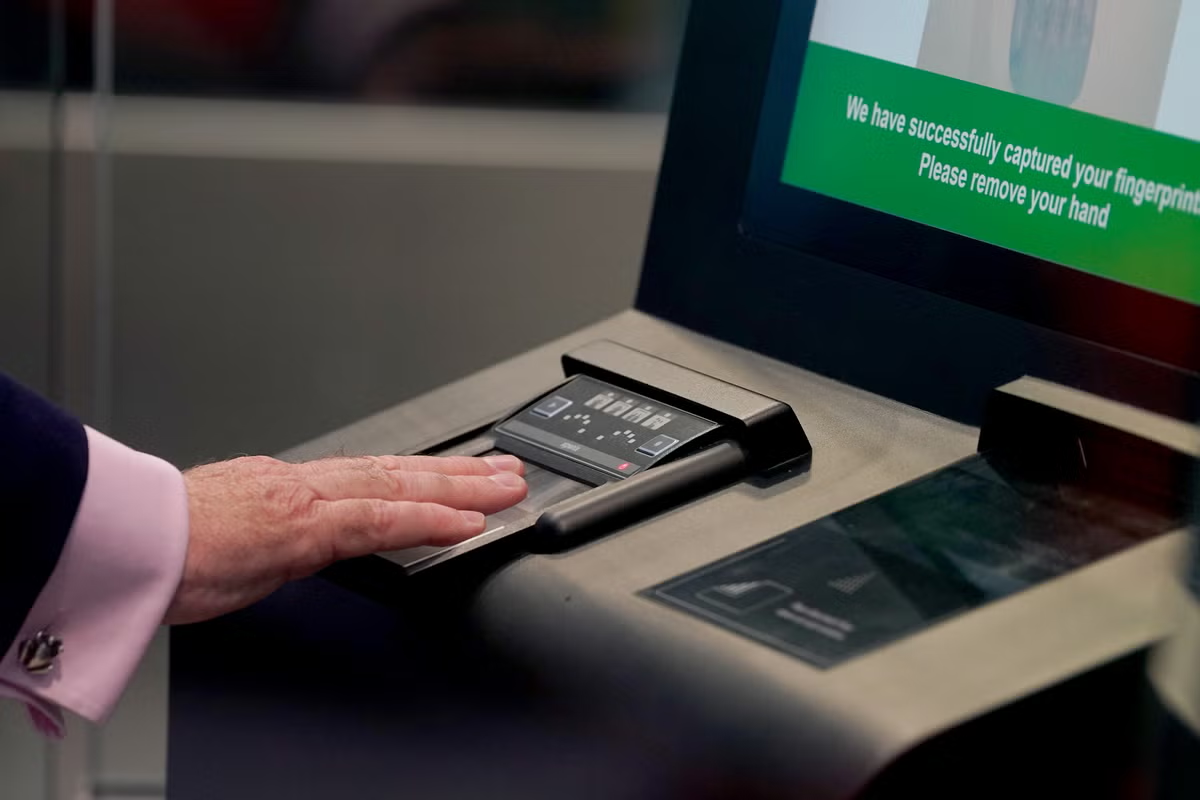
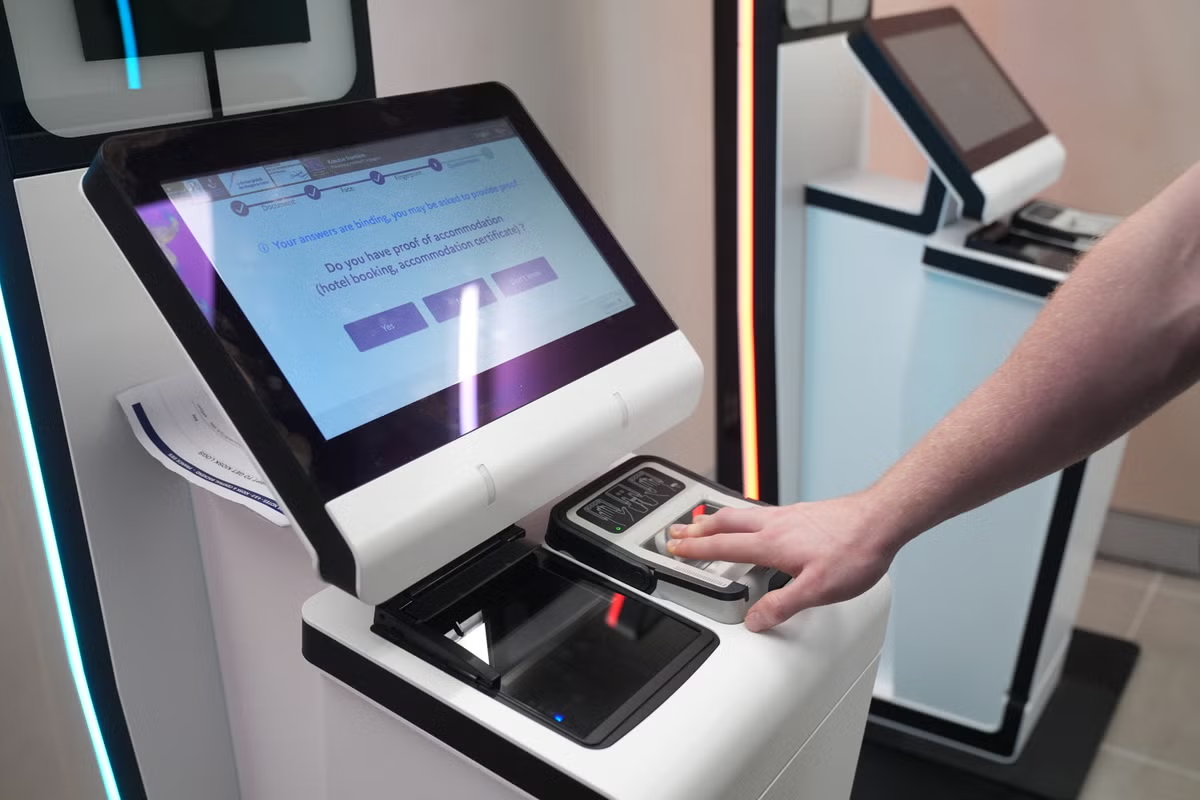
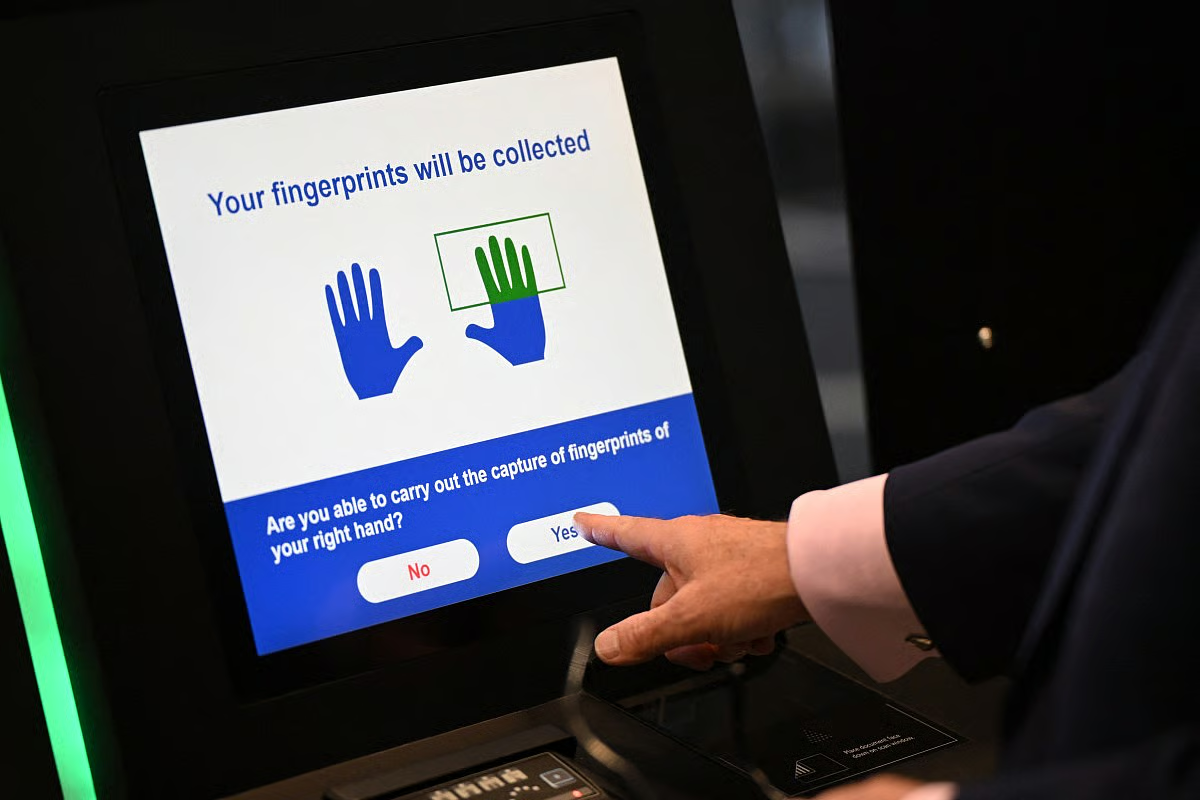
There are 29 countries where EES applies for third-country travellers (passengers with passports from countries outside the EU and Schengen area). It includes taking facial images and fingerprints from travellers, recording details of their entry and exit to the Schengen area and asking questions about their stay. Many ports and airports have EES booths at which this information can be taken, but some of the booths are glitchy and often the task falls to border force officers.