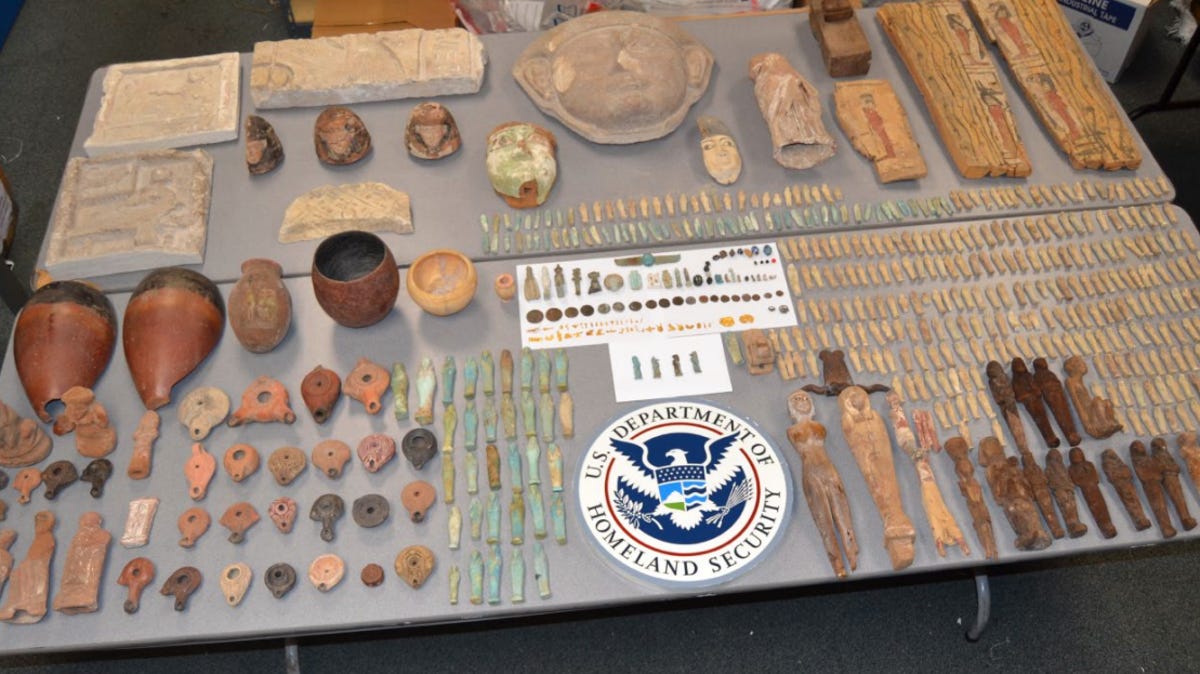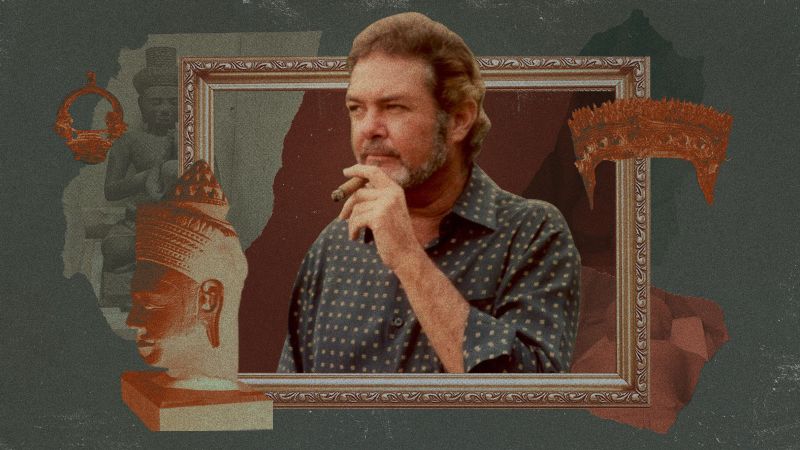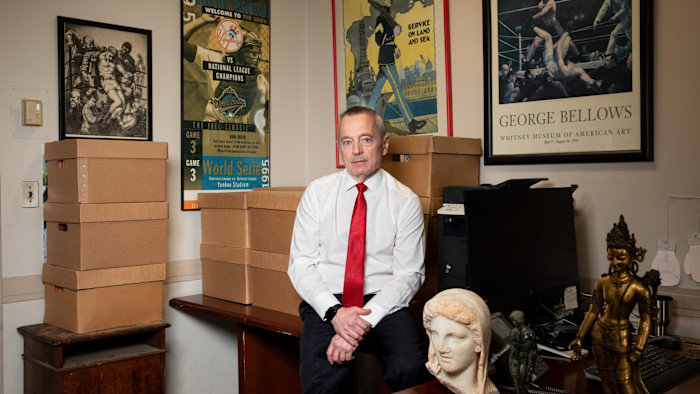
In the bowels of a dilapidated municipal building in Lower Manhattan, Matthew Bogdanos unlocks the door to a windowless room and fumbles for a light switch. Harsh fluorescent strips flicker to life, revealing rows of dust-encrusted metal shelving, stack after stack of cardboard boxes, and several million dollars’ worth of allegedly looted treasure.
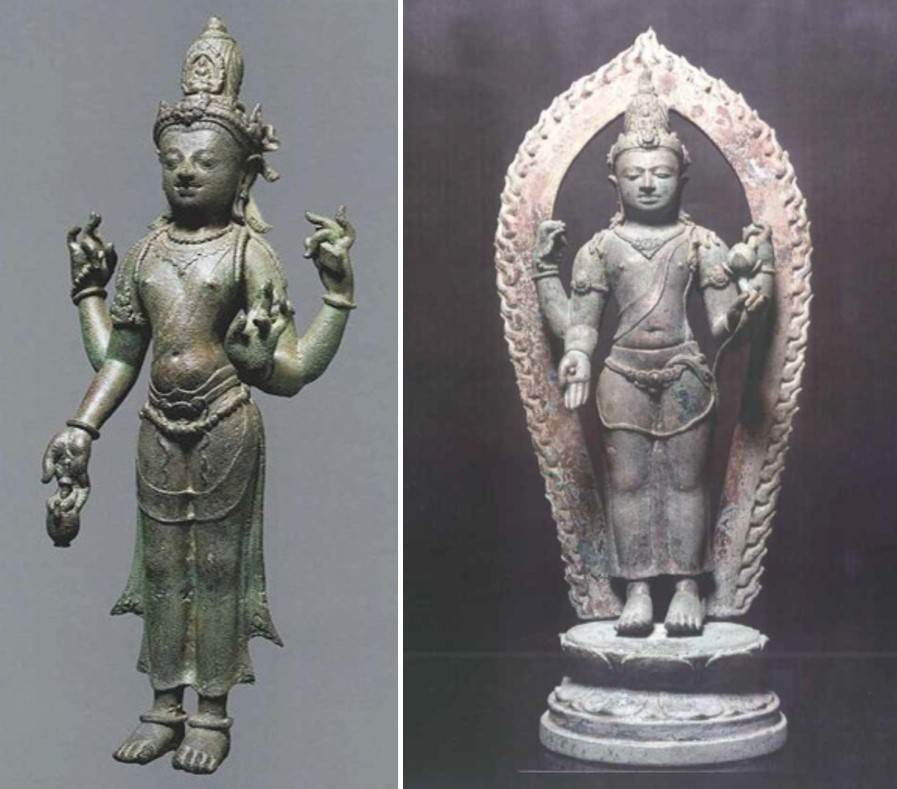
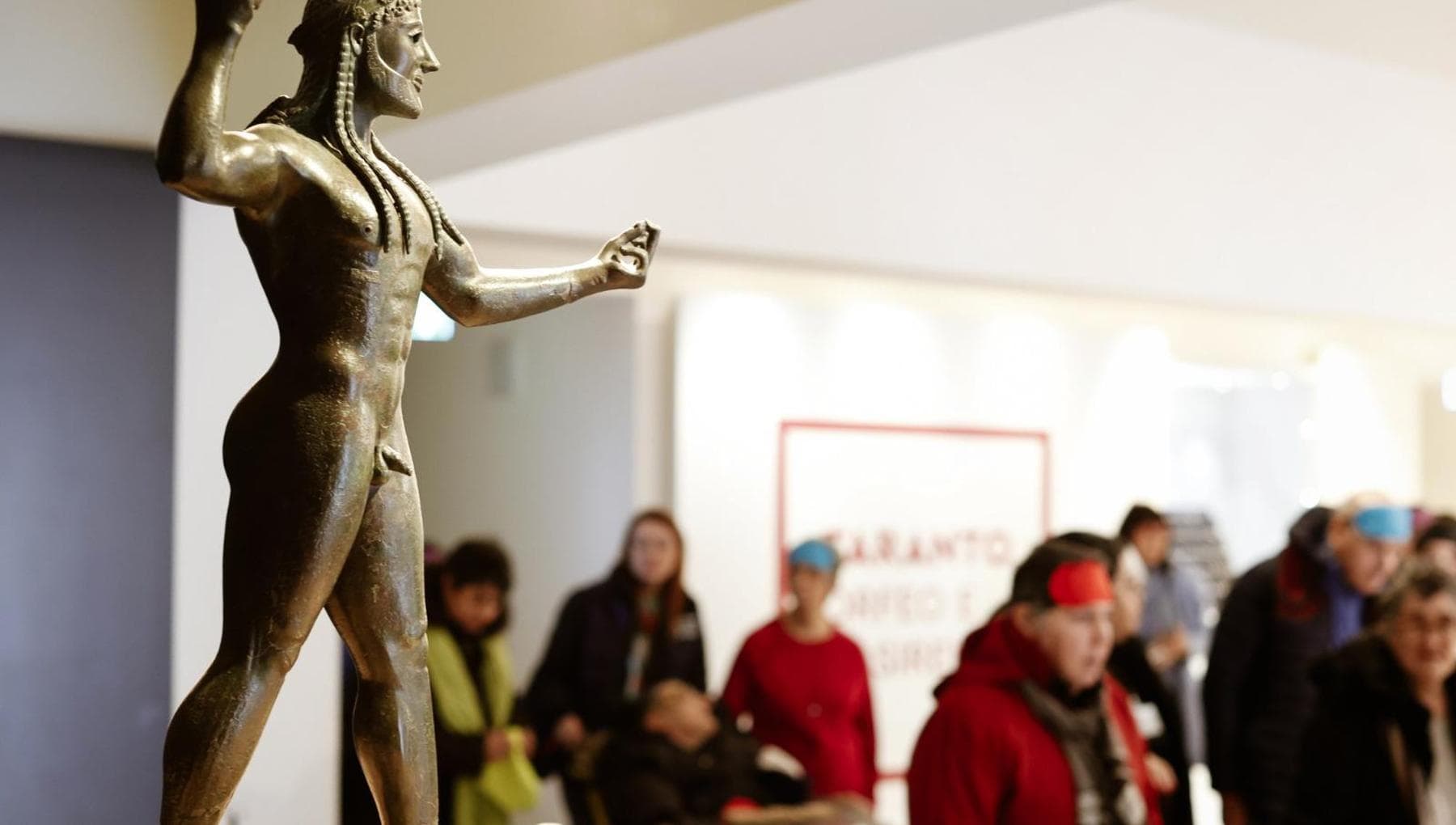
The 68-year-old prosecutor runs through the astonishing inventory before him with childlike wonder. Here is a Gandharan Hercules wrestling the Nemean lion, carved in Afghanistan, proof of how far Alexander the Great travelled; there is a breathtaking Roman mosaic from Lebanon of Greek divinities Telete and Eros. On the far side of the room are two intricate Roman statuettes of twin gods Castor and Pollux, behind a carefully arranged set of sacred Indonesian tribal skulls. All were recently seized from museums and collectors, soon to be shipped to grateful governments around the world.
The exhibits represent a fraction of the items recovered over the past decade by Bogdanos’s scrappy Antiquities Trafficking Unit (ATU). The former Marine colonel and devoted classicist’s crusade against the genteel art world has led to the return of about 6,350 artefacts with a total value, he estimates, of half a billion dollars. More has been added to the tally that morning, after Bogdanos personally seized 15th-century manuscripts, allegedly stolen from the Vatican, from a dealer in Brooklyn.