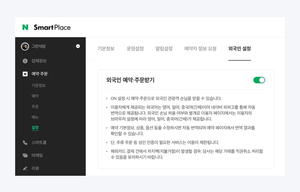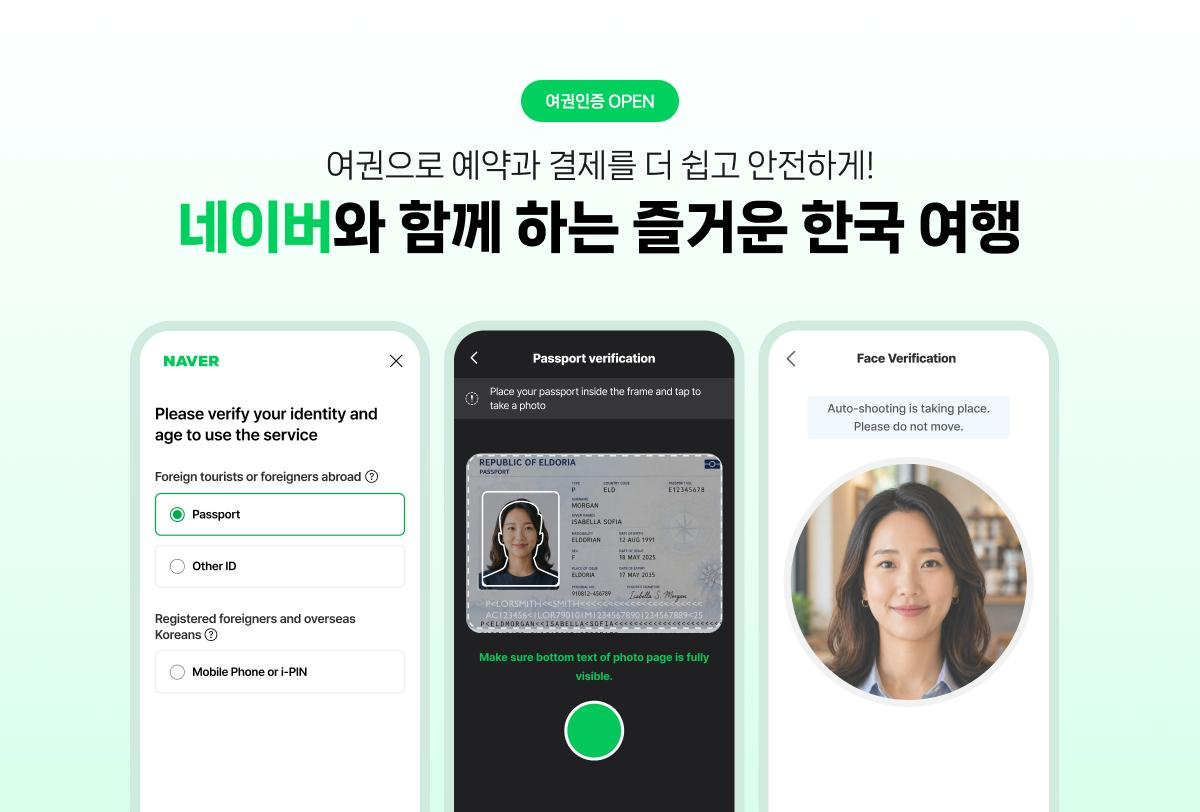
Feature was meant to attract international users as Naver steps up competition with Google Maps A toggle on Naver SmartPlace that allows Korean business owners to turn off "foreigner reservations and bookings." (Naver SmartPlace) Naver will revise the wording of a Naver Maps setting that appeared to allow businesses to reject bookings from foreign customers, after critics said the feature could enable discrimination.The controversy centered on Naver SmartPlace, the platform businesses use to manage reservations, payments and store information on Naver Maps.The setting was designed to let merchants decide whether to accept reservations and purchases made with overseas-issued credit cards. But the instructions shown to business owners framed the choice in terms of whether they wished to accept bookings from “foreigners.”“If set to ‘on,’ you can accept reservations and bookings from foreigners,” the instructions read. “If you do not wish to accept reservations and bookings from foreigners, change the setting to ‘off,’” they added.The wording drew wider attention after a foreign resident in Korea posted an Instagram video describing the feature as “the digital equivalent of a ‘No Foreigners’ sign.” The video accused Naver of allowing businesses to “consciously opt out of accessibility,” prompting criticism from other foreign users.“This is actually disheartening and makes me super enraged as a foreigner living here,” one user wrote. Another asked, “Isn’t that just discrimination?”Naver said Wednesday that the setting was intended to give merchants control over whether to accept cards issued overseas, which carry higher processing fees and additional chargeback risks.“We are reviewing whether to change the name of the ‘foreign customer reservation/booking setting’ to the ‘global reservation/booking setting’ to prevent unnecessary misunderstandings,” a Naver official told The Korea Herald.“The changes will be implemented as soon as possible.”Naver says setting targeted foreign cards, not foreign customersNaver said the dispute arose from wording that failed distinguish between foreign customers and cards issued overseas.The company introduced the feature in June 2025 as part of an expansion of multilingual reservation and payment services aimed largely at international visitors.Naver said the goal was to allow tourists and other nonresident users to make bookings and payments through Naver Maps while giving merchants a choice over whether to accept the added costs and risks associated with foreign cards.“We tried to find a middle ground,” the official said.Transactions made with overseas-issued cards carry a 3.85 percent processing fee, according to Naver. Merchants may also be subject to chargeback rules imposed by foreign card issuers in cases involving fraud or stolen cards.“That is why we allowed business owners to decide for themselves whether to accept transactions using foreign cards,” the official said.Naver Maps has promoted its service as an all-in-one platform for foreign users, allowing them to search for destinations, make reservations and purchases, find transportation routes and read reviews without leaving the app.The company said in June that foreign-language use of Naver Maps had increased 16.4 percent in April from September 2025, while monthly active users had surpassed 31 million.Foreign-user push comes as Google competition growsThe expansion comes as Naver faces growing pressure to make its dominant domestic map service easier for international users, amid renewed debate over Google Maps’ access to Korea’s detailed map data.Google has repeatedly sought permission since 2007 to export the country’s 1:5,000-scale digital map data, which contains detailed information on roads, buildings and terrain.Korea had long rejected the requests on national security grounds. The government, however, moved toward conditional approval in February after the Trump administration identified restrictions on map data exports as a nontariff trade barrier in 2025.An industry insider familiar with the matter told The Korea Herald that the government had asked Naver last year to improve services for foreign users as Google argued that greater access to Korean map data was necessary to better serve international visitors.The source said that request may have contributed to Naver’s expansion of multilingual support and direct reservation and payment services.
[Exclusive] Naver to change ‘no foreigners’ button after discrimination accusations
Naver will revise the wording of a Naver Maps setting that appeared to allow businesses to reject bookings from foreign customers, after critics said the featur
645 words~3 min read