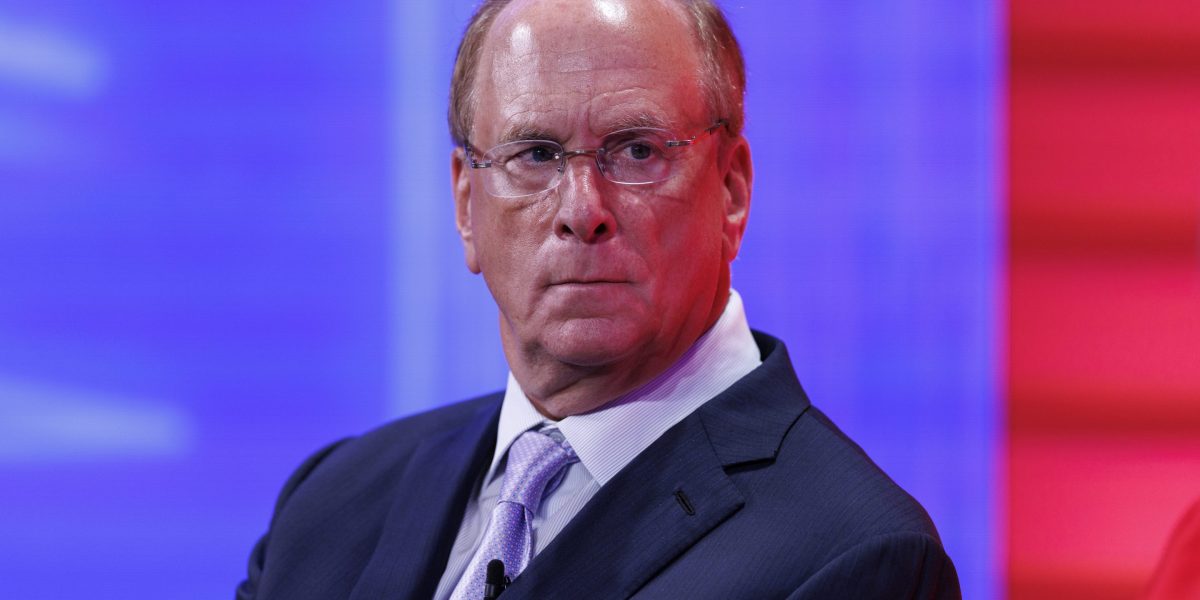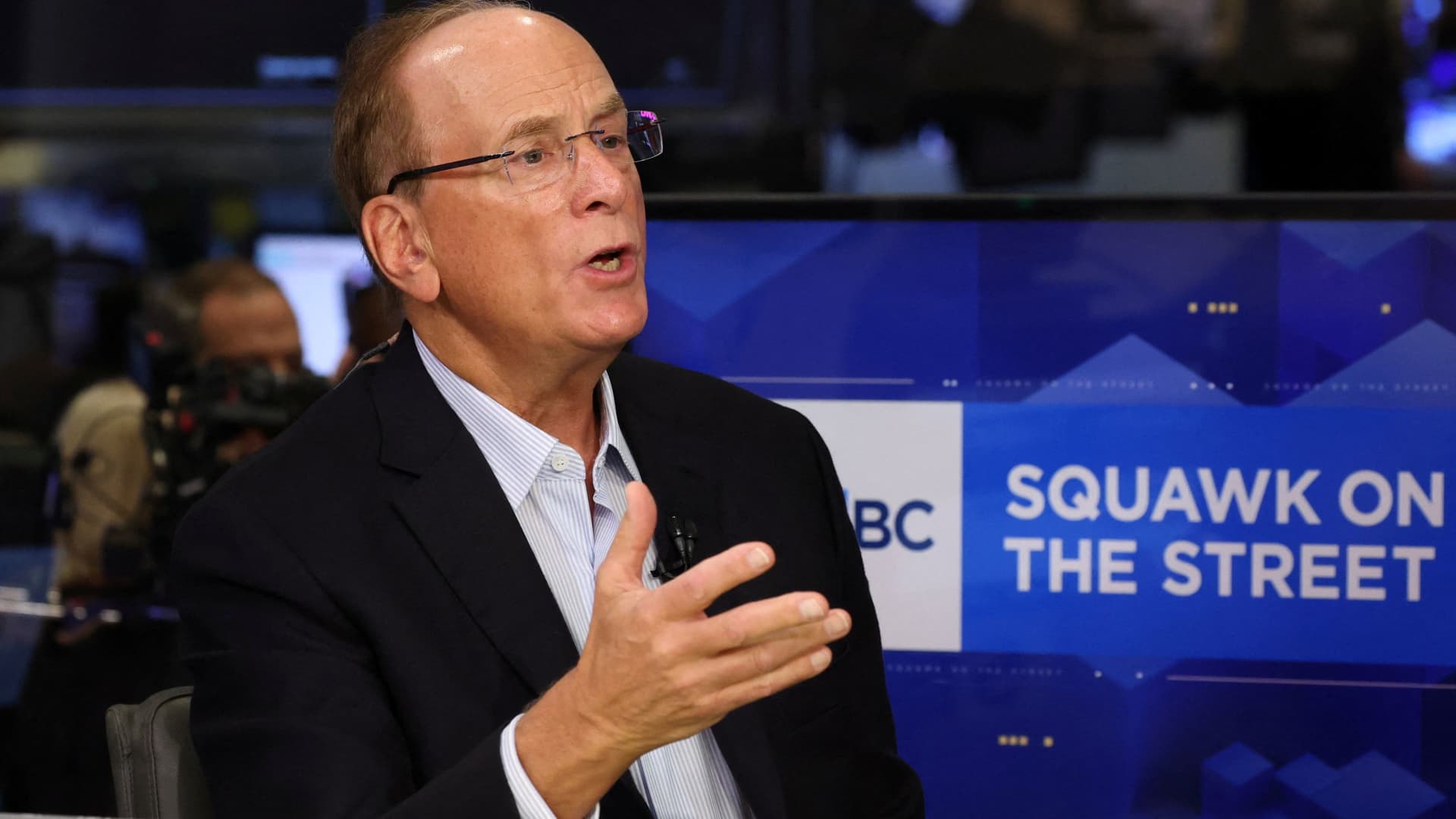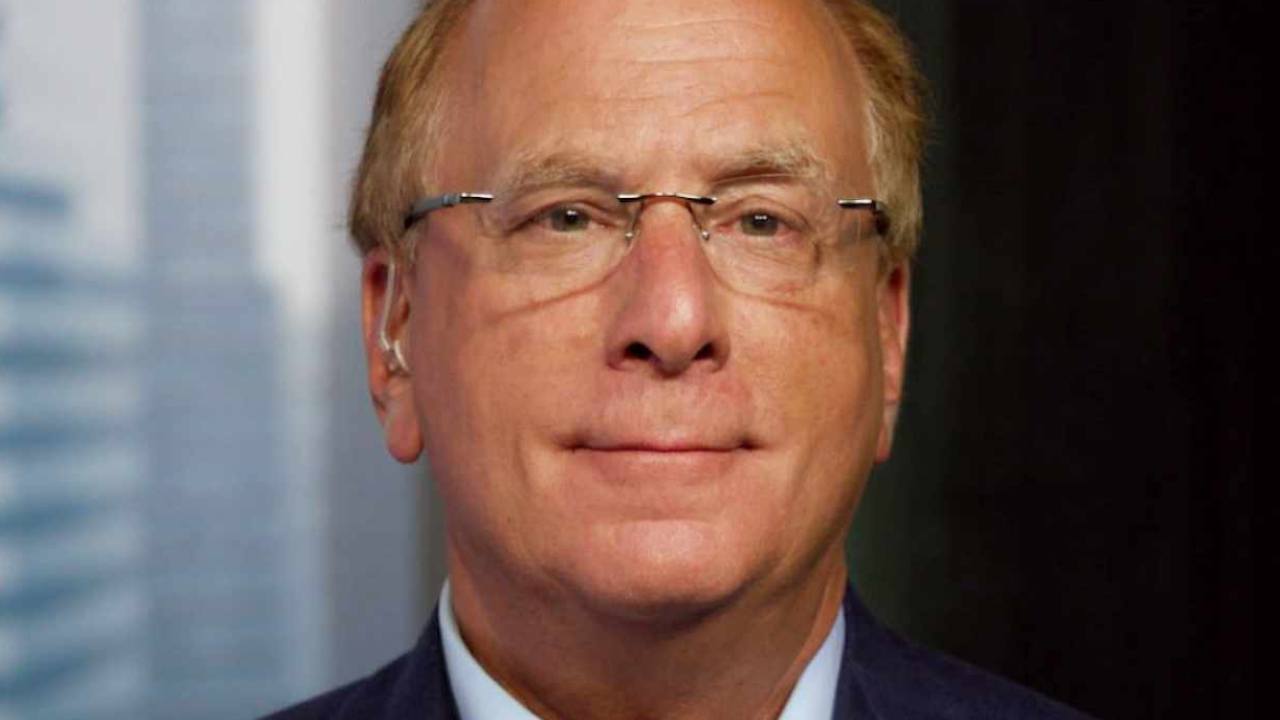
Blackrock CEO Larry Fink said he is bullish on markets, citing early gains from technology-driven margin expansion. He also said the washout of excessive leverage has left bitcoin and the broader cryptocurrency market more stable.Key TakeawaysFink expects a bullish wave of technology-driven productivity and margin expansion to fuel markets over the next 12 months.He said bitcoin and crypto are more stable after a leverage shakeout reduced excessive risk.Overall leverage remains far below financial-crisis levels, though Fink warned that isolated pockets of risk could still surface. Why Larry Fink Is Bullish on Markets Larry Fink, CEO of Blackrock, the world’s largest asset manager, said in a July 15 CNBC interview that he is bullish on markets over the next 12 months. His outlook centers on companies using technology to increase productivity, reduce operating costs, and generate stronger profits. Fink said: “I’m very bullish on the markets over the next 12 months. I think the technological revolution is going to power better margins for more companies.” Addressing concerns about leverage, the Blackrock executive also compared current financial conditions with those surrounding the global financial crisis. “There’s not that much leverage compared to 2008 and 2009,” he said while discussing whether volatility and leveraged investment products in certain markets could become a broader global risk, concluding that overall exposure remains more limited. He clarified: “We don’t see that much implicit leverage. For the scale of the capital markets today, the leverage is not as large.” Nonetheless, he cautioned, “That doesn’t mean there aren’t pockets.” His statement leaves room for concentrated risks in particular assets, financial products, or international markets. It also distinguishes his broad confidence from any claim that every part of the financial system is equally stable. Why Lower Leverage Matters for Bitcoin Fink also commented on bitcoin, focusing on market stability rather than a specific price forecast. He said earlier cryptocurrency cycles contained excessive borrowing and too many leveraged participants. Bitcoin leverage has declined after repeated liquidation events forced exchanges to close overextended long positions during sharp price drops and macroeconomic shocks. Futures open interest fell as institutional investors adjusted their strategies, while many traders shifted from high- leverage perpetual contracts to options for better downside protection. These changes reduced risk, lowered volatility, and supported a more stable market structure. The Blackrock chief said: “I was always worried about the leverage in bitcoin and crypto. There were too many leveraged players in it. That’s why we had to wash out, and I think there’s more stability at these levels.” Fink views the leverage washout as a constructive shift that left bitcoin and the broader crypto market on more stable footing. He did not claim that leverage or volatility had disappeared. Instead, he said reduced dependence on borrowed positions supports greater stability without signaling a price increase. Blackrock’s Tech Surge Fuels Market Optimism Blackrock’s results underpin Fink’s optimism. He said the firm’s margins rose 260 basis points over the past 12 months, aided by greater technology use. During that period, Blackrock added $1 trillion in assets without increasing headcount, demonstrating how technology can drive growth more efficiently. Fink said technology is helping Blackrock process more trades and operations, while AI has accelerated code production alongside its developers. He expects similar gains across corporate America to lift margins and support markets. His bullish outlook depends on whether those productivity gains continue translating into stronger earnings. For bitcoin, Fink’s comments suggest that maintaining lower leverage could help preserve the greater market stability he described.
Blackrock CEO Larry Fink 'Very Bullish' on Markets as Bitcoin Stabilizes
Blackrock CEO Larry Fink said he is bullish on markets, citing early gains from technology-driven margin expansion. He also said the washout of excessive
580 words~3 min read