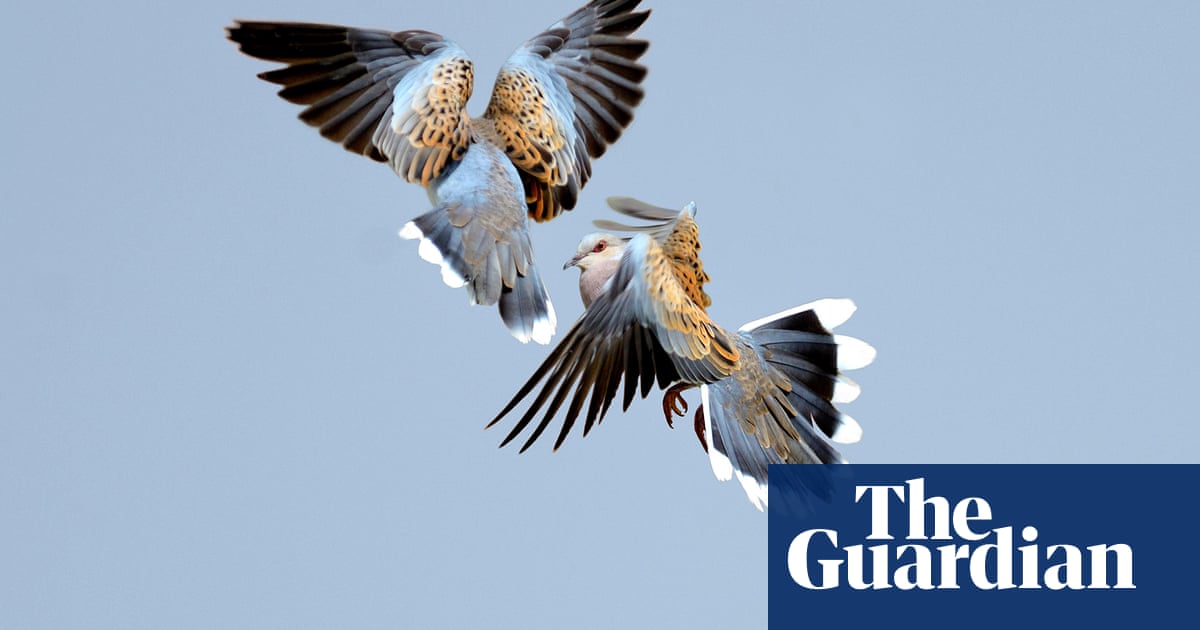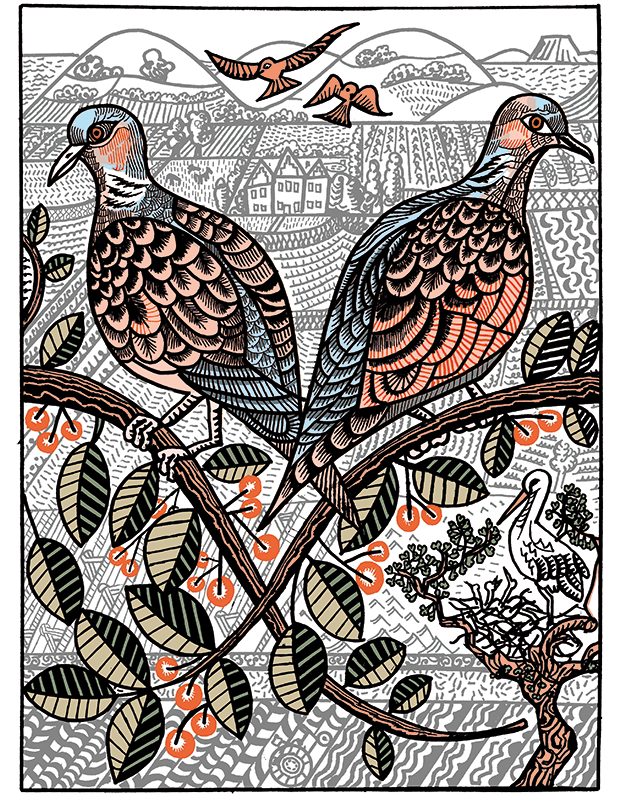
In the latest success story for reintroducing species to the British countryside, turtle doves, reared in captivity and released at three locations in Somerset and Devon last year, have returned to breed. Turtle doves have steeply declined in numbers, hanging on in the south and east of the country, but this scheme opens a new front in the battle to save the species as a British summer visitor.
In May 2025, 244 captive-bred turtle doves were set free across three sites. Like others of their species, they spent the winter in Africa but a handful found their way back to south-west England this summer.
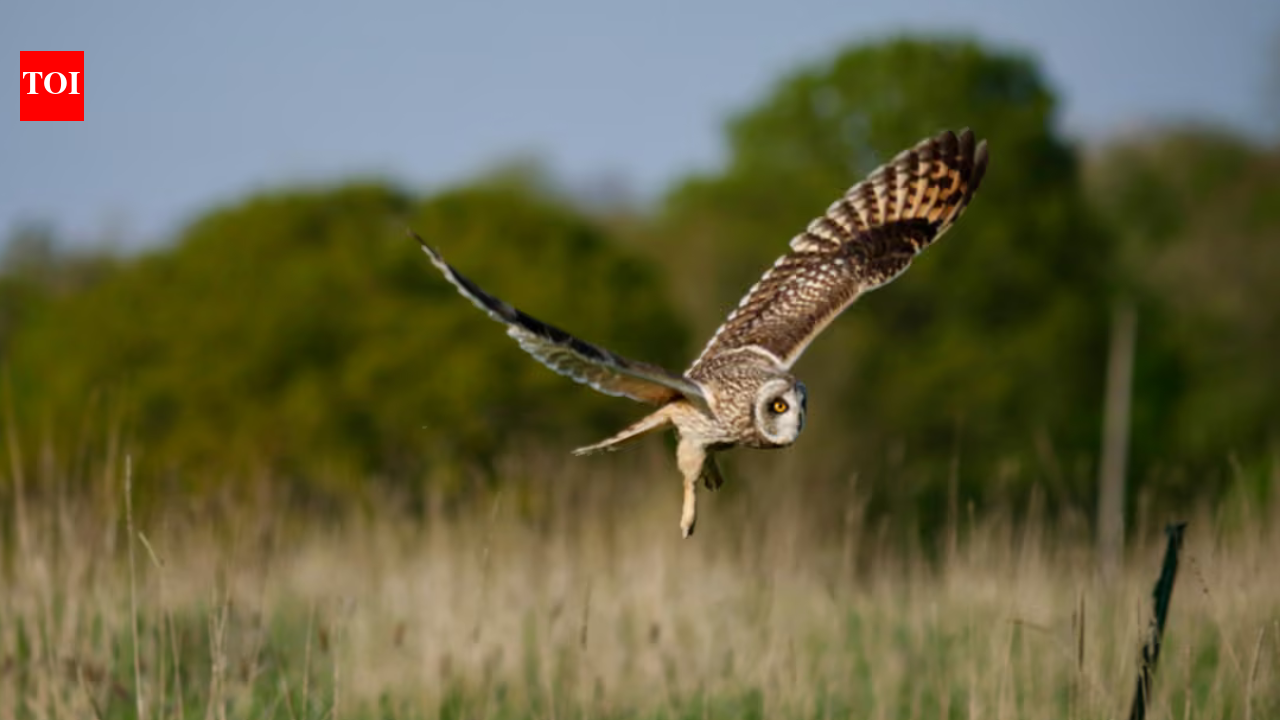
Reintroductions like this are now all the rage among conservationists because it is a policy that can have spectacular results. Red kites, sea eagles, cranes and storks have returned to throng British skies after becoming extinct (or nearly so in the case of kites). Golden eagles have expanded their range in southern Scotland and black grouse in the North York Moors as a result of reintroductions from other parts of Britain.
I once took a paleo-ecologist for a walk on my farm and he exclaimed: ‘This is crying out for a megafauna’
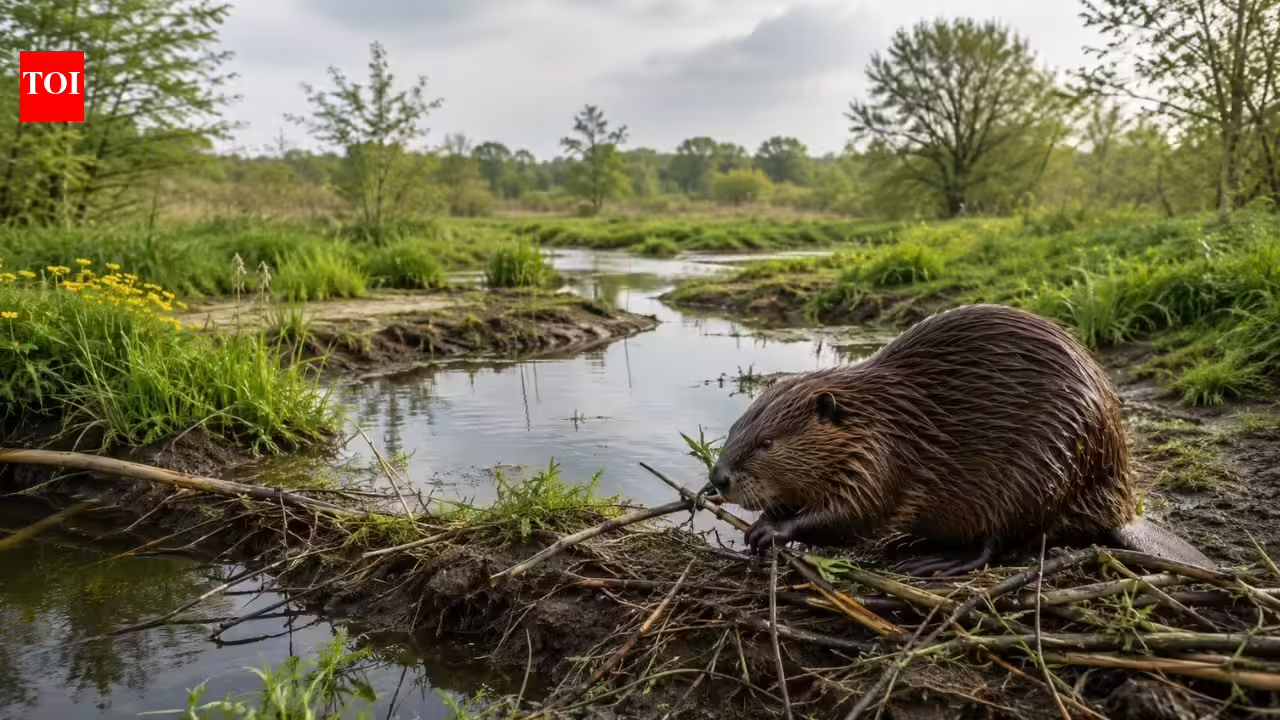
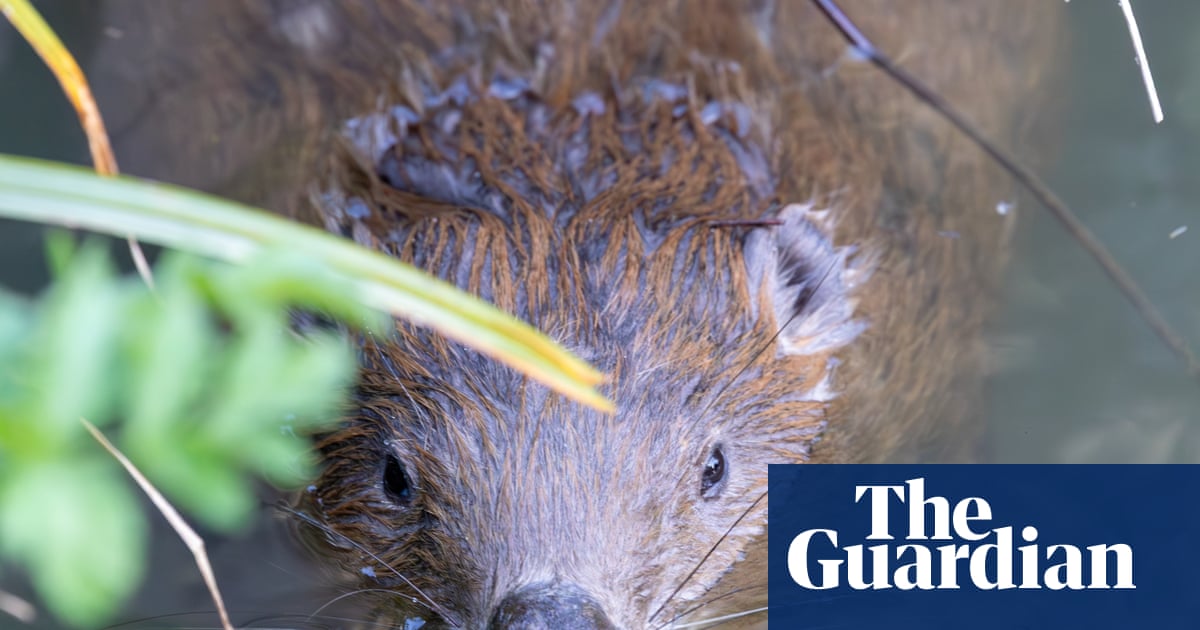
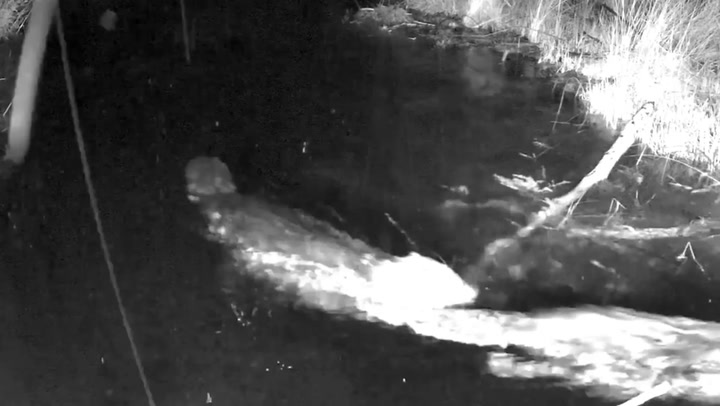
Plus, of course, in the world of mammals, wild boar are rampaging through the Forest of Dean, beavers are being released all over the place, pine martens are being moved into new areas and there’s talk of lynx. Nor is the reintroduction craze confined to vertebrates. The large blue butterfly went extinct in Britain in 1979 but was brought back four years later and currently survives at 33 sites across the south of England.