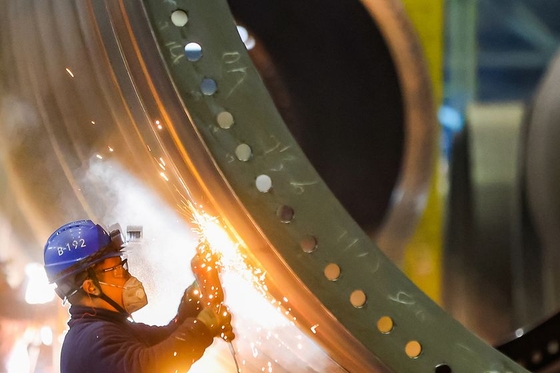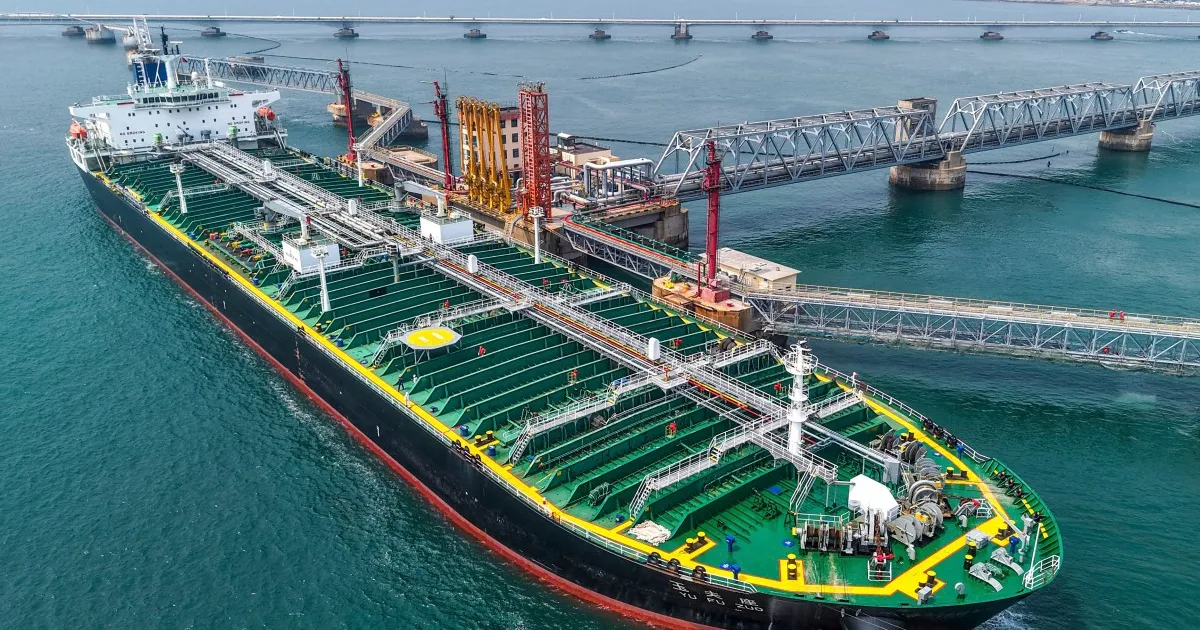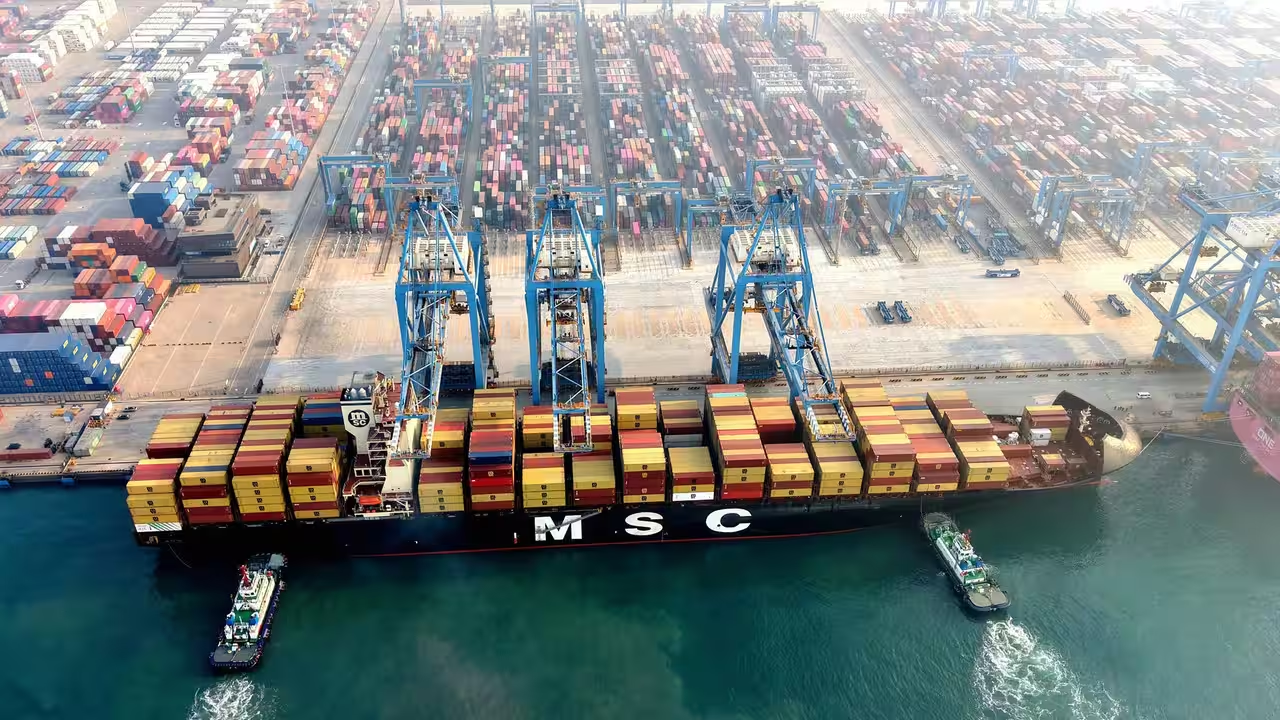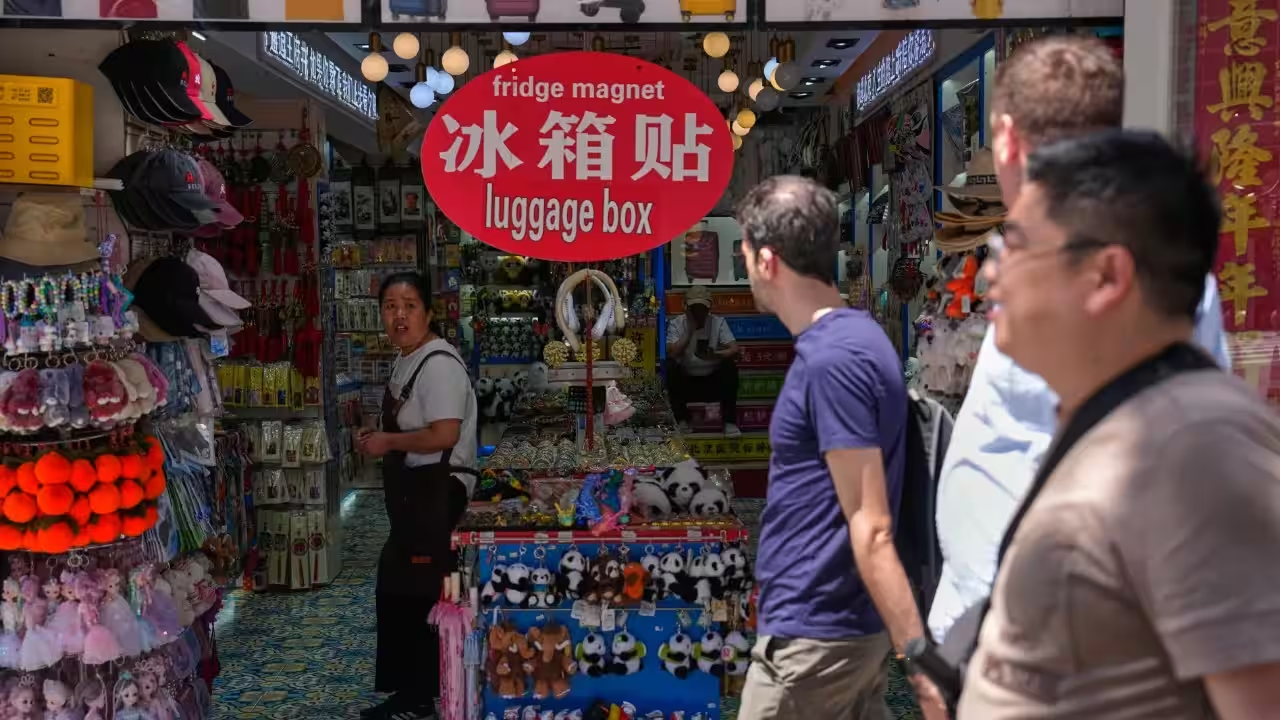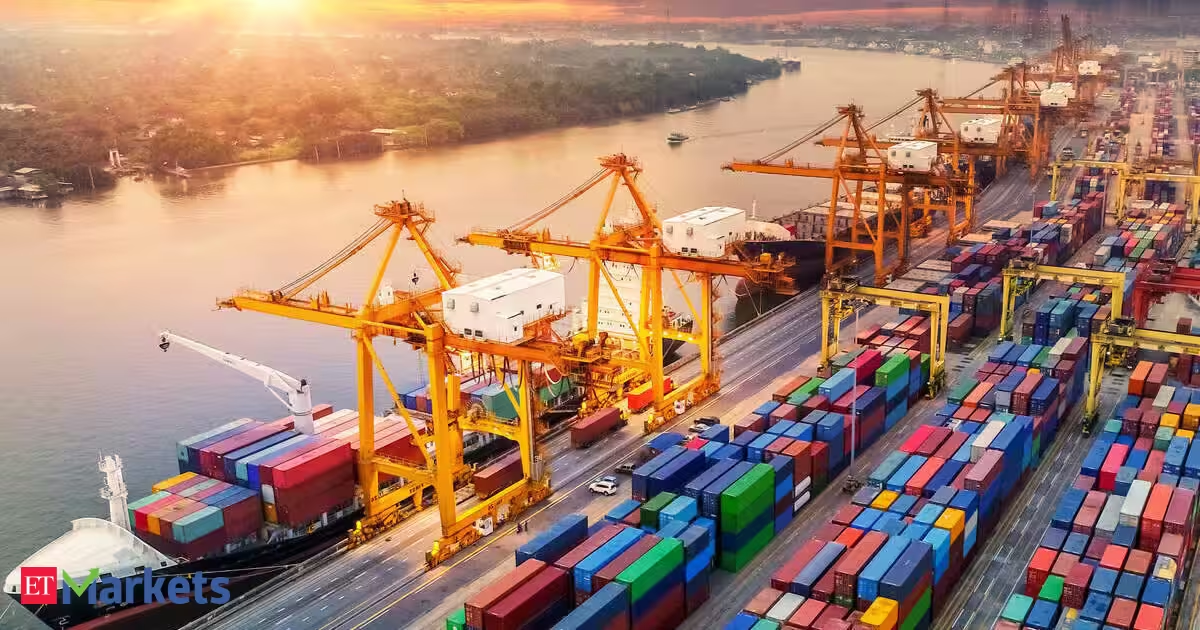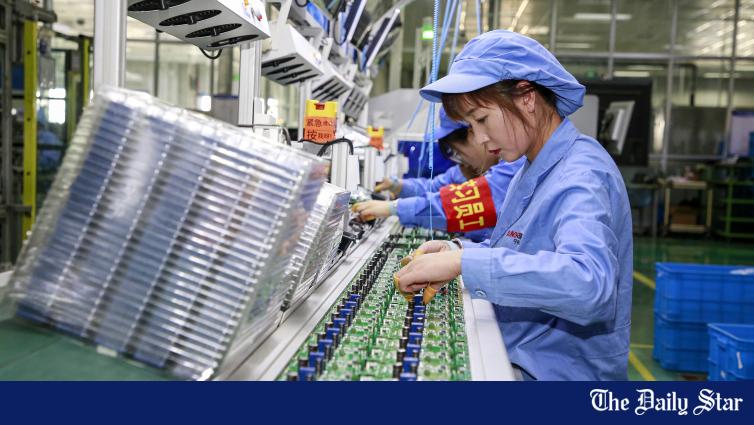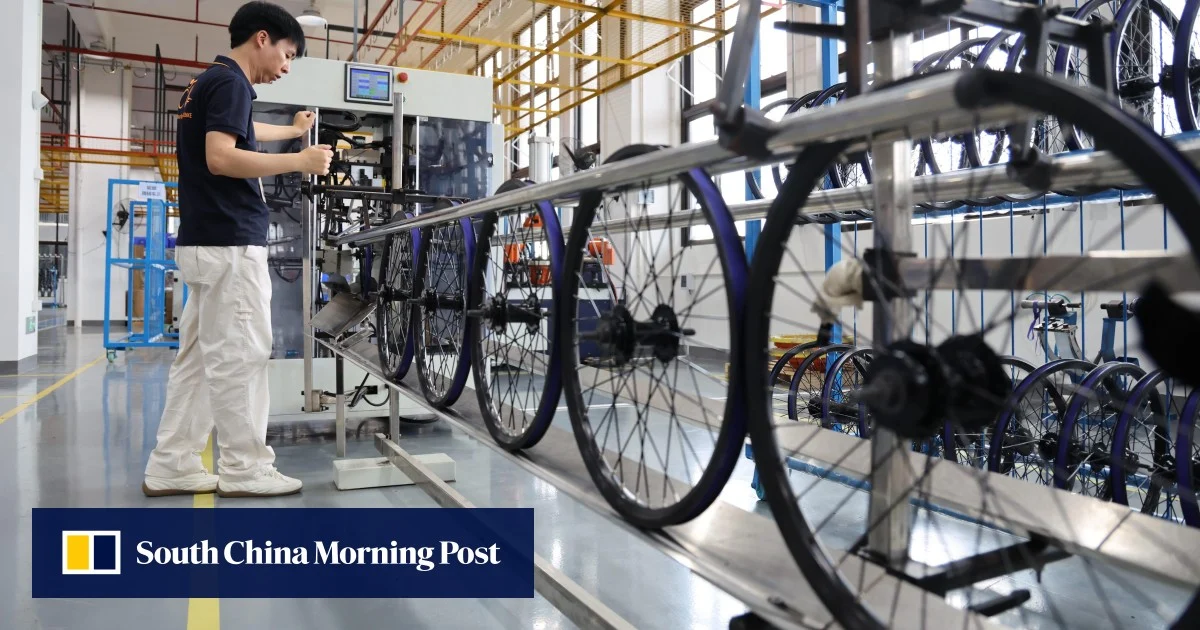
China’s latest trade and gross domestic product figures reflect a polarisation of its economic development. Reports of a stronger-than-expected trade performance were followed by news of lower-than-expected economic growth.Worryingly, this shows that the Chinese economy has become even more dependent on exports while the domestic economy has not maintained growth in parallel.Domestically, this can be expected to lead to calls for stimulus to lift consumption. Externally, it is bound to fuel debate about so-called Chinese overcapacity.That might not be the right word for it, but the gist of the discussion is that too many resources have gone into strengthening manufacturing, particularly for export, and not enough into raising consumption, making it harder for foreign brands to sell in the Chinese market even as Chinese products become extremely competitive abroad. As a result, China exports more and more.The overcapacity theory may be debatable but the sentiment in the West is very real. Beijing cannot simply shrug it off because, structurally speaking, the country needs to find a better balance between exports and consumption. More importantly, China also needs to consider how sustainable this imbalance is for its own balanced development.Some scholars would argue that the economy’s structural transformation is taking place in phases. The so-called emerging – hi-tech – industry is growing fast, while traditional sectors like property and industry are still recovering from earlier overinvestment.
Opinion | China’s economy on the right track despite polarised economic data
With better-than-expected trade figures being followed by lower-than-expected GDP growth, Beijing will have to consider how to strike a balance.
225 words~1 min read