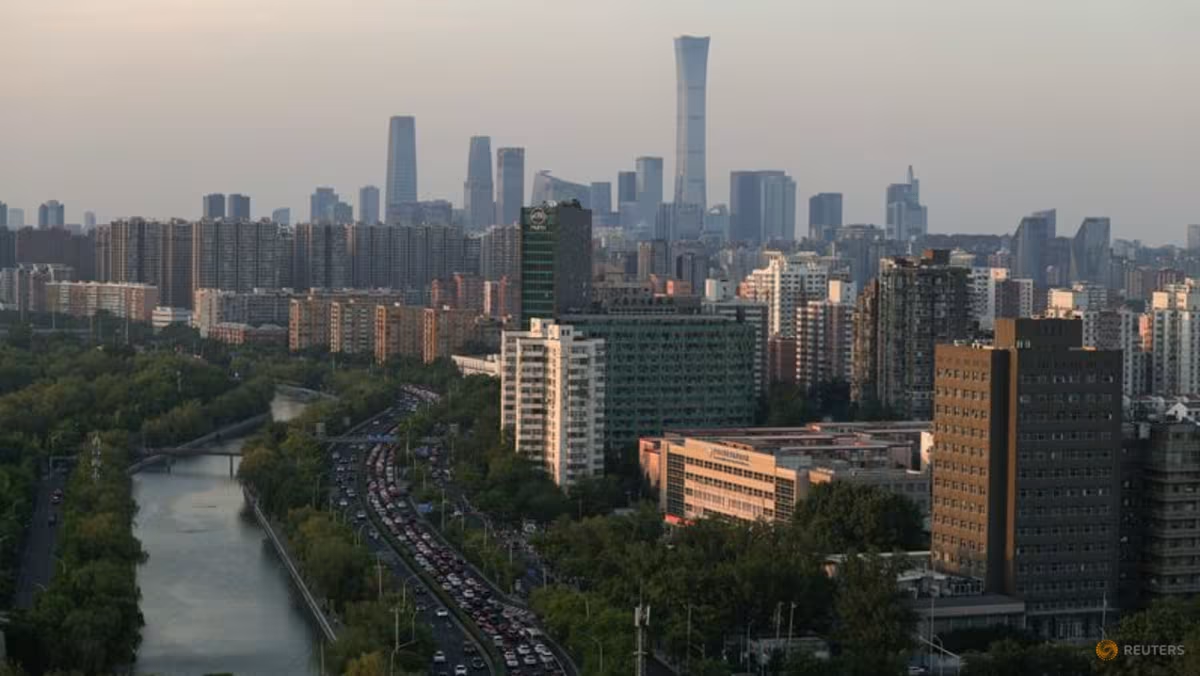
A view of the city skyline in Beijing, China, on May 11, 2026. (File photo: Reuters/Tingshu Wang)
15 Jul 2026 01:53PM
(Updated: 15 Jul 2026 01:56PM)
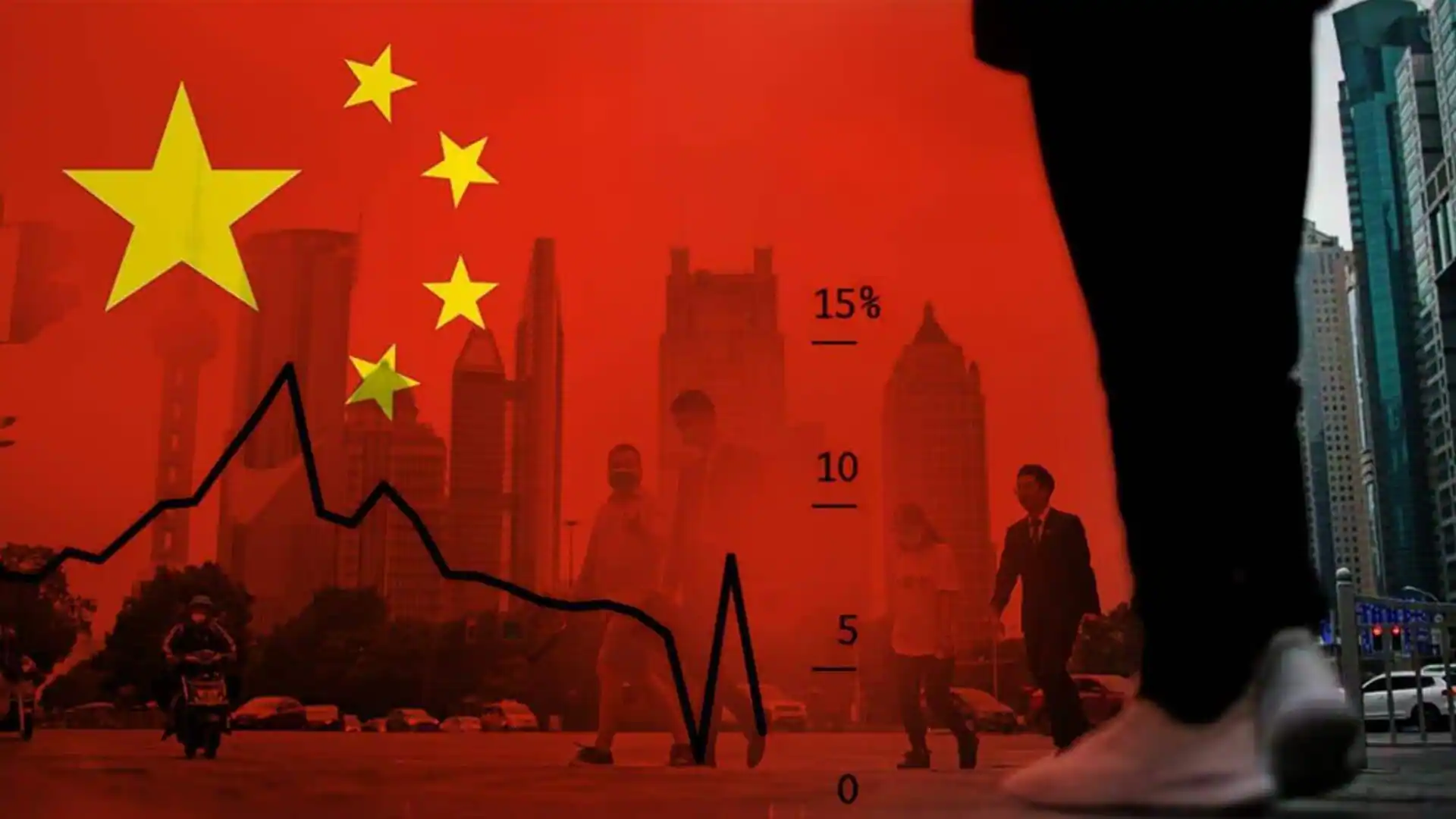
BEIJING: China's economy expanded at its slowest pace in over three years in the second quarter, with weak household consumption clouding strong manufacturing and exports and intensifying concerns over the long-term sustainability of its unbalanced growth model.At 4.3 per cent, gross domestic product growth in April to June eased from the first quarter's 5 per cent, landing below the lower end of China's 4.5 per cent to 5 per cent full-year target and missing forecasts.Attention is now turning to the Communist Party Politburo's closely watched meeting later this month, where top leaders typically assess economic conditions and adjust policy settings to keep growth on track.Yet many economists argue the bigger challenge is not the pace of growth but its composition.
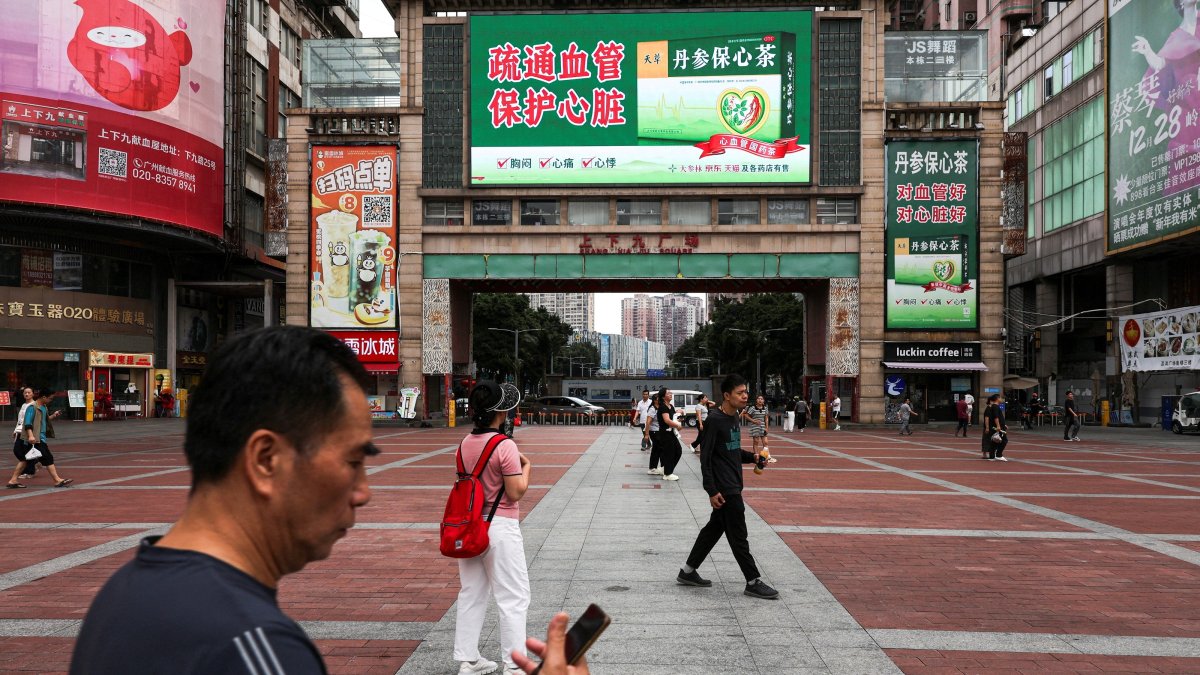
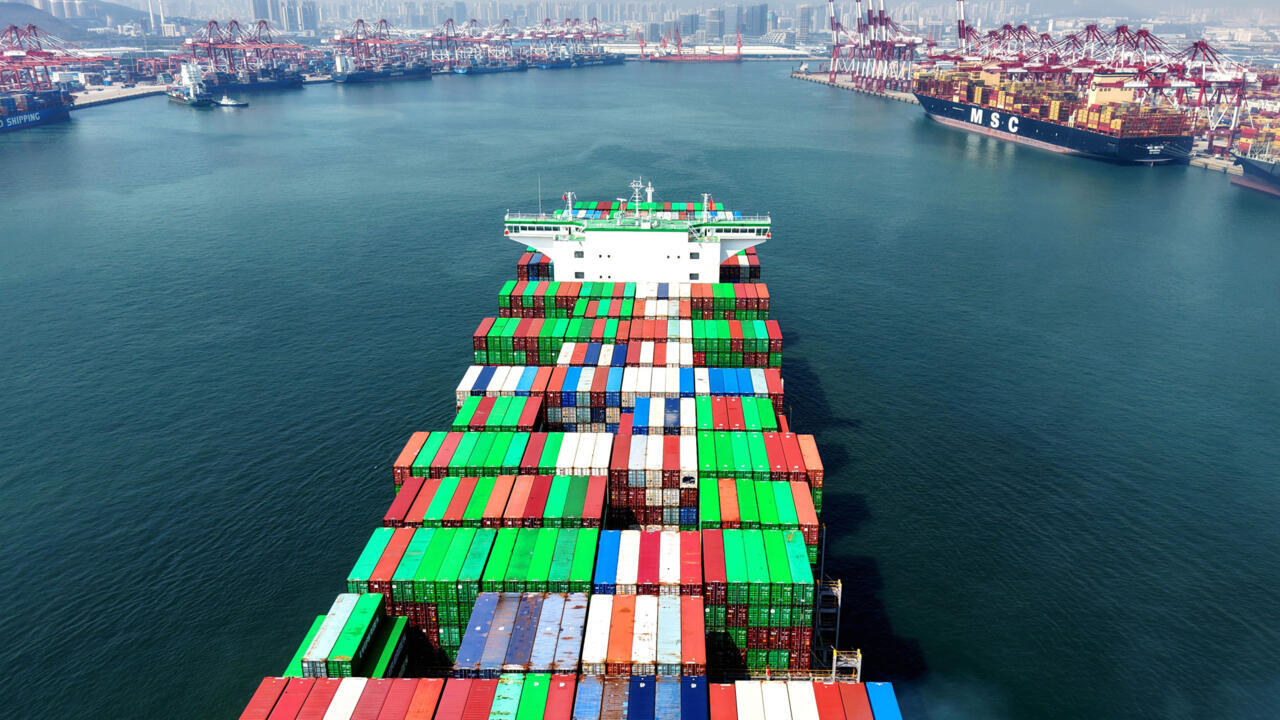
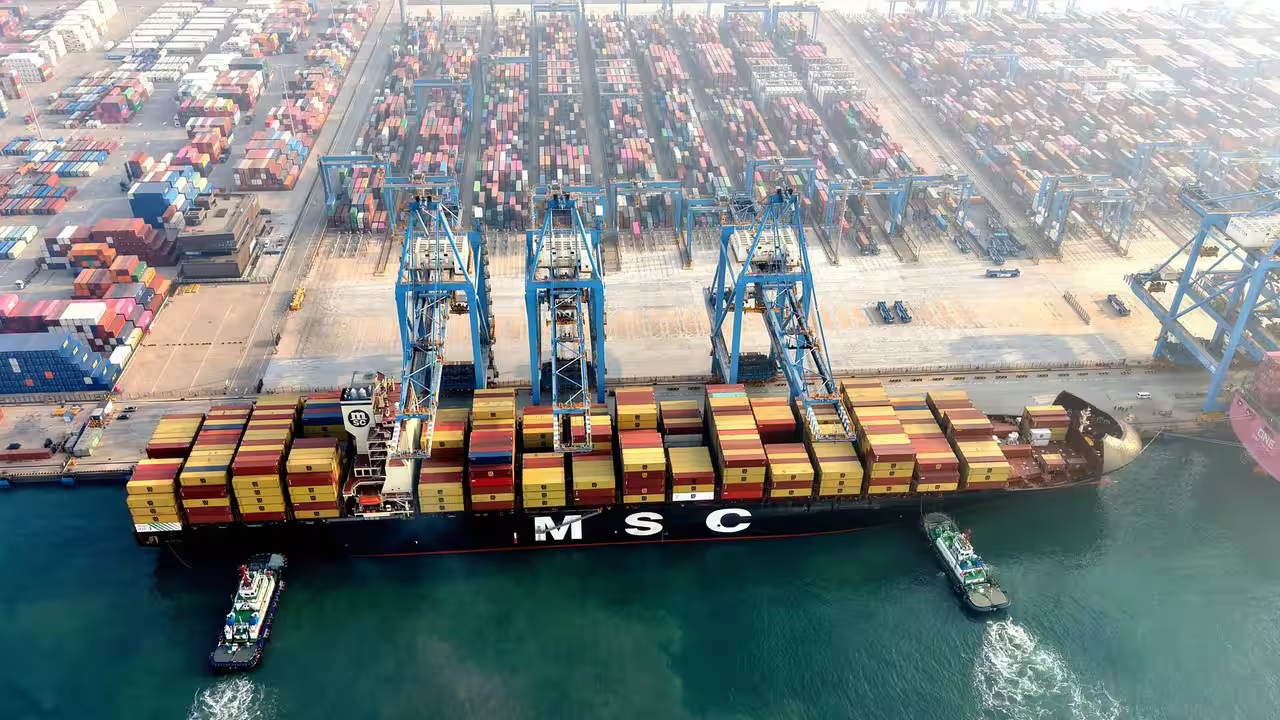
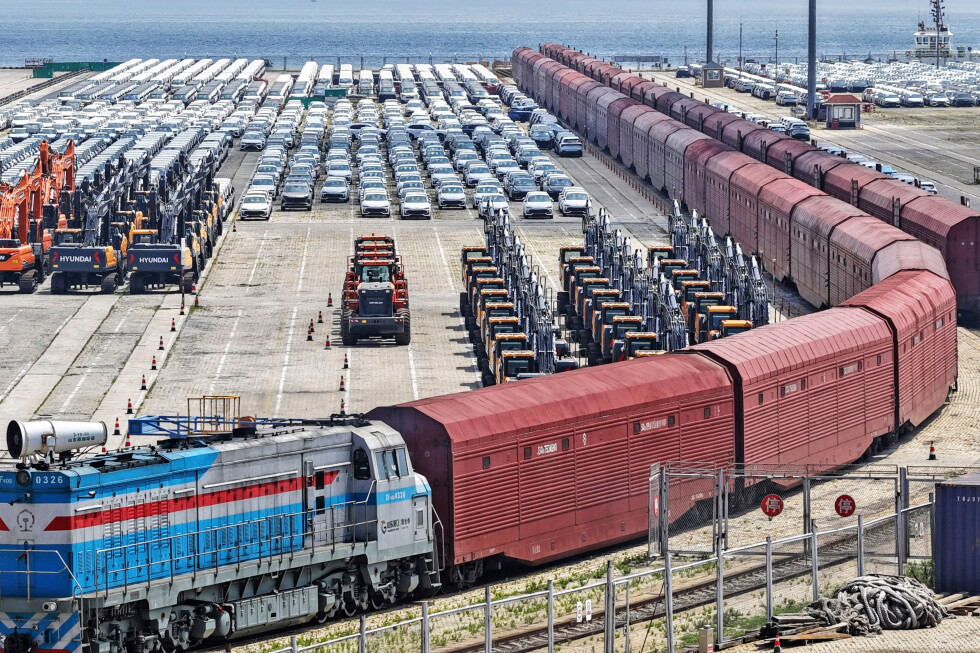
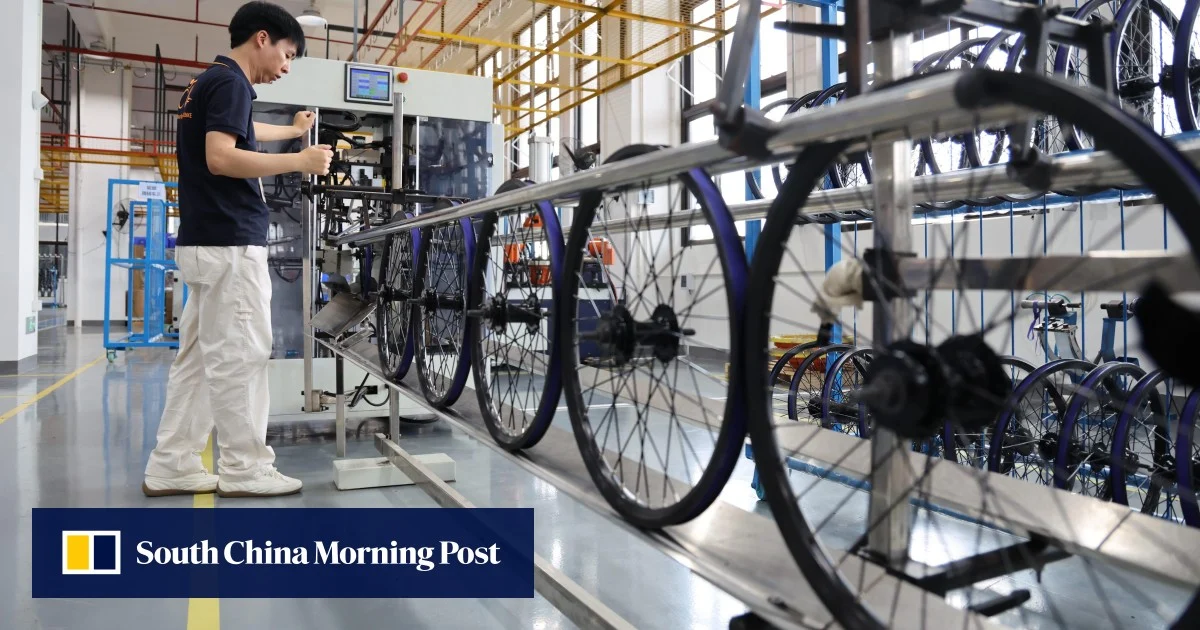
Wednesday's data showed retail sales rising 1 per cent in June and industrial output expanding 5.3 per cent - suggesting an overwhelming reliance on global demand for manufactured goods at a time when trading partners are complaining about China's imbalances and the Iran war weighs on the world economy.Jane Hou, who runs a European goods importing business in eastern China, says her income has roughly halved since the beginning of the year as her firm's sales have dropped. An apartment she rents out has been without a tenant for more than six months - a reflection of China's huge housing oversupply and a prolonged property crisis."Apart from necessary spending on food, I save on anything I can," said Hou. "I haven't bought a single piece of clothing in six months."Still, the economy grew 4.7 per cent in January to June, within target, reducing urgency for major stimulus.Zhiwei Zhang, chief economist at Pinpoint Asset Management, doubts that the Politburo meeting will signal a wider fiscal deficit, given that exports for now remain strong."The government seems reluctant to spend fiscal resources and build up debt," said Zhang."There is a general consensus among policymakers and researchers that China need to boost domestic demand. But there is no consensus how to do it."