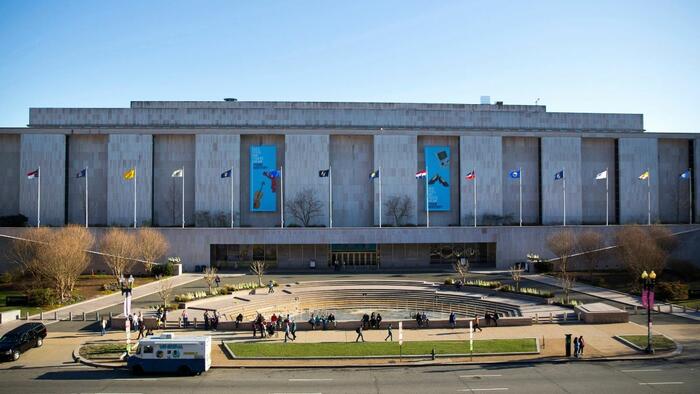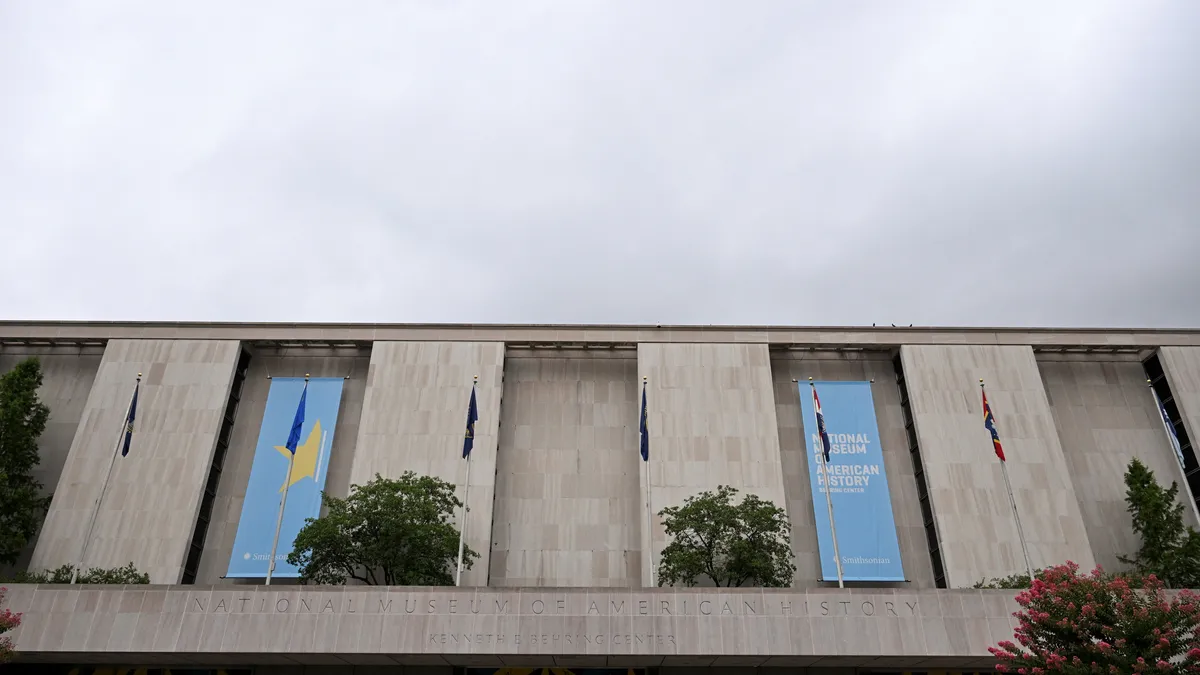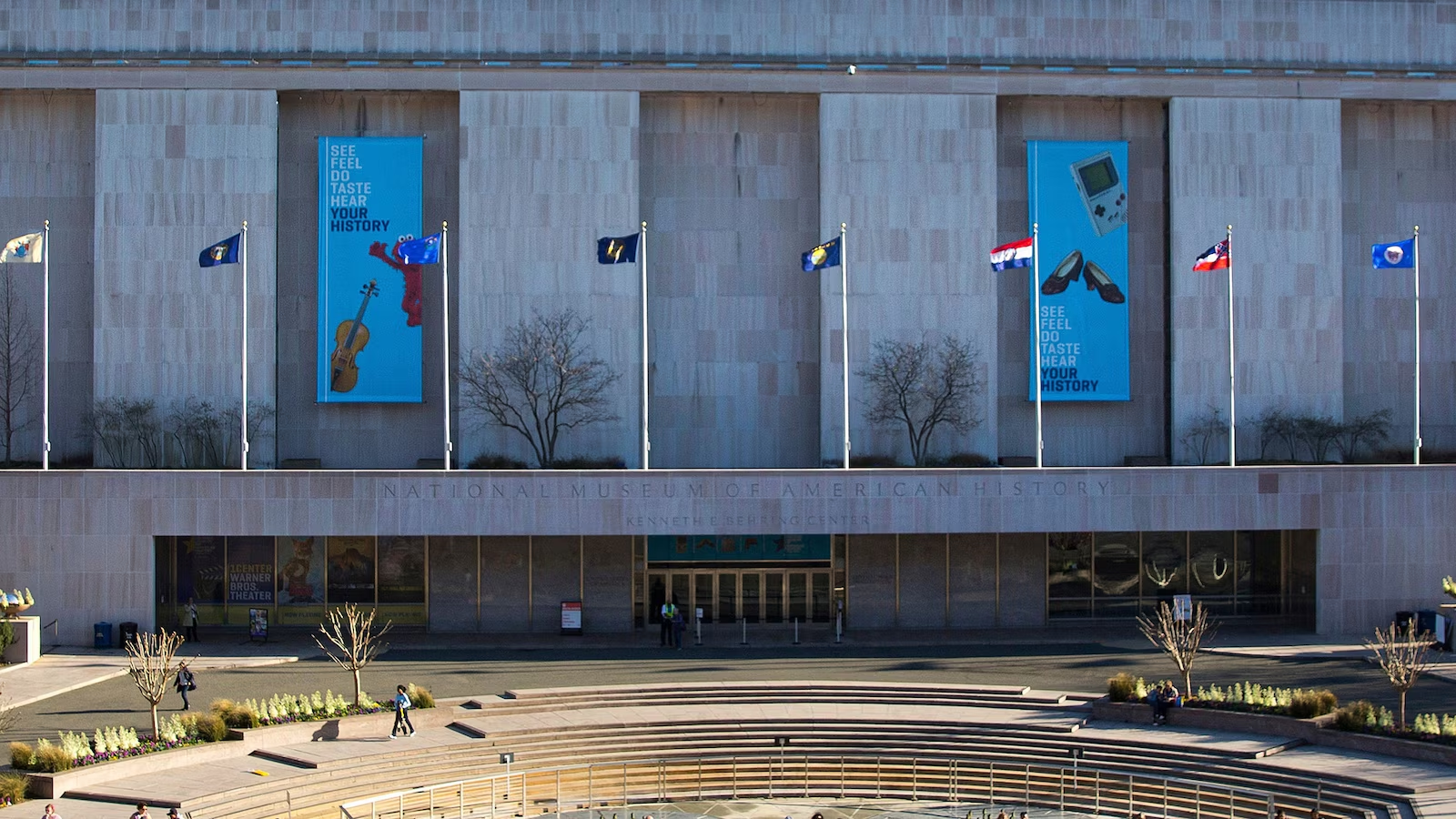
EXCLUSIVE — On July 4, the White House issued a scathing report on the Smithsonian Institution and how its National Museum of American History presented America as a shameful society in need of a systemic overhaul. A 2022 video presentation by four museum leaders reveals how deeply committed they are to this viewpoint.The presentation reveals that NMAH leadership views America as a place of “national horror and pain,” comparable to Nazi Germany, apartheid South Africa, and the Latin American dictatorships of the 1970s and ‘80s. The NMAH has three conceptual plans to guide staff through using the museum for national transformation, one of which is the “decolonization plan.”The leaders also openly discuss how they use the NMAH — which the public has entrusted to them to ensure the transmission and thus continuity of American culture — to support illegal immigration, open our borders, and upend the concept of citizenship.
These leaders reveal, in their own words, that they see the world in terms of power dynamics, who has power and how to wrest it from them, and how to “dismantle the narrative” of the United States — all deeply Marxist and Gramscian constructs.Lastly, the NMAH is used, through educational materials that reach millions, to promote the LGBT agenda and Marxism to kindergarteners.The four individuals who took part in the presentation were Anthea Hartig, the NMAH’s director, or chief leader, and a main focus of the White House report; Patricia Arteaga, program coordinator at the NMAH’s Center for Restorative History; Modupe Labode, curator, NMAH Division of Cultural and Community Life; and Orlando Serrano, Manager of the NMAH’s youth and teacher programs. All four are mentioned in the White House report.The call was moderated by Ms. Hartig. It appears this presentation has not been written about yet. It has 127 views.Ms. Hartig opened the conversation with a fulsome land acknowledgement that thanked three separate Algonquin tribes “for the opportunity to work in this territory.”Hartig then explained the three plans: the collections plan, the interpretive plan, and the decolonization plan, and how they fit into the overall mission statement that Hartig created in 2019. That is when she was appointed and scrapped the old mission statement, which removed the words “American History” to “get out of the ‘America First’ Mentality.”The new mission statement is “to create a more just and compassionate future by exploring, preserving, and sharing the complexity of our past.”The collection plan starts by trying to understand “what the power of our collections are, where that power lies, who’s created that power, how is that shared, and then really how are they brought into utility.”