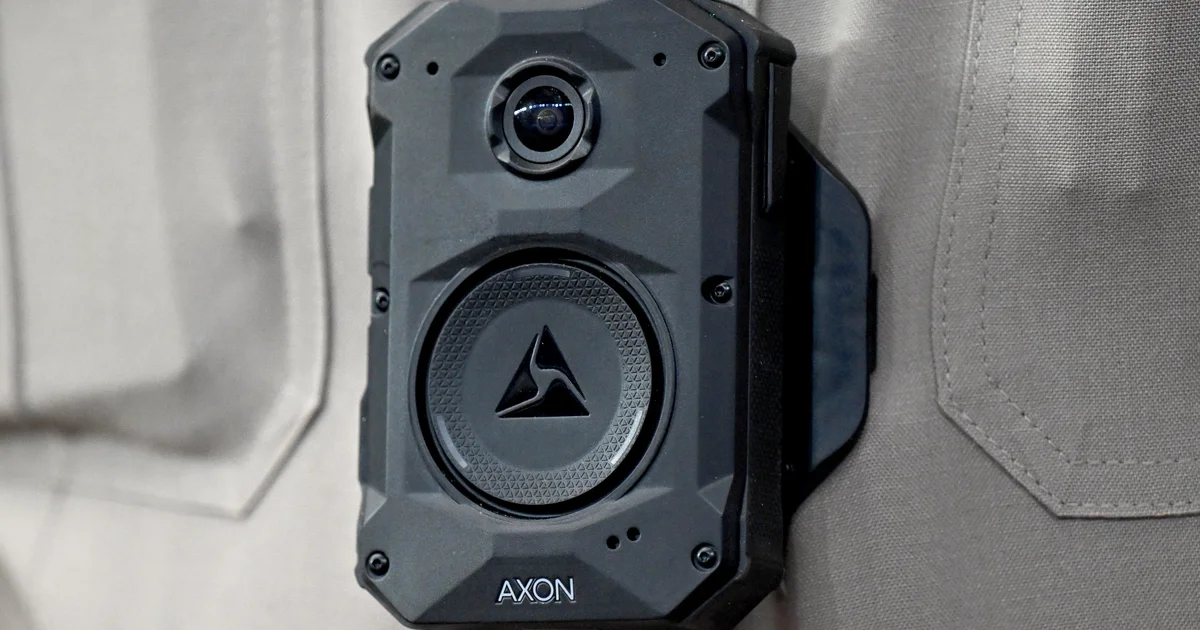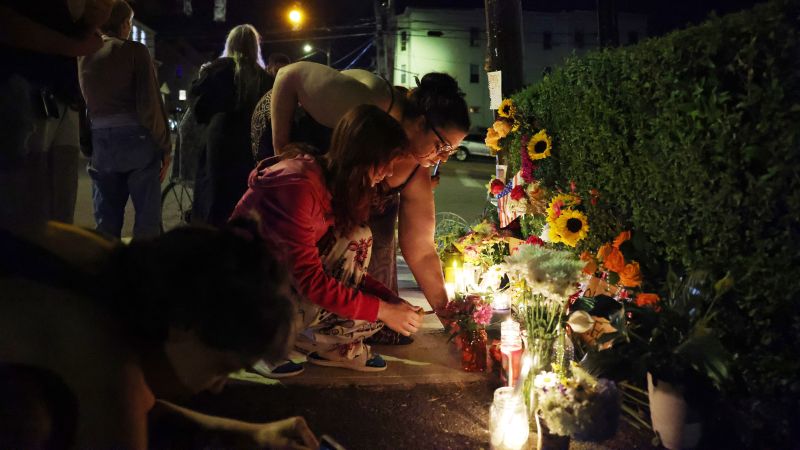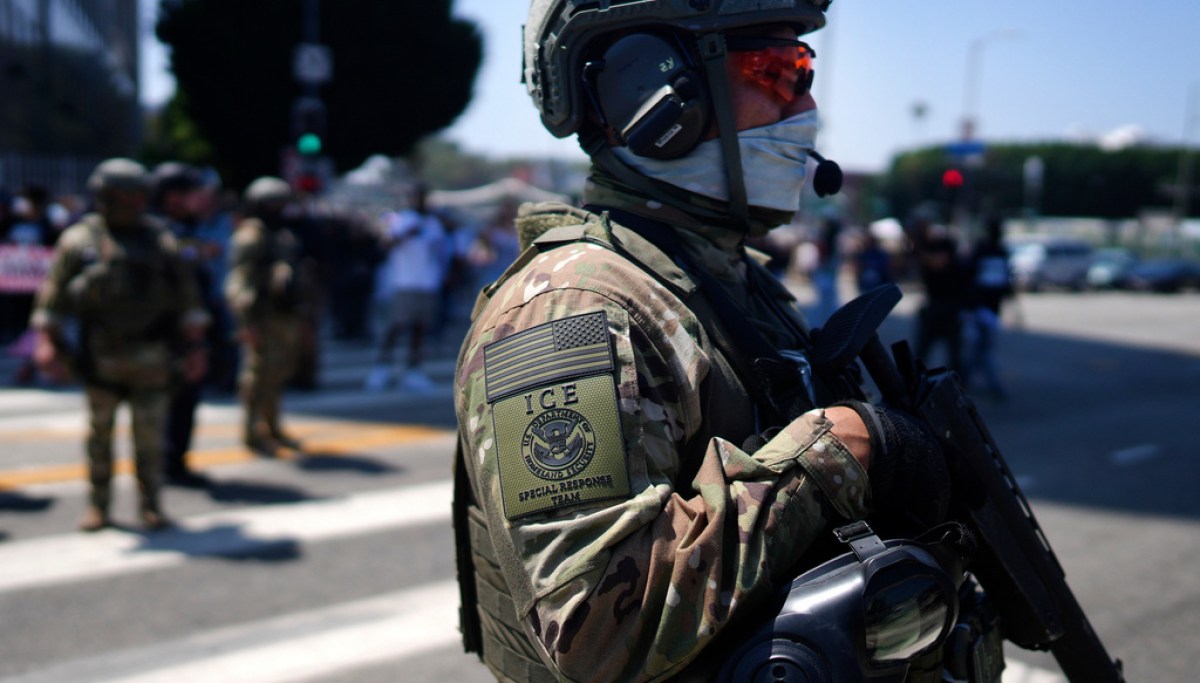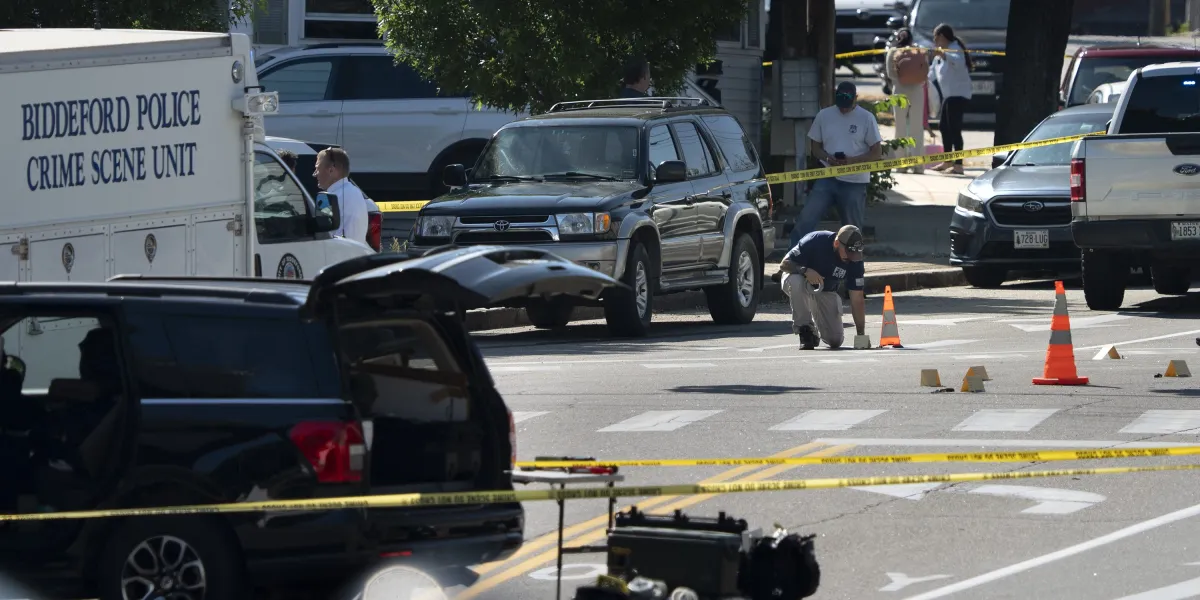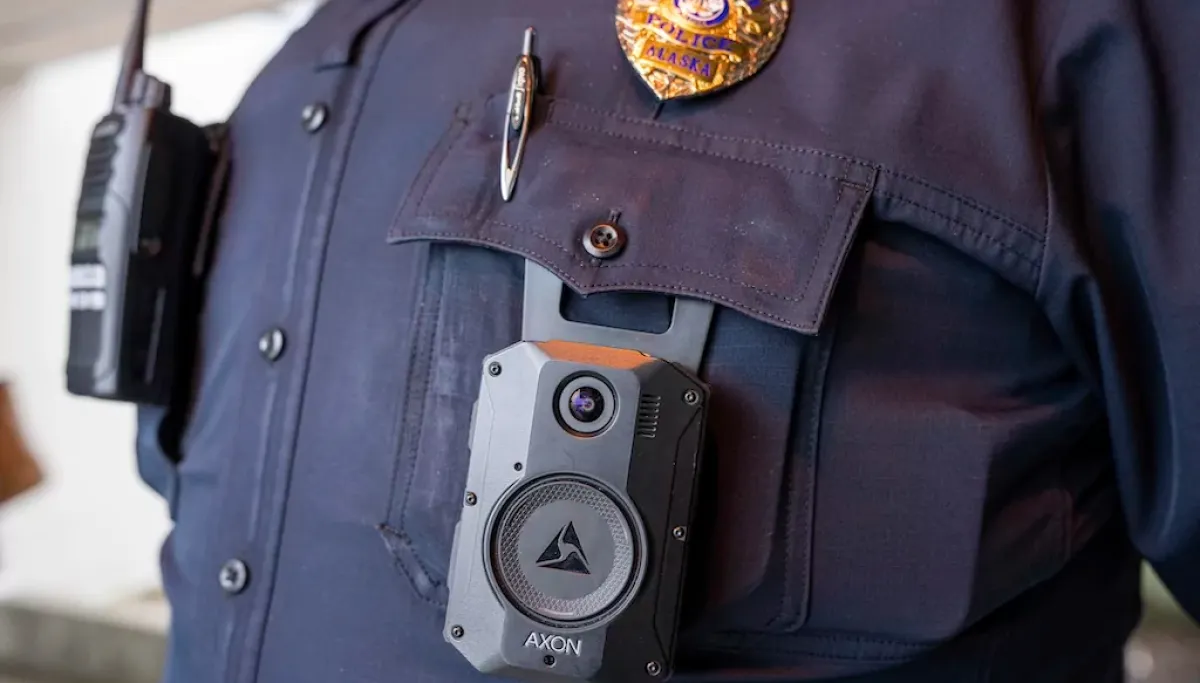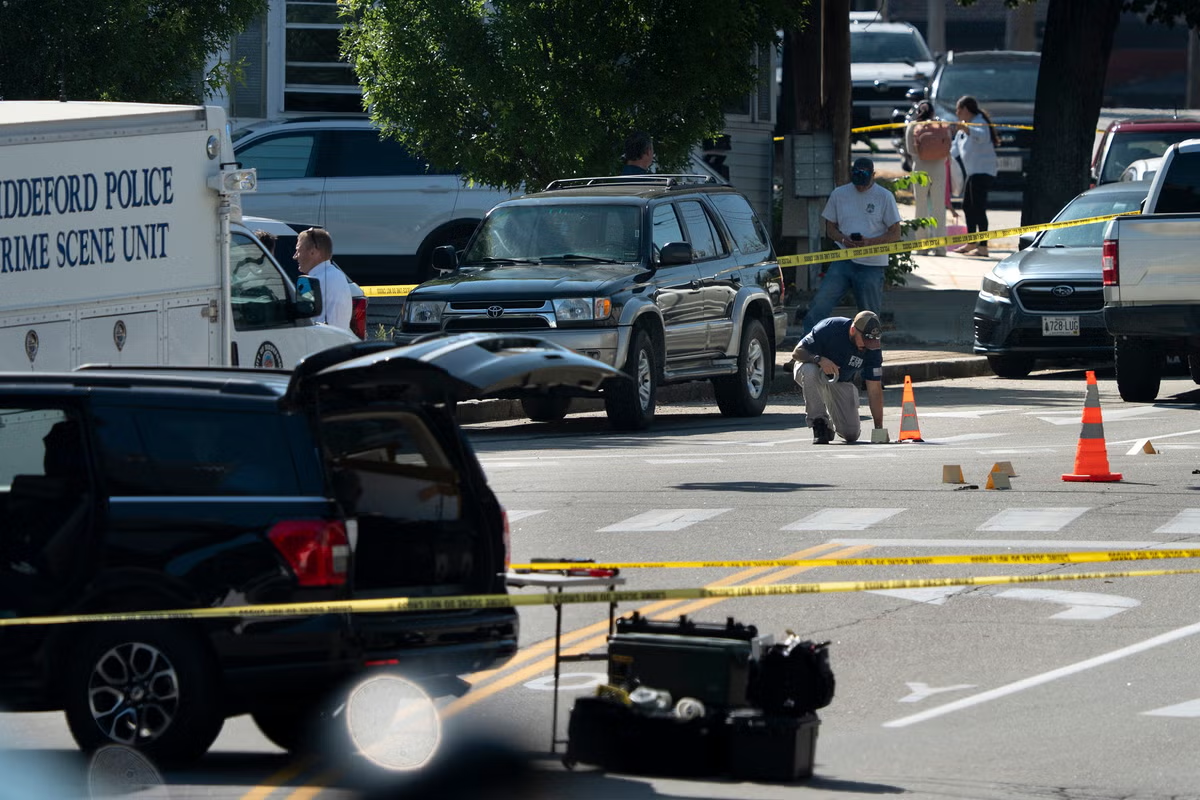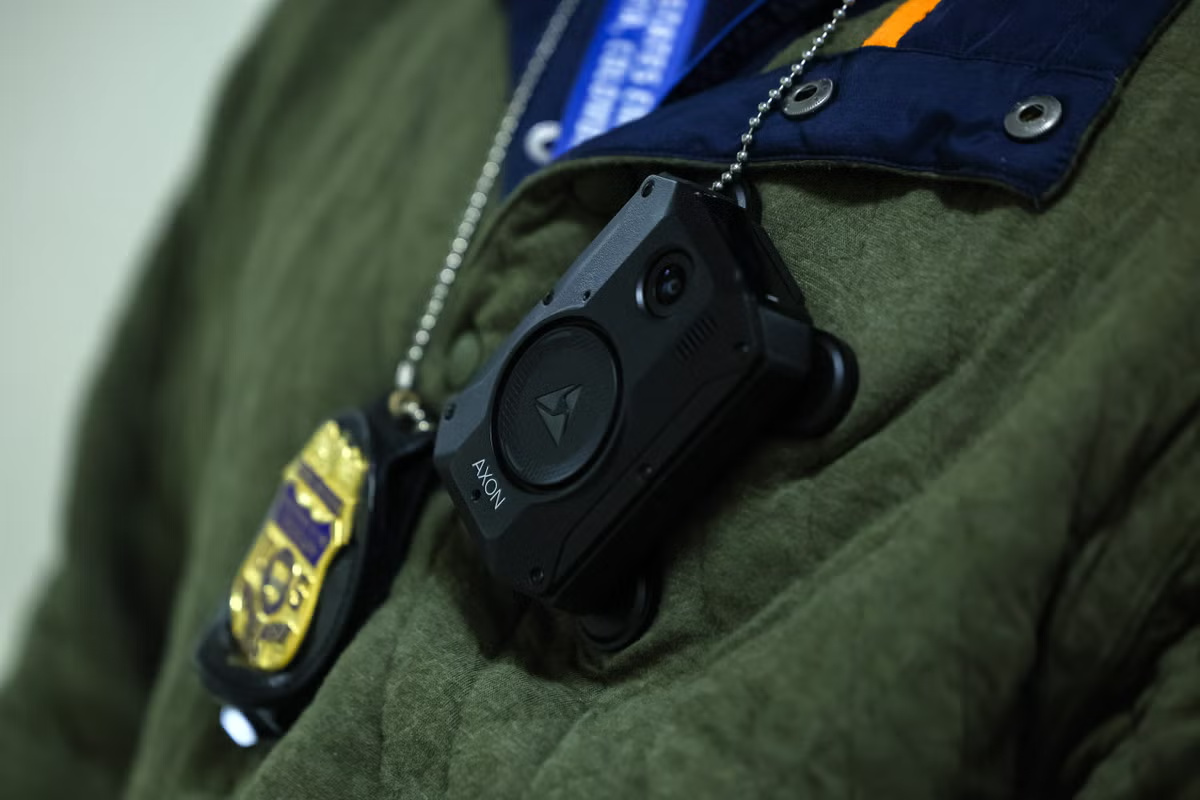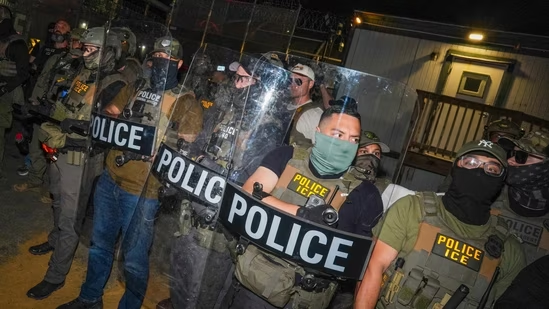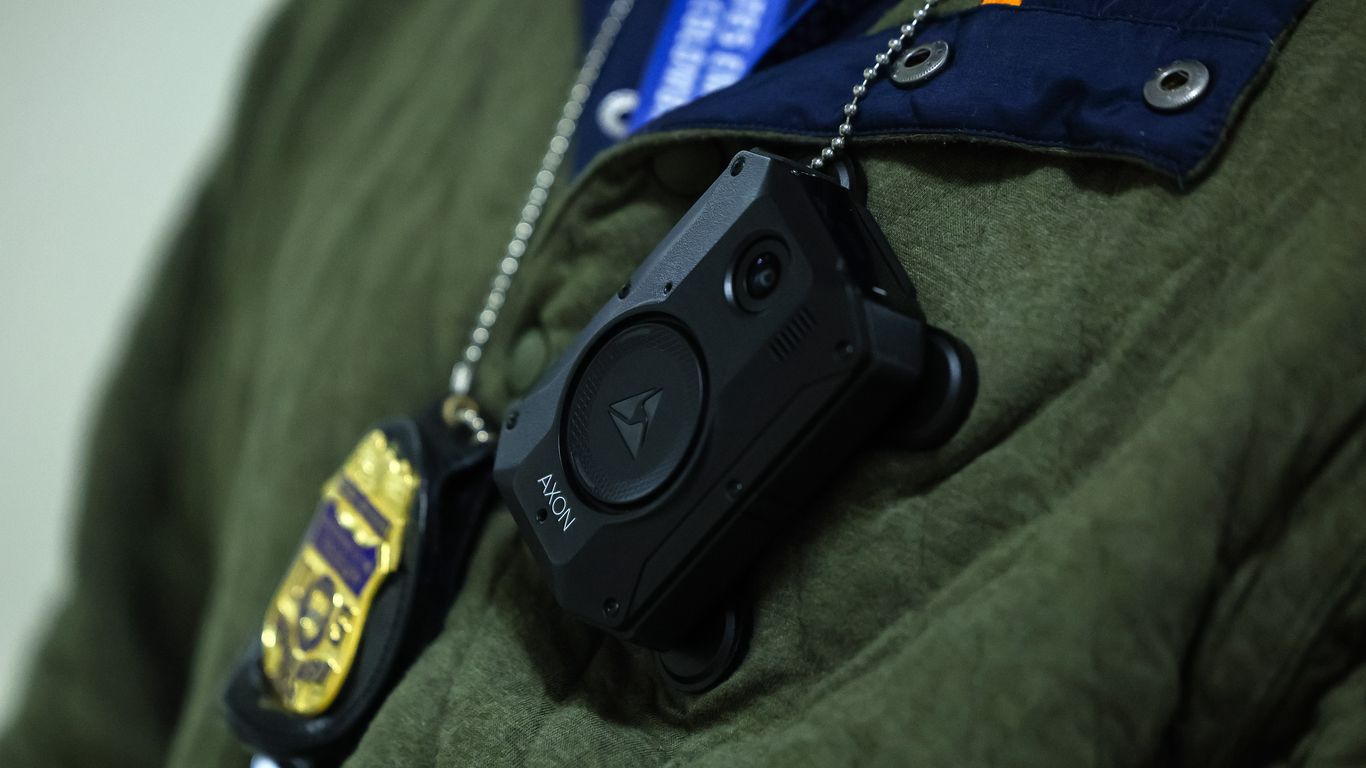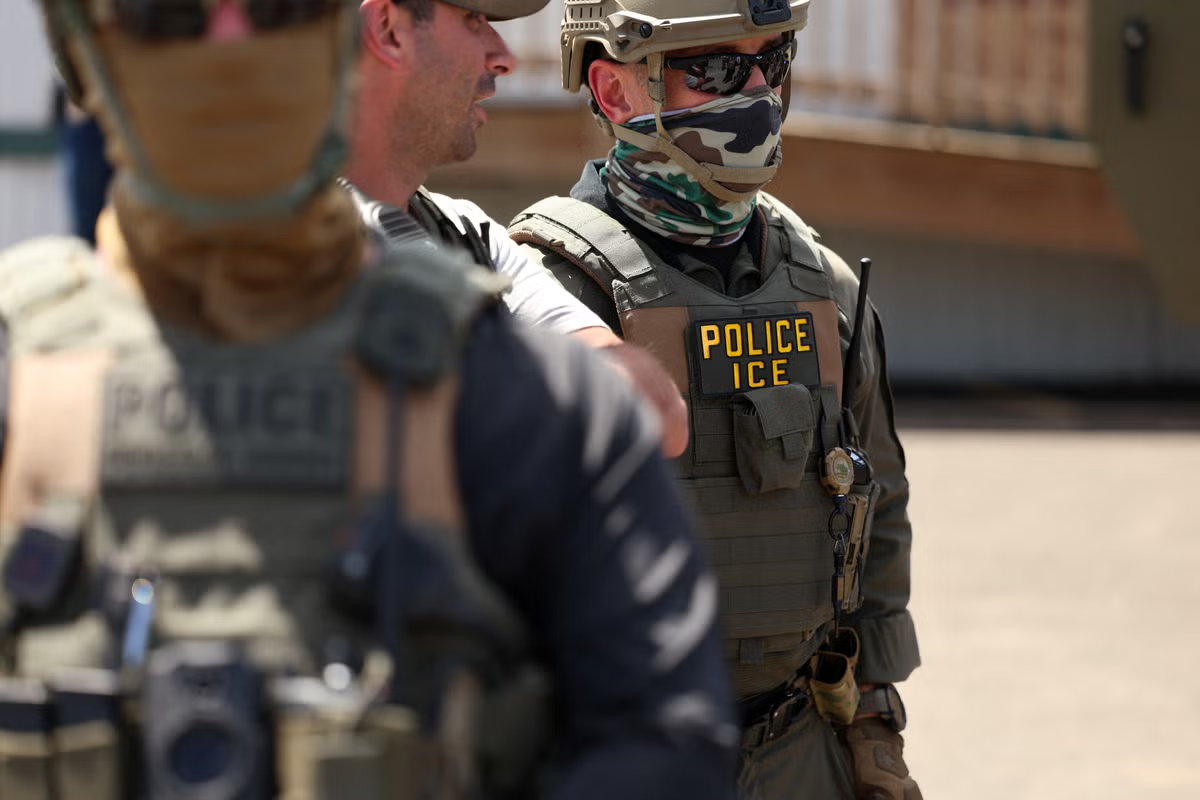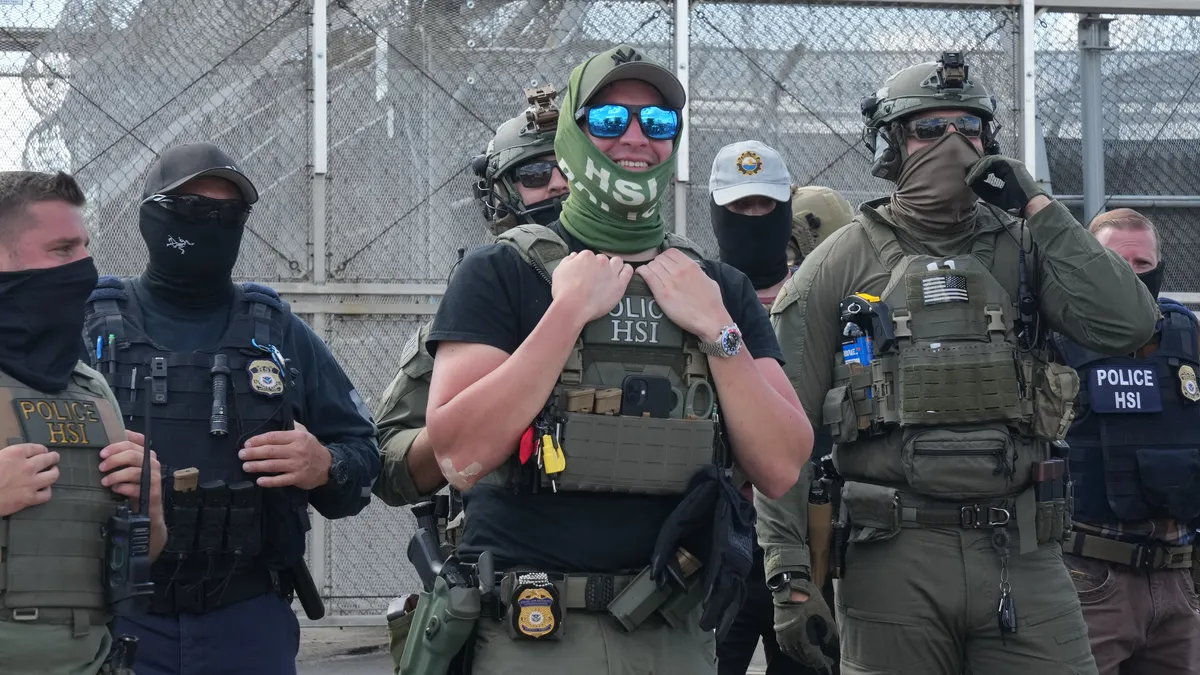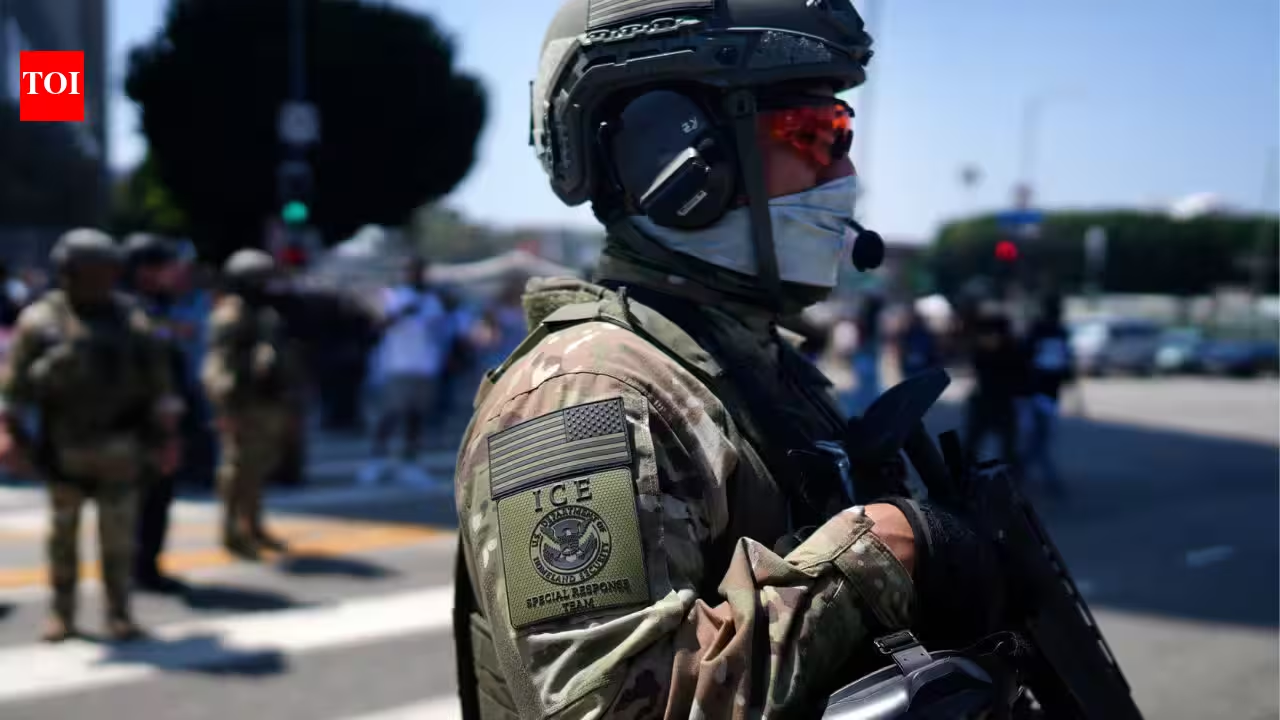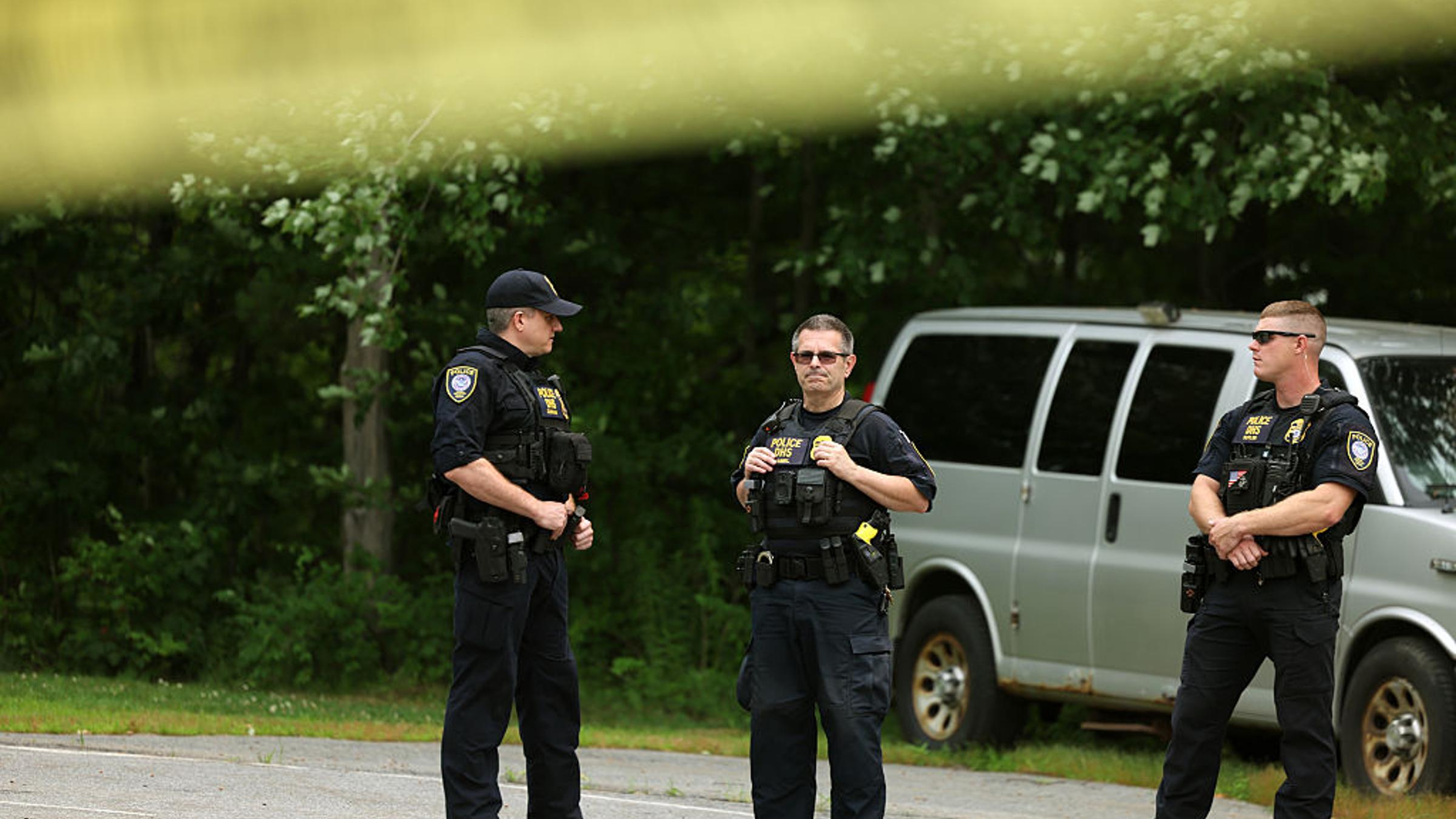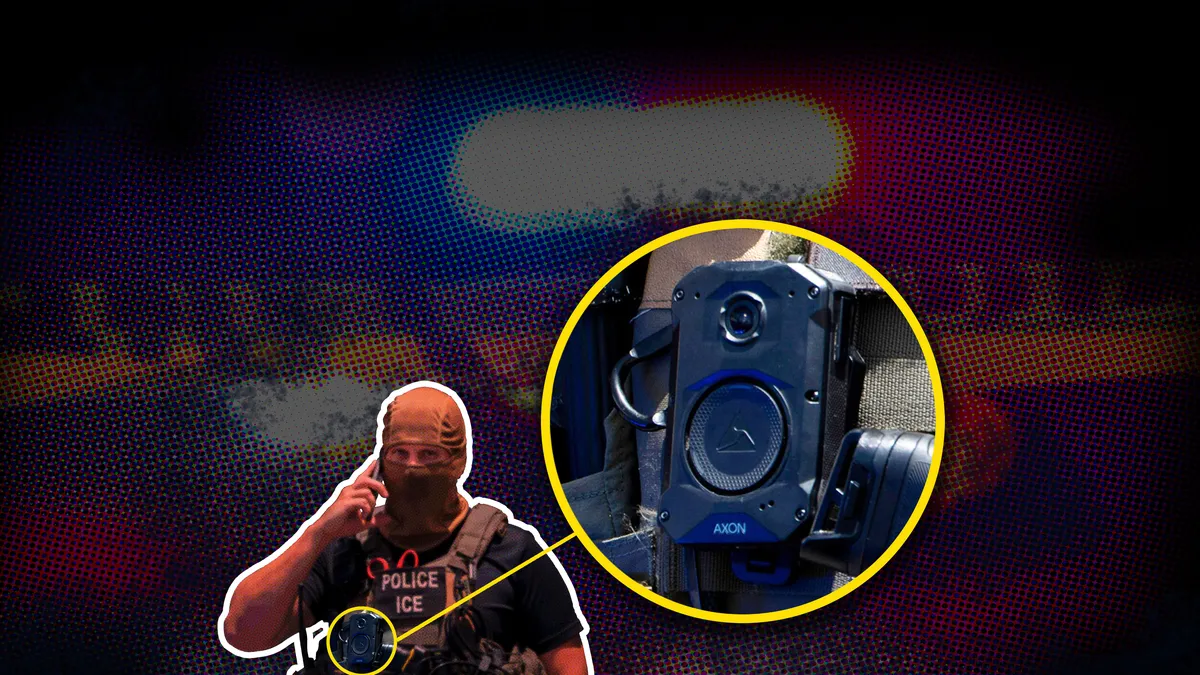
In response to two recent fatal shootings by Immigration and Customs Enforcement officers in Texas and Maine, at least one officer on ICE arrest teams will be equipped with a body-worn camera, the Department of Homeland Security says.The two deaths, less than a week apart, have reignited concern over the lack of ICE body cameras. Body cameras have become synonymous with police accountability and are intended to create a visual and audio record of law enforcement encounters and provide evidence to investigators.The DHS announcement on July 15 followed the deaths of a construction worker in Houston and a worker in Biddeford, Maine, earlier this month. Both took place during traffic stops conducted by ICE officers.None of the ICE officers involved in the shootings were wearing body cameras, despite an ICE mandate for using body cameras during enforcement activities. That mandate was issued on Feb. 19, 2025.Body cameras entered policy discussions for DHS after the high-profile killings of protesters Renee Good and Alex Pretti in Minneapolis by federal immigration agents in January.How do body cameras work?A body camera is a wearable device that records video and audio in high definition and is designed to capture police or agents encounters from their point of view.Can't see our graphics? Click here to reload the page.Body cams can be activated in one of two ways: manual activation or an automatic trigger. In a manual activation, the officer presses a button on the camera to start the recording. In an automatic trigger, the camera begins recording when certain actions occur:Depending on the model, cameras are equipped with pre‑event buffering, which allows the device to capture several seconds of video before activation, ensuring crucial moments leading up to an encounter aren't lost.When activated, the cameras collect high-definition, wide-angle video that shows what's in front of the officer, often at a 120-degree field of vision. A built-in microphone captures conversations and ambient sound from the encounter.To authenticate the video for eventual use as evidence, the camera encodes metadata into the video that includes the date, time, location and camera number.At the end of the officer's shift or sooner, the video is uploaded to a secure evidence system, either cloud-based or linked to the department's servers.Why aren't all ICE officers wearing body cameras?About half of U.S. immigration officers have body cameras. The other half should receive cameras in the next 60 days, a DHS spokesperson said.Officers involved in both recent shootings weren't wearing body cameras because "back-to-back Democrat shutdowns" delayed the rollout of the devices, DHS officials told USA TODAY.The first shutdown was Jan. 31 to Feb. 3, 2026. The second was Feb. 14 to April 30, 2026.That statement was criticized by Democrats, who noted that then-DHS Secretary Kristi Noem promised in February that "As funding is available, the body camera program will be expanded nationwide. We will rapidly acquire and deploy body cameras to DHS law enforcement across the country."U.S. Rep. Sylvia Garcia, a Democrat who represents the Houston area, said blaming the shutdown for the lack of body cameras was "ludicrous" and that ICE was "given $20 million just for this purpose."ICE began equipping officers with body cameras in 2021, according to the Brennan Center for Justice, a liberal nonprofit.In March, former acting ICE chief Todd Lyons told Congress that around 3,000 out of 13,000 ICE officers were using body cameras, USA TODAY reported. It’s unclear exactly how many officers ICE employs today. In January, the agency said they were training enough people to expand to 22,000 officers. CONTRIBUTING: Michael Loria, Christopher Cann, Shawn P. Sullivan, Natalie Neysa AlundSOURCE: USA TODAY Network reporting and research; Reuters; Department of Homeland Security
How do body cams work? Why many ICE agents aren't wearing them
Body cameras, used by law enforcement, can show the difference between what's claimed and what happened. Half of ICE officers aren't using them.
607 words~3 min read