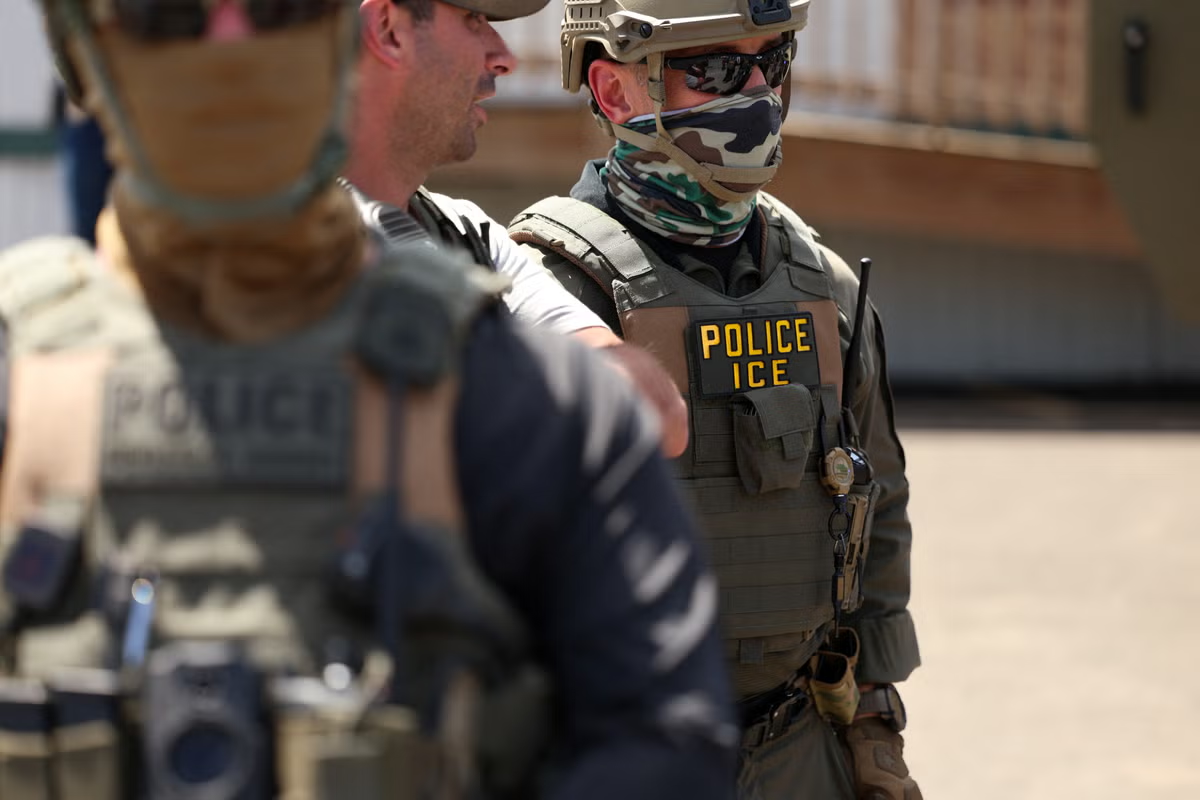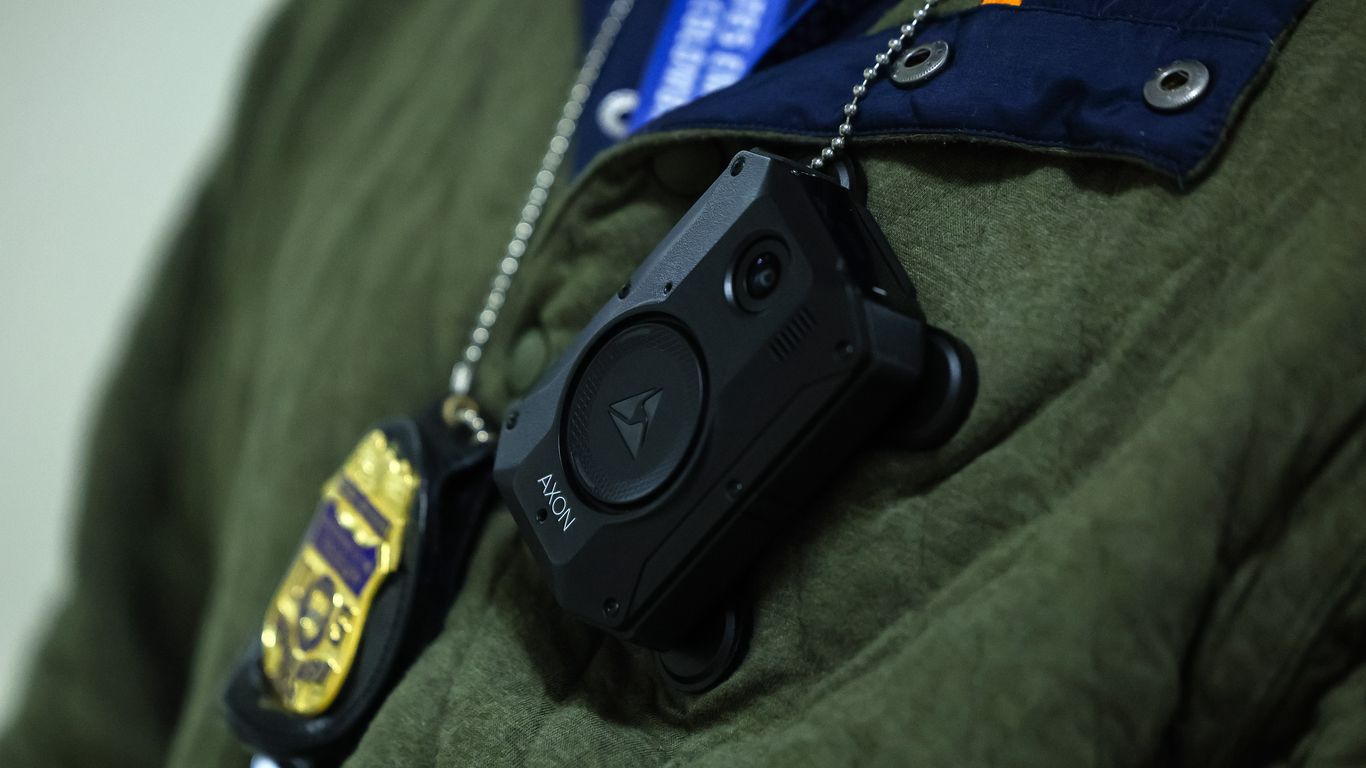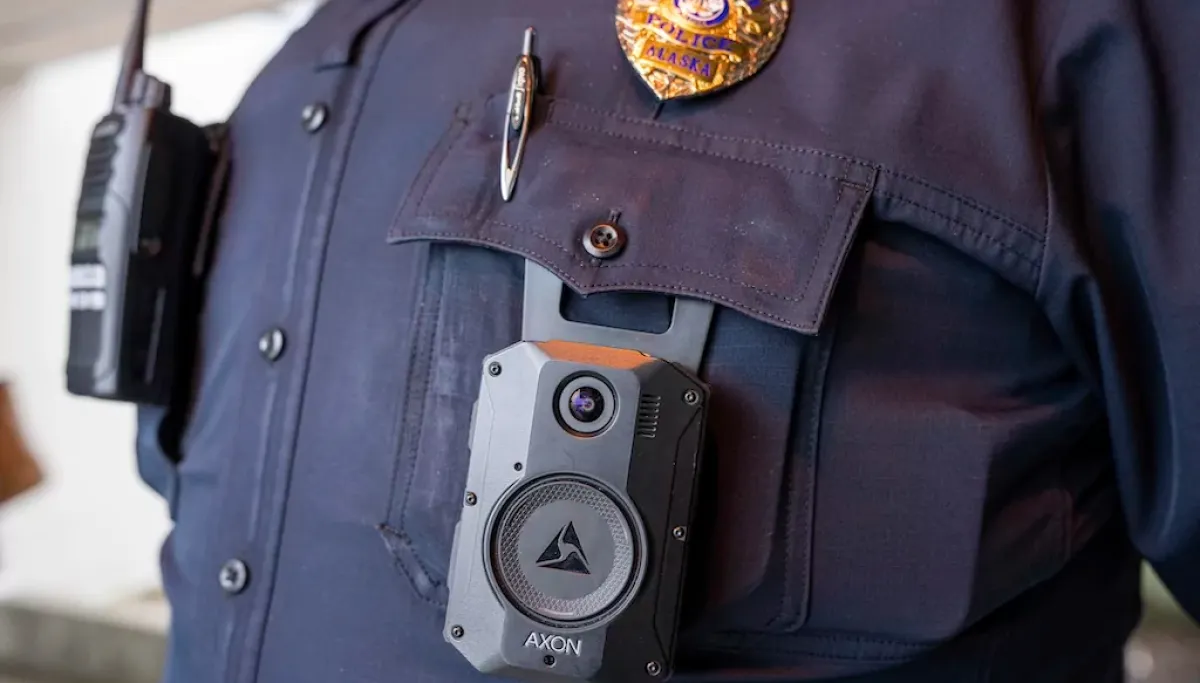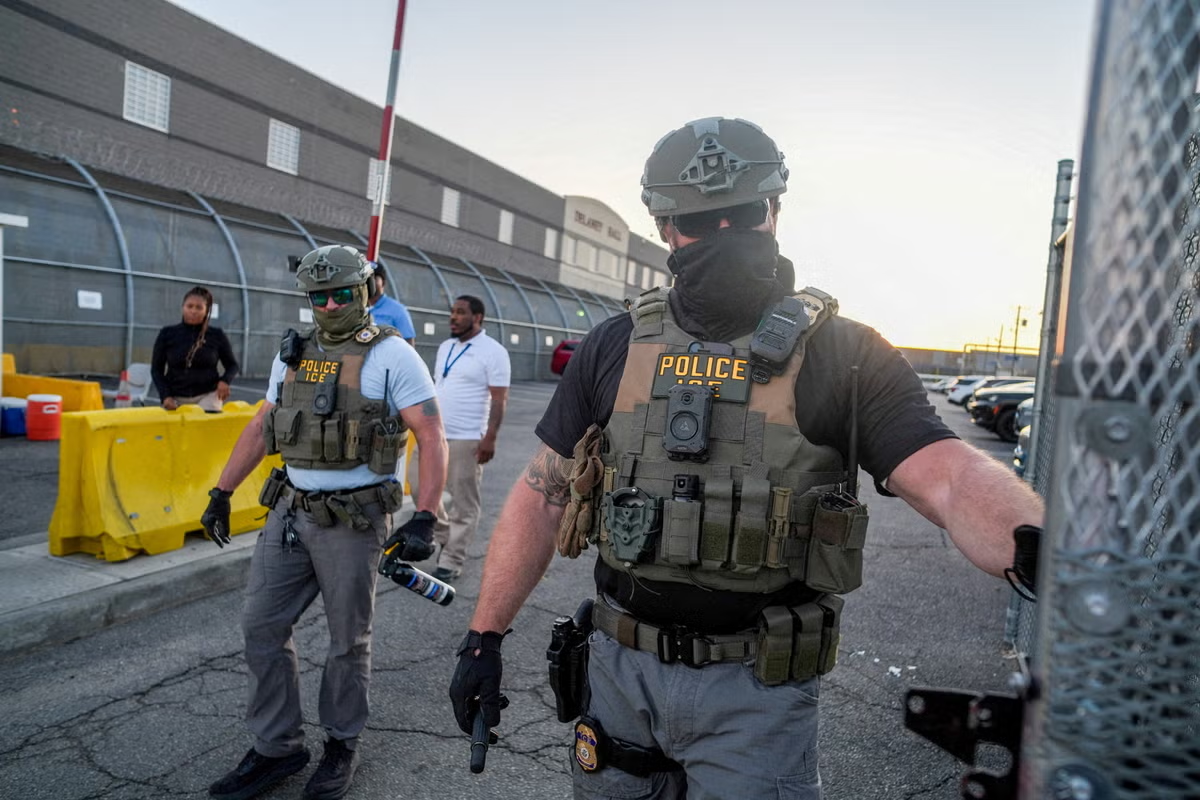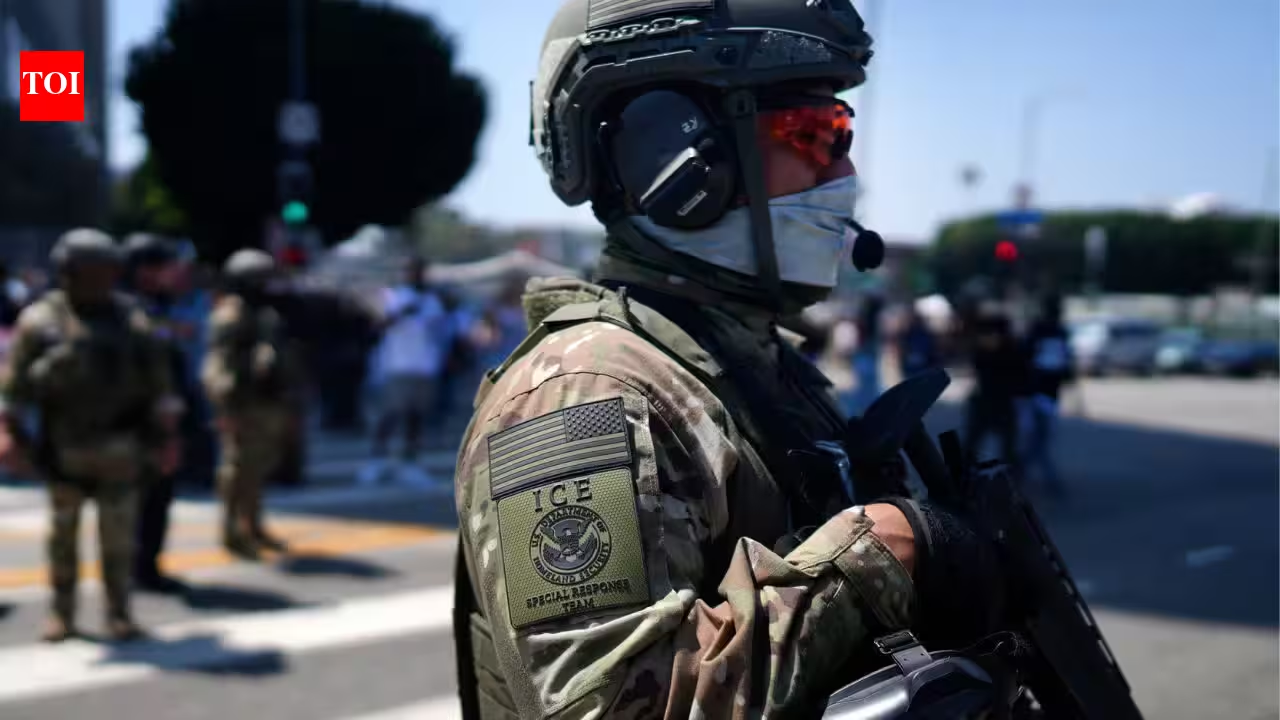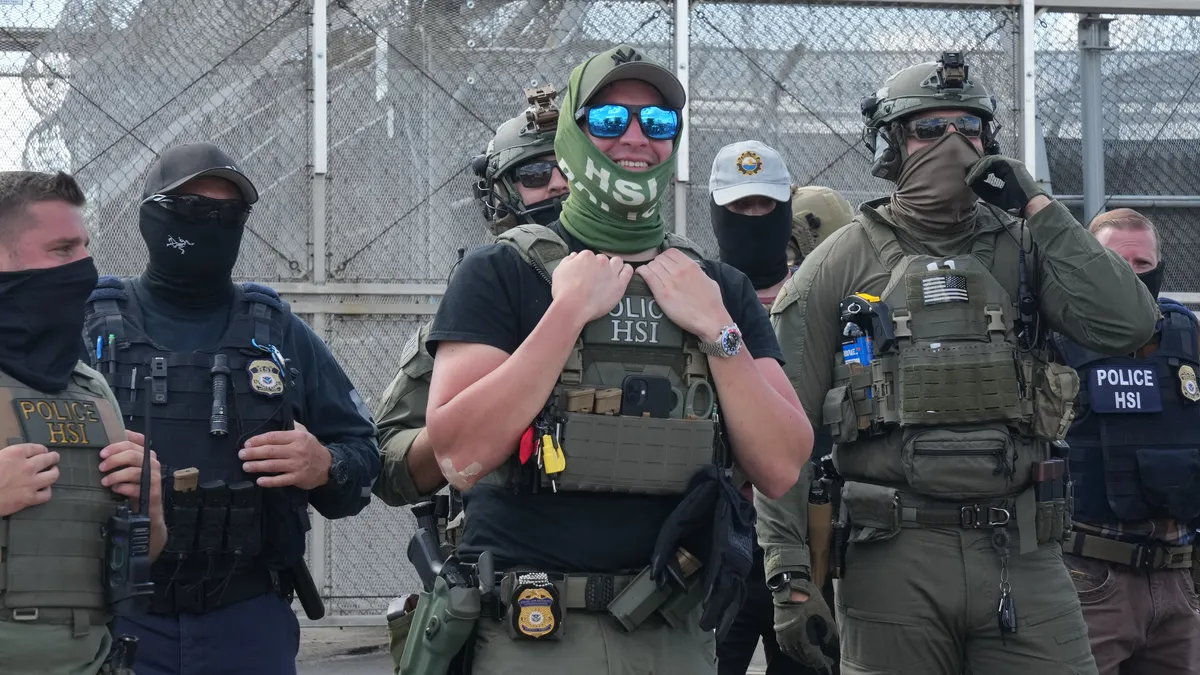
Body cameras have become synonymous with police accountability. But many ICE agents haven't been wearing them during multiple recent deadly shootings, raising questions about whyShow Caption
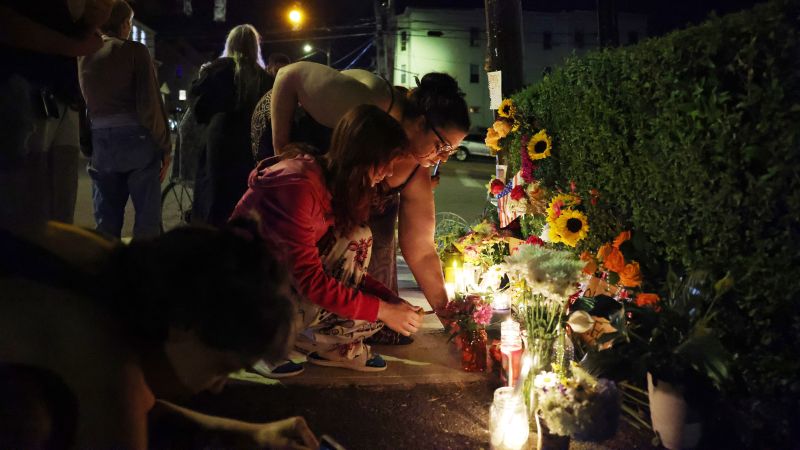
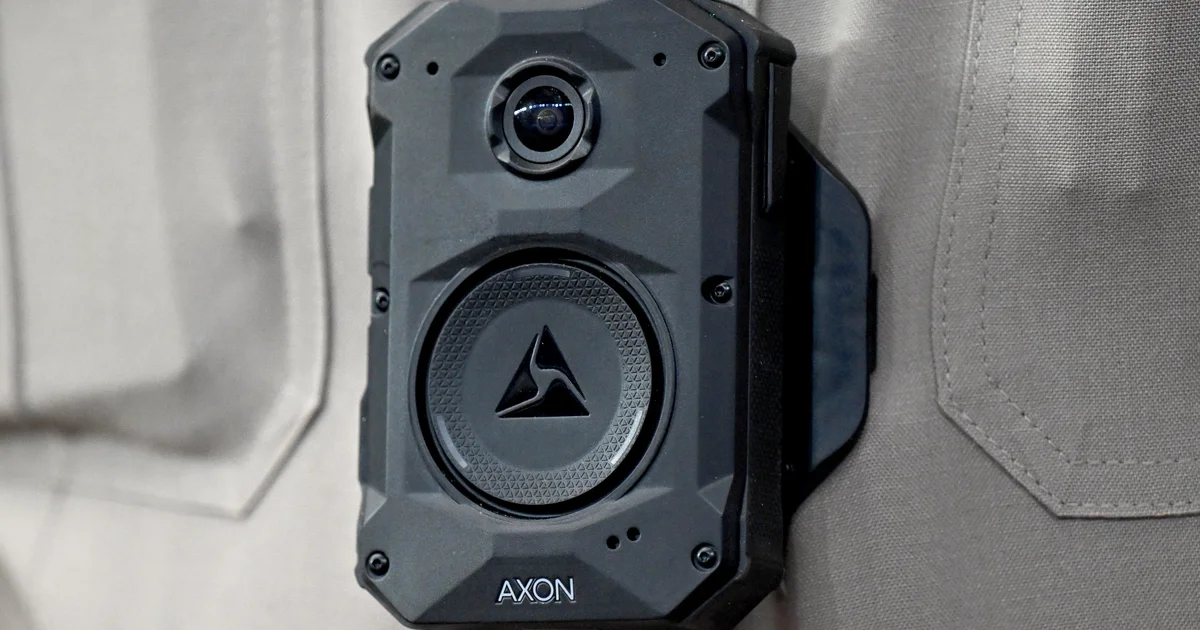
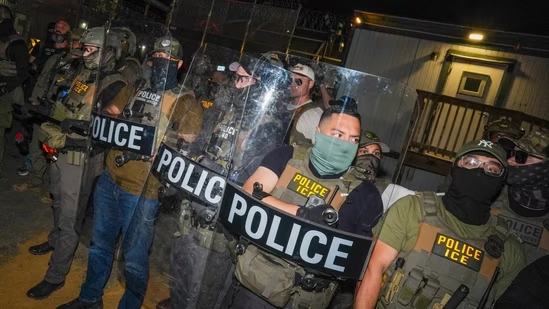
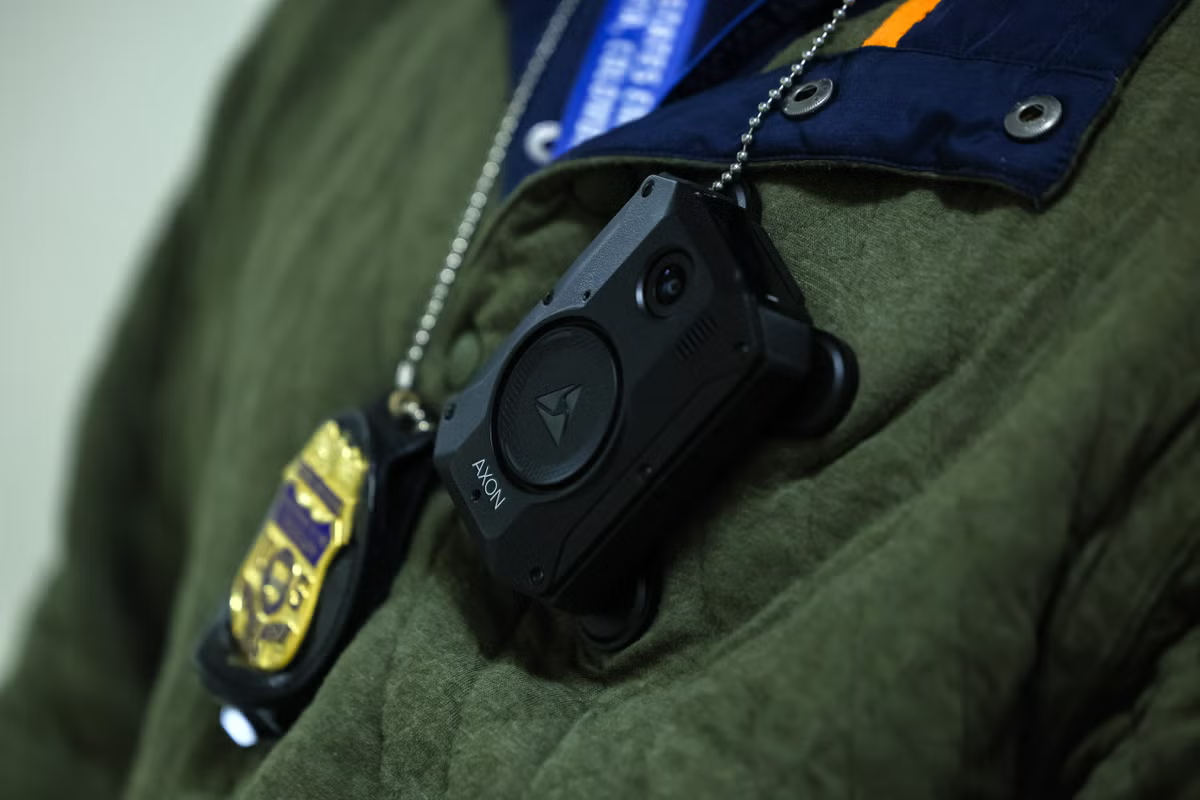
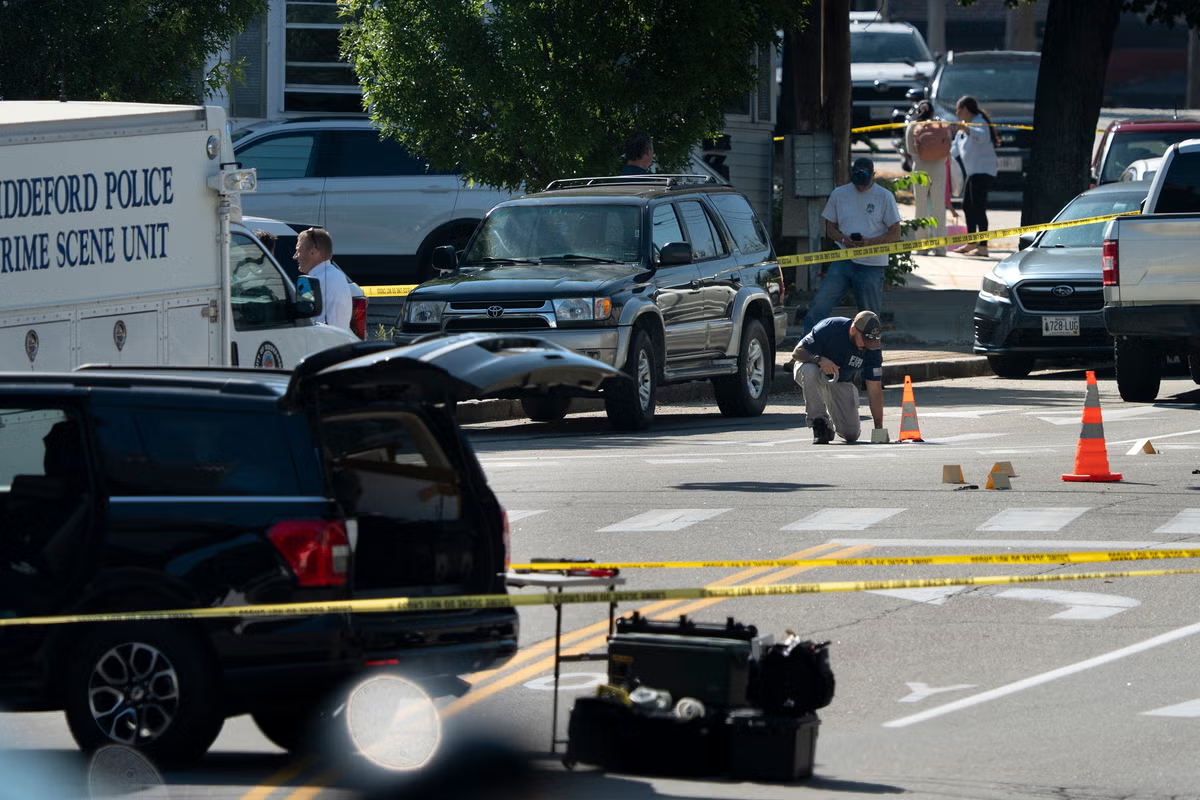
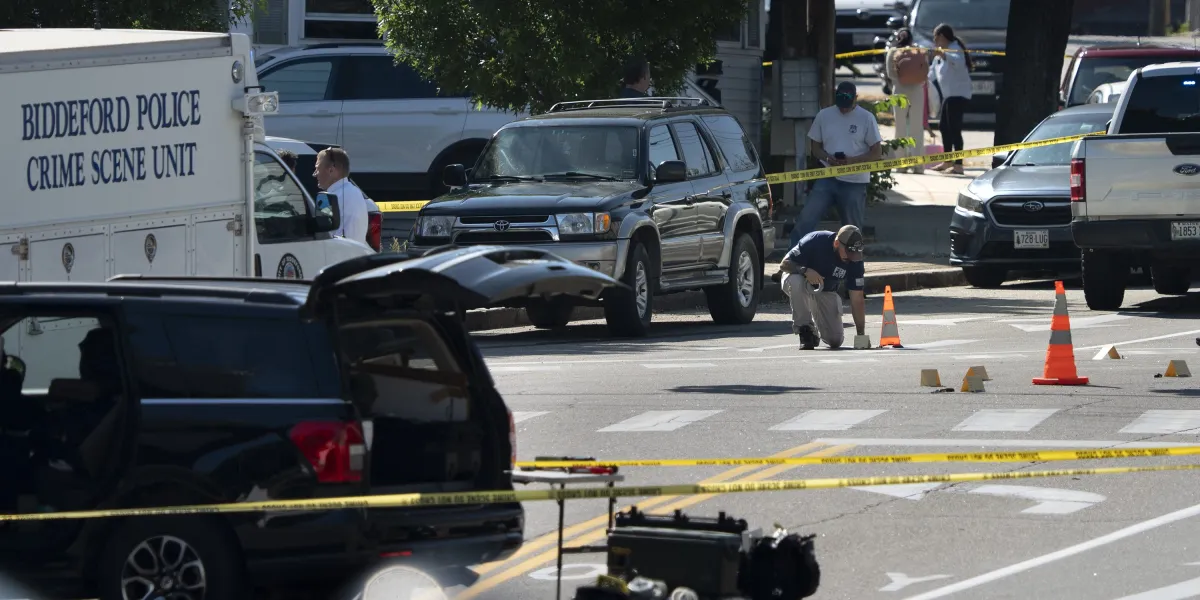
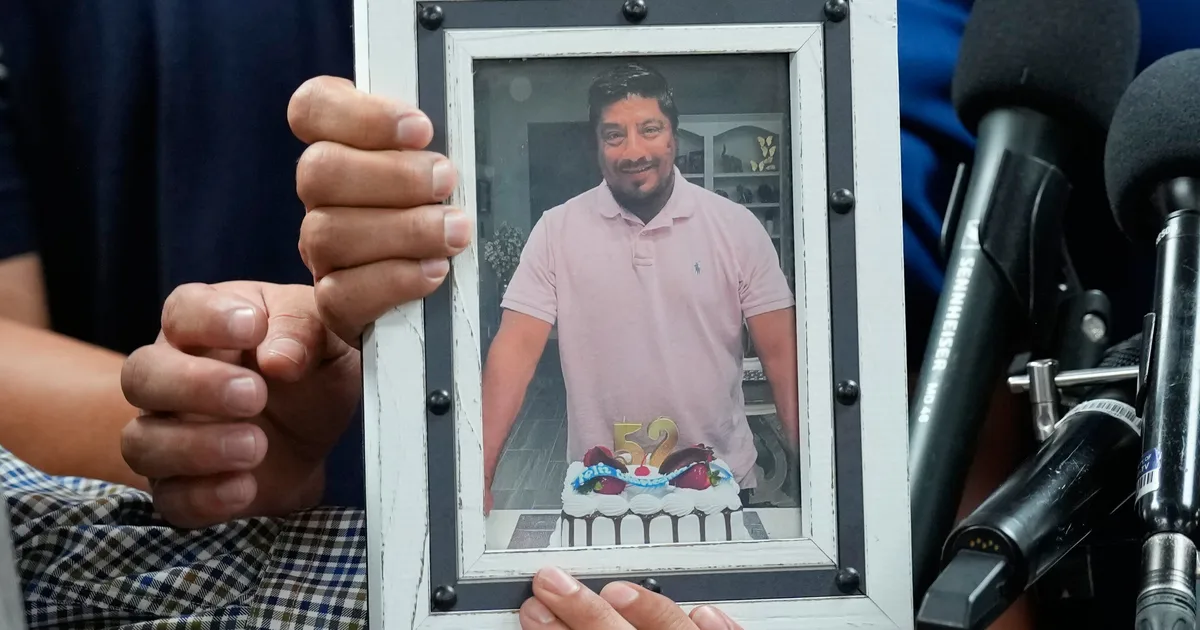
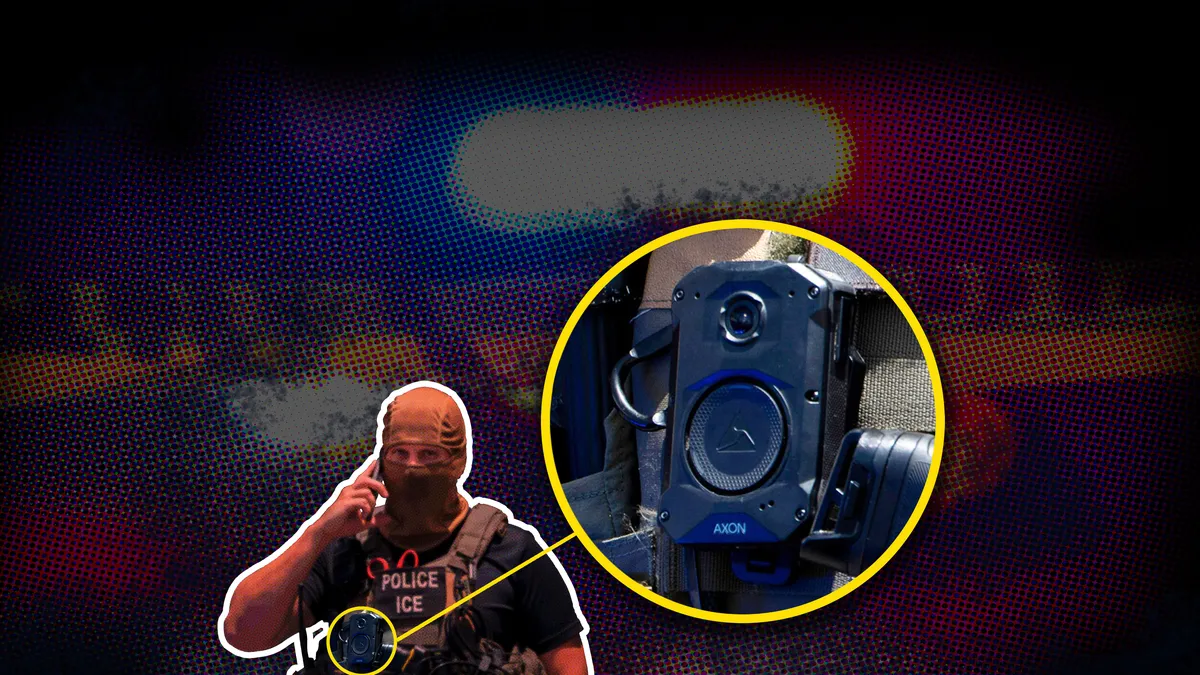
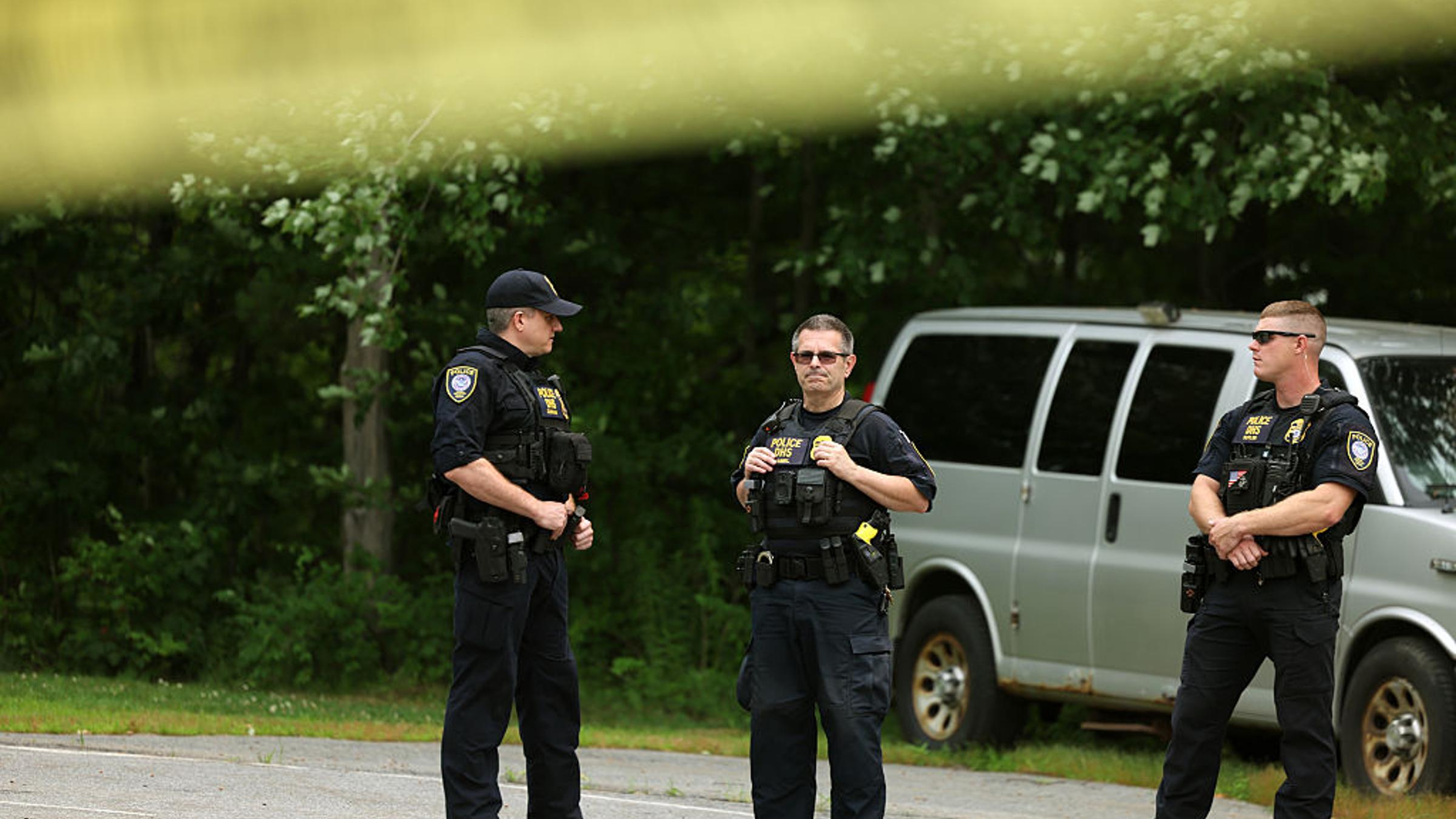
One of the nation's most controversial law enforcement agencies continues to operate largely without body cameras, despite promises to do so, $20 million in funding for the technology and a mounting death toll amid aggressive enforcement tactics.In less than a week, U.S. Immigration and Customs Enforcement officers fatally shot a 52-year-old Houston-area construction worker and a 26-year-old man in Biddeford, Maine. Officers behind the shootings said they were justified in firing because the men posed a threat. In both cases, the men were targeted for traffic stops by agents who had mistaken them for immigrants whom officials said had been ordered to leave the country.In the wake of the deaths, which have sparked protests in both cities, the Trump administration issued an order on July 14 aiming to limit ICE's traffic stops, Reuters reported, citing two sources briefed on the matter. In neither shooting were ICE officers wearing body cameras, which have become synonymous with accountability in modern policing, and can serve to back up what officers say happened or uncover wrongdoing. The deaths come five months after ICE issued a policy on Feb. 19 mandating the use of body cameras during immigration enforcement activities.Department of Homeland Security officials told USA TODAY the officers involved in each shooting weren't wearing body cameras because "back-to-back Democrat shutdowns" delayed the rollout of the devices.U.S. Sen. Susan Collins, a Maine Republican, said in a statement on July 14 that “it is extremely unfortunate” that the ICE officer involved in the Maine shooting wasn’t wearing a body camera and also blamed Democrats for the hold-up on the rollout of the technology.Here's what you need to know about the shootings and more about why officers weren't wearing body cameras.What happened in recent ICE shootings?In the early-morning hours of July 7 in Houston, ICE officers tried to pull over Lorenzo Salgado Araujo, a 52-year-old Mexican national who worked in construction and was the father of three U.S. citizens.According to ICE, Salgado Araujo ignored orders from officers and then "weaponized" his vehicle in an attempt to run over an agent. The agent fired shots in self-defense and killed Salgado Araujo, ICE said. Witnesses who were in the car with Salgado Araujo at the time of the shooting called ICE's account of what happened "simply false," according to their attorney.ICE later said they thought Salgado Araujo was someone else when they tried to stop him.Six days later an ICE officer fatally shot Joan Sebastian Guerrero in Biddeford, Maine, on July 13. ICE officers saw him exit the house of someone else who had a removal order and attempted to pull him over, the agency said.Homeland Security Secretary Markwayne Mullin initially said Guerrero "weaponized" his vehicle, according to comments relayed by Sen. Angus King, a Maine independent. In a later statement to USA TODAY, ICE said the agent fired after Guerrero attempted to flee the scene and the agent feared for "public safety."DHS had promised body cameras in FebruaryIn February, then-Department of Homeland Security Secretary Kristi Noem promised "DHS law enforcement across the country" would begin wearing body cameras following the shooting deaths of Renee Good and Alex Pretti, two U.S. citizens killed by federal officers in Minneapolis in January. DHS officials described both Good and Pretti as "domestic terrorists" though witnesses and bystander videos contradicted those claims.David Hernandez, an immigration enforcement researcher at Mount Holyoke College in Massachusetts, dismissed DHS's explanation that a government shutdown delayed the rollout of body cameras to ICE officers."That’s a total lie because they were the agency that kept functioning during the shutdown," said Hernandez, noting that Congress had already allocated $75 billion to ICE before the shutdown. "It’s to protect themselves from the reckless and disproportionate violence that they use on migrants … They do not have the capacity to apprehend someone without violence."U.S. Rep. Sylvia Garcia, a Democrat who represents the Houston area, said blaming the shutdown for the lack of body cameras is "ludicrous.""They were given $20 million just for this purpose," Garcia told reporters at a news conference following the shooting of Salgado Araujo. "Kristi Noem pledged in February this year that she was procuring them and sending them to the field."DHS did not respond to questions about why the government shutdowns would have impacted ICE officers receiving body cameras, given that ICE was funded throughout the shutdown. ICE under Trump is the highest-funded law enforcement agency in the land. Other agencies under DHS, such as the Transportation Security Administration, were without funding during the shutdown.Body cameras used by police nationwideBody cameras became widely used at local law enforcement agencies around the country in the 2010s following outrage over police misconduct cases, particularly the police shooting of Michael Brown in Ferguson, Missouri, in 2014. The Obama administration channeled $75 million for body cameras to agencies nationwide following the shooting that helped launch the Black Lives Matter movement. ICE began equipping officers with body cameras in 2021, according to the Brennan Center for Justice, a liberal nonprofit. Houston was among the cities where the agency first began using the devices. The Biden administration ordered federal law enforcement agencies to begin using body cameras in 2022 and by 2024 around 1,000 ICE officers across five cities were using the technology, the Brennan Center said.But ICE’s brief expansion of body cameras came to a halt. Trump rescinded the order of his Democratic predecessor shortly after coming into office. How many ICE officers use body cameras?In March, former acting ICE chief Todd Lyons told Congress that around 3,000 out of 13,000 ICE officers were using body cameras, or less than a quarter of officers. It’s unclear exactly how many officers ICE employs today. In January the agency said they had hired and were in the process of training enough people to expand to 22,000 officers. On July 14, DHS said more than half of ICE field offices had received body cameras and the rest will receive them within 60 days.U.S. Rep. Bennie G. Thompson, ranking Democratic member of the Committee on Homeland Security, called the agency’s slow rollout "truly shameful.""ICE has nearly infinite resources at its disposal – as well as enough funding for years – and yet this administration still sends ICE agents into the field without body cameras," Thompson said in a statement to USA TODAY. "In fact, ICE has had cameras in their possession for months that still haven't been deployed to the field - they are purposely dragging their feet. "He said that the "truly shameful" situation "sadly tells the American people that ICE believes they are above oversight – and won’t face any responsibility for their actions.U.S. District Judge Sara Ellis of the Northern District of Illinois ordered federal officers deployed to Chicago to begin wearing cameras last October following reports of officers using crowd control weapons on protesters without warning, threatening bystanders at gunpoint and other aggressive tactics. "What I do have a problem with is if we have allegations that government agents are enforcing the law in a way that violates the Constitution," Ellis told a Department of Justice lawyer who pushed back against her order. "Don't violate the Constitution, we never have to pull any video from anybody, ever."Ellis’ order was never ultimately enforced and local immigration rights activists on the ground in Chicago told USA TODAY that they have not noticed officers wearing body cameras.Without video evidence, ICE can shape the narrative, says expertEmmanuel Mauleón, a University of Minnesota Law School professor, said the reason ICE does not use body cameras is likely to shield themselves."If you don't provide a body cam and know that the only first-person account of the shooting is the person being killed, then you have a lot more leeway to shape the narrative," Mauleón said. "What kind of world would they like to operate in? It’s one where they can shoot people in cars and get away with it."He added: "That’s not being cynical, that’s a pattern."The Minnesota-based researcher noted how bystander videos of the killing of Pretti in Minneapolis undermined support for one of Trump's campaign promises in the last election: mass deportations.Polling found that support for abolishing ICE surged even among Republicans after the killing of the 37-year-old ICU nurse. Backlash over the killing and Homeland Security initial branding of Pretti as a "domestic terrorist" ultimately contributed to the sidelining of controversial Border Patrol chief Greg Bovino and is believed to have ultimately contributed to the firing of former DHS Secretary Noem. Body camera footage shows immigration enforcement shootingIn the case of at least one survivor of a shooting at the hands of federal immigration enforcement, Homeland Security had body camera footage of the incident.Marimar Martinez, a Chicagoan shot by a Border Patrol agent on Oct. 4, faced charges of assaulting a federal officer following the shooting. Prosecutors said the agent shot Martinez after she rammed immigration enforcement agents with her car.Instead, the body camera footage showed agent Charles Exum sharply veer into Martinez and then exit his vehicle and shoot her. The footage came from another officer in the vehicle with Exum, who in fact had a body camera though it was not activated.The case was dropped amid mounting evidence in Martinez’s favor. Martinez was badly injured, with Exum appearing to brag that he had hit her five times and left seven holes in her body, according to text messages obtained by USA TODAY. Martinez has since recovered from her wounds. DHS did not respond to questions about whether Exum remains on active duty. Martinez’s lawyer, Chris Parente, said that the body camera footage of what happened to his client is beside the point, which is that officers involved in shootings need to be disciplined by DHS and ultimately prosecuted."The body camera was good because it gave you an inside look at these guys, at their mentality," said Parente, who also is a former assistant U.S. attorney for Department of Justice Offices in Chicago and Miami. "There’s no accountability for any of these agents who have shot people and therefore there’s not going to be any change in these agents."Had Exum turned on his body camera, Parente said that the charges against Martinez would have been dropped a lot sooner.He noted for comparison the sea change in policing that followed from the prosecution of former Minneapolis police officer Derek Chauvin following the murder of George Floyd. Parente added: "When officers shoot people in our community, they should be held accountable."