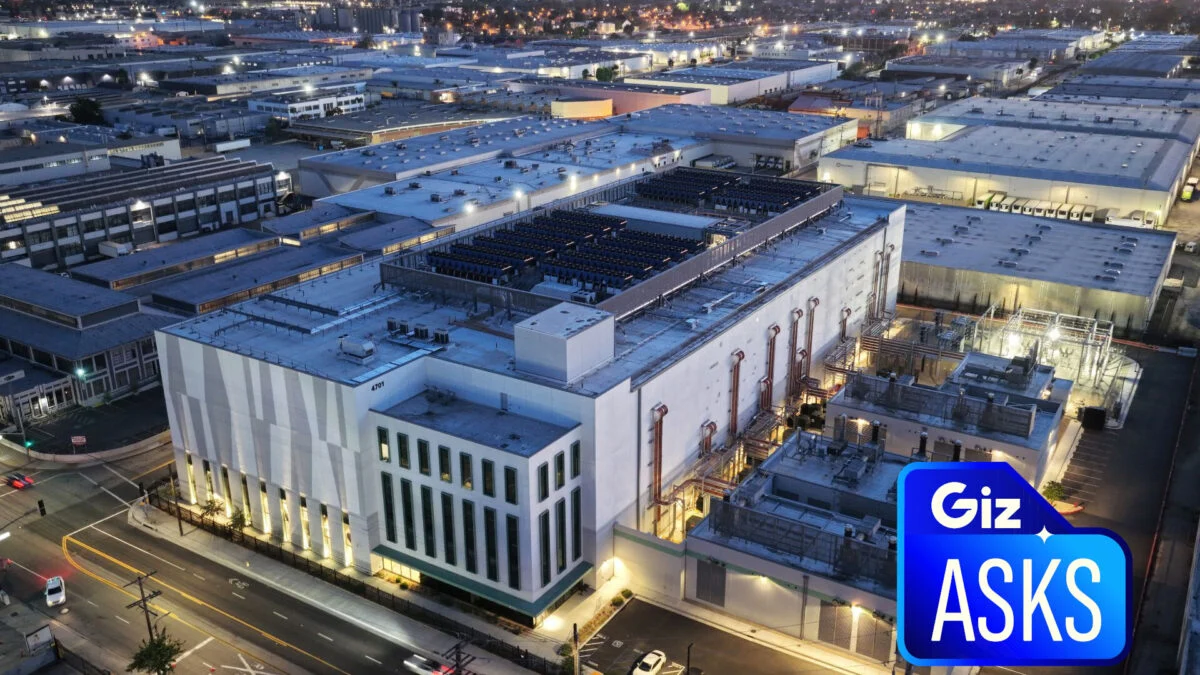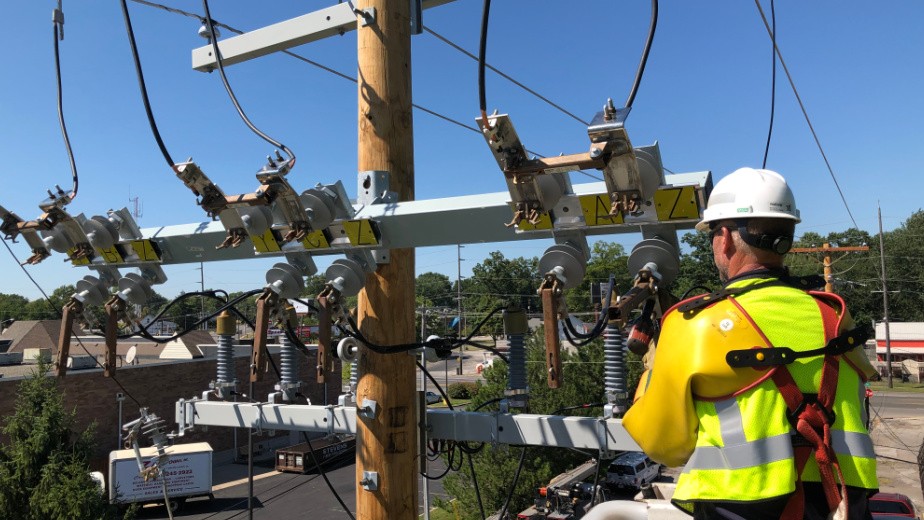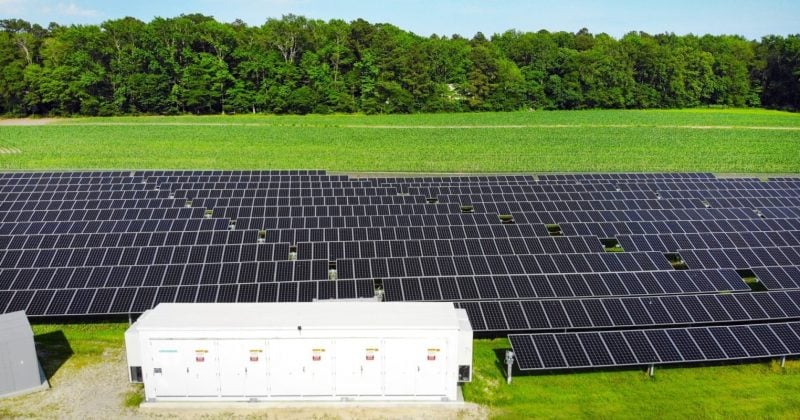
U.S. electricity consumption set a new record high last year and is on track for new all-time highs this year and next, as the AI boom has ended America’s decade of stagnant power use.Rising electrification rates are partly responsible for the higher power demand, but the AI boom and the data centers that support it are the key drivers of growing electricity demand and will remain so over the next few years.As power demand grows, generation is also increasing to record highs, with natural gas remaining the mainstay of the U.S. power mix. But renewable energy generation and capacity installations are also rising and replacing more and more of the coal-fired power supply, despite the pro-coal and anti-renewables policies of the Trump Administration.Total U.S. electricity supply hit a record high of 2,234 terawatt hours (TWh) in the first half of 2026, up by 3% from a year earlier, according to data by clean energy think tank Ember analyzed by Reuters columnist Gavin Maguire.This growth was mostly due to the data centers, as “data center load is emerging as the dominant driver of long-term U.S. electricity growth,” as the U.S. Energy Information Administration (EIA) said in its annual outlook earlier this year.After hitting a record 4,195 billion kilowatt-hours of total electricity consumption in 2025, the U.S. will see this use further jump to 4,269 billion kWh this year, and 4,399 billion kWh next year, according to EIA’s latest Short-Term Energy Outlook (STEO) for July.What’s more notable than the expected fresh records in consumption is the EIA’s forecast that sales to customers in the commercial sector this year will top the sales to residential customers, for the first time ever, and will remain the biggest power-consuming sector in 2027 ahead of the residential and industrial sectors.Related: Why the UAE Is Taking a Bigger Piece of America’s LNG Crown JewelThis projection by the EIA shouldn’t be surprising as the commercial sector with the data center load has been leading U.S. power demand growth for a few years now.And it is expected to lead consumption growth for years to come, posing difficult questions for U.S. policy makers about the price residential consumers will pay and the readiness (or not) of the power grids to support the surge in demand this decade after nearly a decade of zero electricity growth.U.S. data center power demand is forecast to more than double to 66 gigawatts (GW) in 2027 from 31 GW in 2025, driven by an accelerating buildout of AI infrastructure, Goldman Sachs Commodities Research said in a report in May.The share of data centers of total U.S. peak summer power demand is projected to jump to 8.5% in 2027 from 4.1% in 2025, “creating significant tightening across the national power market,” Goldman Sachs reckons.In terms of share of U.S. electricity generation, natural gas remains the key fuel, with about 40% this year and next, nuclear will remain stable at 18%, but coal will drop from 17% in 2025 to 15% in 2026 and 2027, per the latest EIA projections.In a major milestone, solar power held a record-high 12.8% share of U.S. electricity supply in May, overtaking coal-generated power for the first full month on record, data from Ember showed last month.In May, solar also became the third-largest source of electricity in the U.S., behind natural gas and nuclear power generation, according to Ember’s report.At the same time, coal generation hit an all-time monthly low of 39.3 TWh in April 2026. Coal power output rebounded to 43.4 TWh in May, but still remained 11% below May 2025 levels, and held a 12.2% share of U.S. electricity supply.“From Texas to California, markets across the US are betting on solar to meet rising power needs,” said Nicolas Fulghum, Senior Data Analyst at Ember.Solar and storage provided 91% of all new capacity added to the U.S. grid in the first quarter of 2026, according to the quarterly report by the Solar Energy Industries Association (SEIA) and Wood Mackenzie.States won by President Trump accounted for 74% of all solar capacity installed in the first quarter, with Texas remaining the fastest-growing solar market among the U.S. states, SEIA noted.By Tsvetana Paraskova for Oilprice.comMore Top Reads From Oilprice.comU.S. LNG Exporter Reaps Windfall as Middle East Turmoil Drives Fees HigherOil Prices Jump After Iran Attacks Commercial VesselsUS Crude Oil, Product Inventories Fall Even As Hormuz Traffic Begins to Flow
AI Boom Sends U.S. Electricity Demand to New High | OilPrice.com
U.S. electricity demand is hitting record highs as the AI boom and rapid data center expansion end a decade of stagnant power consumption, with new all-time records expected in 2026 and 2027.
725 words~3 min read