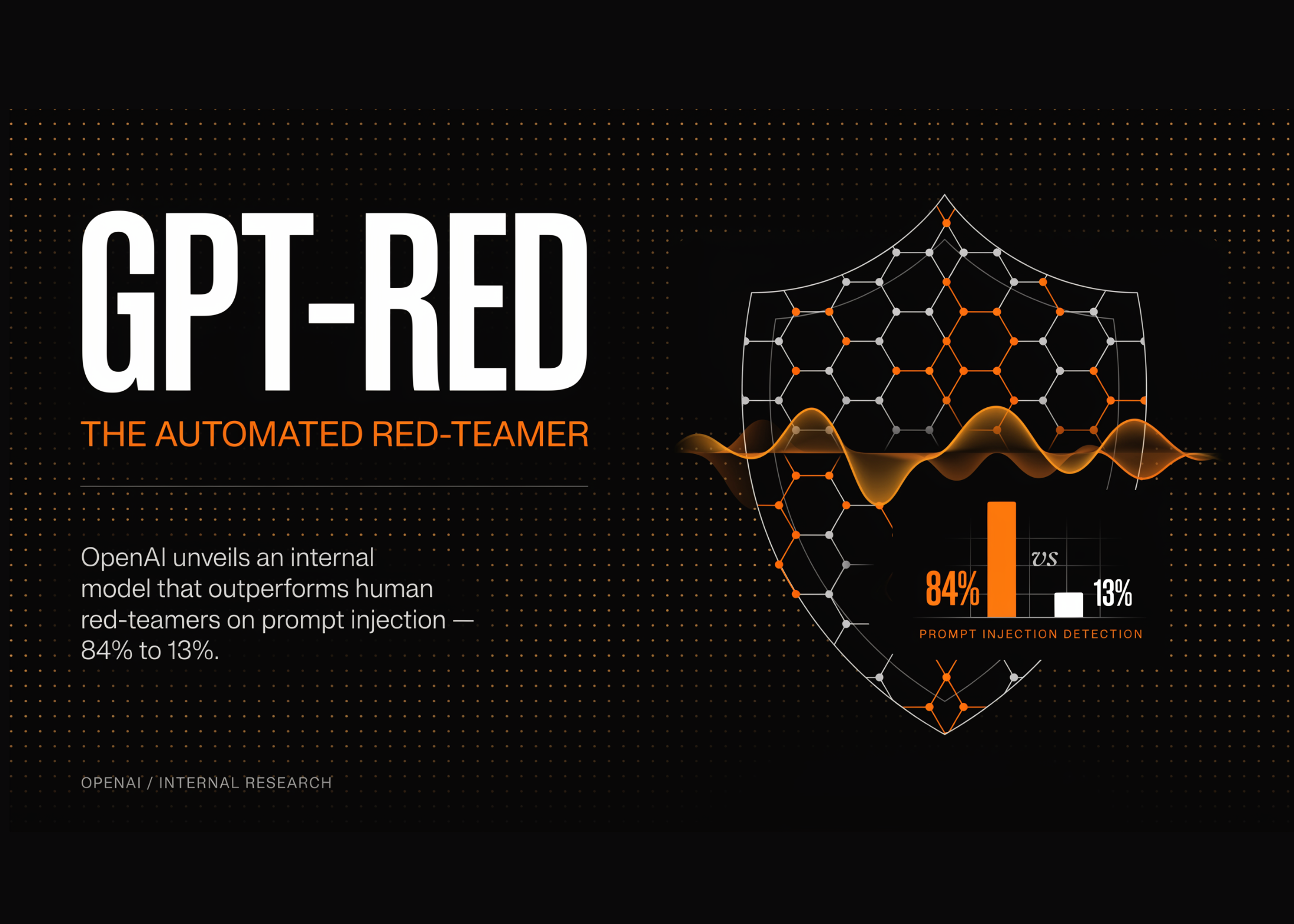
OpenAI’s latest model family, GPT-5.6, launched on July 9 with a quiet but significant upgrade under the hood. The company built an internal adversarial AI called GPT-Red that essentially attacks its own models to make them harder to break. The result: a 6x reduction in prompt injection failures compared to the previous leading model released just four months earlier.
That’s not a typo. Six times fewer failures. And against GPT-Red’s most punishing attacks, the GPT-5.6 Sol variant showed a failure rate of just 0.05%.
How GPT-Red actually works
Prompt injection is when someone crafts a clever input that tricks an AI into ignoring its instructions and doing something it shouldn’t.
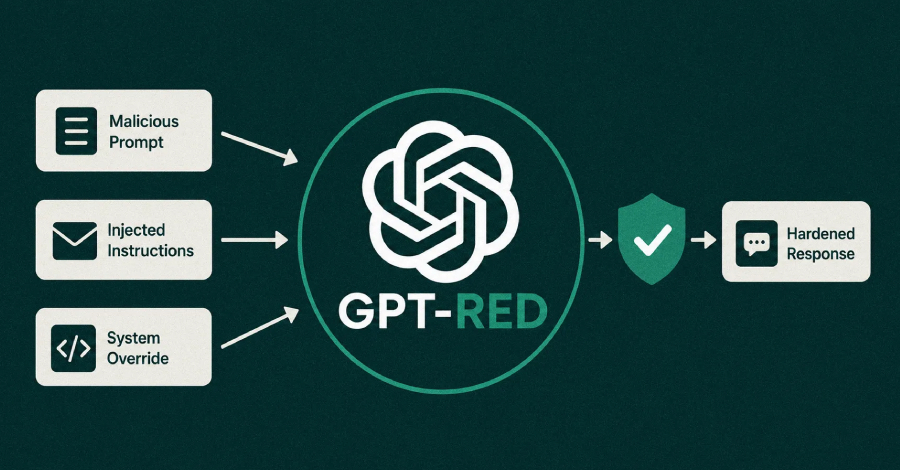
OpenAI’s solution was to build an AI that specializes in exactly this kind of trickery. GPT-Red uses self-play reinforcement learning to simulate adversarial prompt injections. In English: it plays both attacker and defender, constantly generating new ways to break the model and then training the model to resist those attacks.