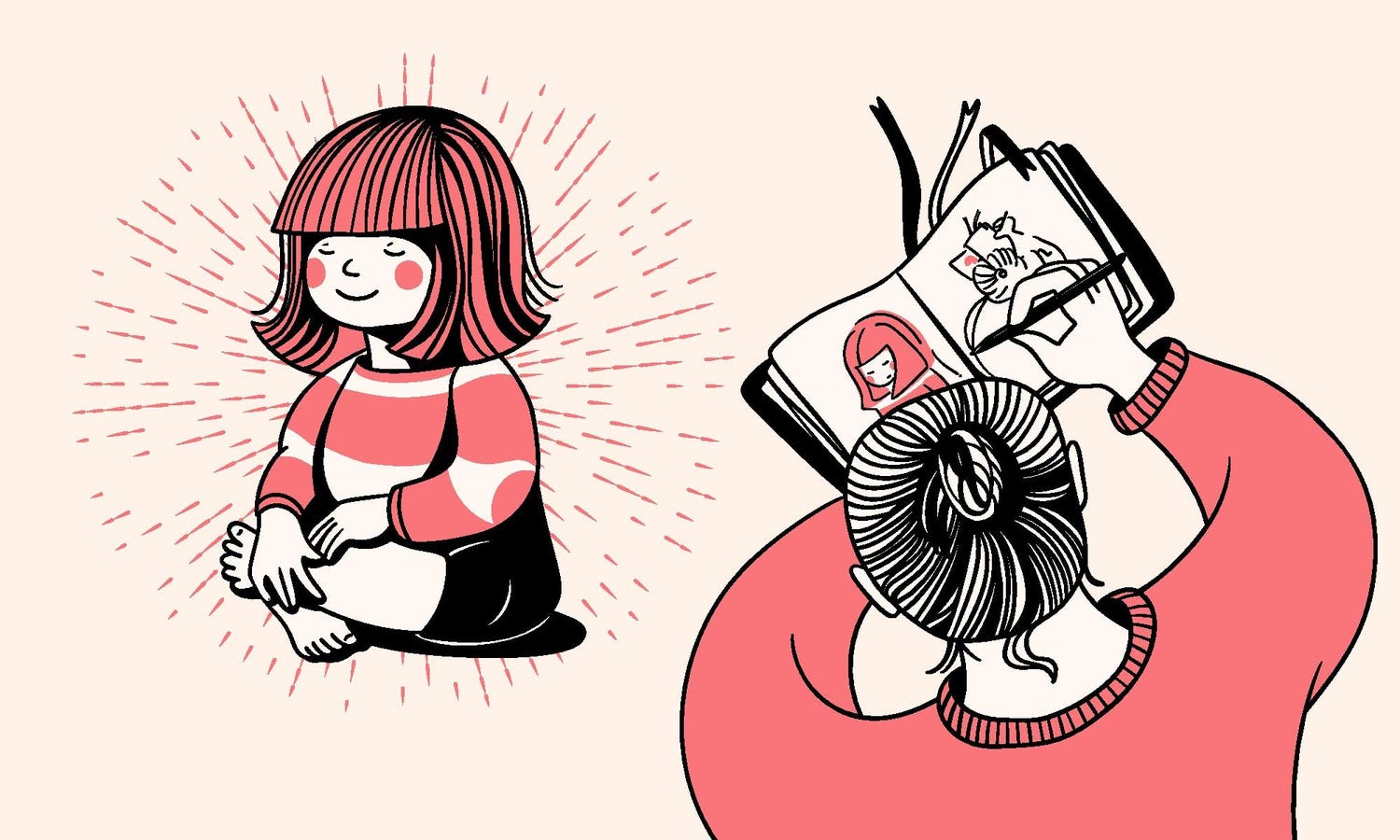
If you're like many high performers, you abandon self-care altogether because you believe it requires a major investment of time and energy, but there are seven self-care habits you can easily integrate into your busy workday that will help your performance.gettySelf-care has become a booming industry, complete with expensive wellness retreats, elaborate morning routines and hour-long meditation practices. But for most working adults, those idealized rituals compete with overflowing inboxes, caregiving responsibilities, deadlines and the simple reality of not having enough hours in the day. In fact, the “wellness maxxing trend”—stacking multiple mental health wellness protocols at once in pursuit of peak performance—is taking wellness too far, some experts say. And it’s actually undermining the very balance you’re trying to achieve.Ironically, the pressure to practice self-care can become another source of stress. Research consistently shows that chronic stress contributes to burnout, reduced productivity and poorer physical and mental health. Yet, many people abandon self-care altogether because they believe it requires a major investment of time and energy.According to Dr. Eleni Nicolaou, an art therapist and creative wellness expert at Davincified, that’s the wrong way to think about it. "Self-care has become associated with doing more," Nicolaou says. "But for busy people, adding another big ritual to their day isn't the answer. The real value lies in small, consistent moments that anyone can fit in, even on the hardest days."Seven Low-Effort, Self-Care Habits During Your WorkdayI have written in the past about the importance of daily routines as a scaffolding for career success. The science supports that view. Behavioral researchers have long found that small habits performed consistently are more sustainable than ambitious routines that demand high levels of motivation. Tiny behaviors repeated daily eventually become automatic, making them far easier to maintain than dramatic lifestyle overhauls.Rather than asking how to carve out an extra hour each day, the better question may be: What can you do in five minutes that helps your nervous system reset? Here are seven evidence-informed practices Nicolaou recommends:1. Give Yourself Five Minutes Of QuietMany people move from one meeting to another while simultaneously checking texts, emails and social media notifications. Their brains never receive a chance to rest. Instead of reaching for your phone during every spare moment, Nicolaou recommends spending five to ten minutes sitting quietly, looking out a window or simply allowing your mind to settle."Your brain needs downtime to process and recover," Nicolaou explains. “Even a few minutes of quiet makes a difference.” Neuroscientists have found that periods of wakeful rest allow the brain to consolidate memories, process information and recover from sustained attention.2. Use Breathing To Reset Your Nervous SystemFew stress-management tools are as portable—or as effective—as controlled breathing. One technique Nicolaou recommends is box breathing: inhale for four counts, hold for four, exhale for four and hold again for four before repeating."The physiological response to slow, deliberate breathing is well documented," she says. “It genuinely works.” Slow breathing activates the parasympathetic nervous system, helping reduce heart rate and quiet the body's stress response within minutes.3. Turn Your Coffee Break Into A Mindfulness PracticeMost professionals already stop for coffee or tea. The difference is whether they’re mentally present while doing it. Rather than checking messages while waiting for the kettle to boil, pay attention to the aroma, warmth and taste of the drink."Mindfulness means bringing your attention fully to whatever you’re doing, even if that’s just making a cup of tea," Nicolaou says. These brief moments of intentional awareness can interrupt automatic stress patterns without adding anything new to your schedule.4. Walk Without Constant StimulationWalking has long been associated with improved mood and creativity. But Nicolaou suggests leaving the podcast or playlist behind occasionally. A short walk without headphones gives the brain space to think freely, notice the environment and recover from constant digital stimulation."Unstructured thinking time is valuable," she states. “It’s when your mind processes things, makes connections and settles.” Many professionals report that their best ideas arrive while walking—not while staring at a screen.5. Write Down What's Occupying Your MindMental clutter often feels heavier when thoughts remain trapped inside your head. Taking two or three minutes to jot down worries, observations or even three positive moments from your day can help organize emotions and reduce rumination, according to Nicolaou. "Writing things down externalizes what’s in your head," she adds. “Even two or three sentences can help you feel more settled.” Research on expressive writing suggests that putting thoughts into words can reduce emotional distress and improve psychological well-being over time.6. Engage In A Small Creative ActivityCreativity isn’t reserved for artists. Simple activities such as doodling, sketching or coloring require enough concentration to quiet anxious thinking without becoming mentally demanding."Creative activity, even something like coloring, activates a state of focused calm that’s restorative," Nicolaou points out. “People pick up a paint-by-numbers kit expecting a hobby and end up discovering it’s one of the most effective ways they have to wind down.” Creative pursuits have also been linked to lower cortisol levels and greater emotional resilience.7. Organize One Small SpaceWhen life feels chaotic, restoring order to one tiny corner can create an outsized sense of control. Instead of tackling an entire room, organize a desk drawer, clear off your workspace or sort one shelf."Clearing a small space takes five minutes but can genuinely shift how you feel," Nicolaou says. “It’s an easy, immediate way to create calm that doesn't cost anything.” The visible progress provides an immediate psychological reward while reducing environmental distractions.Small Habits Beat Perfect RoutinesPerhaps the biggest misconception about self-care is that it must be elaborate to be worthwhile. "The rituals that stick are the ones that feel manageable," Nicolaou asserts. "A few minutes of quiet, a mindful cup of tea, a short walk or a simple creative activity don't require much, but done regularly, they make a difference."That's an important lesson for today's professionals. Burnout isn't usually solved by one luxurious weekend away. It's prevented by the small decisions made every day that allow the brain and body to recover before stress accumulates.The most sustainable self-care strategy isn't adding another item to your calendar. It's transforming ordinary moments that already exist into opportunities to pause, reset and reconnect with yourself.In a culture that celebrates doing more, perhaps the healthiest habit is learning how to do less—intentionally, consistently and without guilt.
7 Low-Effort, Self-Care Habits That Fit Into A Busy Career
If you're like many high performers, you abandon low-effort, self-care habits that you could easily integrate into your busy workday to boost your career performance.
1,051 words~5 min read