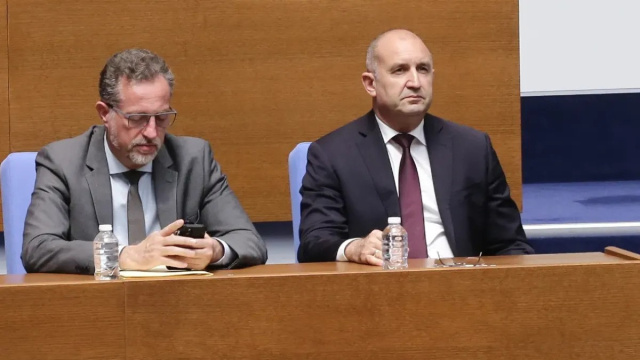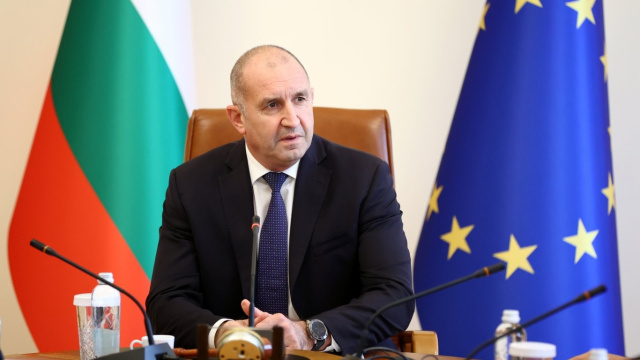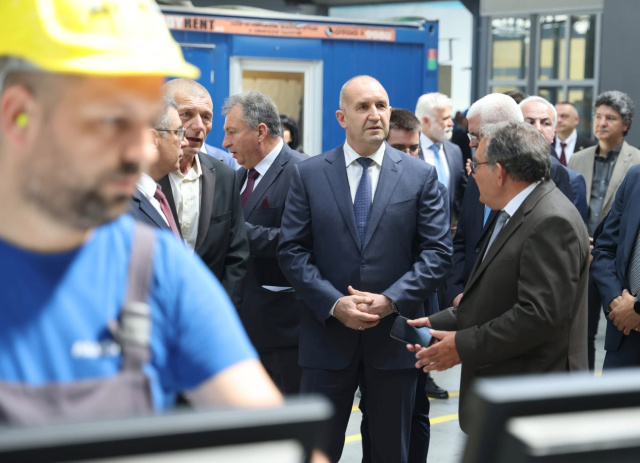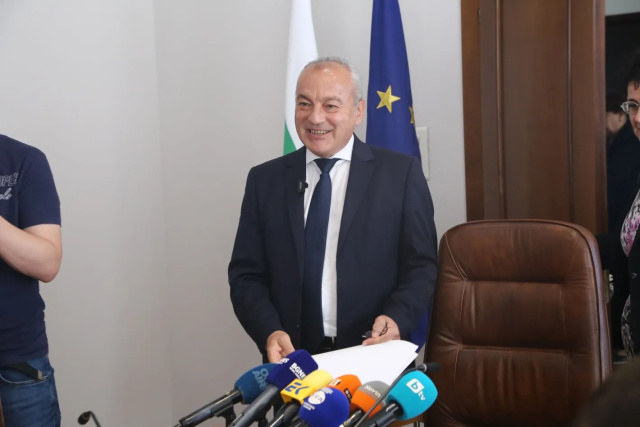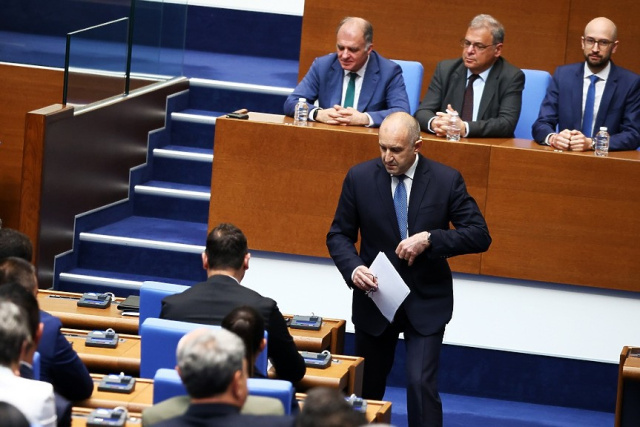
The National Assembly is set to hold the first reading of Bulgaria’s 2026 state budget, the first fiscal plan drafted by Prime Minister Rumen Radev’s cabinet. The proposal has already triggered strong criticism from opposition parties, largely because it projects a consolidated fiscal deficit of 5.7% of gross domestic product, exceeding 7 billion euros, while allowing the government to take on up to 10.1 billion euros in new debt.
Two of the laws that form part of the overall budget package, those governing the National Health Insurance Fund and the State Social Insurance system, have already passed their first reading in parliament. Lawmakers are now submitting amendments ahead of the second reading, while the state budget itself is expected to reach the parliamentary agenda for debate and an initial vote. If adopted, it would become the first Bulgarian budget in decades to exceed both national and European fiscal limits on the deficit.
The government has defended the proposal, arguing that it reflects the country’s actual financial situation. Prime Minister Rumen Radev said the budget is “realistic” and “puts an end to the scheming of the assemblies and will allow us to stand on solid ground.” He also claimed the current administration had “inherited a looted treasury.” Similar arguments have been presented by Deputy Prime Minister and Finance Minister Galab Donev, as well as lawmakers from the ruling majority, despite criticism from both the Bulgarian National Bank and the Fiscal Council.