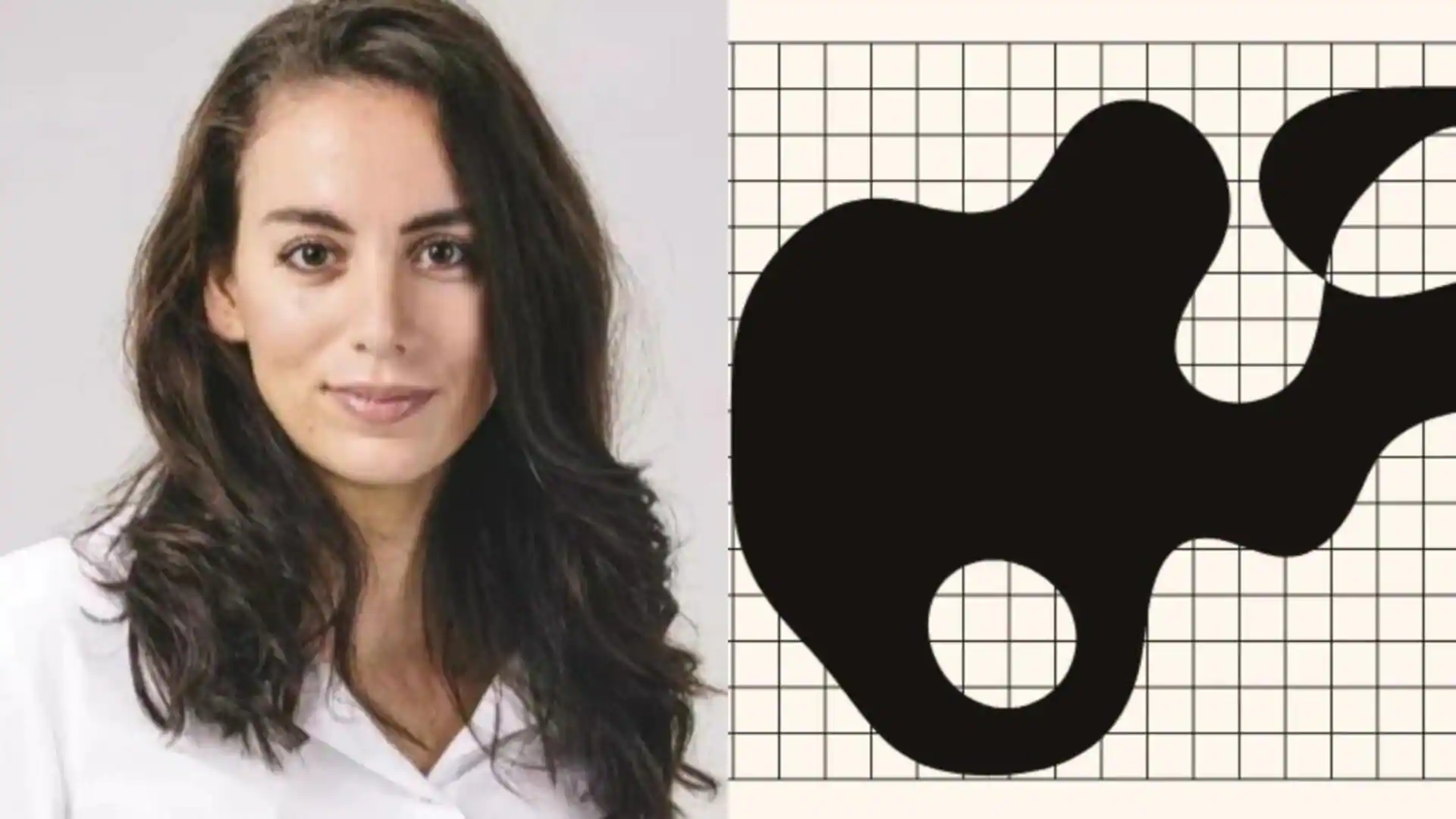
“We believe in keeping the weirdness alive.” That line comes from a manifesto Mira Murati’s lab published last week. It is also the thinking behind the lab’s first model.
Thinking Machines Lab, founded by the former OpenAI chief technology officer, has released Inkling. It is open-weight, so any developer or company can download the model and reshape it. That alone sets it apart from the flagships sold by OpenAI, Anthropic, and Google.
Inkling is big. It is a mixture-of-experts system with 975 billion total parameters, though it uses only about 41 billion for any given task. It handles a context window of up to 1 million tokens, and it trained on 45 trillion tokens of text, images, audio, and video. It reasons across text, images, and audio, but for now it only writes text back, including code and structured data.
Here is the twist. Thinking Machines does not claim Inkling tops the charts. Its own materials call it “not the strongest model available today, closed or open.”
The 💜 of EU techThe latest rumblings from the EU tech scene, a story from our wise ol' founder Boris, and some questionable AI art. It's free, every week, in your inbox. Sign up now!The lab is chasing something else: range and adaptability. Thinking Machines Inkling is meant to be a broad, balanced base that organisations fine-tune for their own work, not a finished chatbot. Users can dial its “thinking effort” up or down to trade accuracy for speed. On one coding test, the company says, Inkling matches Nvidia’s Nemotron 3 Ultra using a third as many tokens.