view more
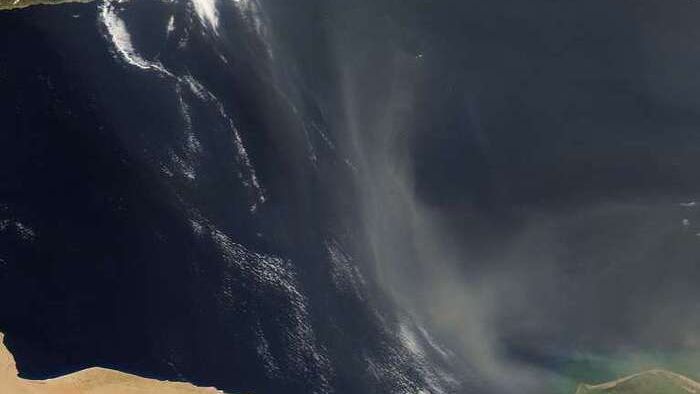
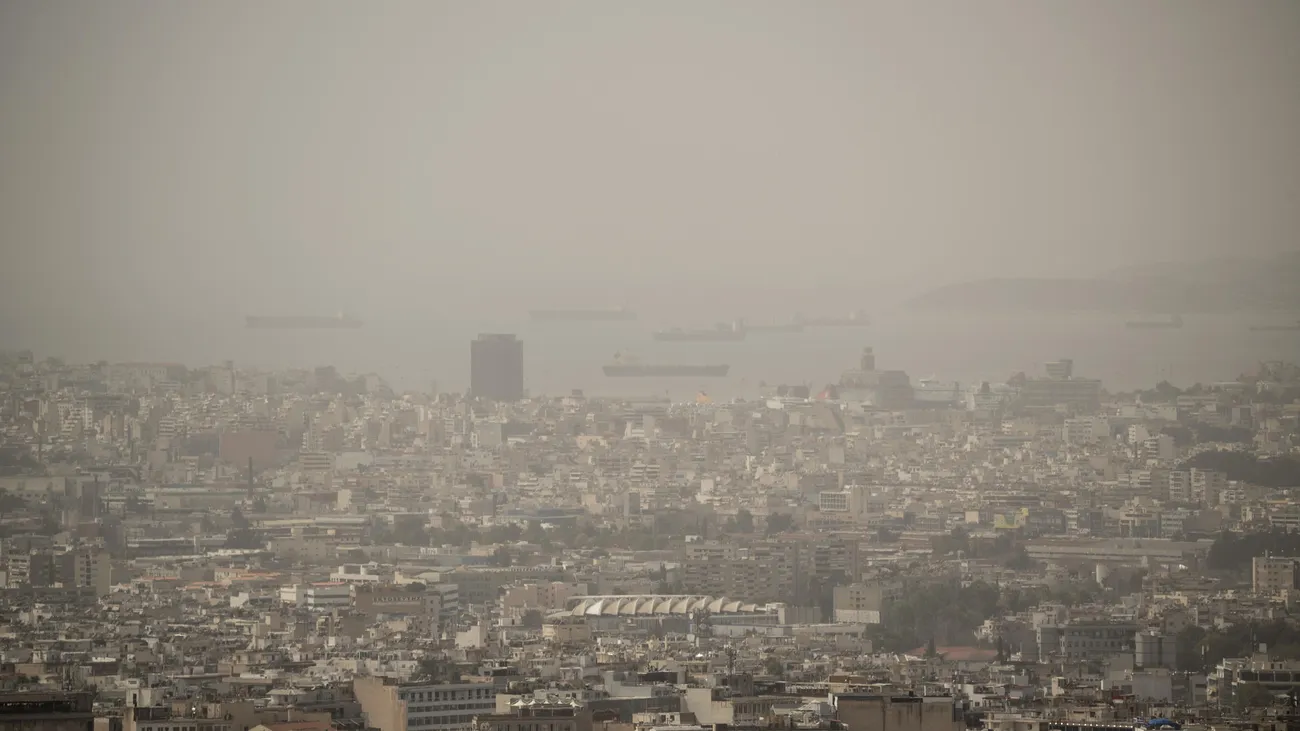
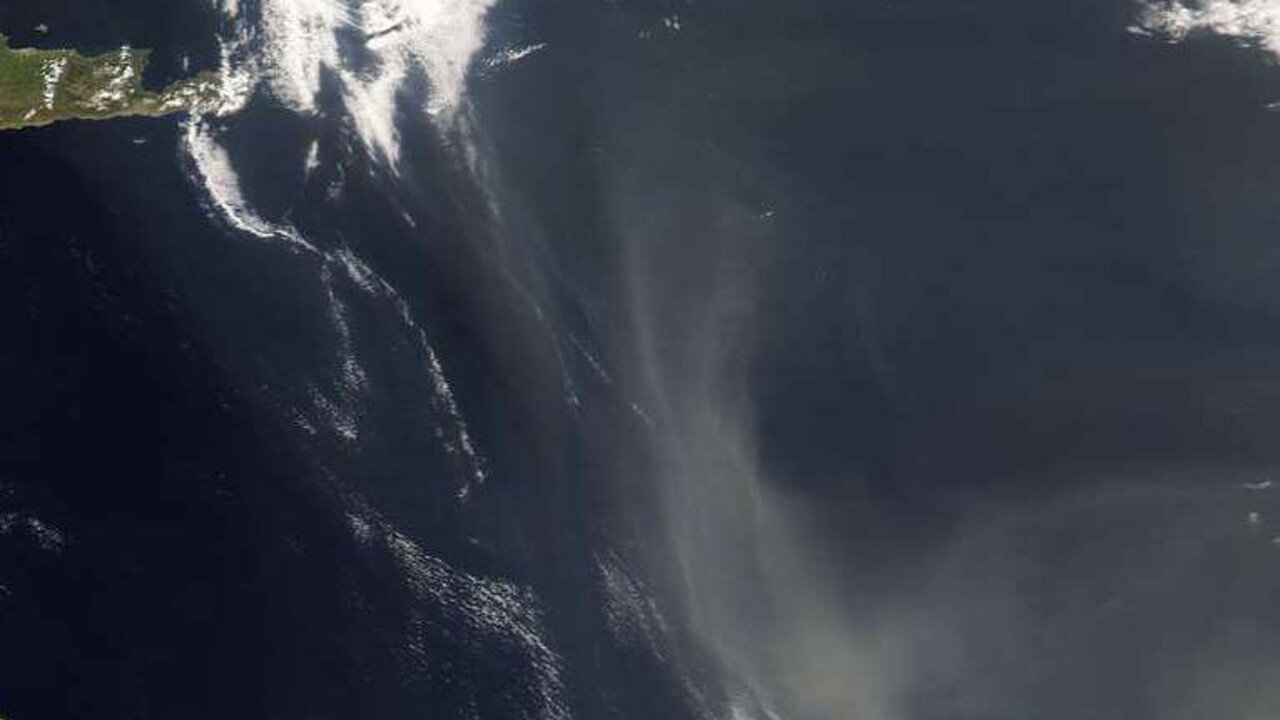
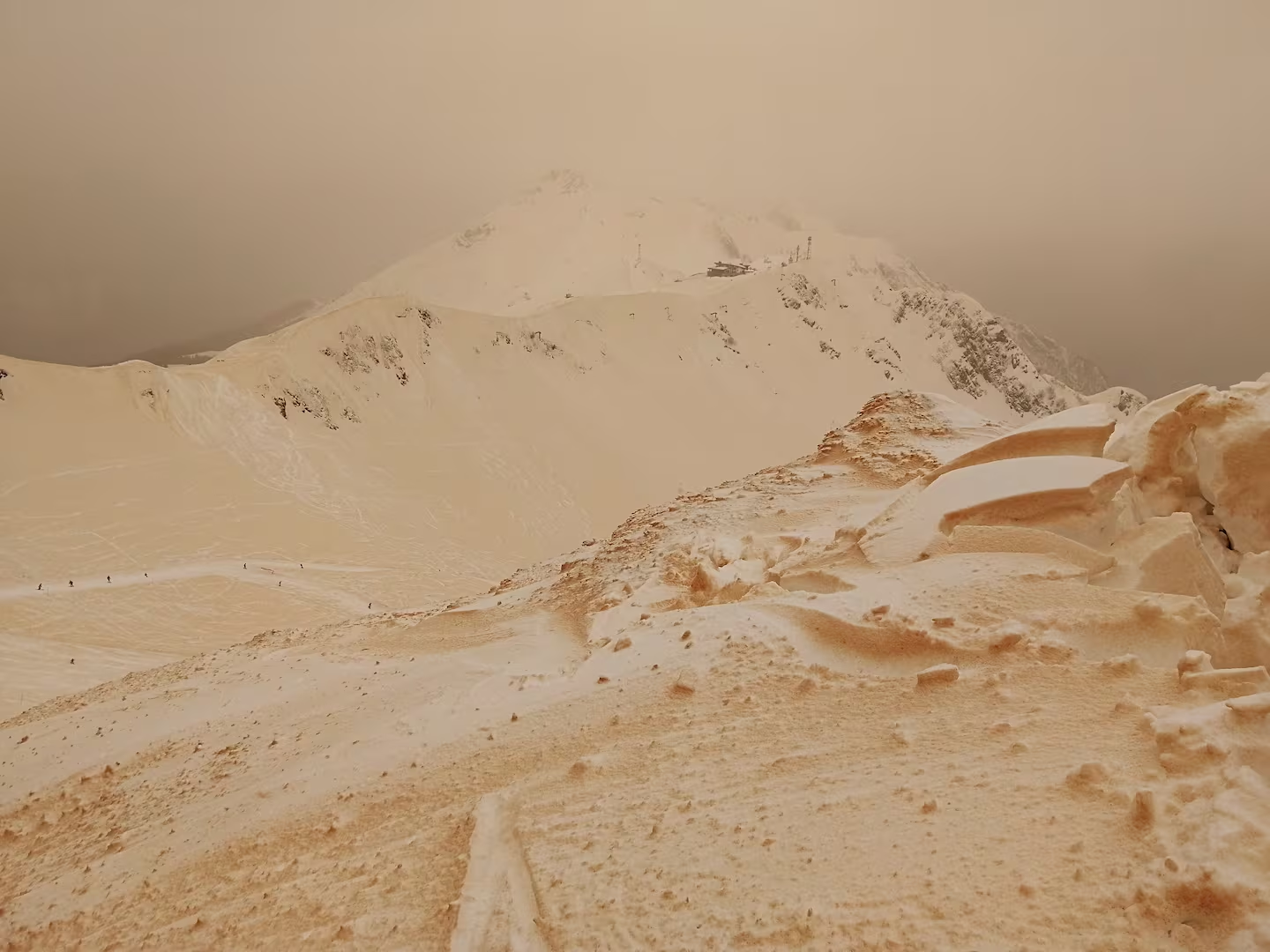
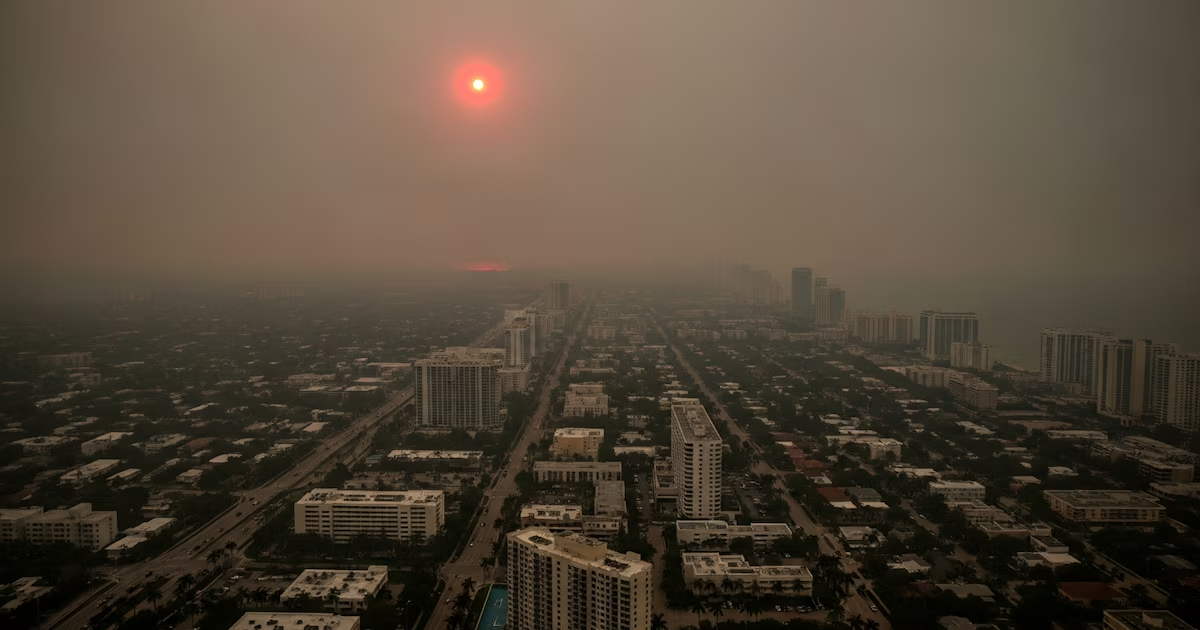
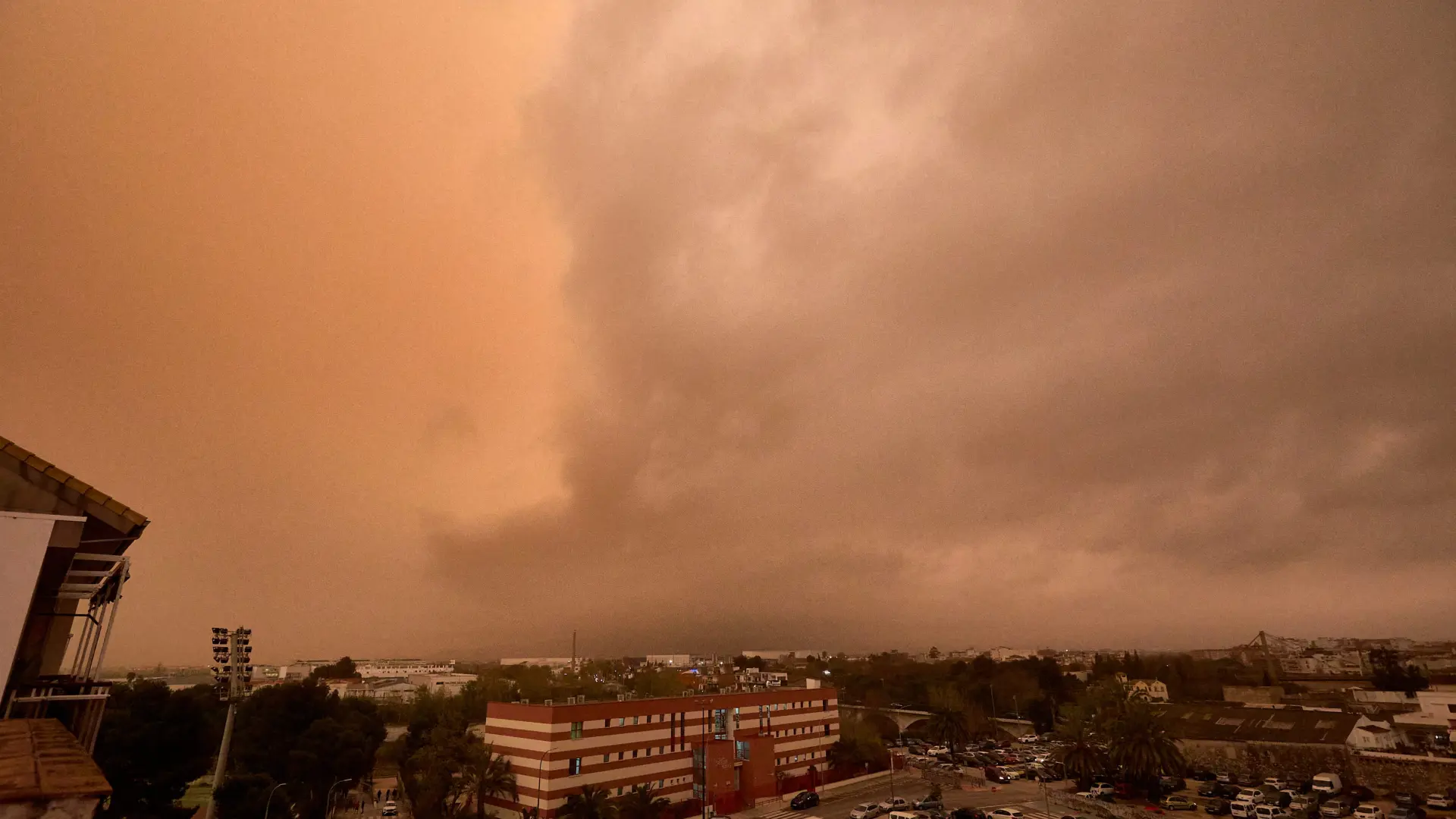
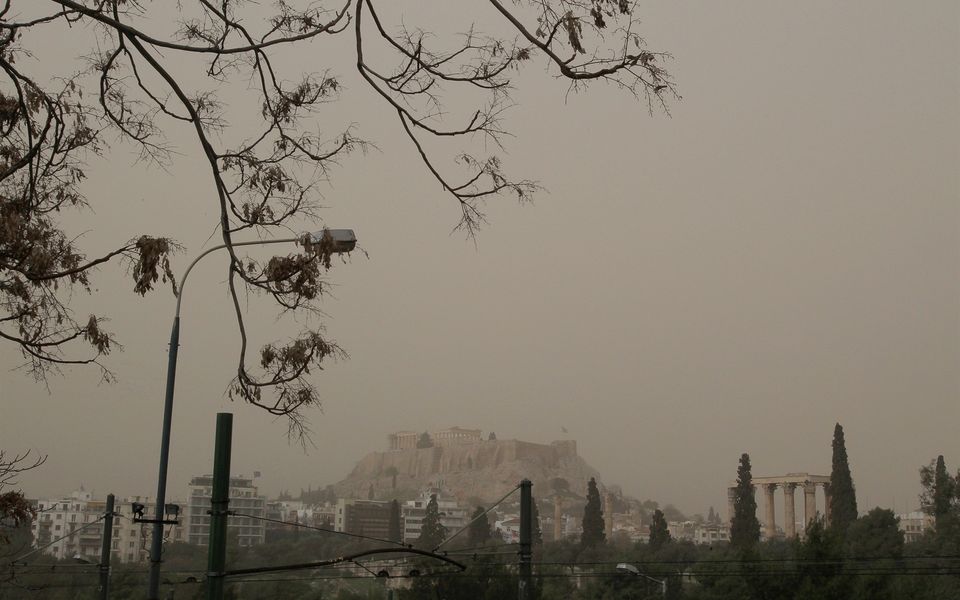
While, thanks to strict regulations, particulate matter air pollution due to emissions from human activity in transportation, households, and industry are decreasing in Europe, another source is developing in the opposite direction: desert dust.
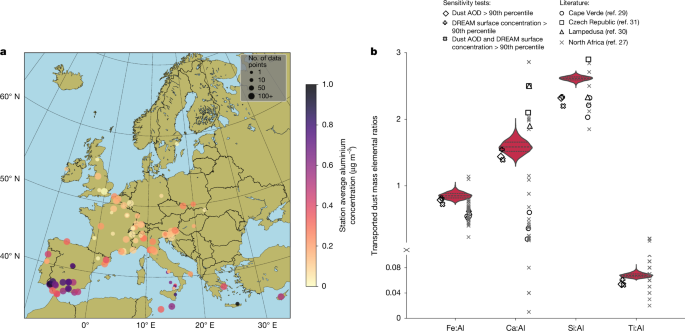
To determine more accurately the level of desert dust pollution in different regions of the continent, researchers at the Paul Scherrer Institute PSI, in cooperation with colleagues from across Europe, have collected data acquired over the past ten years from more than a hundred measuring stations and combined it with artificial intelligence. The result: in southern Europe, the average concentration of desert dust is 5.3 micrograms per cubic metre of air – more than twice as high as in central and northern Europe, where an average of 2.1 micrograms was measured. Overall, the amount of dust has increased by about half a microgram per cubic metre during this period. “That corresponds to an increase in this dust pollution of ten to twenty-five percent,” says project leader Kaspar Dällenbach from the PSI Center for Energy and Environmental Sciences. “This is not negligible, both in terms of the efficiency and cost-effectiveness of large solar installations and with regard to the health impacts of increased particulate matter pollution.”