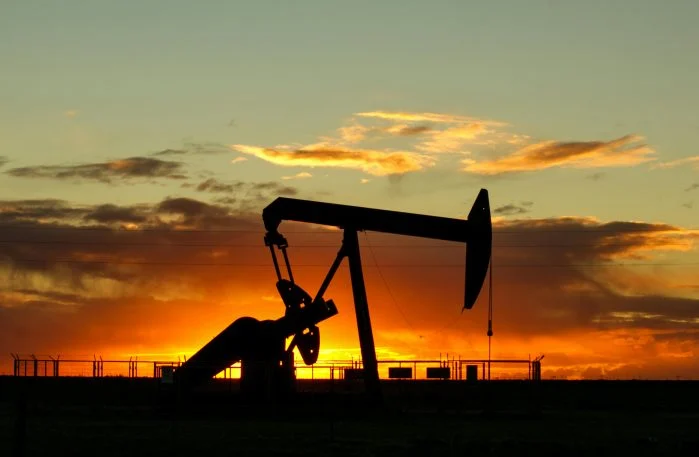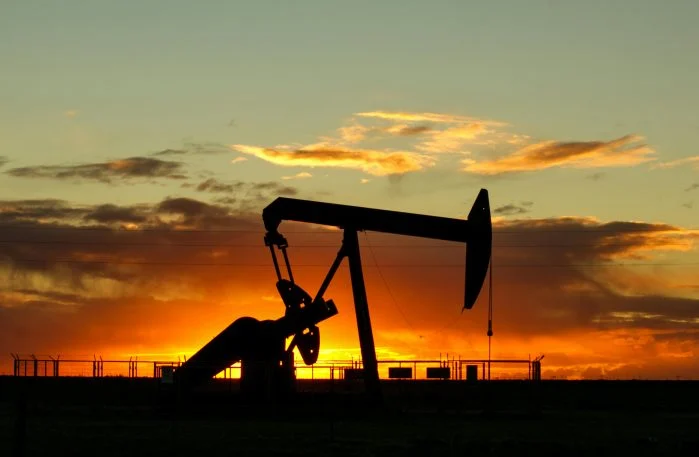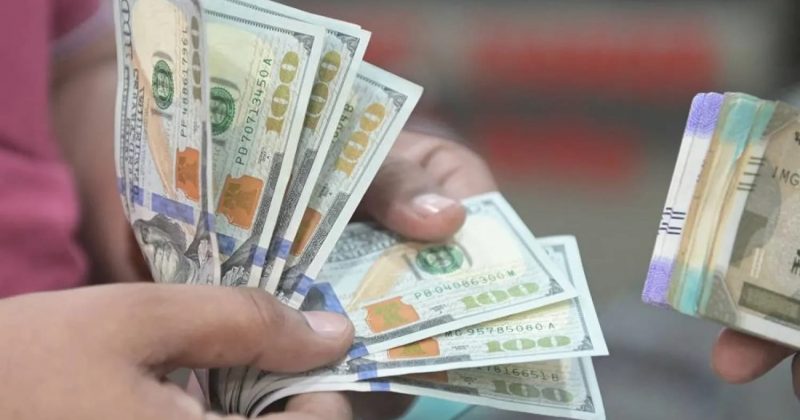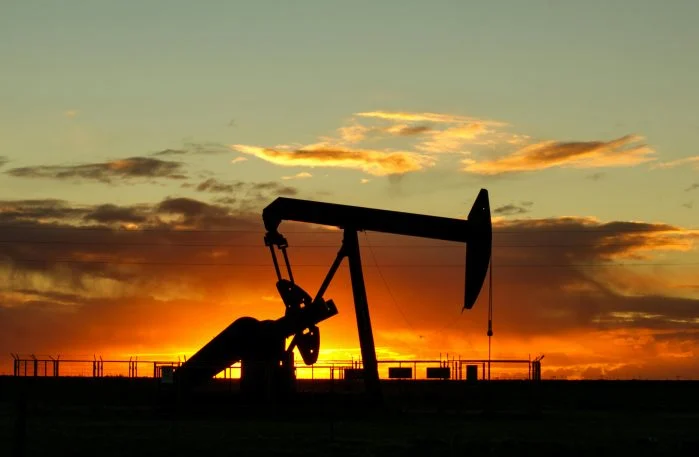
The U.S. dollar has weakened following a decrease in producer prices and escalating tensions in the Middle East. The U.S. Dollar Index (DXY) fell to 104.65 as the June Producer Price Index (PPI) showed a 5.5% year-over-year increase, down from 6.5% in May, indicating cooling inflation. Meanwhile, the Middle East remains tense with Iran’s obstruction of the Strait of Hormuz and U.S.-Israeli military actions targeting Iranian infrastructure. This geopolitical instability has kept Brent crude oil prices elevated above $100 per barrel, with a notable 40% surge over the past month.
The combination of cooling inflation and increased geopolitical risks is affecting market sentiment, with participants assessing the implications for crude oil prices and the potential for further dollar weakness. The cooling inflation reduces pressure on the Federal Reserve to maintain higher interest rates, potentially weakening the dollar’s yield advantage, while the Middle East tensions support higher oil prices, complicating inflation expectations.
Key Takeaways
The U.S. dollar’s decline appears linked to cooling producer prices, reducing pressure on the Federal Reserve’s rate policy.
Escalating Middle East tensions, including Strait of Hormuz obstructions, suggest increased geopolitical risk supporting higher oil prices.