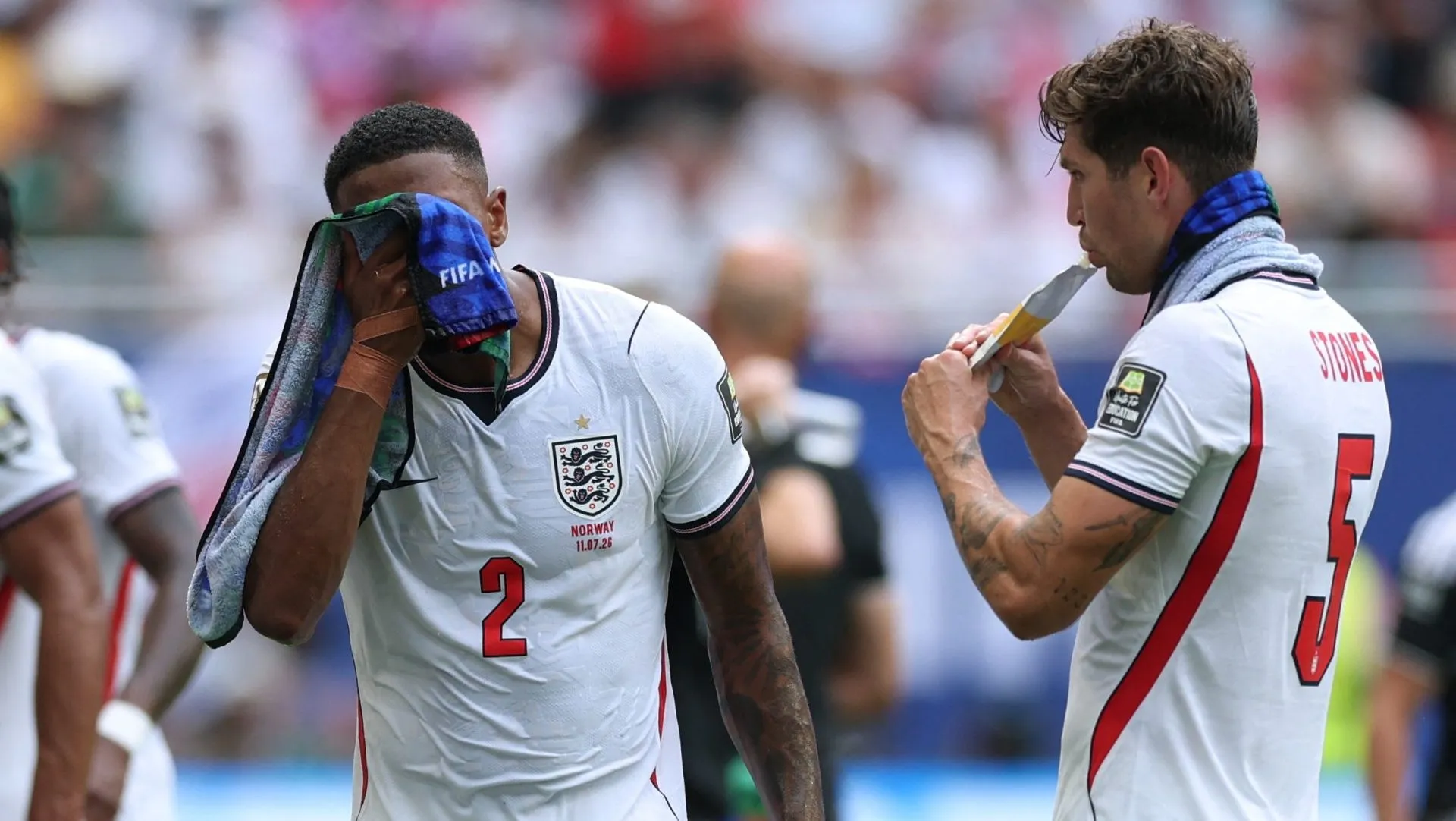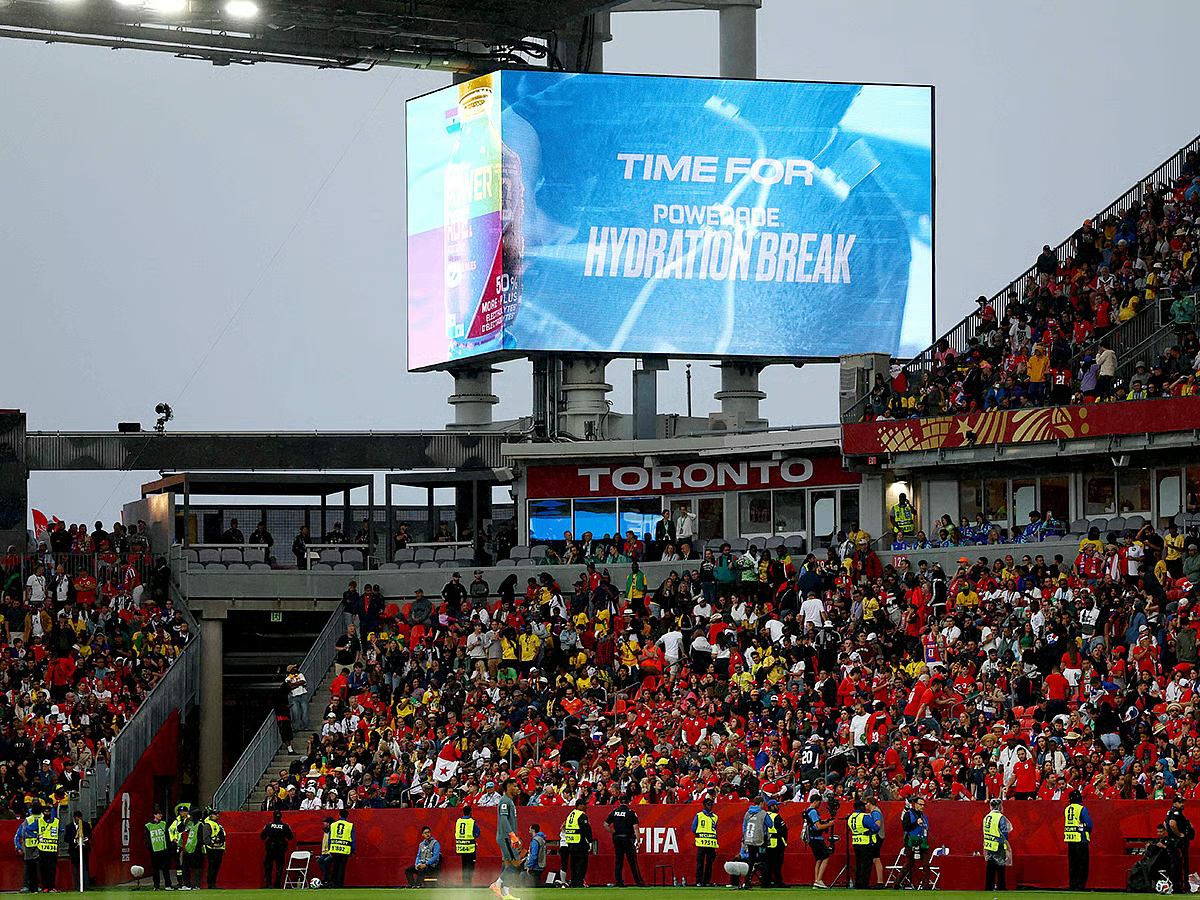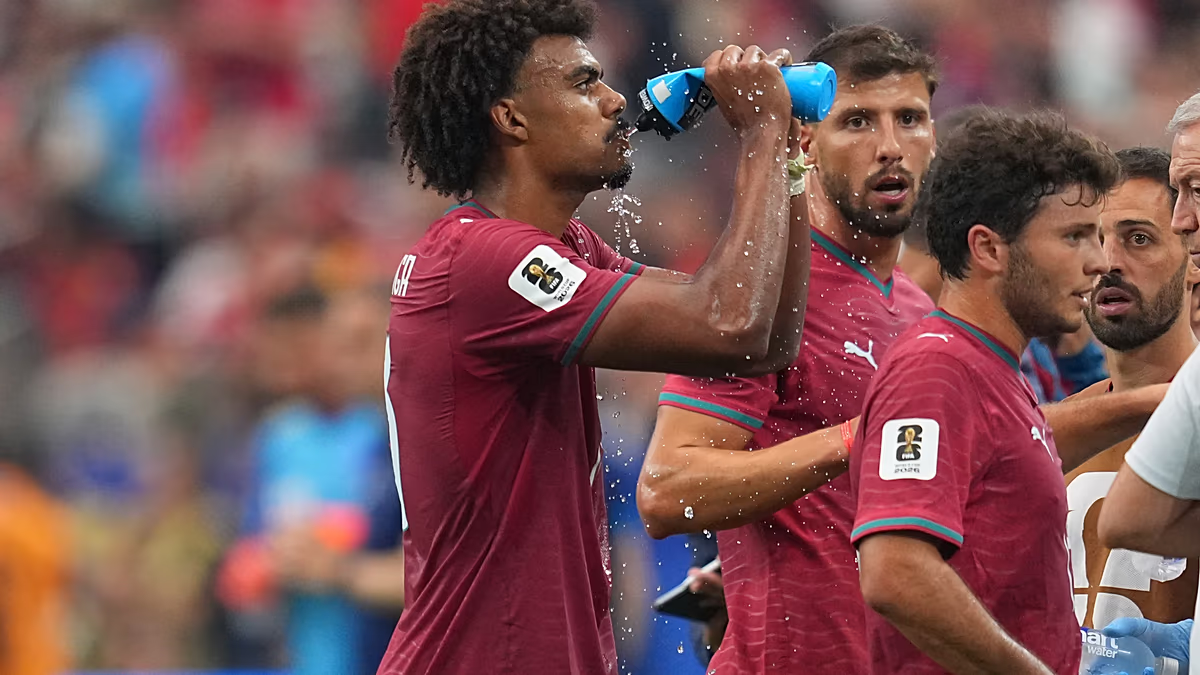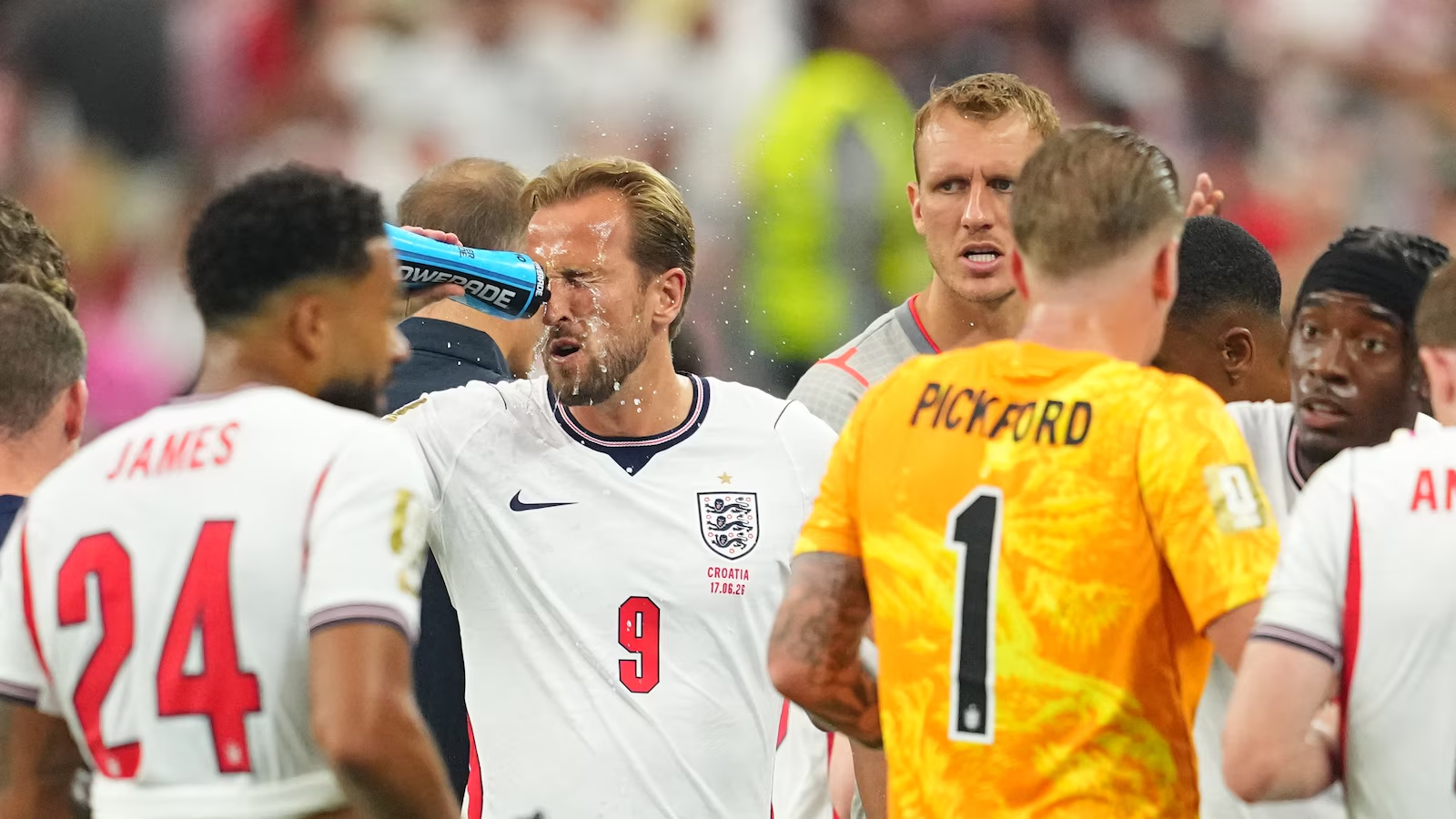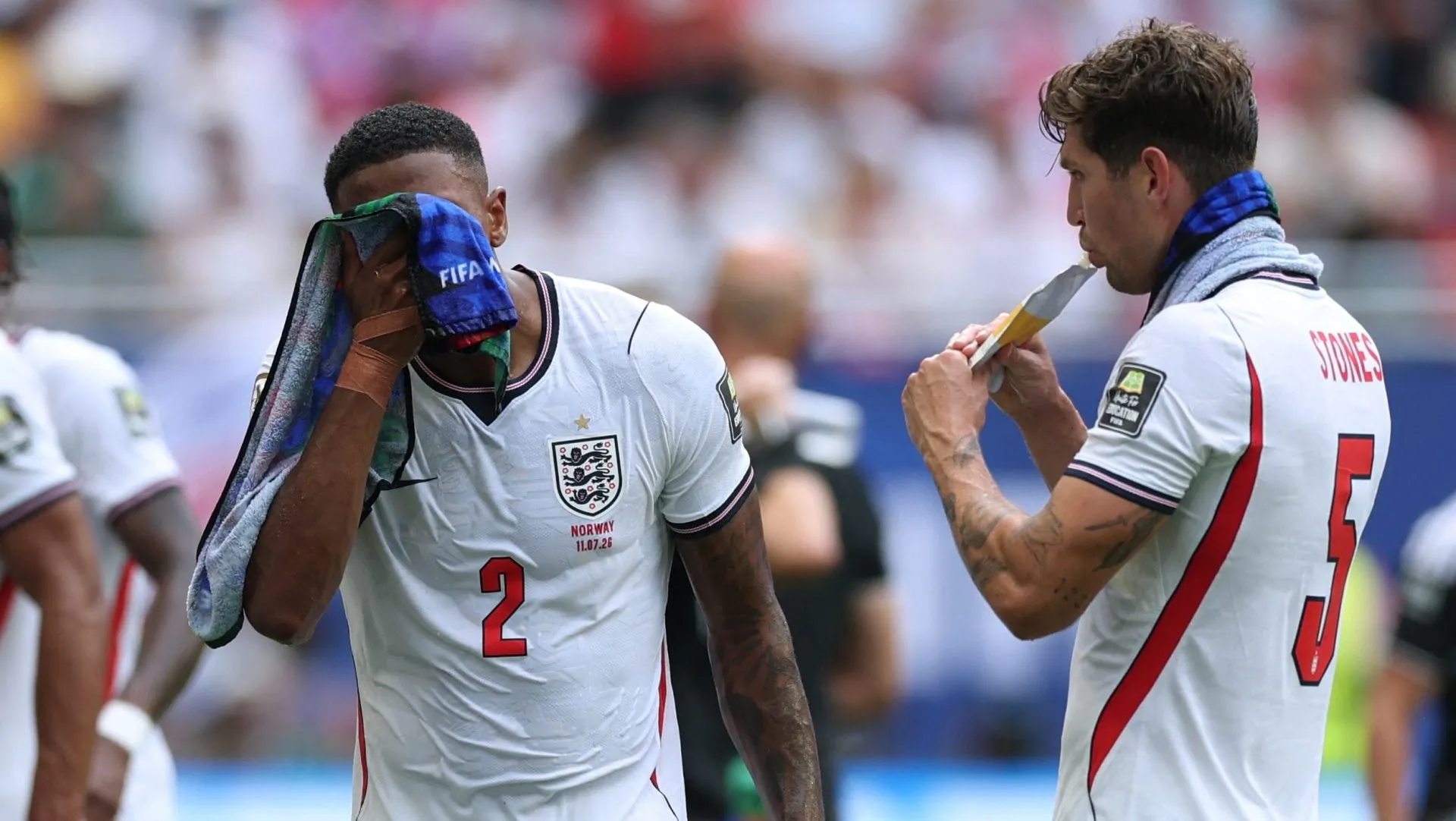
Extreme heat has changed the way this year’s World Cup is played. For the first time, referees have stopped every match for mandatory three-minute hydration breaks around the 22nd and 67th minutes.
FIFA introduced the policy as a supposed player-welfare measure amid concerns about competing through North American heat. But the breaks have also given coaches a new kind of tactical timeout and broadcasters a commercial window in a sport traditionally built around continuous play.
The breaks are now expected to become a significant topic in future soccer media-rights negotiations, ESPN has reported, and Fox banked hundreds of millions in revenue from from hydration-break advertising alone.
FIFA’s new policy has drawn criticism from players and coaches, particularly during matches played in cool or climate-controlled conditions. “If it’s really hot, obviously it would be good to put them in,” said Netherlands captain Virgil van Dijk. “But I think you have to look at it in every game, separately.”
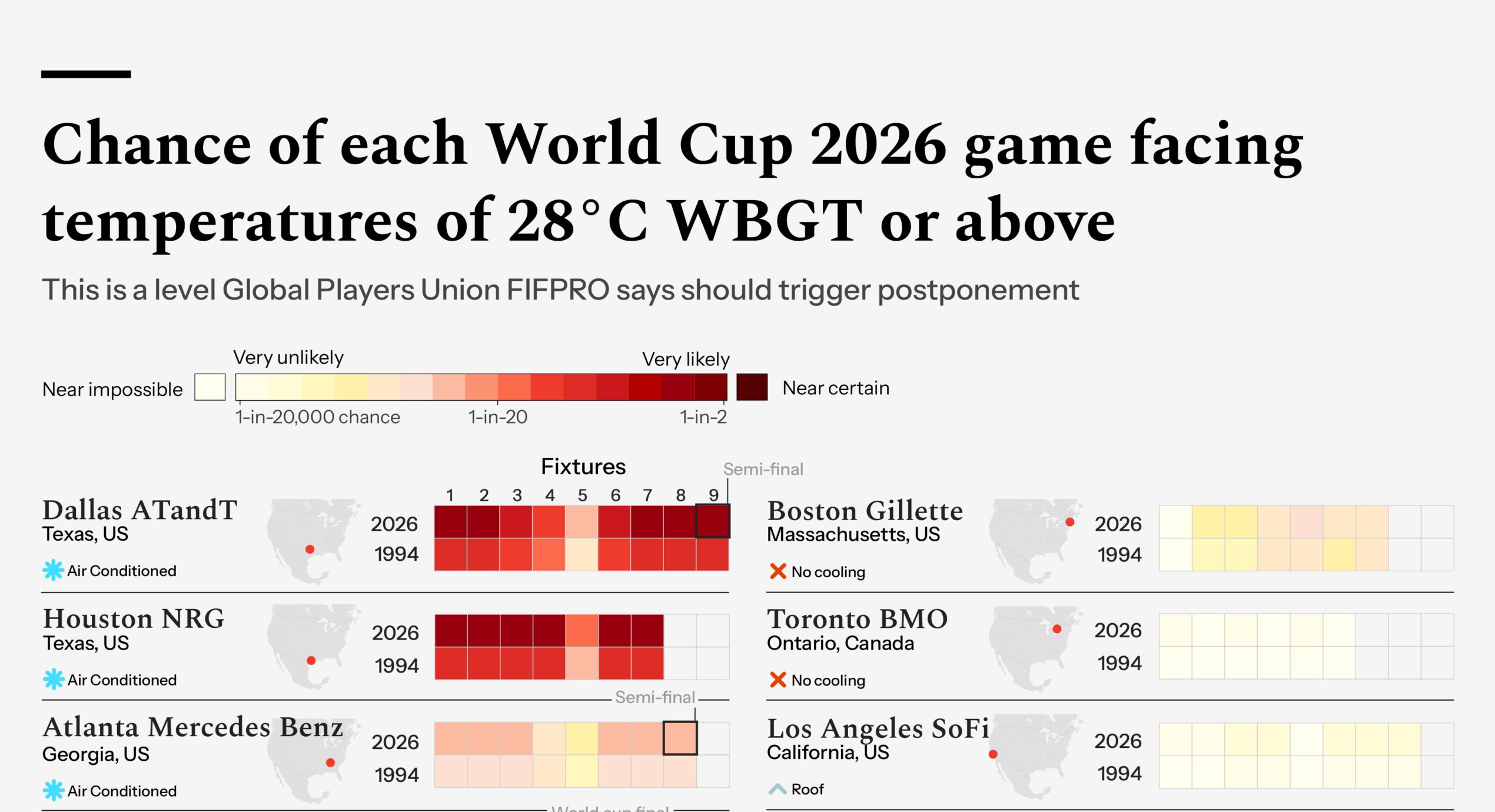
Though hydration breaks have been implemented in air conditioning and temperate conditions, some U.S. World Cup games have been genuinely brutal. A Guardian analysis estimated that nine group stage matches were played in conditions that met Fifpro’s threshold for delaying or postponing play. The global players’ union recommends cooling breaks when the ambient temperature exceeds 86 degrees and delaying or postponing matches above 97 degrees. Temperatures at the France-Paraguay game hovered around 100 degrees in Philadelphia, and the England-Norway quarterfinal game had temperatures of 92 degrees and higher in Miami.