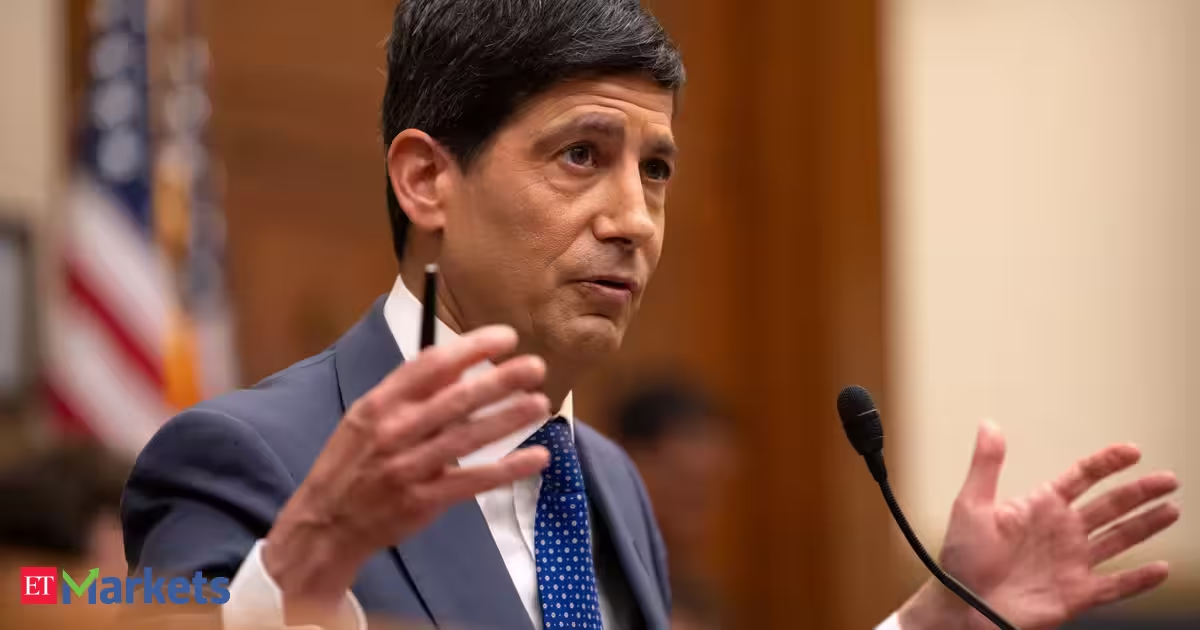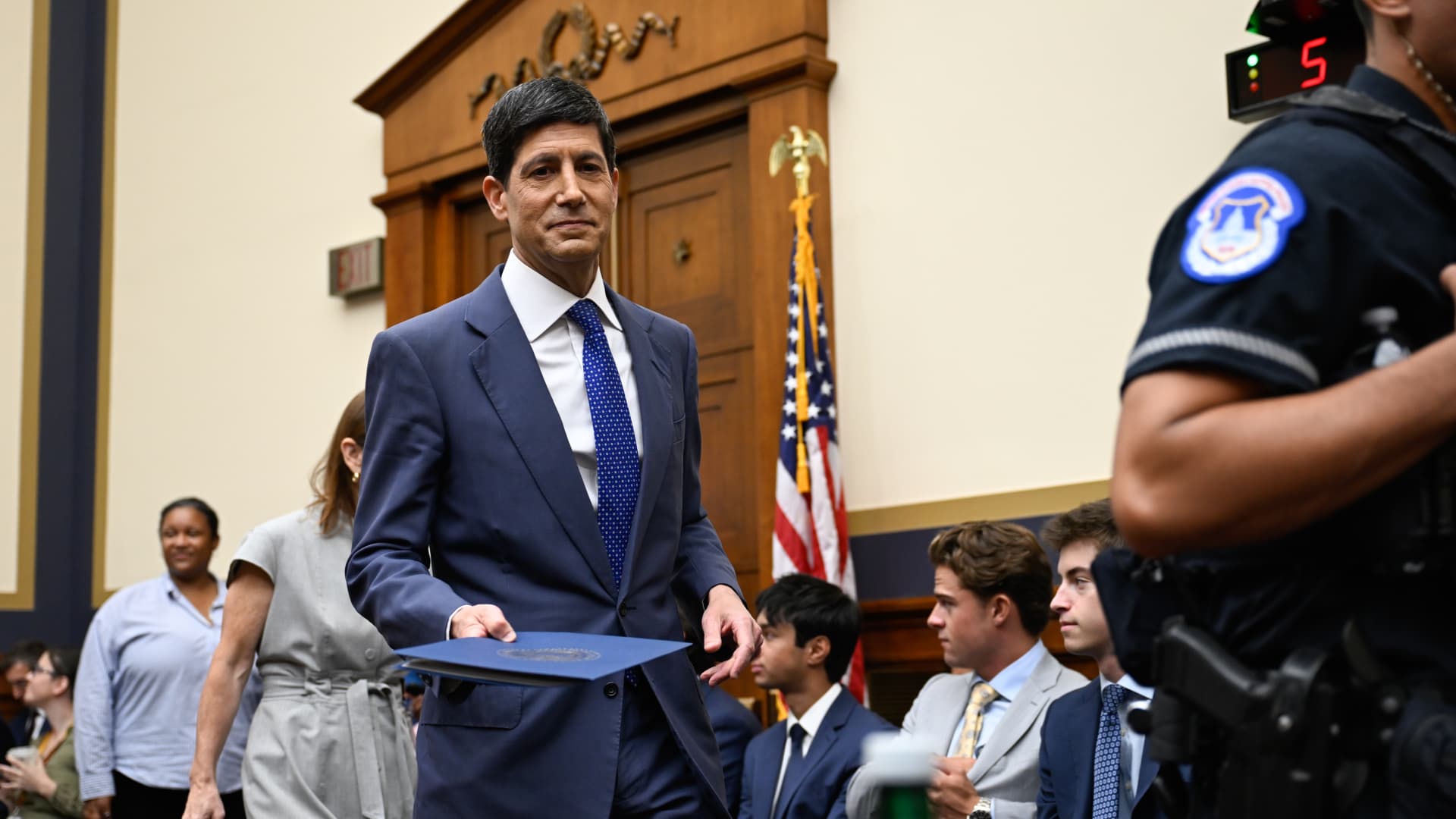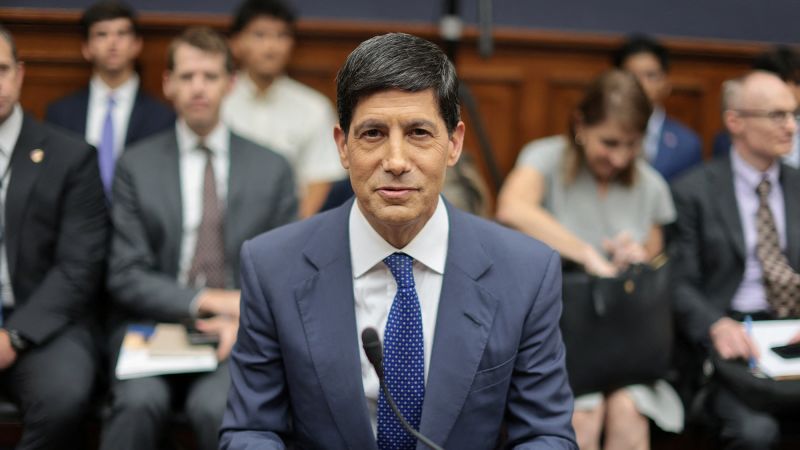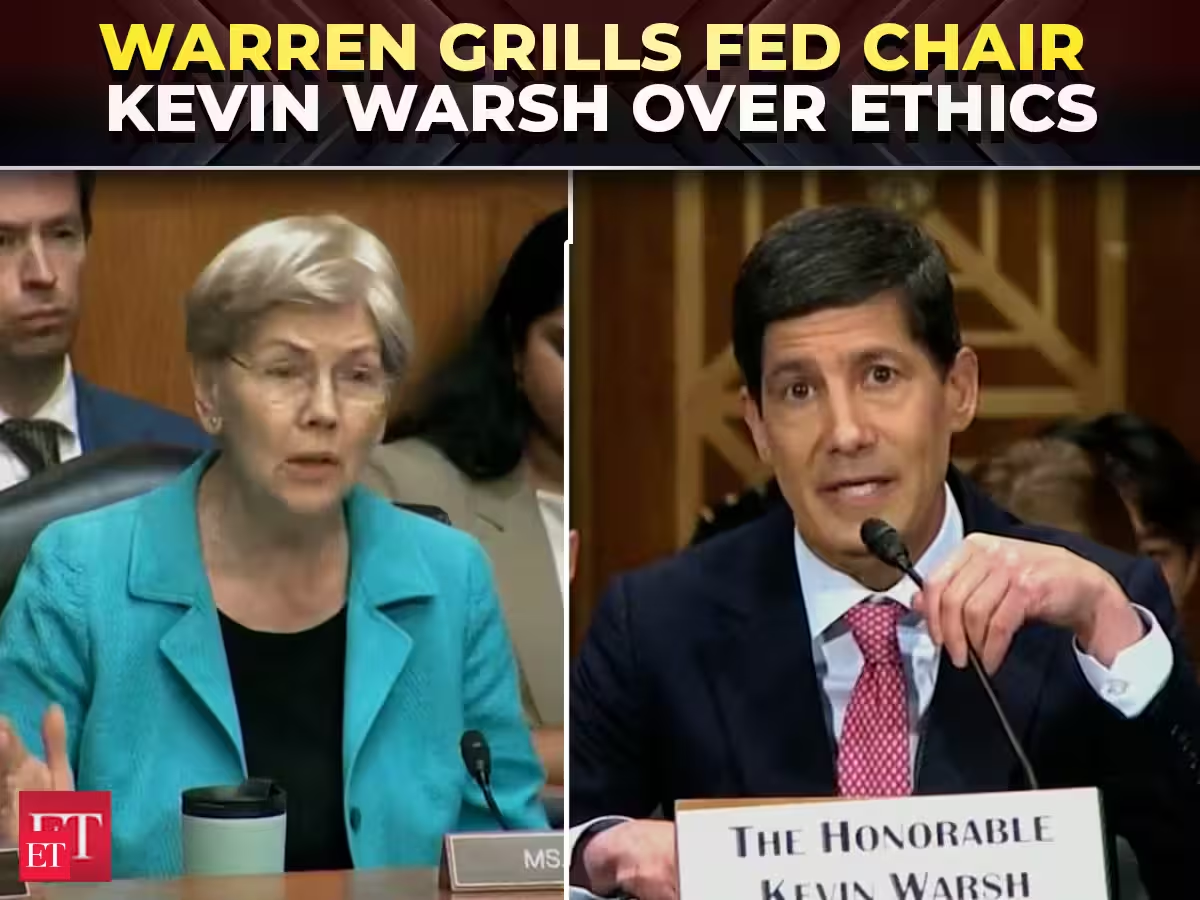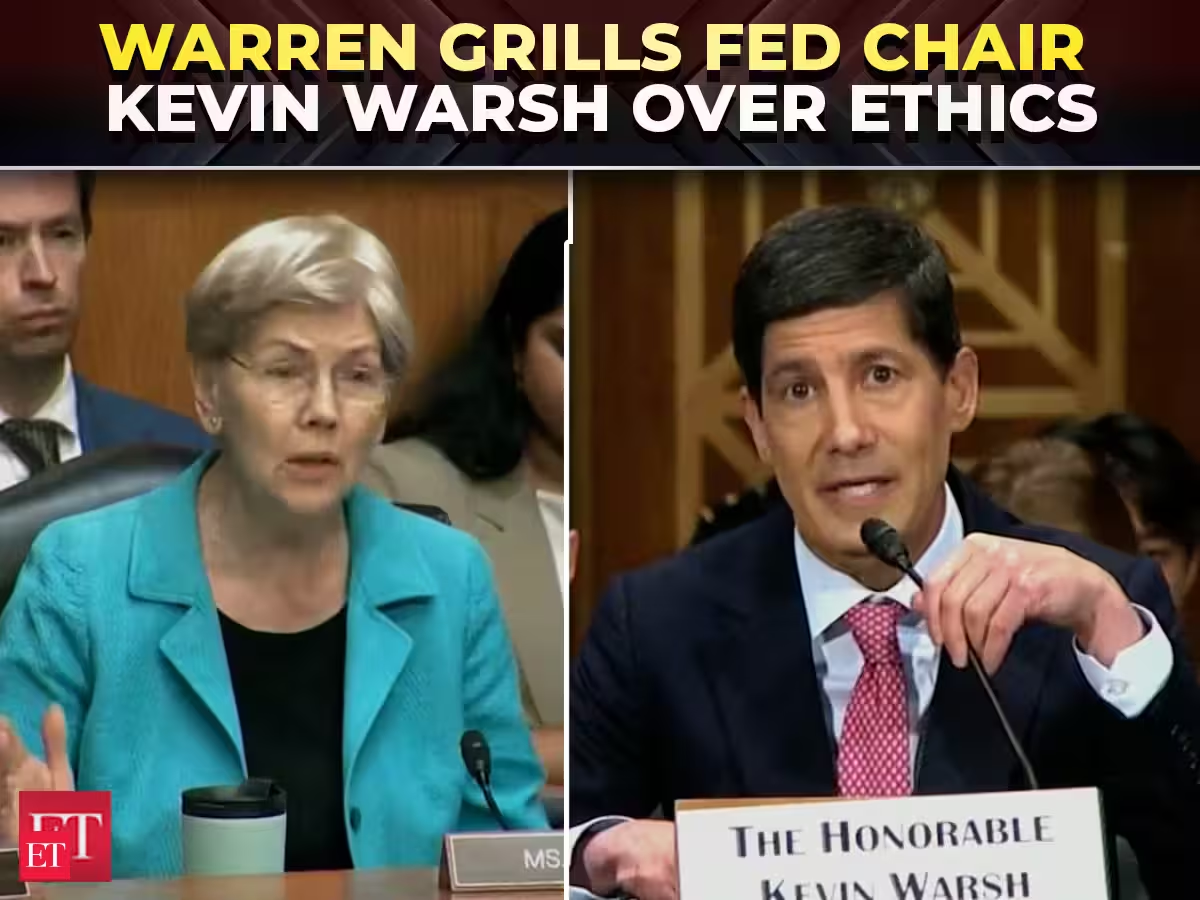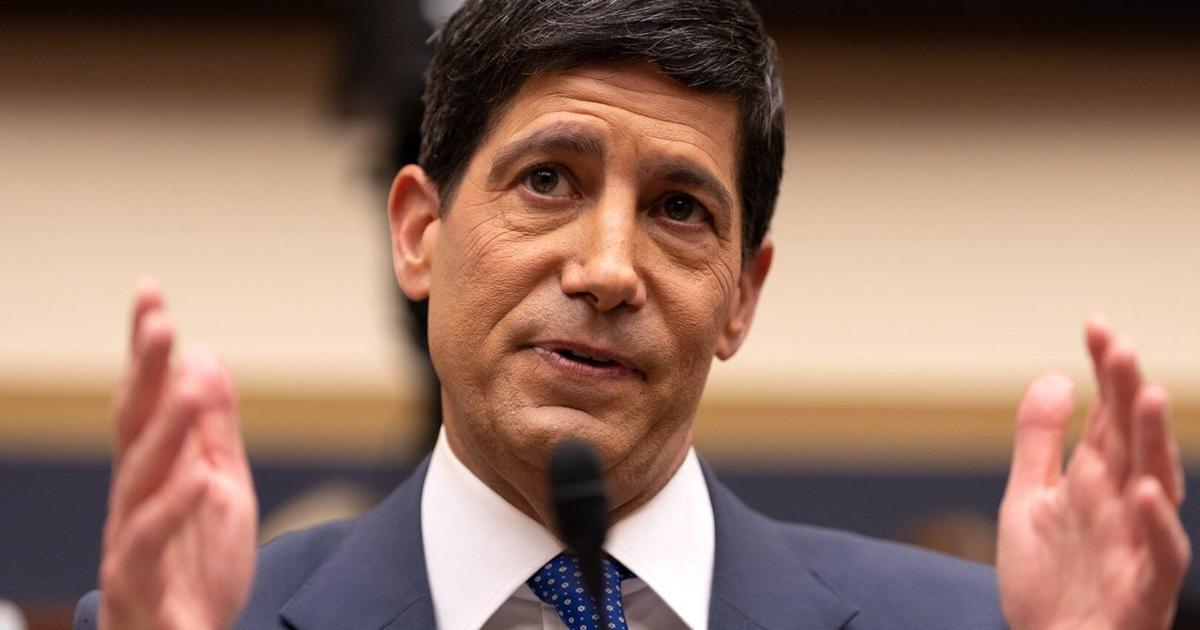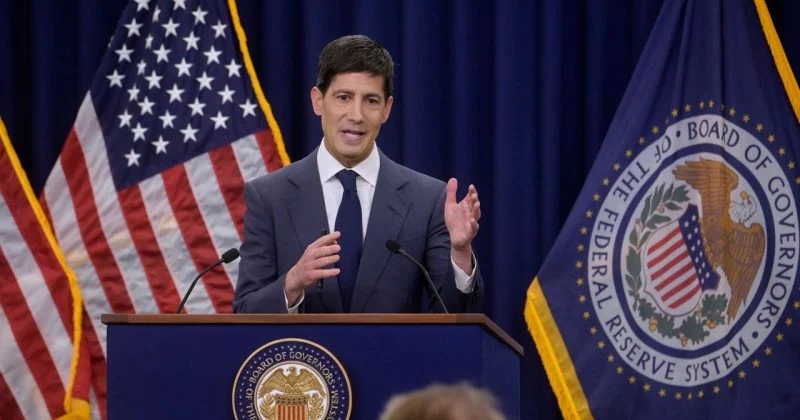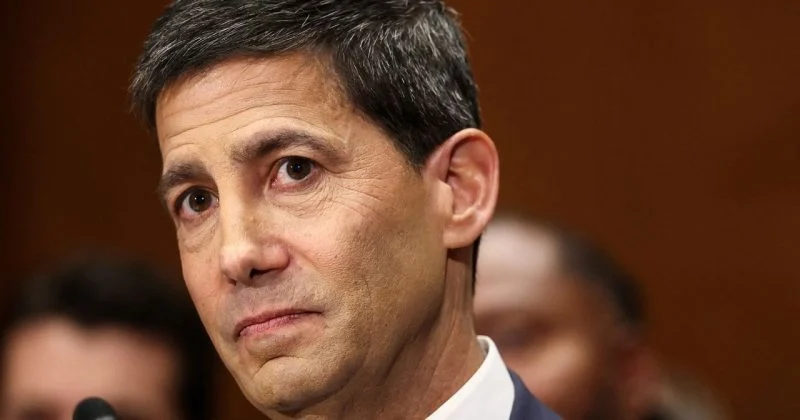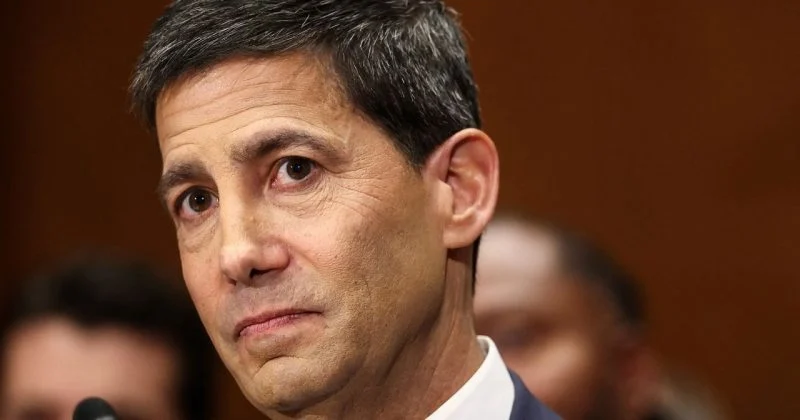
Kevin Warsh has barely settled into his chair at the Federal Reserve, and Congress is already asking uncomfortable questions. Two months after being sworn in as Fed Chair, Warsh appeared before the Senate Banking Committee on July 15, 2026, to address growing concerns about the central bank’s record-keeping practices and how it enforces trading blackout rules for its officials.
His answer on the most serious concern was direct: the Fed has no reason to believe criminal activity is occurring, but the institution will cooperate fully with any investigation that lawmakers or oversight bodies pursue.
What exactly is at issue
The Fed’s blackout period is one of the more straightforward governance tools in central banking. In the days before and after a Federal Open Market Committee meeting, Fed officials are prohibited from trading certain securities and from making public statements that could move markets. The idea is simple: people with advance knowledge of interest rate decisions should not be profiting from that knowledge.
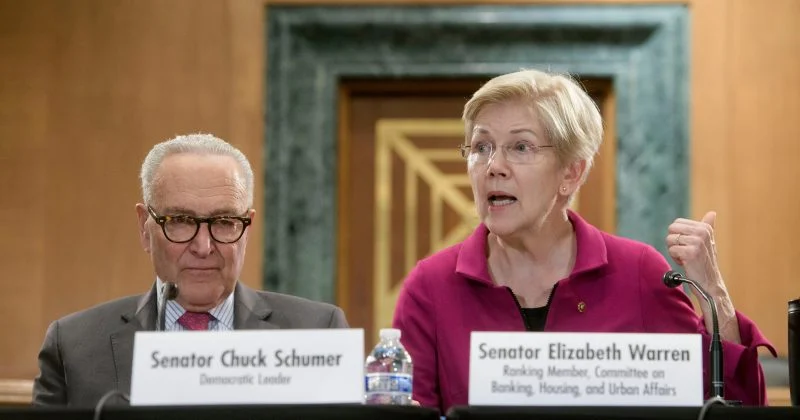
The concern raised by lawmakers, including Senator Elizabeth Warren, is that record-keeping policies may have been loosened in ways that make it harder to verify whether officials are actually complying with those restrictions.