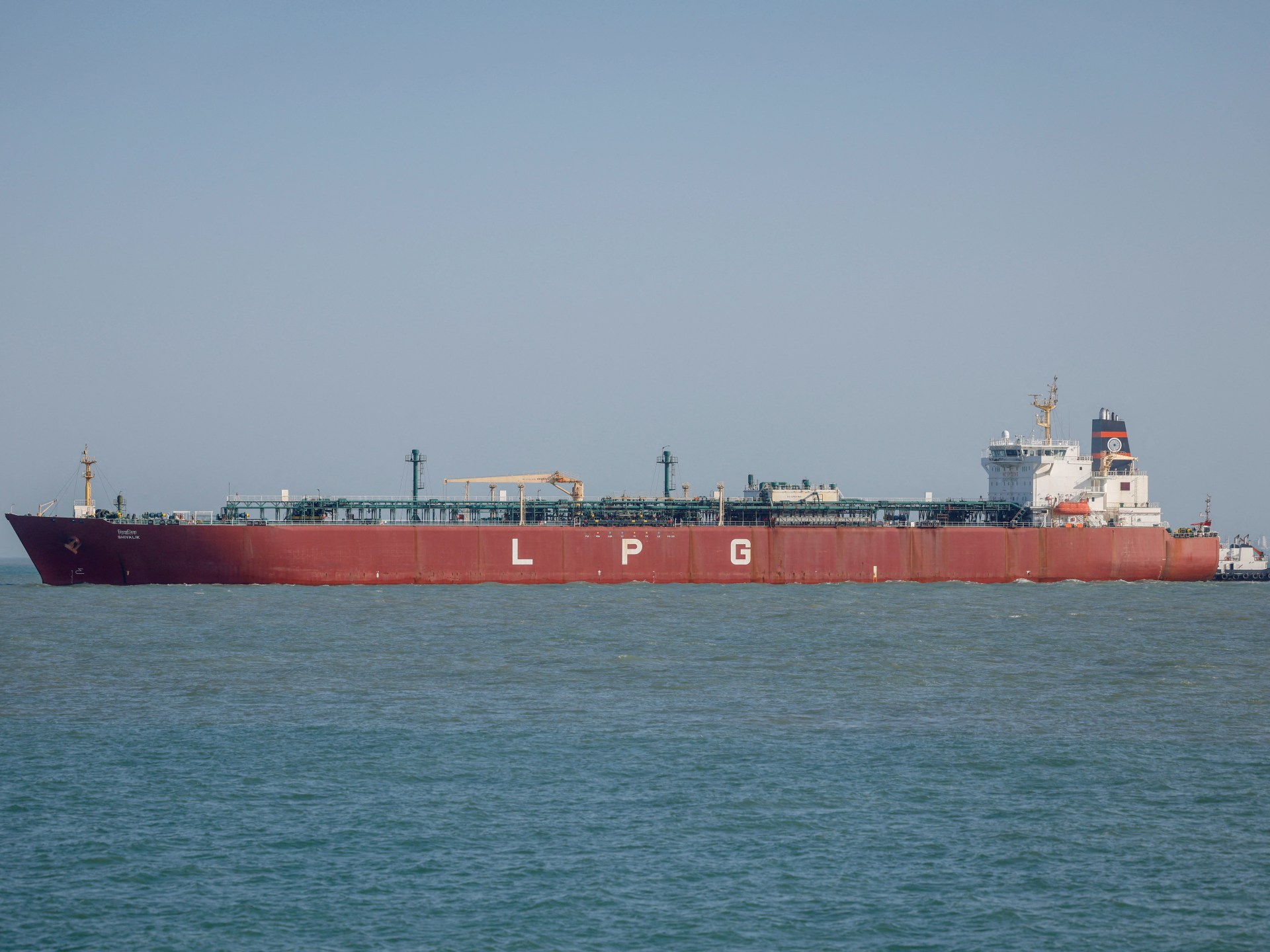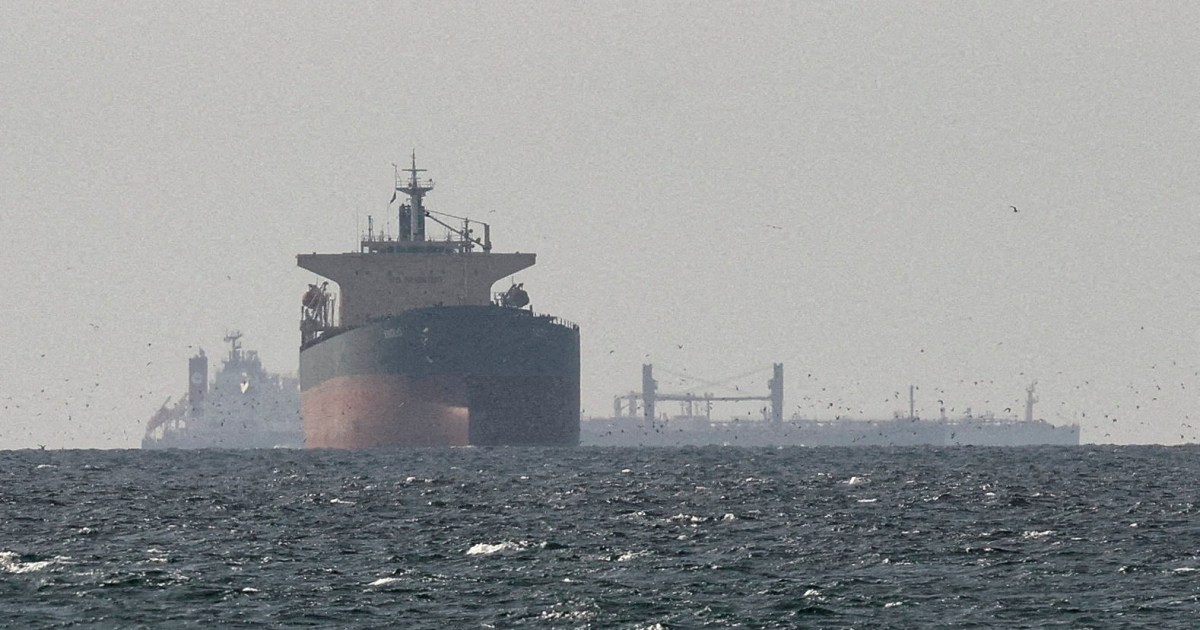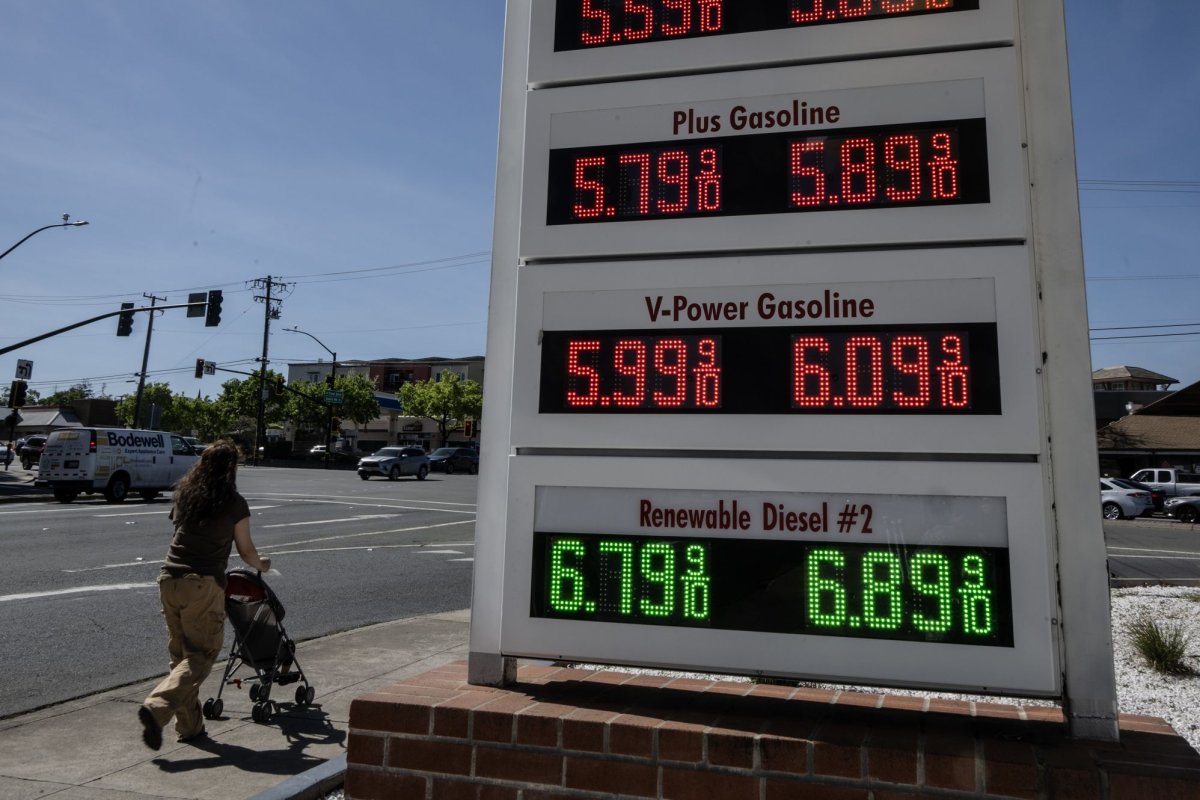
The Trump administration extended its Jones Act waiver by 90 days on April 24, 2026, keeping the door open for foreign-flagged vessels to haul oil, LNG, and hundreds of other commodities between US ports. The move is a direct response to the ongoing Iran conflict that shut down the Strait of Hormuz on February 28 and sent energy prices on a rollercoaster that crypto traders know all too well.
What the Jones Act waiver actually does
The Jones Act, passed in 1920, requires that goods shipped between US ports travel on American-built, American-flagged, American-crewed vessels. When “Operation Epic Fury” led to the closure of the Strait of Hormuz in late February, global oil transportation got scrambled almost overnight. The administration responded with a 60-day waiver on March 17-18, covering at least 659 product categories and letting foreign vessels handle domestic shipments to keep supply chains intact.
That initial waiver was set to expire soon, which is why the 90-day extension matters. It pushes the waiver out to roughly mid-August 2026, buying time for energy markets and logistics networks to adapt to what’s becoming a prolonged disruption.
Representative Ed Case of Hawaii had been sounding the alarm, calling for an additional 60-day extension on April 22, just two days before the administration went further with a 90-day window. Hawaii’s near-total dependence on maritime fuel imports made the state a canary in the coal mine for what happens when domestic shipping constraints collide with a global energy crisis.