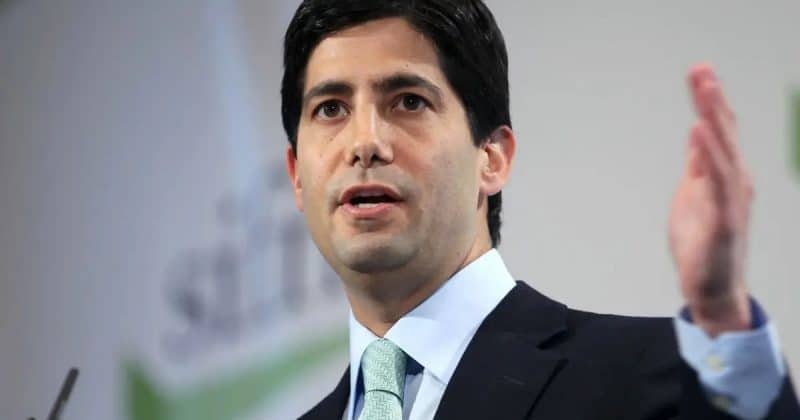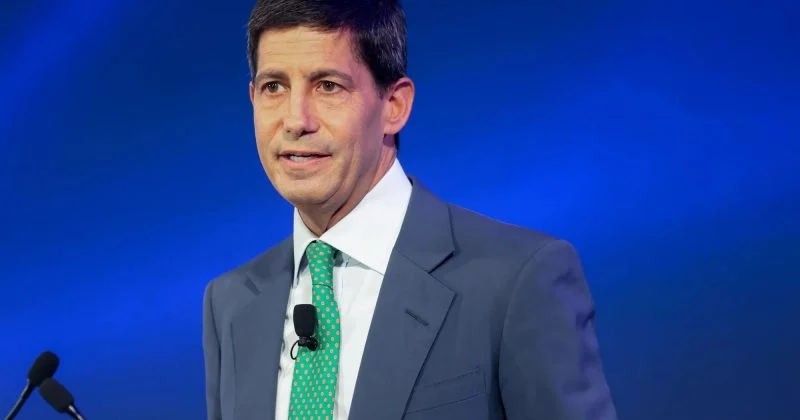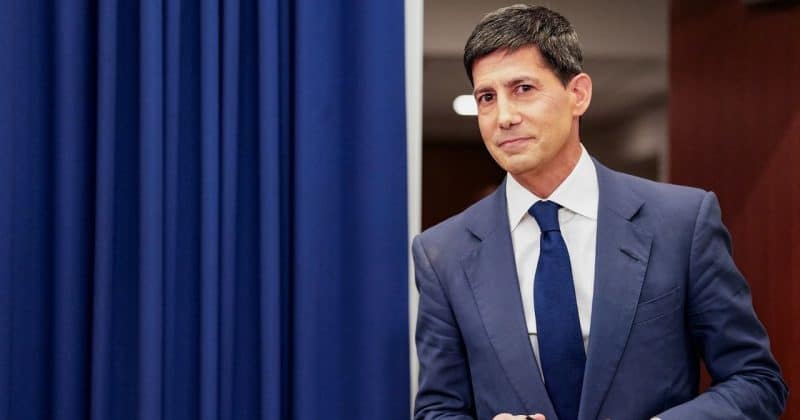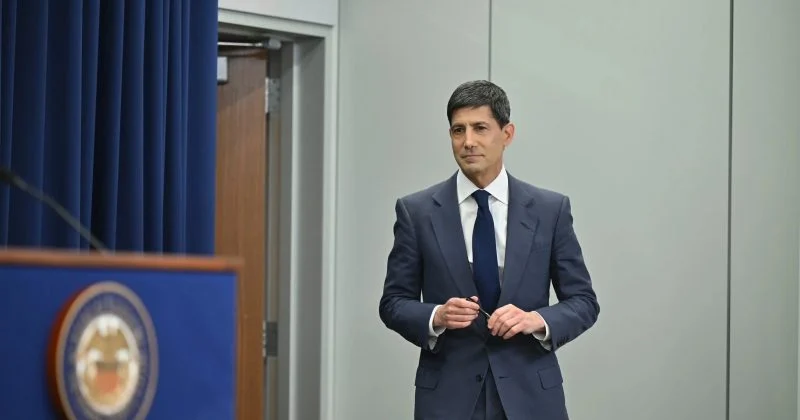
The new head of the Federal Reserve wants to rewrite the rulebook on how America tests whether its banks can survive a crisis. Kevin Warsh, sworn in as Fed Chair on May 22, has made it clear that the stress testing regime born from the 2008 financial meltdown is due for what he calls “substantial reforms.”
For crypto markets, the headline story is the banking overhaul itself. But the subplot is arguably more interesting: Warsh holds disclosed stakes in several crypto-related entities, including positions tied to Solana, Optimism, Compound, and other blockchain companies. The person now steering America’s central bank has skin in the digital asset game, even if he plans to divest.
What Warsh actually wants to change
During his Senate confirmation hearings in April, Warsh laid out his vision for reworking the Comprehensive Capital Analysis and Review process, better known as CCAR. These are the annual stress tests that determine how much capital the largest banks need to hold against potential catastrophic losses.
In his written responses dated April 21, he specifically flagged the need for “substantial reforms” to the process. One concrete proposal already on the table from 2025 involves averaging stress test results over two years rather than relying on a single annual snapshot. The logic is straightforward: smoothing results reduces the chance that one bad year’s model output forces a bank to dramatically and abruptly shift its capital strategy.