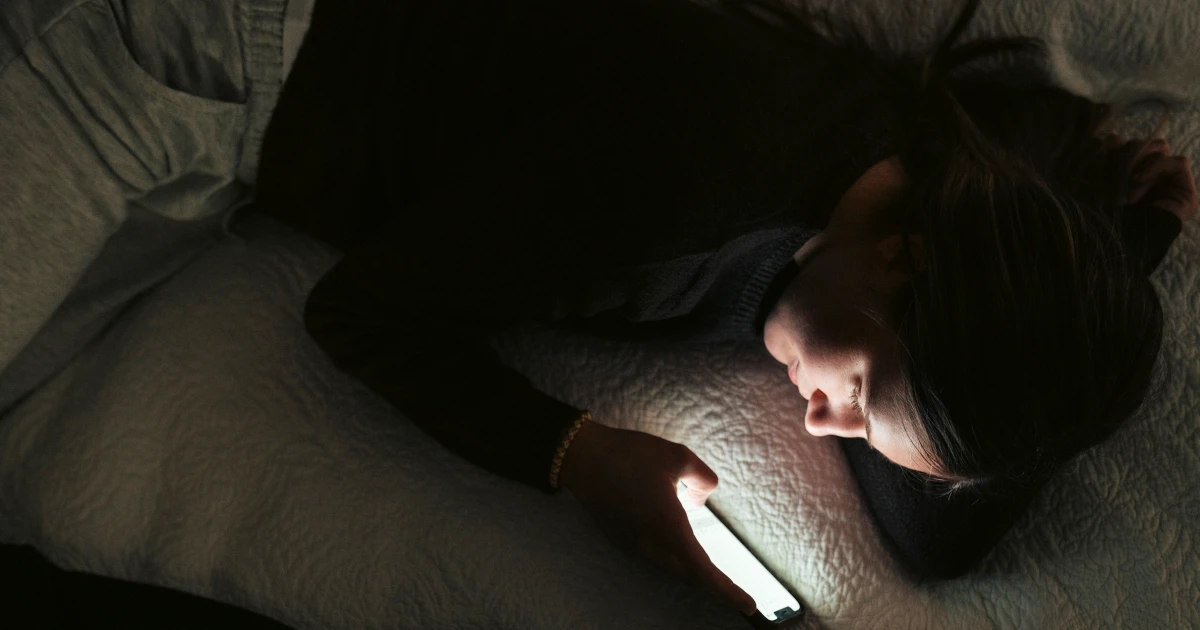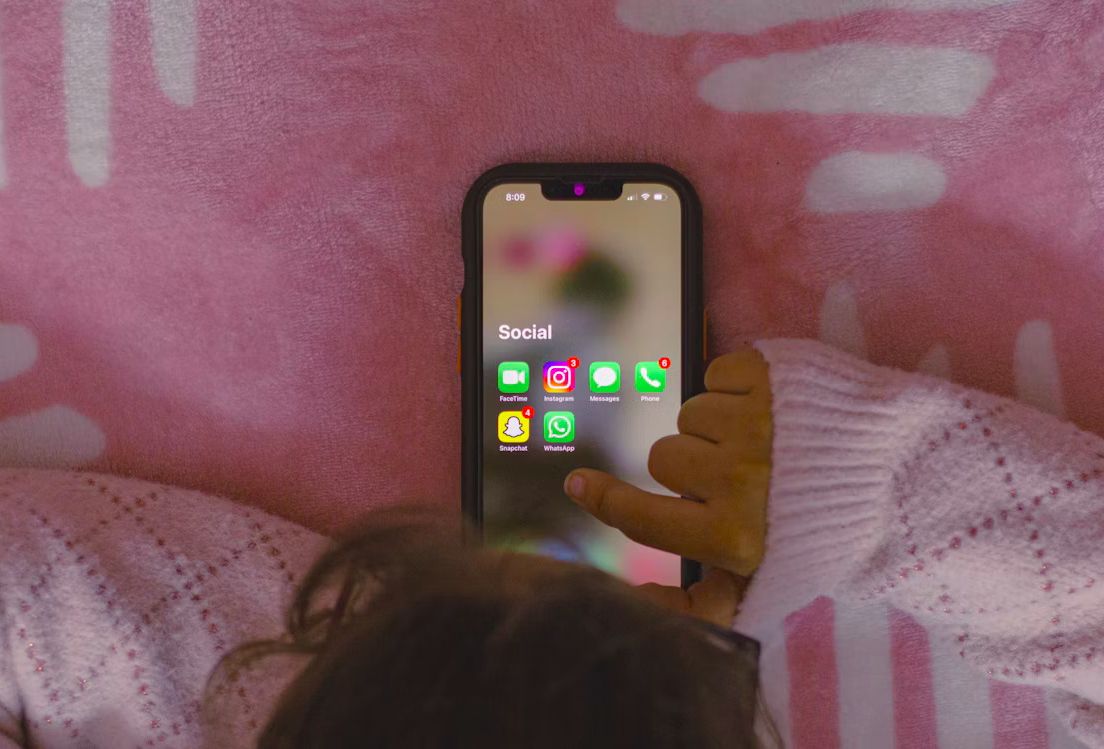
The United Kingdom government is planning a default online curfew between midnight and 6 am for 16- and 17-year-olds. But here’s the catch: the curfew is optional, meaning that families can switch it off whenever they want. Along with the curfew, the British government announced that addictive design features meant to increase engagement and scrolling time, such as autoplay and infinite scrolling, will also be switched off by default for the 16-17 age group. The fact that teens themselves can override the restrictions has critics worried about how efficient these bans will be at addressing the health concerns that come with addictive social media use, like poor sleep, depression, anxiety, and more. But the British government said the measures follow positive feedback from a first-of-its-kind pilot program involving 309 young people aged 13 to 17 across the UK. In the month-long pilot program, the teenagers faced three interventions: an overnight curfew between 9 pm and 7 am, 15-minute-a-day restrictions on app use, and the complete removal of some apps from their phones.
The pilot program found that the curfew was generally easier to adopt than other measures, and the ability to switch it off meant that parents could make exceptions for travel, sleepovers, or other instances where urgent communication is needed. The families reported that overnight curfews “quickly became part of their routine and helped improve sleep and concentration,” the government said in a release. But even then, some teenagers with the curfew imposed on their phones were able to evade it simply by switching to their laptops. The curfew was also harder to impose on weekends and school holidays, when the students’ routine changed, and teens tended to stay up later.