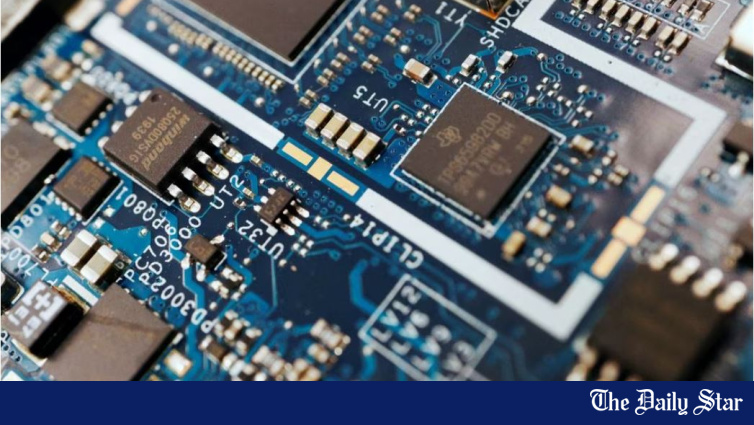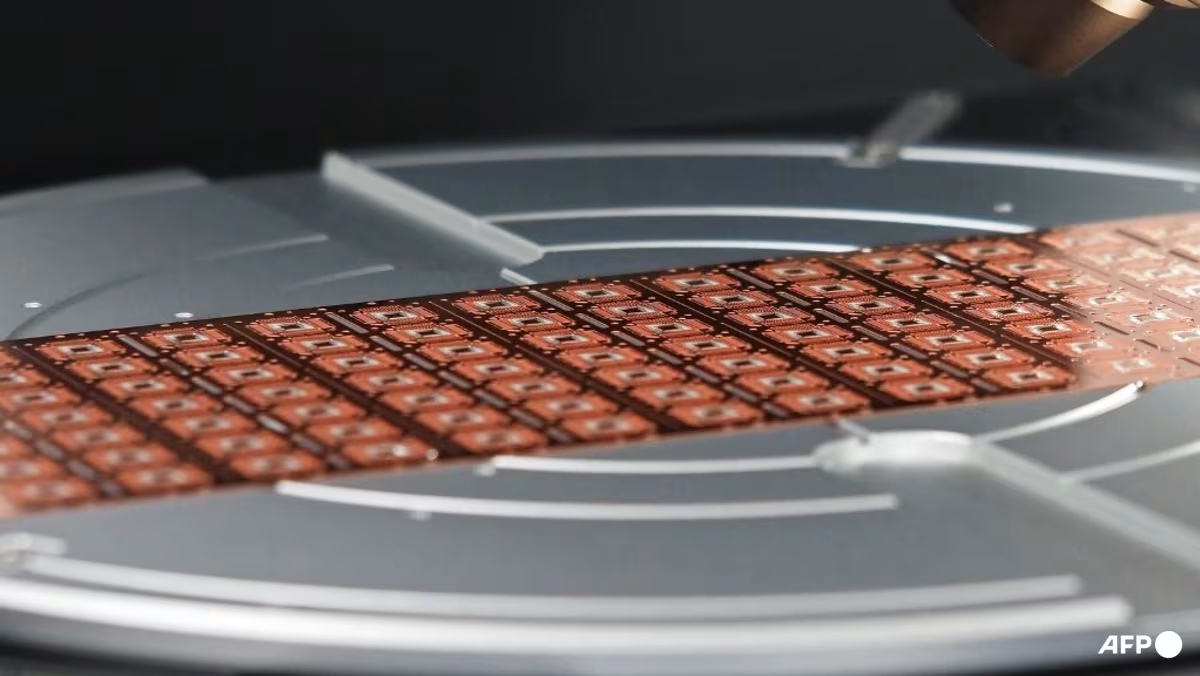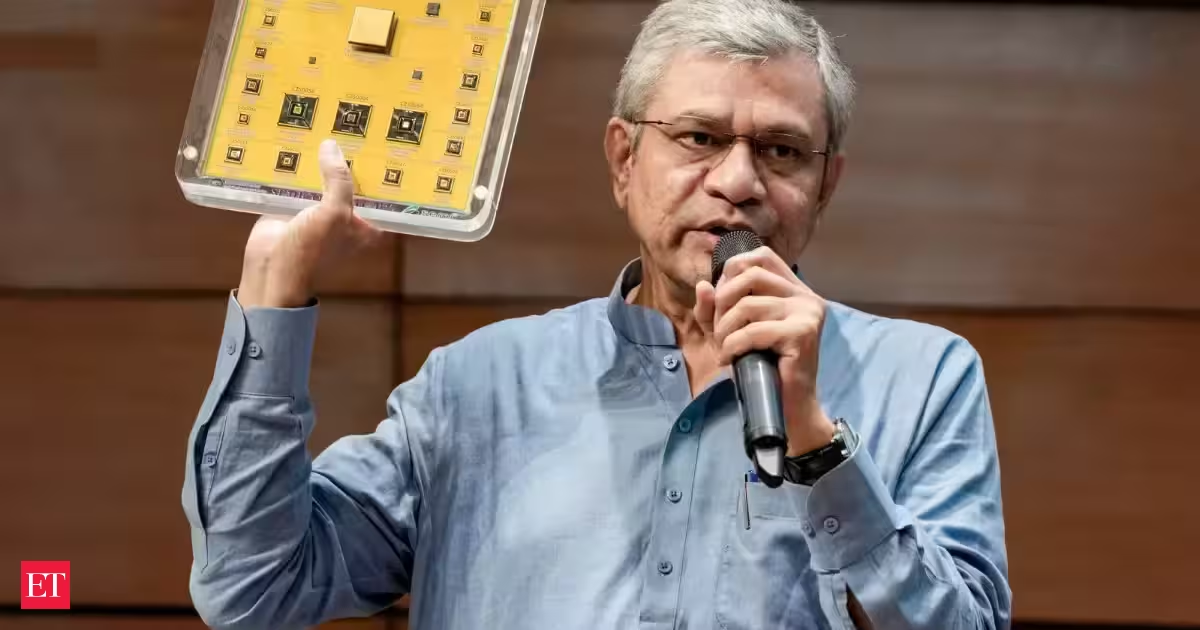
India just dropped roughly $20 billion on a bet that it can become a serious player in global semiconductor manufacturing. The country’s Cabinet approved the India Semiconductor Mission 2.0 on July 15, 2026, committing 1.9 trillion rupees to scaling up domestic chip and smartphone production.
For context, that’s more than double the original 2021 program’s outlay of approximately ₹76,000 crore, which was around $9B to $10B.
What ISM 2.0 actually involves
The initiative builds on a foundation that was already taking shape. By December 2025, India had approved 10 semiconductor projects worth ₹1.60 lakh crore (roughly $19B) spread across six states. ISM 2.0 extends that momentum with long-term government backing and a suite of incentive programs designed to attract both domestic and foreign investment.
Two schemes stand out. The Design Linked Incentive program had already approved 24 chip design projects as of January 2026, offering reimbursement of up to 50% of costs plus sales-based support. Then there’s the Electronics Components and Manufacturing Scheme, which targets supply chain resilience and indigenous intellectual property development. The goal is full-stack design capability, meaning India wants to own the entire process from blueprint to finished silicon, not just assemble someone else’s chips.