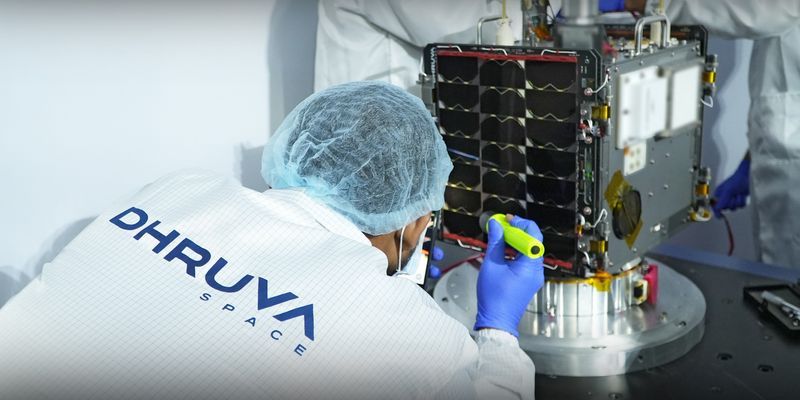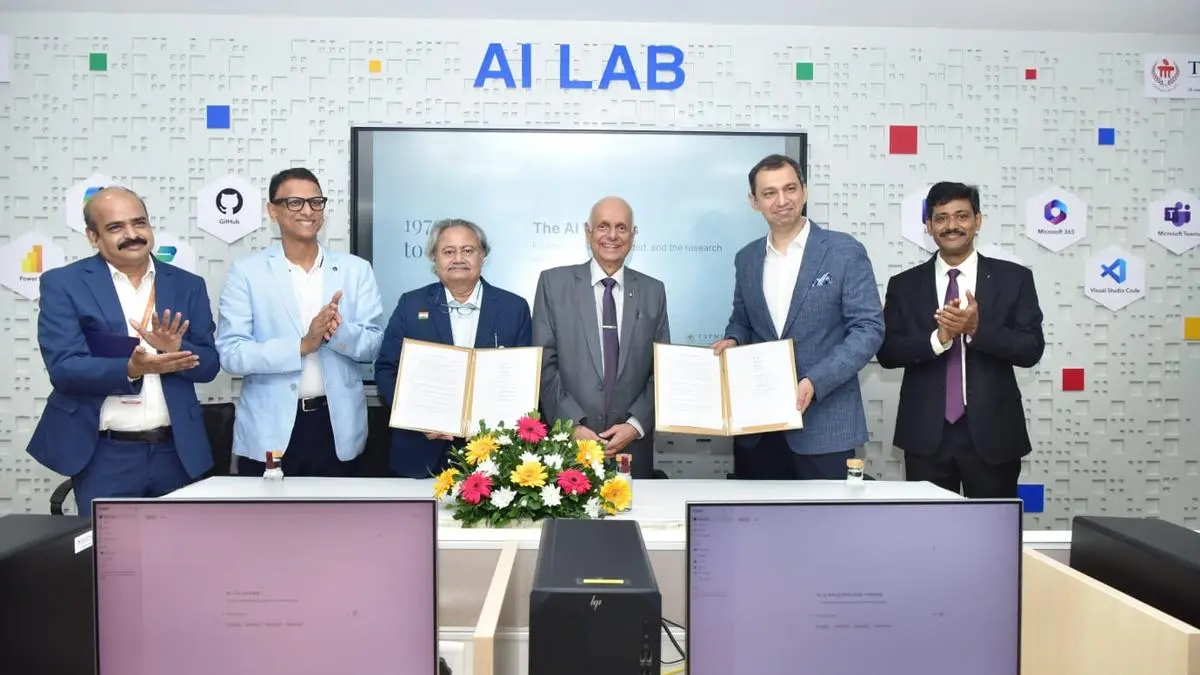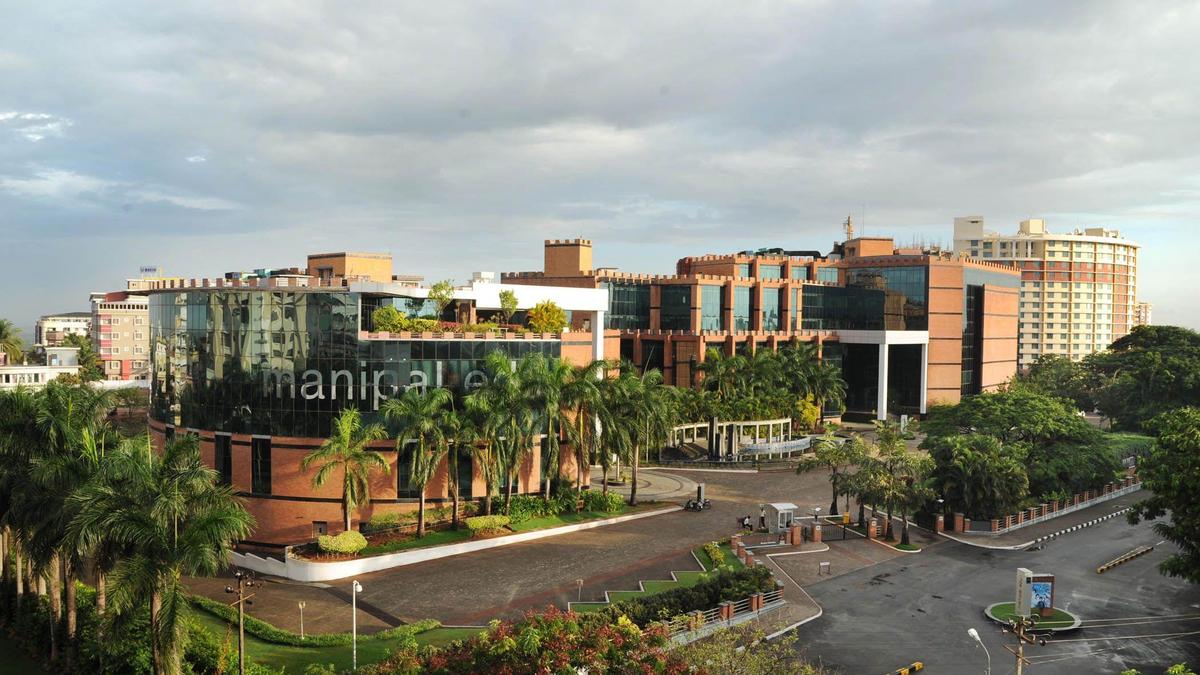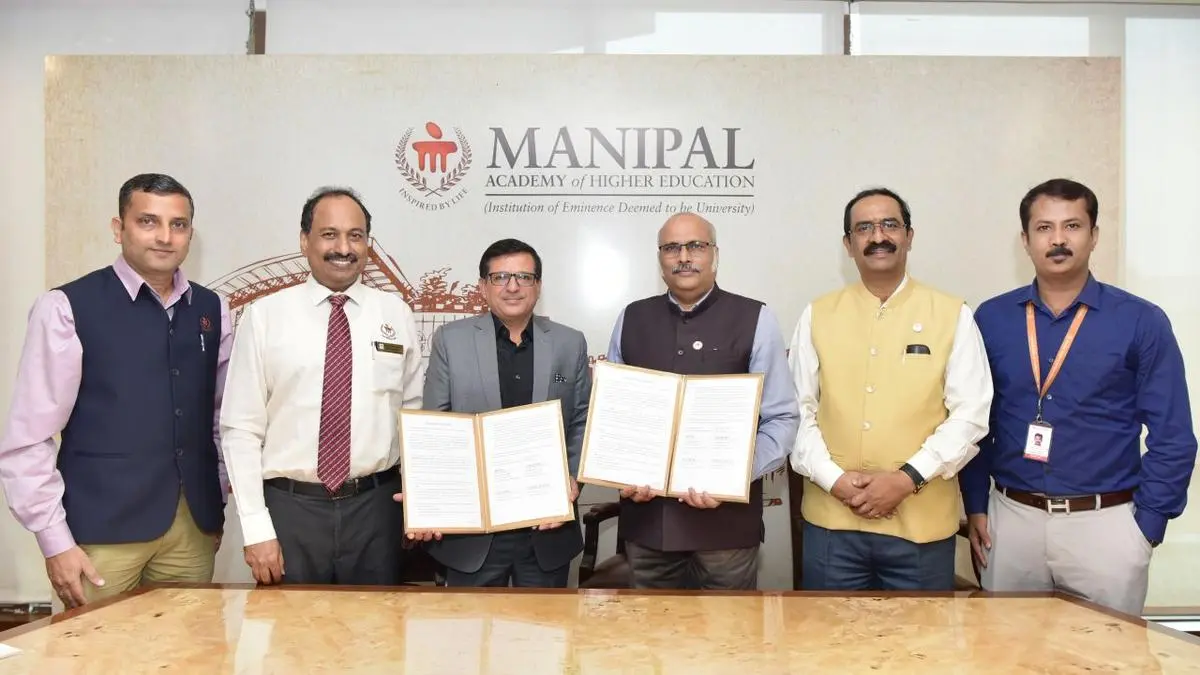
Manipal Academy of Higher Education (MAHE) and Dhruva Space have entered into a partnership through a memorandum of understanding (MoU) to co-develop ASCENT (Advanced Space Capability, Engineering and New-space Technologies) centre at the MAHE Manipal campus.ASCENT will advance space systems engineering, applied research, mission development, and technology qualifications by bringing academia and industry together to develop, validate, and translate next-generation space technologies into operational applications. The centre will also feature dedicated infrastructure for spacecraft development, integration, testing, and qualification.The centre, expected to be inaugurated in late 2026, will enable student-led satellite and hosted payload missions, providing students with an end-to-end experience in spacecraft design, integration, testing, launch preparation, and on-orbit operations.A media statement said ASCENT will support programmes across emerging space domains while providing an environment for prototype development, technology demonstration, and the transition of innovations into ecosystem-ready space applications.Core research and engineering areas at ASCENT will focus on advanced space systems engineering and mission operations, autonomous and intelligent spacecraft technologies, space sustainability and awareness solutions, and emerging applications such as space-based IoT and microgravity research.ASCENT envisions the development and operation of at least 3 1U-6U CubeSat missions by 2028, followed by the deployment of a swarm constellation of femto satellites, a fully operational Space Situational Awareness centre, and indigenous bus designs, payloads, and modular satellite platforms by 2030.Looking further ahead, the centre aims to undertake at least one interplanetary technology demonstration mission by 2035, contributing to the advancement of deep-space exploration and next-generation space technologies.Quoting Sharath K Rao, Vice Chancellor of MAHE, the media statement said: “Through our partnership with Dhruva Space, our students will have the unique opportunity to work on real satellite missions, gain hands-on experience with industry-grade infrastructure and learn by solving real engineering challenges. These are experiences that go far beyond the classroom. At MAHE, we believe the best way to prepare students is by giving them opportunities to build, test and innovate in real-world environments. ASCENT is designed to bridge the gap between academic learning and industry expectations, ensuring our graduates are not just qualified, but confident and ready to contribute to India’s growing space ecosystem.”Chandrakala CB, In-Charge Director of Manipal Institute of Technology (MIT), Manipal, said: “ASCENT represents a significant step in our commitment to advancing multidisciplinary research and innovation in space science and technology. Through this industry-academia collaboration, we aim to create an ecosystem that empowers students, researchers, and industry partners to develop technologies that will contribute to India’s growing space sector.”Krishna Teja Penamakuru, Chief Operations Officer and Co-founder, Dhruva Space, said: “India’s Space sector is marked by industrialisation, commercialisation, and the rapid expansion of indigenous capabilities. As the ecosystem evolves, the need extends beyond technology alone to the research infrastructure, talent, and industry-academia partnerships that will sustain long-term growth. Through ASCENT, we are establishing a CoE where ideas can mature from research to mission-ready solutions in close collaboration with industry. By bringing together students, researchers, faculty, and practising engineers, we are creating an environment where academic excellence is informed by real-world mission requirements, while industry benefits from innovative research and fresh perspectives.”Published on July 15, 2026
MAHE, Dhruva Space sign pact to co-develop ASCENT centre in Manipal
The centre, expected to be inaugurated in late 2026, will enable student-led satellite and hosted payload missions, providing students with an end-to-end experience in spacecraft design, integration, testing, launch preparation, and on-orbit operations
515 words~2 min read