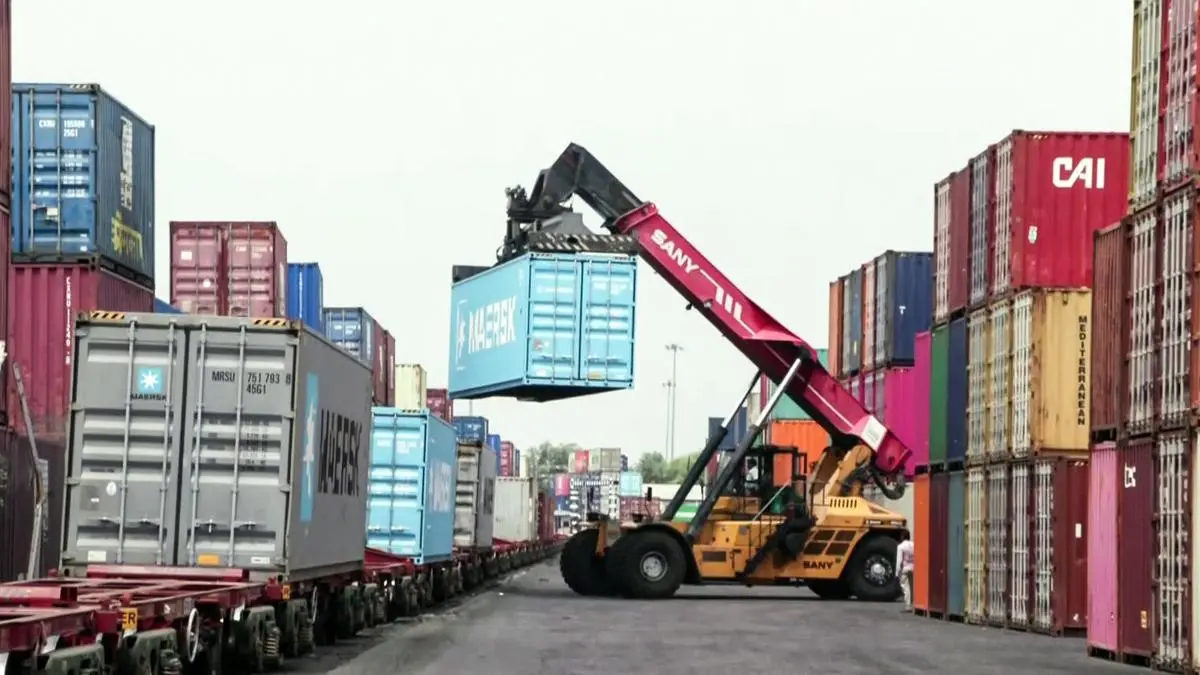
A reach stacker loads shipping containers during the flag-off ceremony of export consignments to the United Kingdom under the India-UK Comprehensive Economic and Trade Agreement (CETA) at a container yard in Jaipur on Wednesday
| Photo Credit:
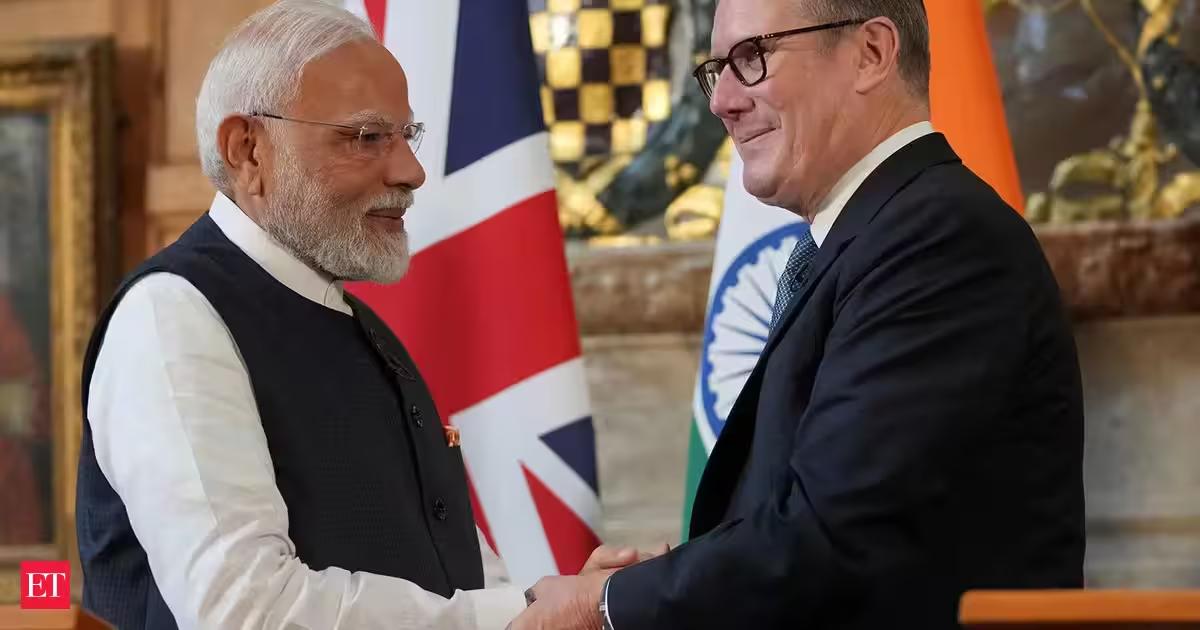
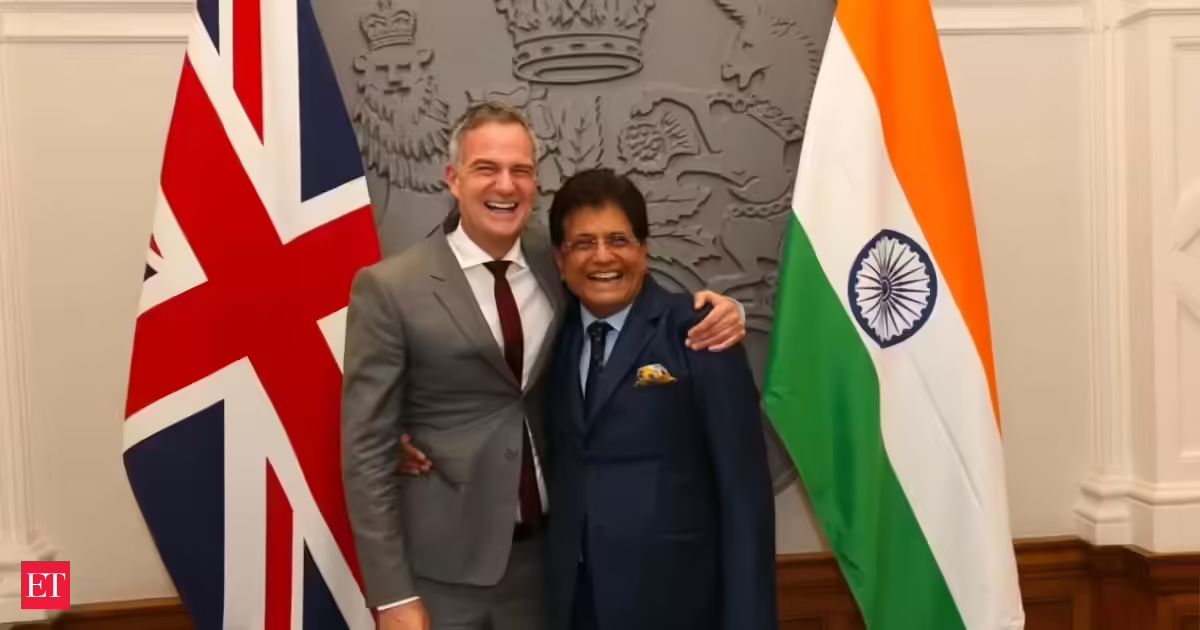
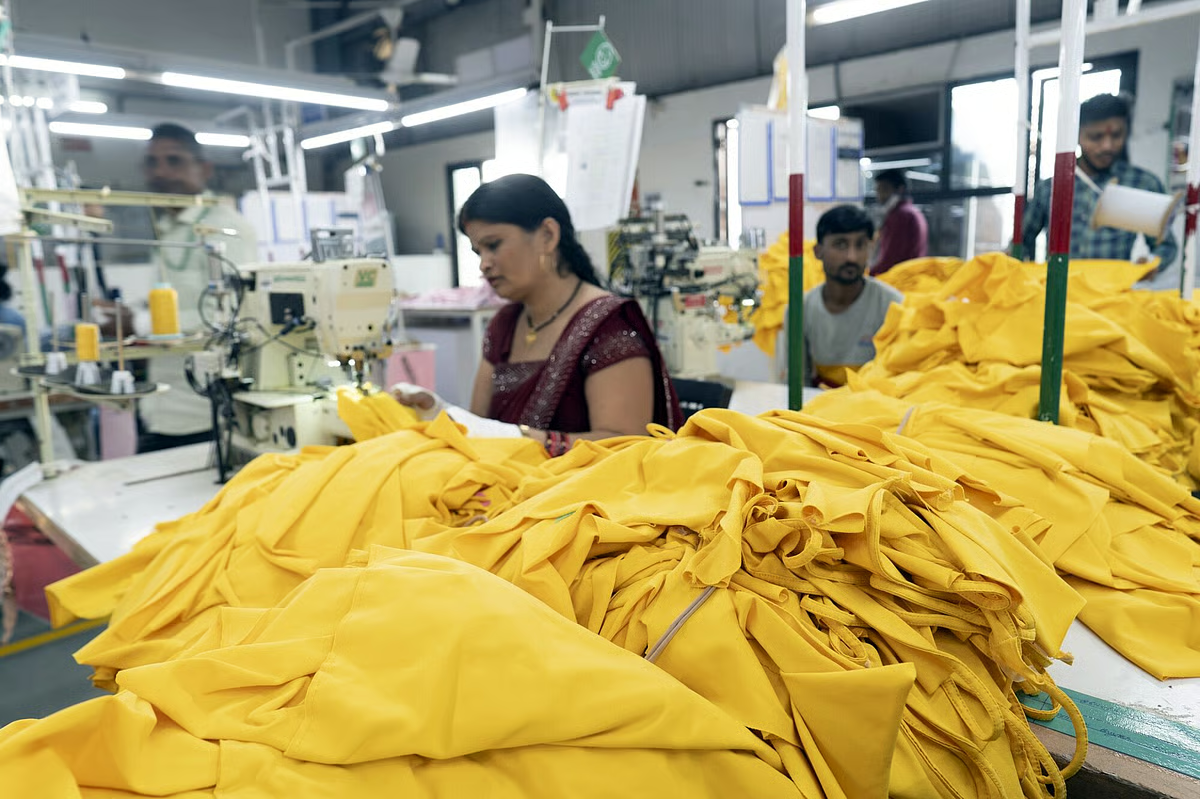
Indian exports worth about $140 million across sectors such as textiles, gems & jewellery, leather, footwear and engineering goods were shipped to the UK duty-free on July 15 as the India-UK Comprehensive Economic and Trade Agreement (CETA) came into force, with consignments despatched from different parts of the country, Commerce Secretary Rajesh Agrawal said.“It is a win-win agreement between the two countries which will have a shadow across economic relations. It creates substantial market access opportunities in goods trade and also provides significant gains in services trade,” Agrawal said at an event organised by the Commerce Department on Wednesday. It was attended by the Indian industry, exporters as well as the UK High Commissioner to India, Lindy Cameron and some other officials.Cameron noted that bilateral trade had already picked up over the past year in anticipation of the implementation of CETA and expressed confidence that the agreement would further boost annual bilateral trade by £25.5 billion in the coming years.“The FTA is not the ceiling; it’s the floor of our ambitions. We are seeing Vision 2030 as a much wider partnership between the UK and India. And I think what’s really fantastic to see is the warmth from both sides politically since that deal was signed,” she said.With the CETA providing zero-duty market access for nearly 99 per cent of India’s exports, New Delhi has estimated that bilateral trade in goods and services would rise to $100 billion from about $55-56 billion. About 90 per cent of UK goods, too, would enter India either duty-free or reduced in tariffs, including Scotch, other alcoholic beverages, automobiles, cosmetics and food products.“The CETA will give fresh momentum to our farmers, entrepreneurs and MSMEs. Several vibrant sectors will gain stronger access to the UK market. It will also deepen cooperation in technology, professional services and innovation, while supporting greater mobility for skilled Indian talent,” Prime Minister Narendra Modi stated in a post on social media platform `X’.The UK-India Double Contributions Convention, which was implemented simultaneously with the trade pact on Wednesday, strengthens the partnership by exempting Indian professionals on temporary assignments in the UK from double social security contributions for up to five years, thereby enhancing the global competitiveness of India’s workforce, Commerce & Industry Minister Piyush Goyal pointed out.To ensure adequate utilisation of the pact, the Commerce Department would work closely with Export Promotion Councils and industry clusters across the country to communicate the benefits at the sectoral, product and cluster levels, Agrawal said.Over 800 technical sessions were held over 14 formal rounds of negotiations to conclude the pact. The pact includes a chapter on government procurement, which provides Indian suppliers legal access to the UK government procurement market worth around £90 billion ($122 billion). India offers reciprocal opportunities of around $ 14 billion to the British market.The trade pact also has provisions on IPR, but officials said there is nothing in the agreement which says that the Indian government cannot use compulsory licensing to address public health issues.On the controversial issue of carbon levies under the UK’s CBAM regulation, which may come into force next year, officials said the matter was under discussion.Published on July 15, 2026