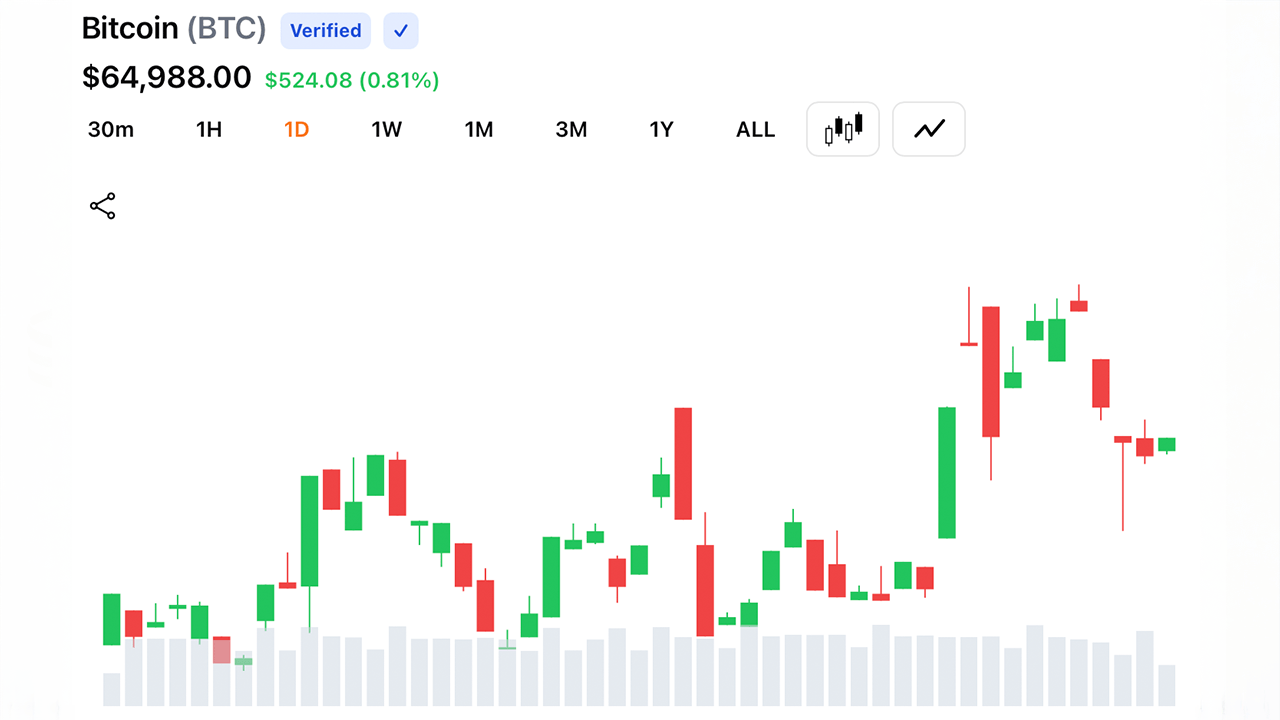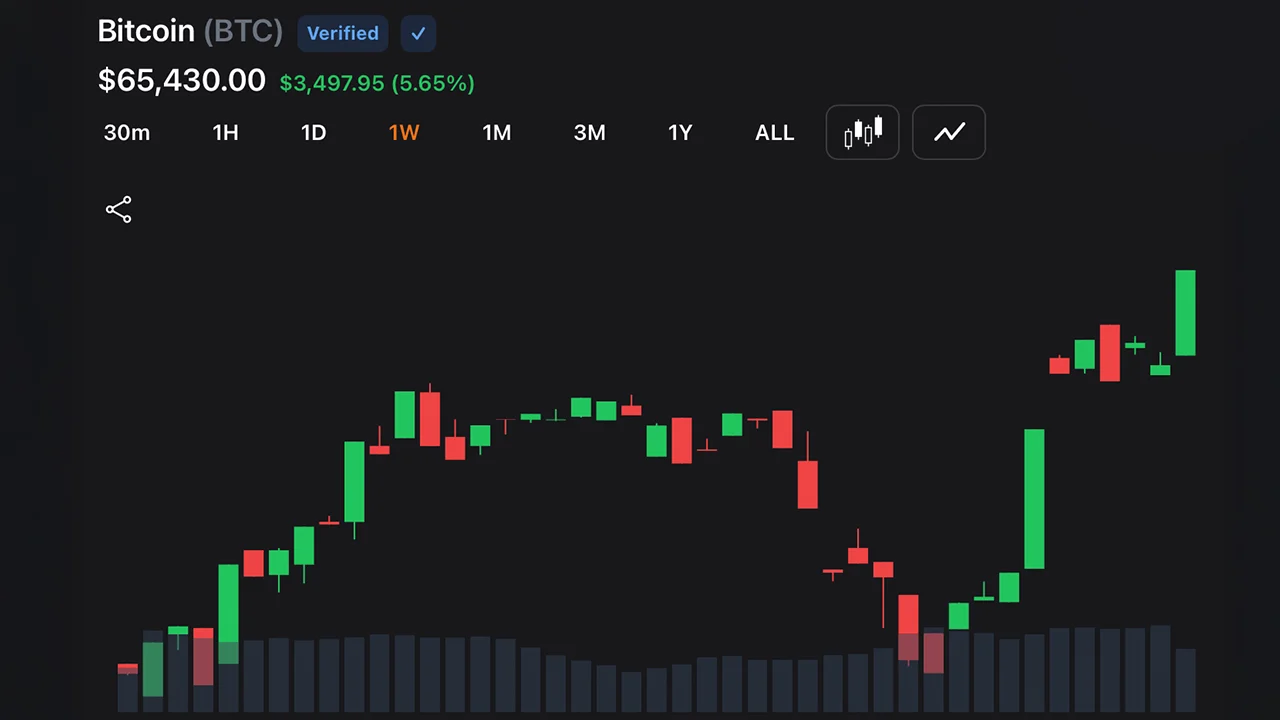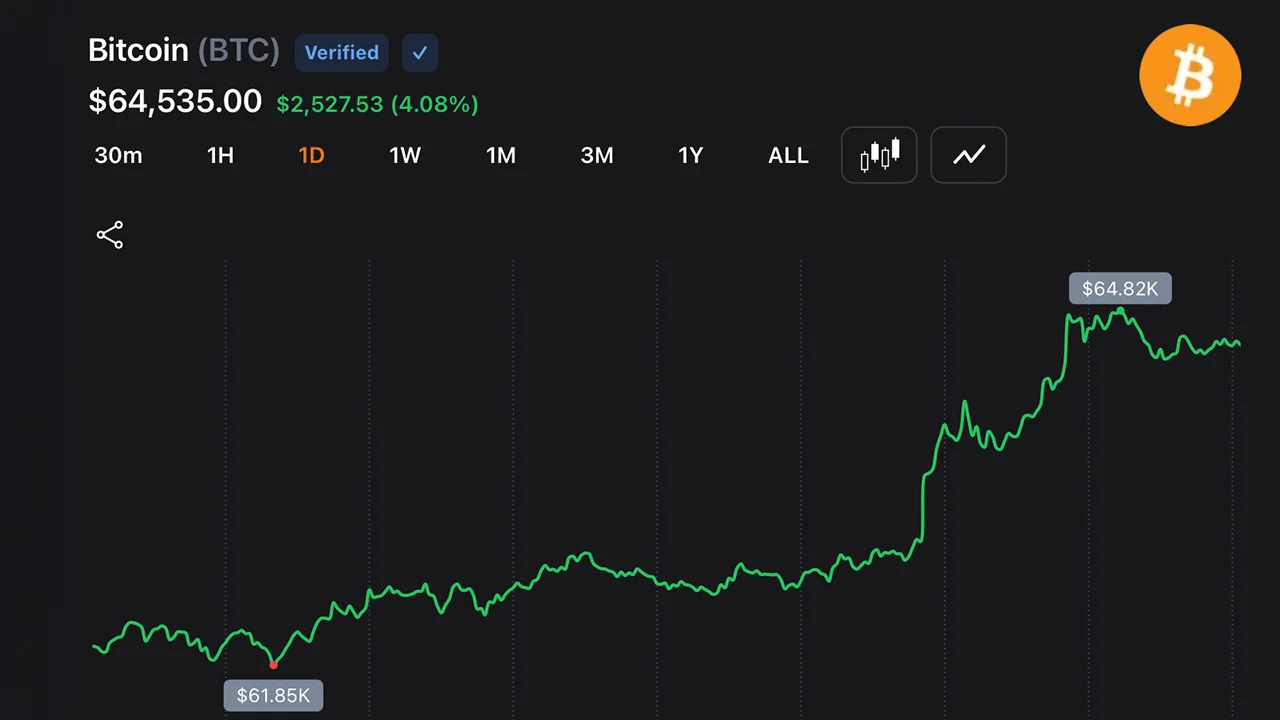
Bitcoin climbed to $65,100 on July 15, reclaiming the $65K level for the first time since June 22. The catalyst was straightforward: US inflation fell harder than anyone expected, and risk assets responded the way risk assets do when the Fed’s leash loosens.
The June CPI report showed a 0.4% monthly decline in consumer prices, the sharpest single-month drop since April 2020. Annual inflation cooled to 3.5%, undershooting analyst forecasts and reinforcing the idea that the Federal Reserve has room to hold rates steady, or perhaps even start thinking about cuts.
What the numbers actually tell us
The June data was a two-part story. First came the CPI number, which grabbed most of the attention. Then the Producer Price Index data landed, showing a year-over-year change of 5.5%. That PPI figure supported the broader disinflation narrative, suggesting that price pressures are easing further up the supply chain before they even reach consumers.
Bitcoin’s move wasn’t just a clean green candle on a chart. Trading volumes spiked alongside the rally, and short liquidations surged as traders who had bet against Bitcoin got caught on the wrong side. When shorts get liquidated en masse, they’re forced to buy back their positions, which accelerates the upward move.