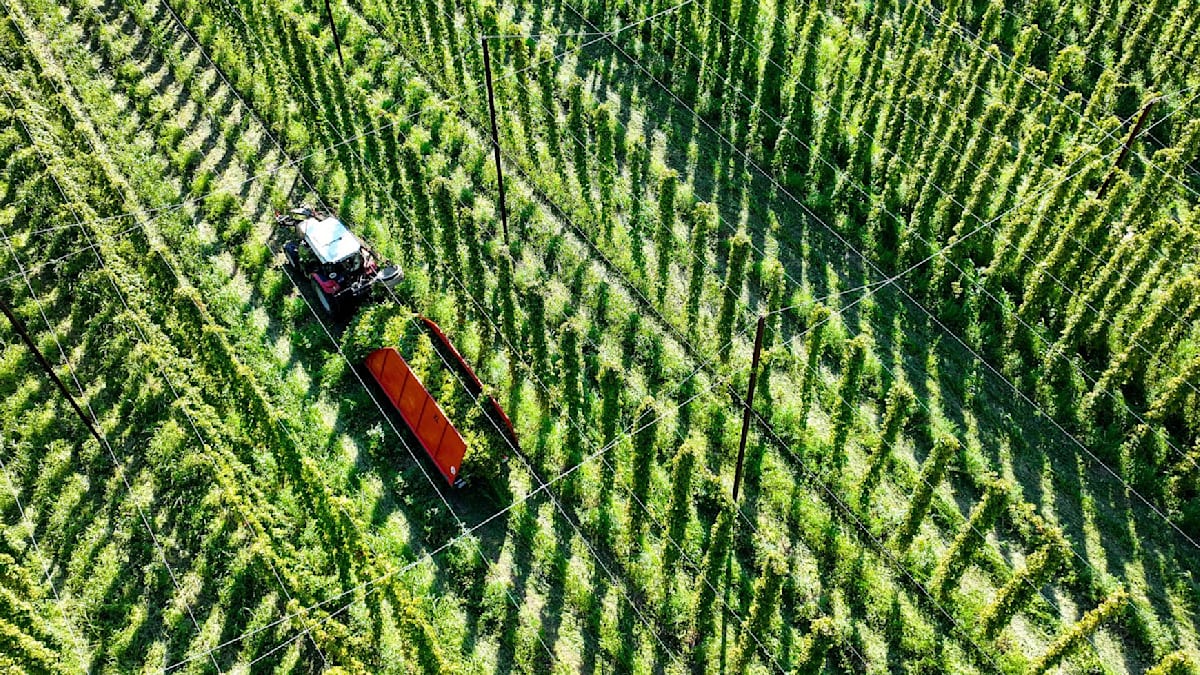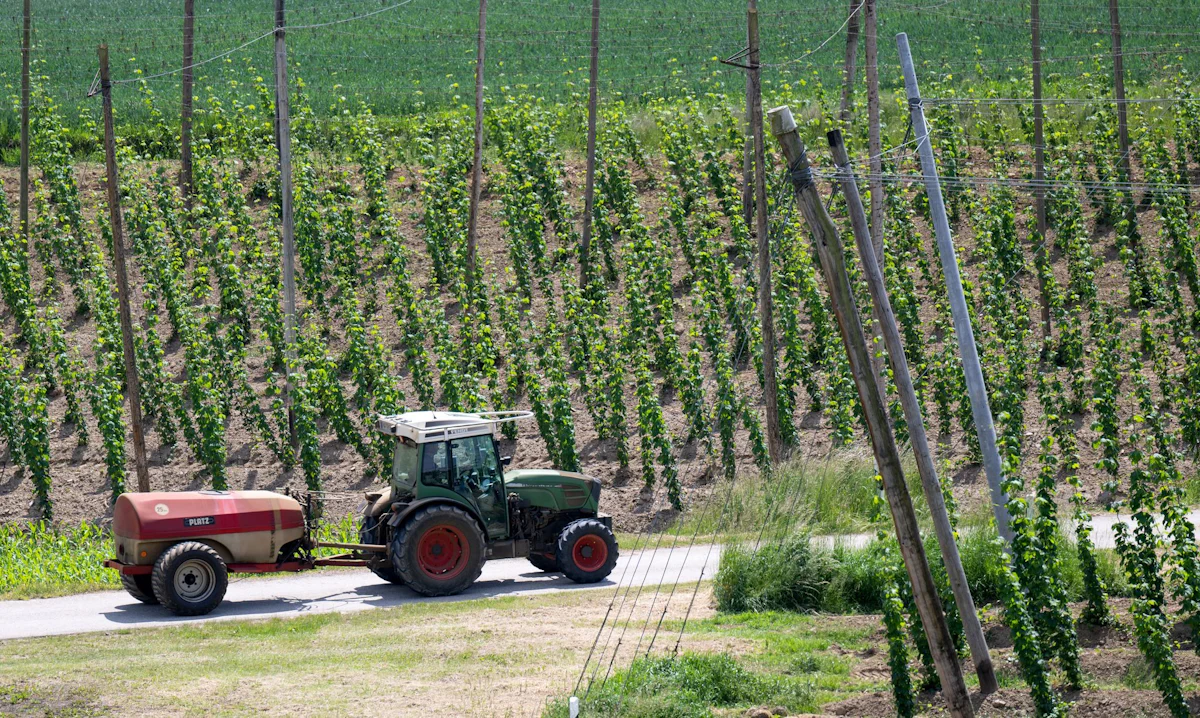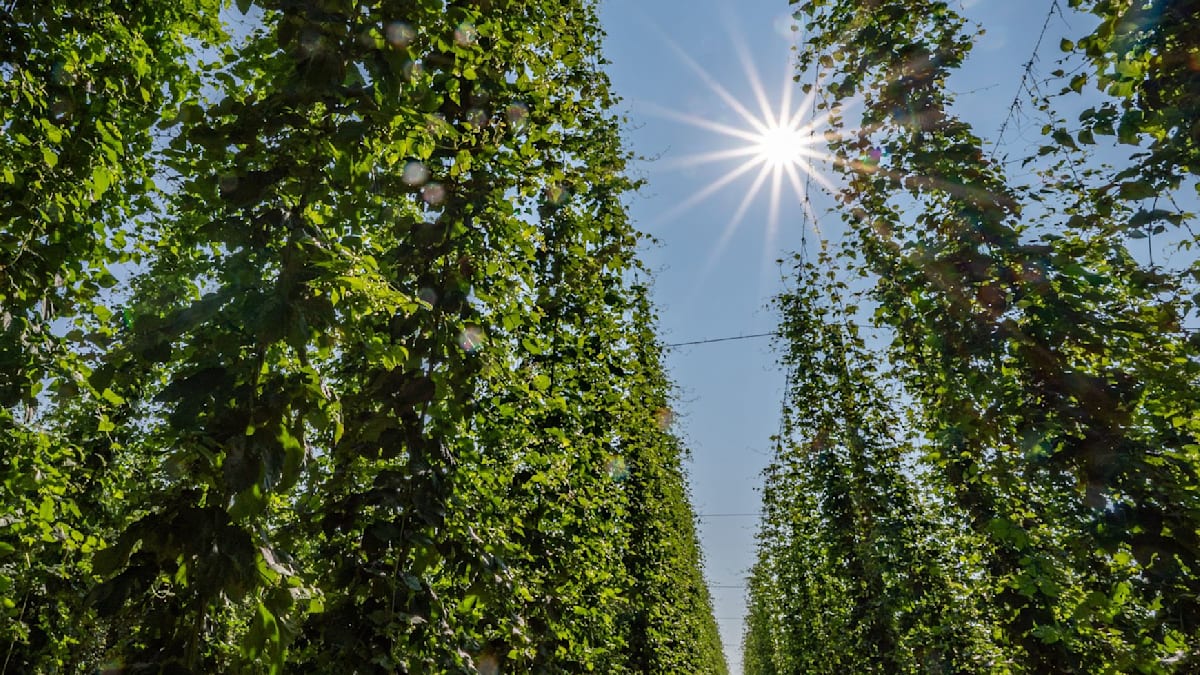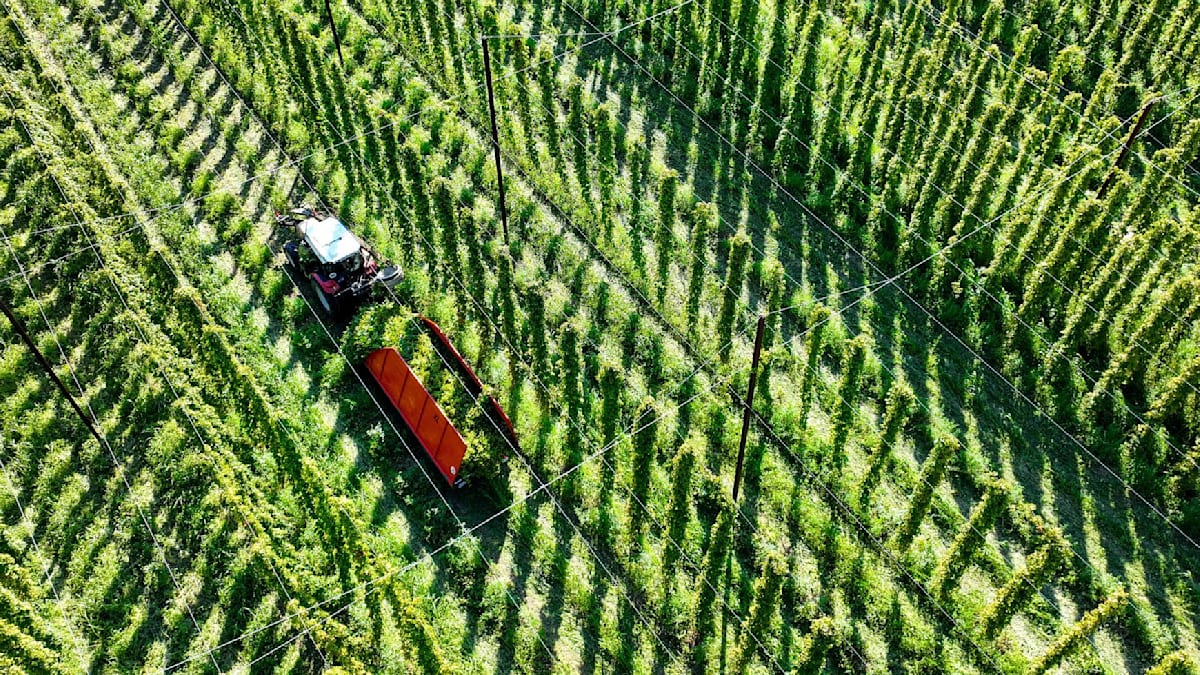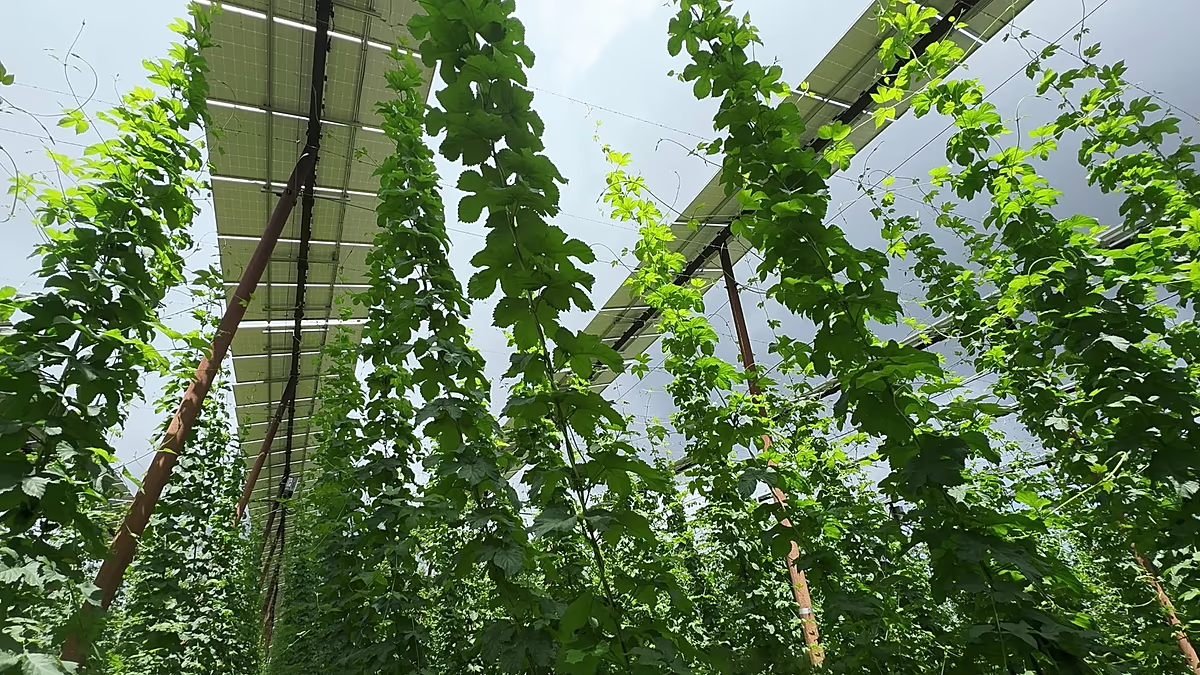
It is a slow, creeping death that has set off across the seemingly lush, apparently thriving paradise of Germany’s hop-growing regions. The name of the disease that threatens their very existence? A wave of farm closures. As of 2026, there are still 904 agricultural businesses in Germany specialising in hops as a speciality crop. That is a dramatic figure compared with 2006. In just two decades, 40 percent of all hop farmers have either switched to other crops or given up altogether.
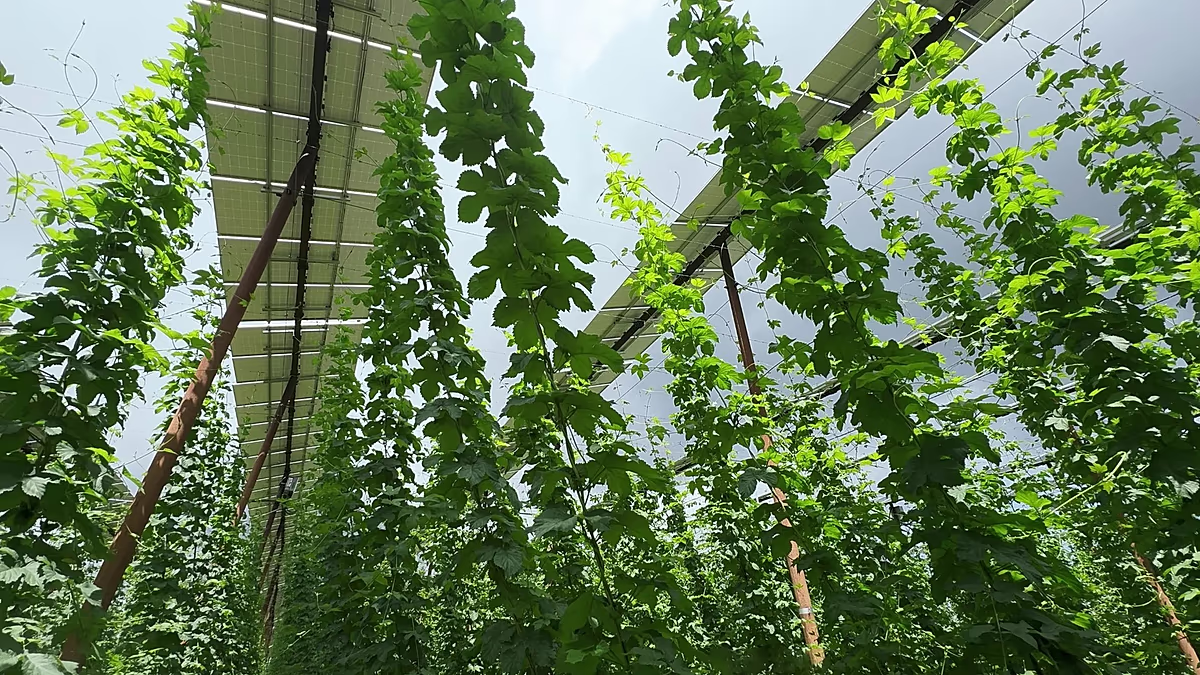
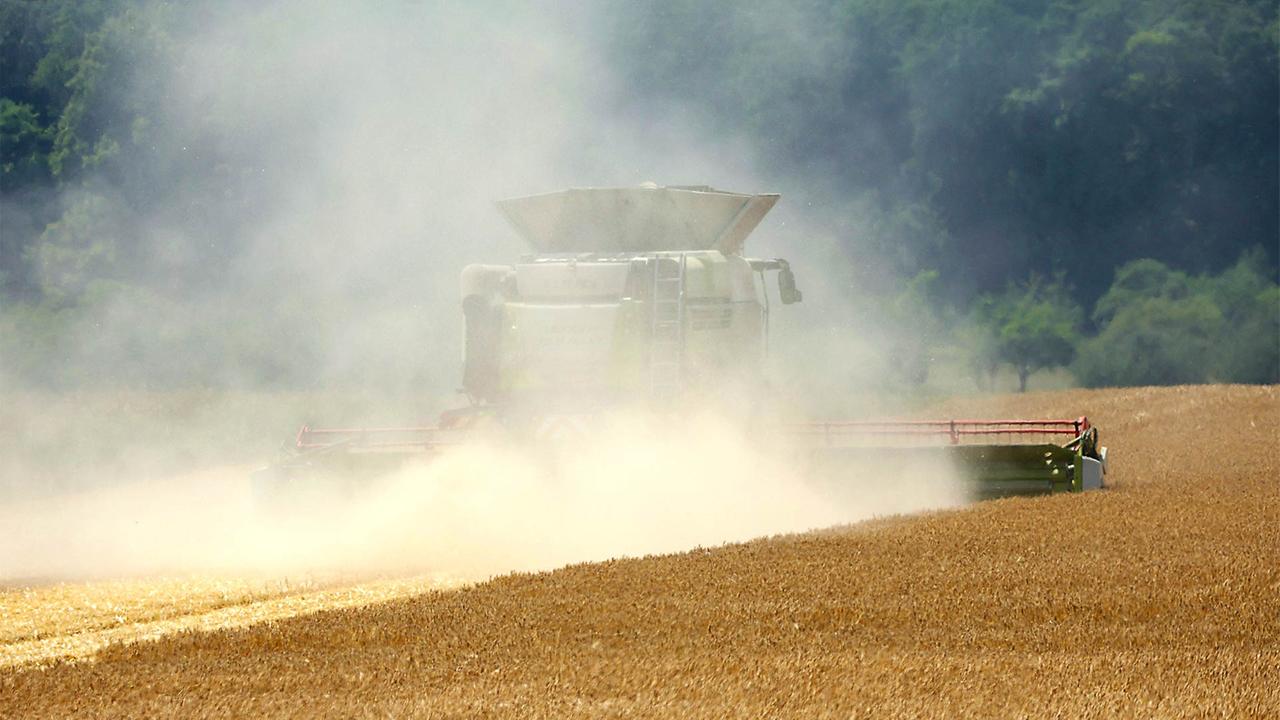
The reasons are many. Anyone who talks to hop farmers on the ground, out in the fields at daybreak or later at the regulars’ table in the pub, has been hearing complaints for years about falling prices worldwide and declining beer consumption. But increasingly, even down-to-earth Bavarian farmers now speak openly of climate change, rising temperatures, water shortages and loss of yields as their soils dry out.
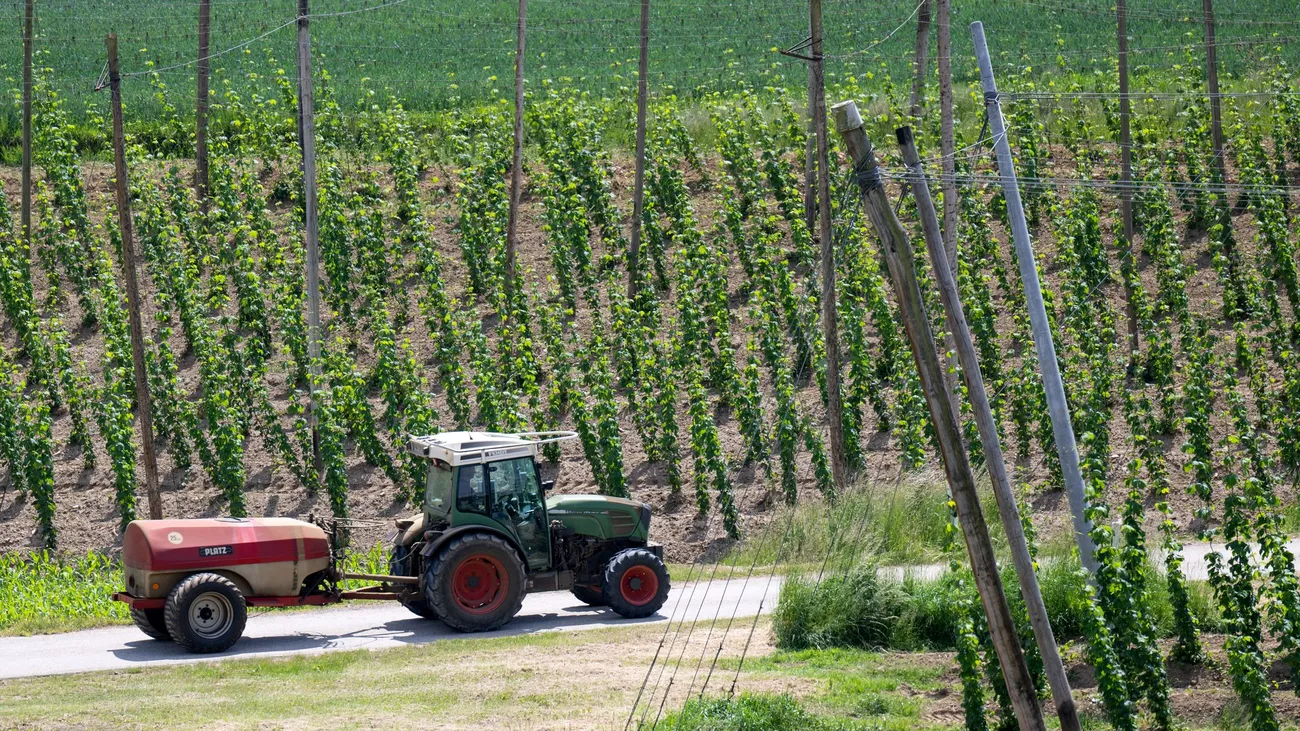
The Hallertau is the largest continuous hop-growing region in the world. This gently rolling farming landscape lies in the heart of Bavaria, the federal state in Germany’s far south. Of Germany’s 904 hop farms, 722 are located here. One of them is run by Josef Wimmer. “The years are getting hotter and drier,” warns the farmer in an interview with Euronews Earth.