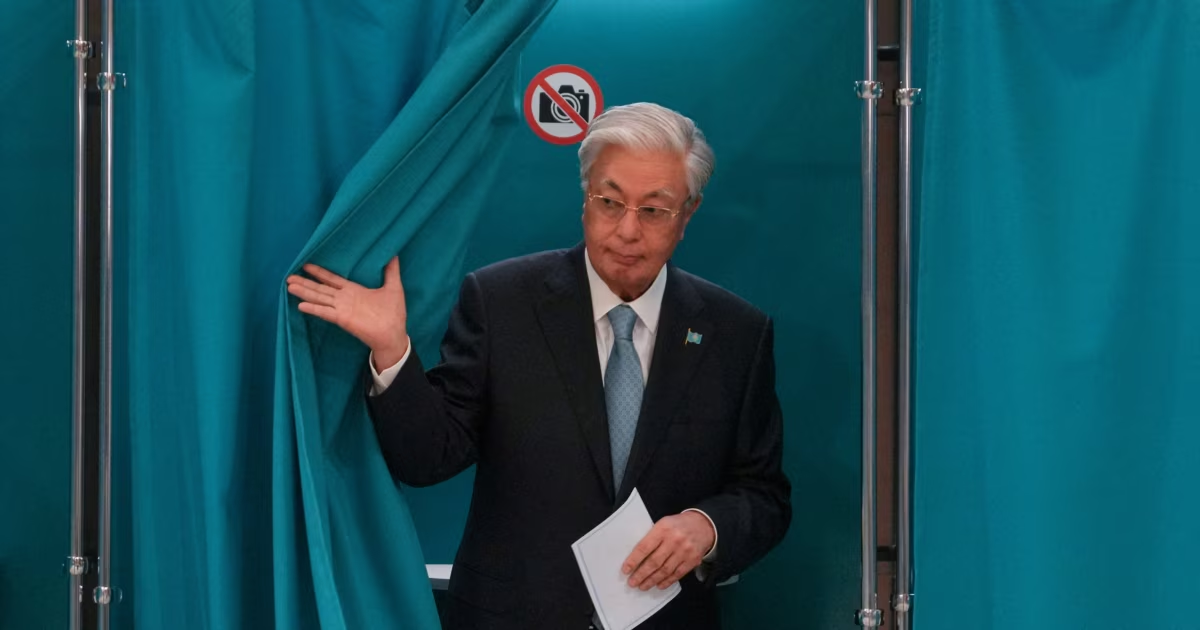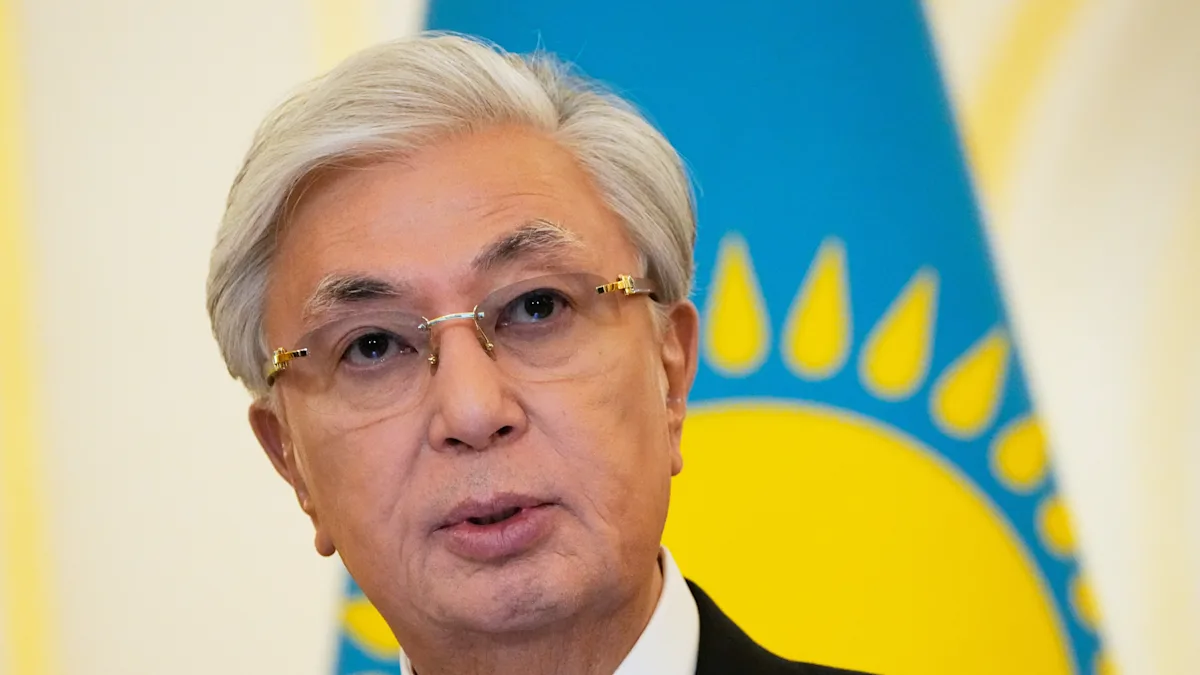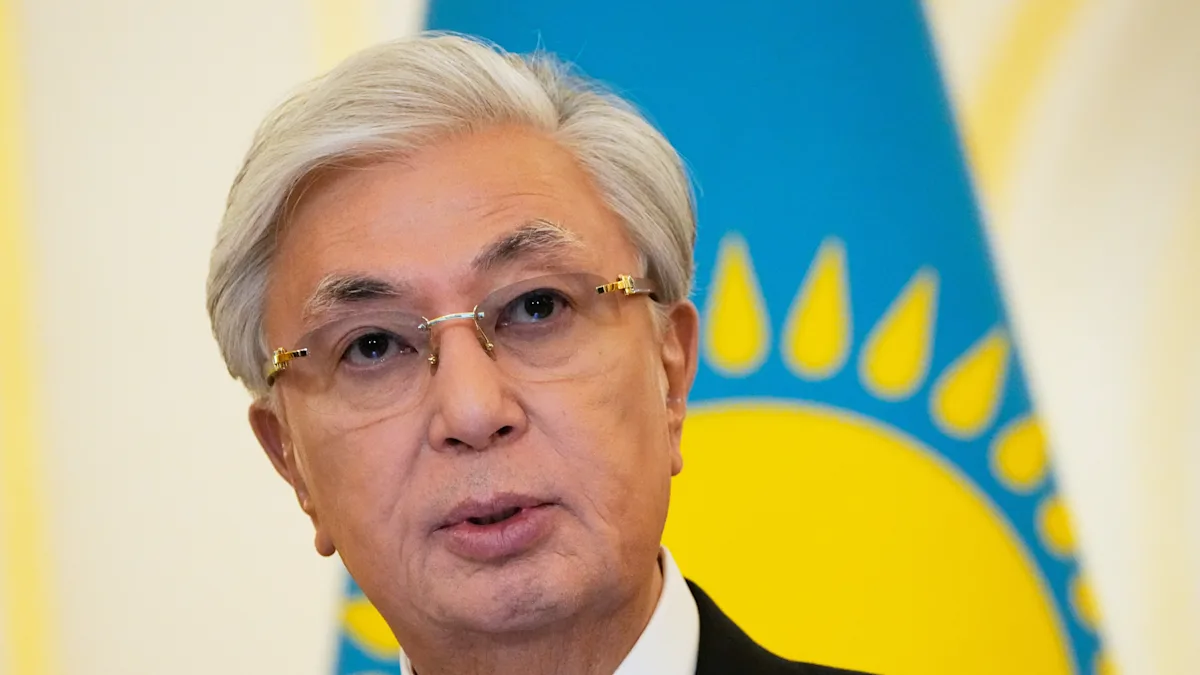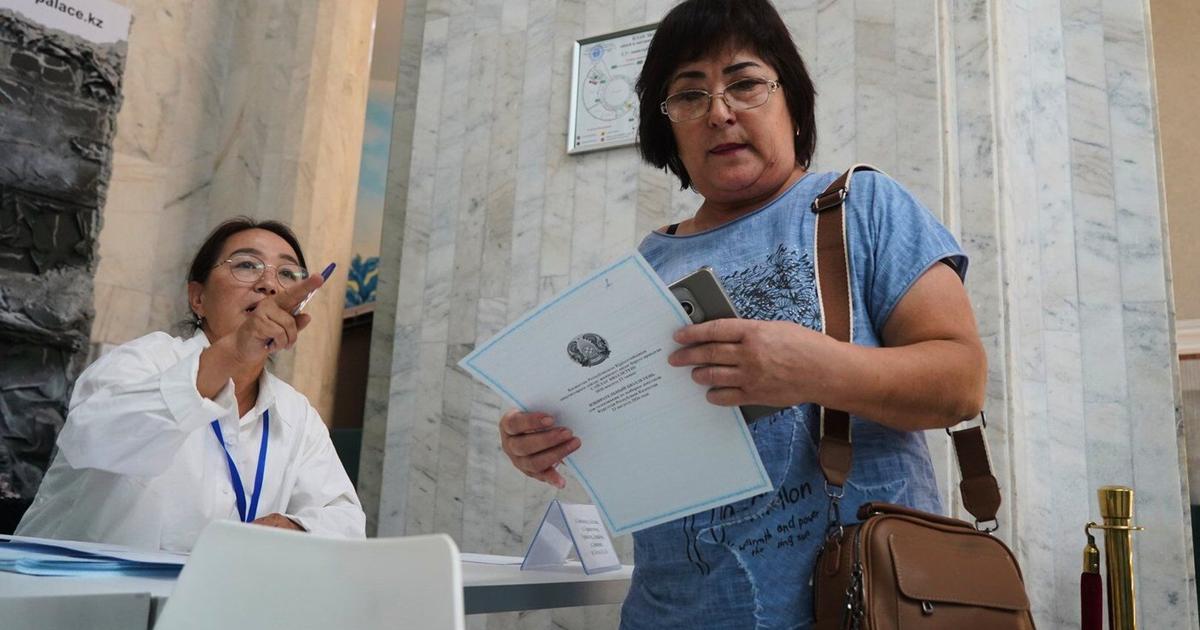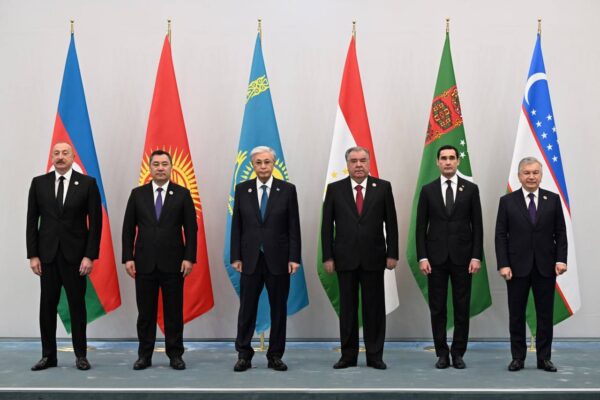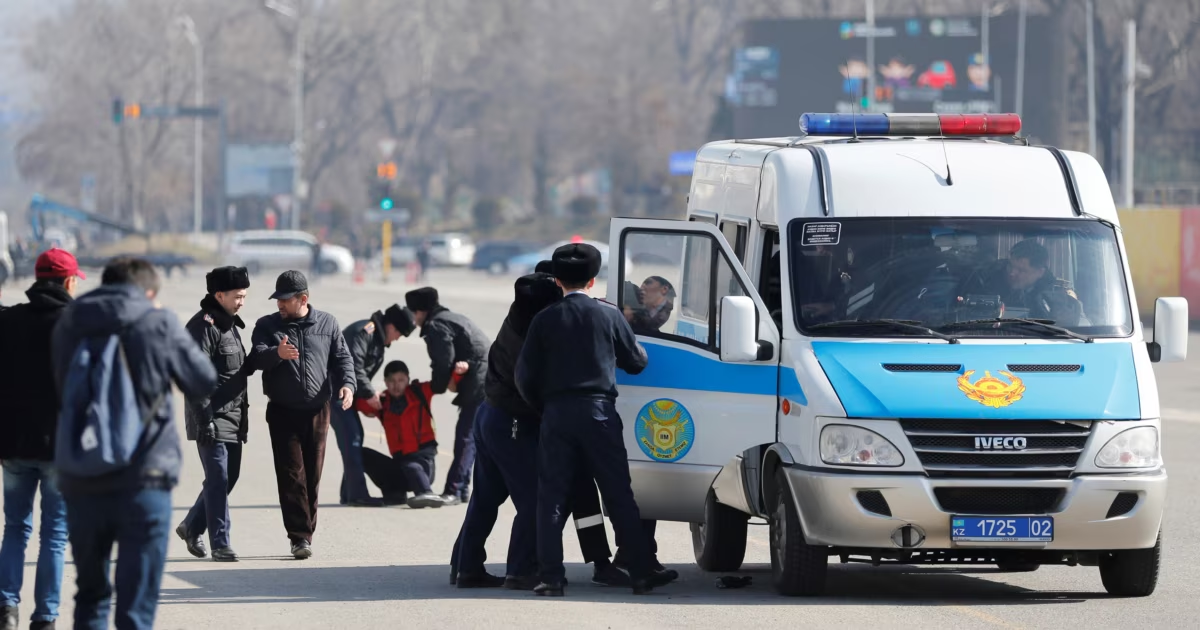
Elections are still held across Central Asia. Political parties remain on the ballot. Presidents continue to claim democratic mandates. But in much of the region, genuine political competition has become increasingly rare.Tajik President Emomali Rahmon has ruled the country since 1992, making him one of the world's longest-serving leaders. In Turkmenistan, Serdar Berdymukhammedov succeeded his father, Gurbanguly Berdymukhammedov, as president in 2022, while the former leader continues to hold significant influence.In Kazakhstan, constitutional changes allowed Qasym-Zhomart Toqaev to seek another term in office, despite earlier reforms that introduced a single, nonrenewable seven-year presidential term. And throughout the region, governments have steadily narrowed the space for opposition challengers through bans, prosecutions, imprisonment, and exile.Yet the virtual disappearance of opposition parties does not necessarily mean the disappearance of political dissent."Activism has not disappeared entirely...it has merely taken different forms," said Edward Lemon, president of the Washington-based Oxus Society for Central Asian Affairs.Today, experts say political opposition in Central Asia increasingly functions outside traditional party structures: through social media campaigns, local protests, civic activism, and opposition movements operating from abroad.The question is whether these fragmented forms of dissent can ever again develop into meaningful political alternatives.Different Political LandscapeThe region's current political landscape contrasts sharply with the early years after independence following the breakup of the Soviet Union.A former university professor in Dushanbe, who spoke on condition of anonymity due to security concerns, said that during this period, several Central Asian countries had genuine political competition.
Is Political Opposition Still Possible In Central Asia?
Across Central Asia, opposition movements have steadily disappeared from public life. Some leaders have been jailed, others forced into exile, while new parties have struggled to gain a foothold. What happened to the region's opposition -- and is there still space for alternative political voices?
1,126 words~5 min read