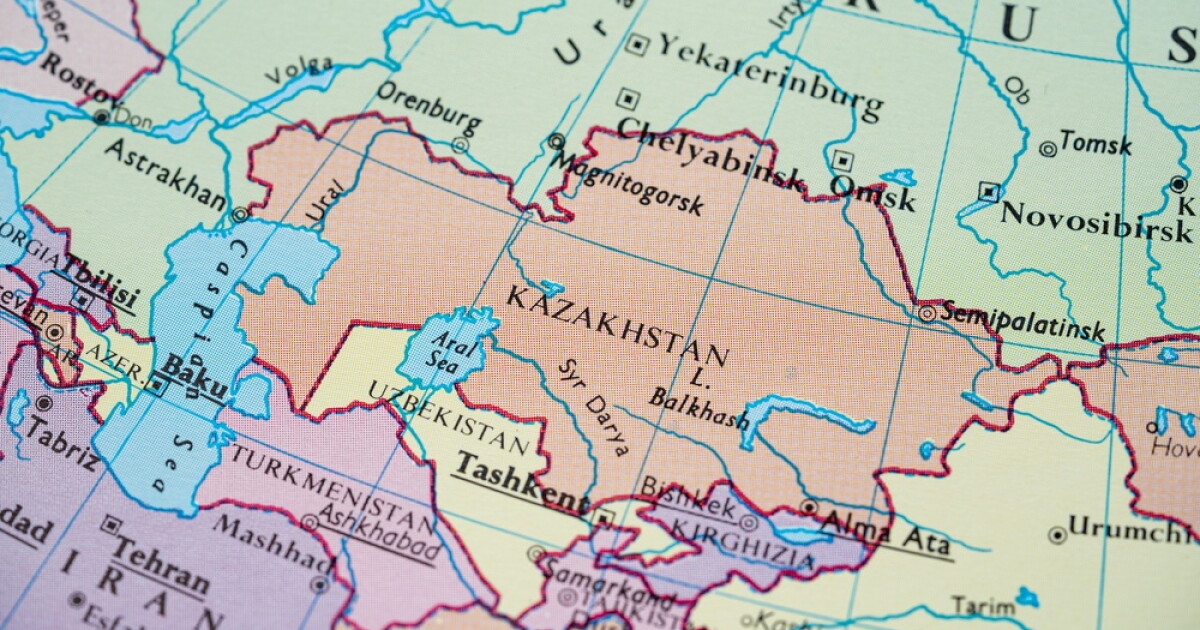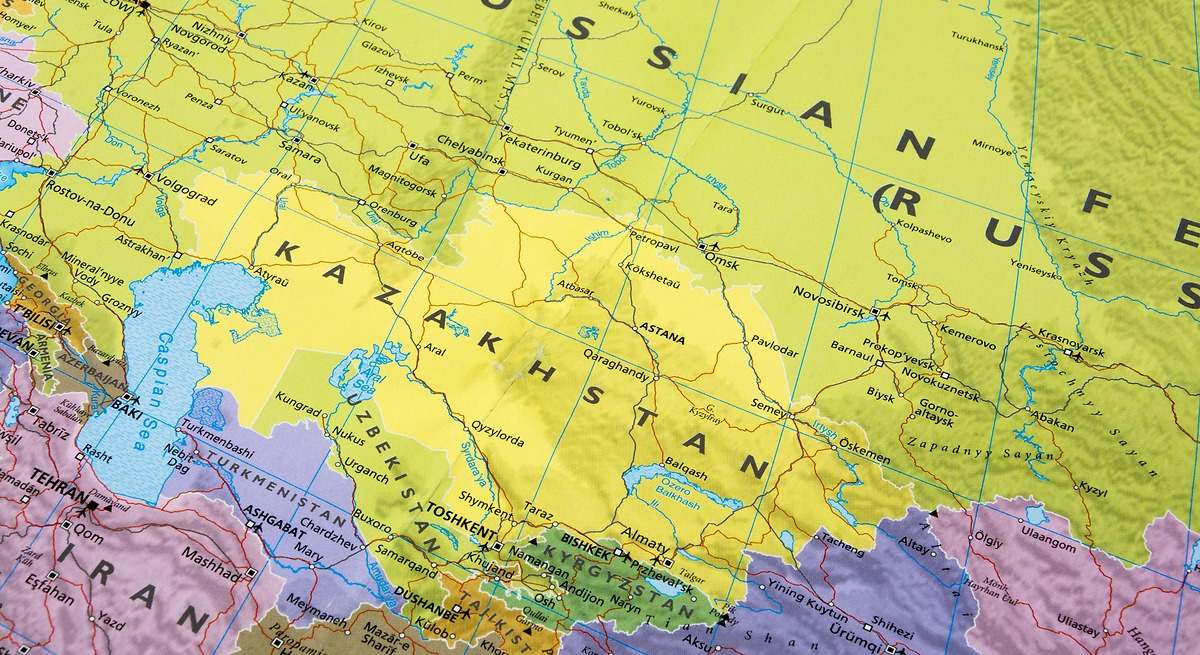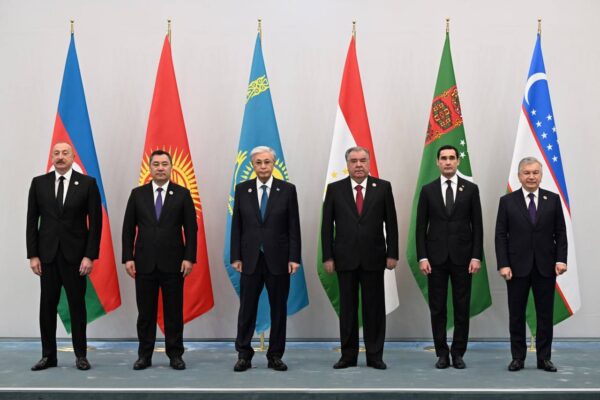
What counts as Central Asia? For some, the term refers exclusively to the five “-stans” that came under Soviet rule in the 20th century – namely, Kazakhstan, Kyrgyzstan, Tajikistan, Turkmenistan, and Uzbekistan. Others would also include Azerbaijan and Armenia, two states connecting these five with West Asia and the Caucasus region. Still, some would consider Mongolia, Russian Siberia, and Afghanistan as constituent parts of the region, given long-standing historical, cultural, and diasporic ties between these lands.
As with most geographical labels, there is no metaphysical truth undergirding what counts – and what does not – as a Central Asian state.
Despite the lack of clarity concerning its boundaries, Central Asia has long been featured in sweeping meta-narratives and geopolitical tussles. From the Great Game between the British and Russian Empires in the 19th century to Halford Mackinder’s fascination with the proverbial “Heartland” to the World-Island; from the Cyrillization of the region’s written scripts under Soviet rule to the forging of their post-independence identities by these countries, there has been no shortage of discussion concerning the relevance of Central Asia for external powers.