Quantum Elements and Planckian recently established a development agreement focused on utilizing artificial intelligence to create digital twins for quantum hardware. This collaboration intends to refine error correction strategies for superconducting quantum processors by simulating complex noise environments. The partnership addresses the technical challenges of scaling quantum systems while maintaining computational accuracy and reliability.
New Frontiers in Quantum Hardware Simulation
The core of this partnership involves the creation of noise models tailored specifically to the unique architecture developed by Planckian. Unlike standard superconducting designs, the Italian startup focuses on a novel approach meant to reduce the complexity of control systems and infrastructure requirements. This deviation from traditional layouts necessitates a precise understanding of how noise manifests within their specific framework. Quantum Elements provides the expertise to build digital twins that mirror these physical systems on classical machines.
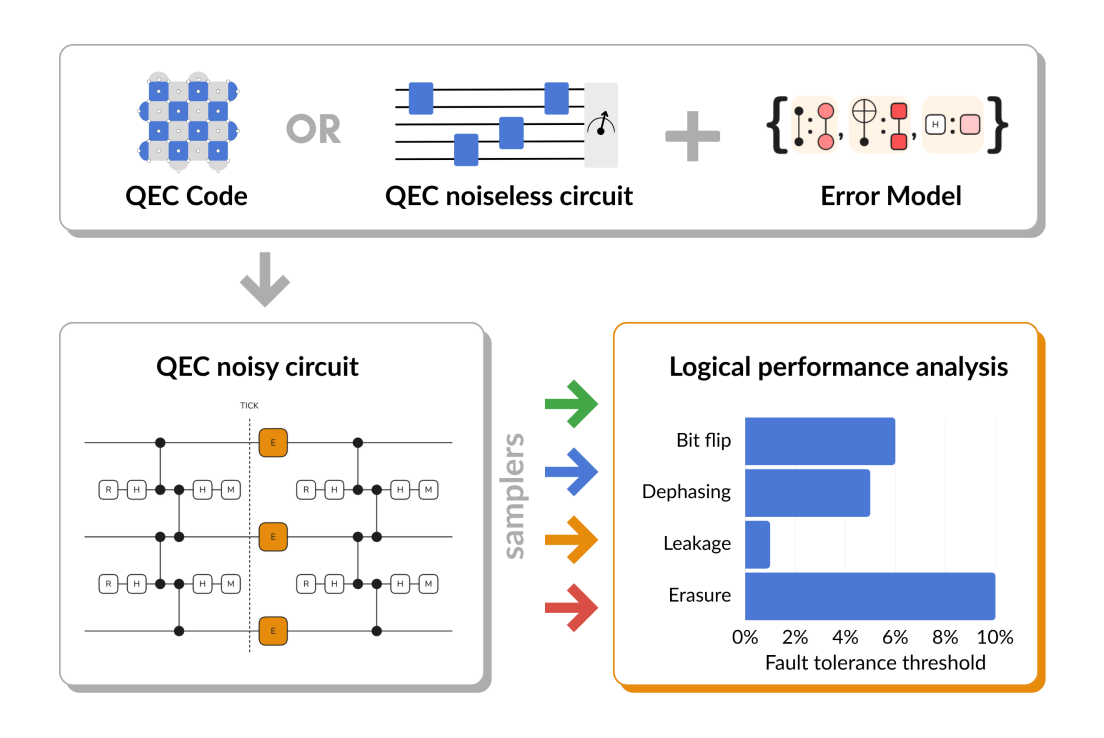
These digital twins serve as a virtual testing ground. Engineers use them to account for various performance inhibitors such as coherence loss, state leakage, and errors occurring at the operational level. By simulating these factors, the team can predict how a processor will behave before it is even built at scale. This proactive approach allows for the evaluation of quantum error correction schemes in a controlled environment. It ensures that the hardware designs are resilient against the specific types of interference they will encounter during actual operation.