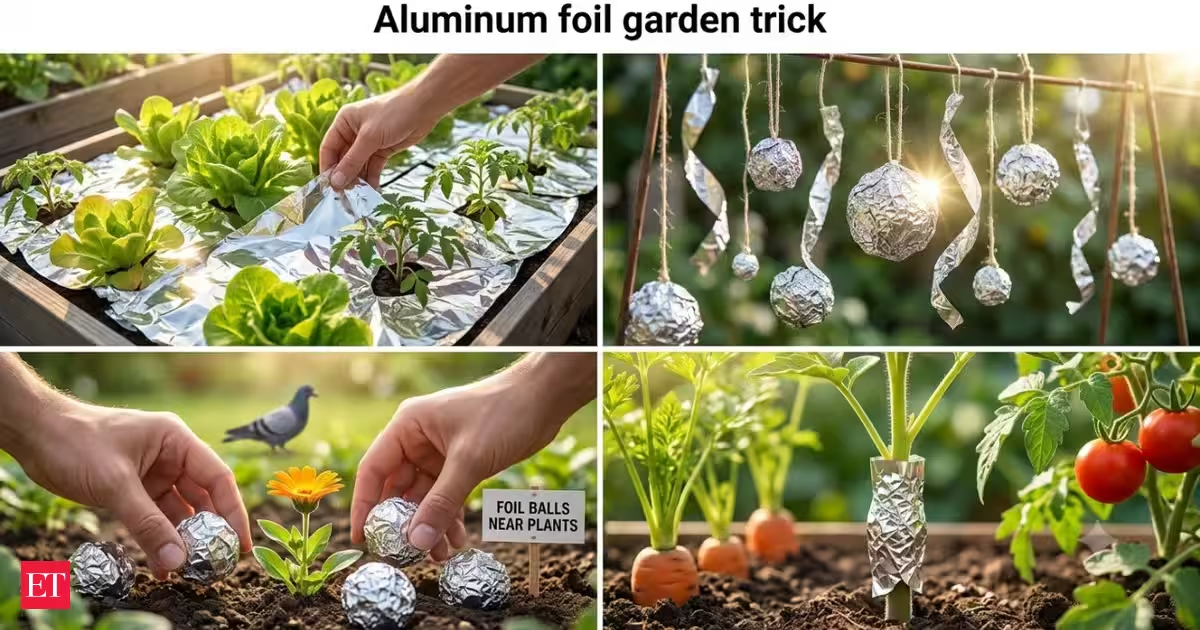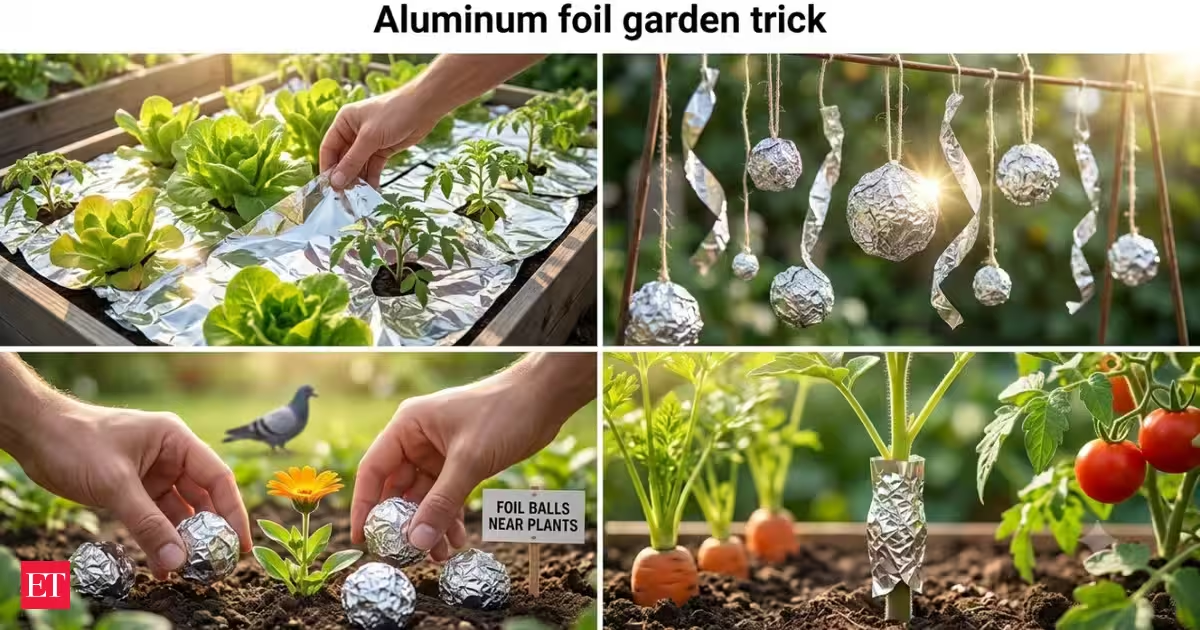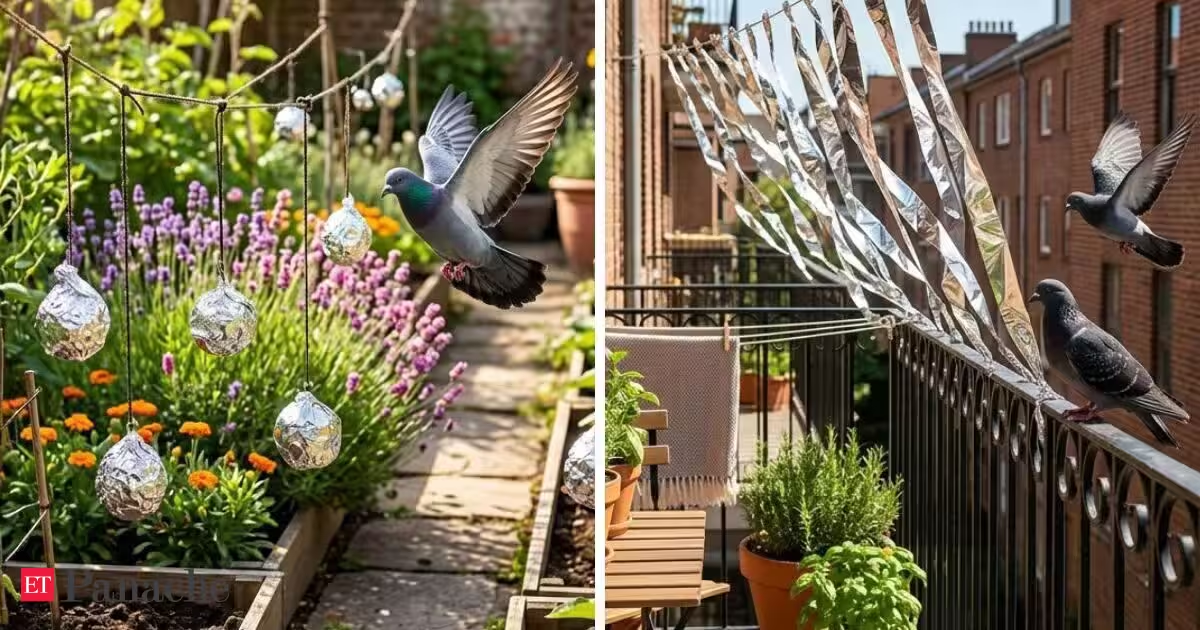
SynopsisShiny objects and visual scares lose effectiveness as birds adapt quickly to these methods. Spacing and variety of deterrents are crucial for successful fruit protection. Physical barriers like bird netting offer a more reliable and long-lasting solution. Changing sonic deterrents and predator decoys also proves effective over time. Home gardeners should rotate strategies to keep birds from becoming too accustomed.A quick glance is all it takes for birds to call your bluff. Image Credits: PexelsIf you have ever hung old CDs or strips of foil on your backyard cherry tree, you already know the drill. Shiny, spinning objects catch the light, and for a few days, the birds stay away. Then they come right back. This is not just bad luck; research suggests birds can get used to visual deterrents quickly.According to Oregon State University Extension, birds are smart, and they get used to visual scares fast unless the setup is switched up often. That finding can change how you think about protecting your fruit this summer.Why do foil and shiny tape stop workingThe concept of foil strips is simple. Birds see sudden flashes of light or movement and treat it like danger. At first, it works. Birds, however, are curious and observant animals, and once nothing bad actually happens to them in the vicinity of the foil, they stop caring. Researchers have seen the same pattern with fancier gadgets, too.A study on lasers used to push crows out of their roosts found the birds fled at first, but came back to the very same spot the same night. According to the study titled ‘Evaluation of lasers to disperse American crows, Corvus brachyrhynchos, from urban night roosts,’ published in the International Journal of Pest Management, not one roost was actually abandoned.Same trick, same spot, day after day, and the birds stop caring. Image Credits: ChatGPTThe story of balloons decorated with big fake eyes is much the same. According to the research published in the New Zealand Journal of Zoology on eye-spot balloons in New Zealand vineyards, the effect was short-lived and limited in impact to a small radius around the balloon. If your foil strips seem to stop working around week two, that is not you doing something wrong. That's just how birds are wired.So does spacing really matter?Yes, and this is what most home gardeners probably overlook. If visual deterrents are too far apart or placed only in one corner of the yard, birds just land somewhere else nearby. Oregon State University Extension’s guide on bird deterrents says growers get better results with scare balloons when they use several per acre, not just one or two near the trunk. Scale that down for a backyard tree, and the message is the same: one piece of foil flapping on one branch is pretty much decoration, not defense.What actually works better than foilOne of the most reliable solutions is to physically block the birds out. Bird netting, thrown on the tree or a raised frame around the tree, does not depend on scaring anyone. It creates a barrier that birds cannot easily get through, and it tends to stay effective longer than flashy tricks. It is a little more setup than a roll of foil, and you do have to check it after storms, but it keeps working long after the shiny stuff has stopped fooling anyone.Netting isn't flashy, but it's the one method birds can't outsmart. Image Credits: ChatGPTSound is the next best backup, but only if you keep changing it up. A sonic device that plays overlapping sound frequencies was tested at an airfield and cut down bird presence by about eighty percent, and it was working just as well four weeks later as it was on day one, according to researchers who tested a sonic bird deterrent at an airfield. The key detail about that was that it varied. Devices that repeat the same noise at the exact same time lose their edge, just like foil does.Natural predators help too. Farms that have imported trained falcons have seen dramatic results. In one study of falcons used in vineyards, grape growers saw crop loss decrease by ninety-five percent compared to vineyards with no falcons at all. You don’t need to rent a falcon for your backyard peach tree, but the principle scales down nicely: predator decoys, like fake owls or hawks, work better if you move them around every few days instead of letting them sit in one spot and become part of the scenery.The real takeaway for home growersNobody needs to feel guilty about their foil strips. They’re one of the oldest garden tricks; they are cheap and easy to try, and they do work for a little while. The mistake is to treat them as a permanent fix. Rotate your tricks if you want your berries and stone fruit to actually survive the season. Move the shiny stuff, put a fake owl in for a week, drape netting over the most vulnerable branches, and change things up before the birds get too comfortable. Spacing and variety matter more than any single gadget. The birds are not the problem. Getting too predictable is.Read More News on(Catch all the US News, UK News, Canada News, International Breaking News Events, and Latest News Updates on The Economic Times.) Download The Economic Times News App to get Daily International News Updates....moreless
Birds are smarter than most backyard scare tactics, research shows; here's what actually stops them
Explore why traditional methods like foil strips are ineffective in deterring birds from fruit trees and discover better solutions to protect your harvest this summer.
890 words~4 min read