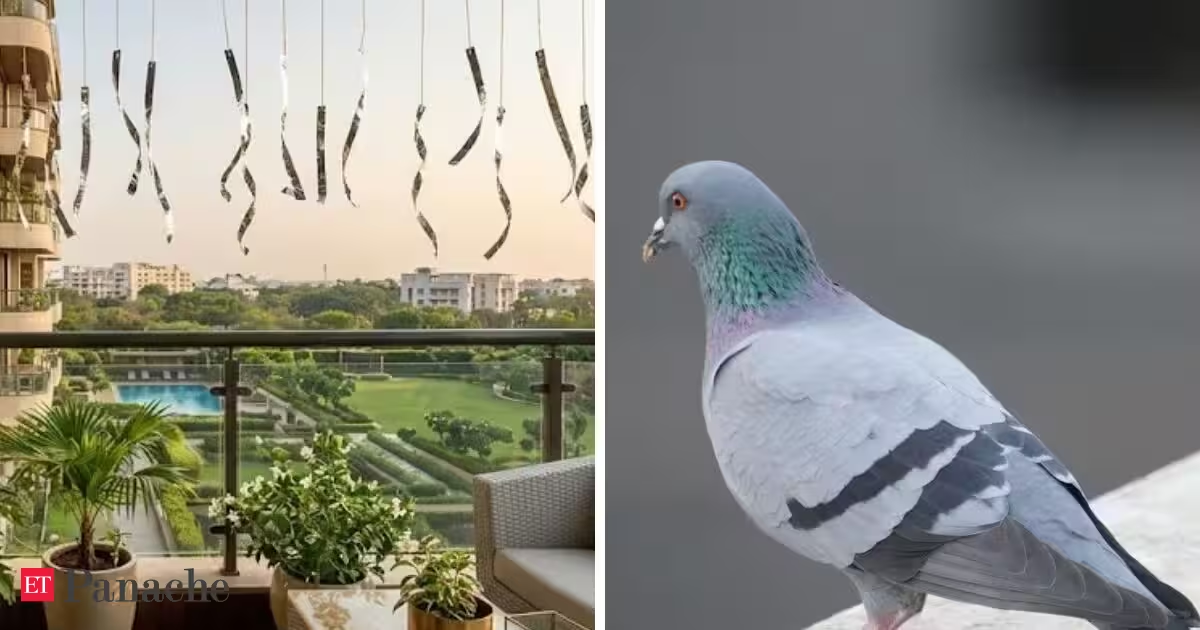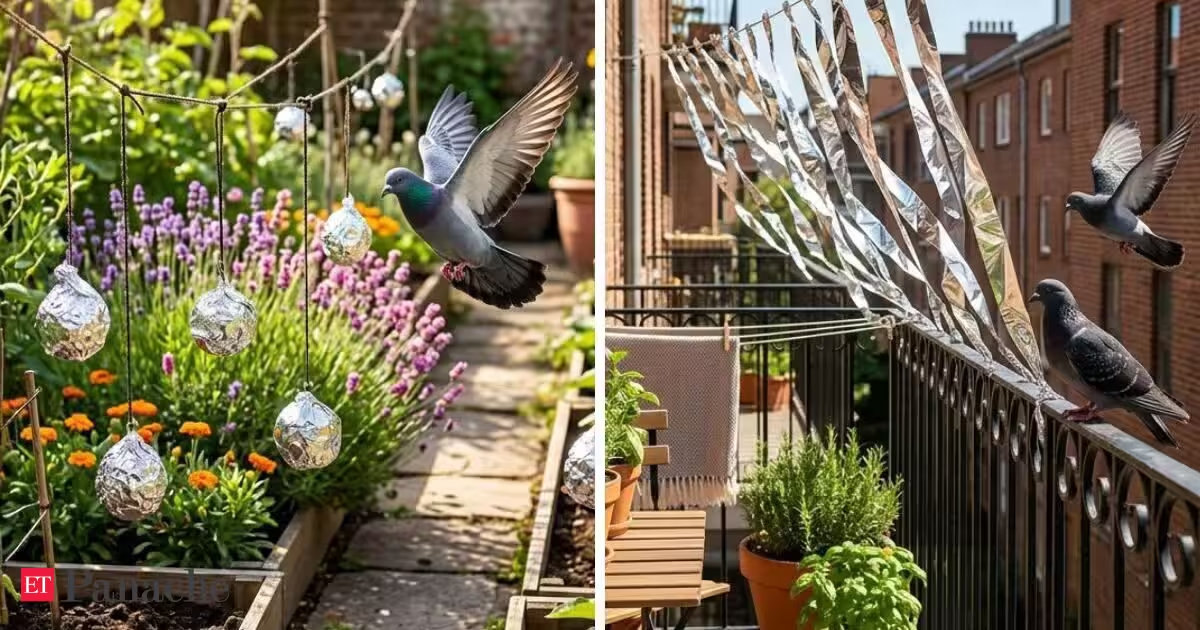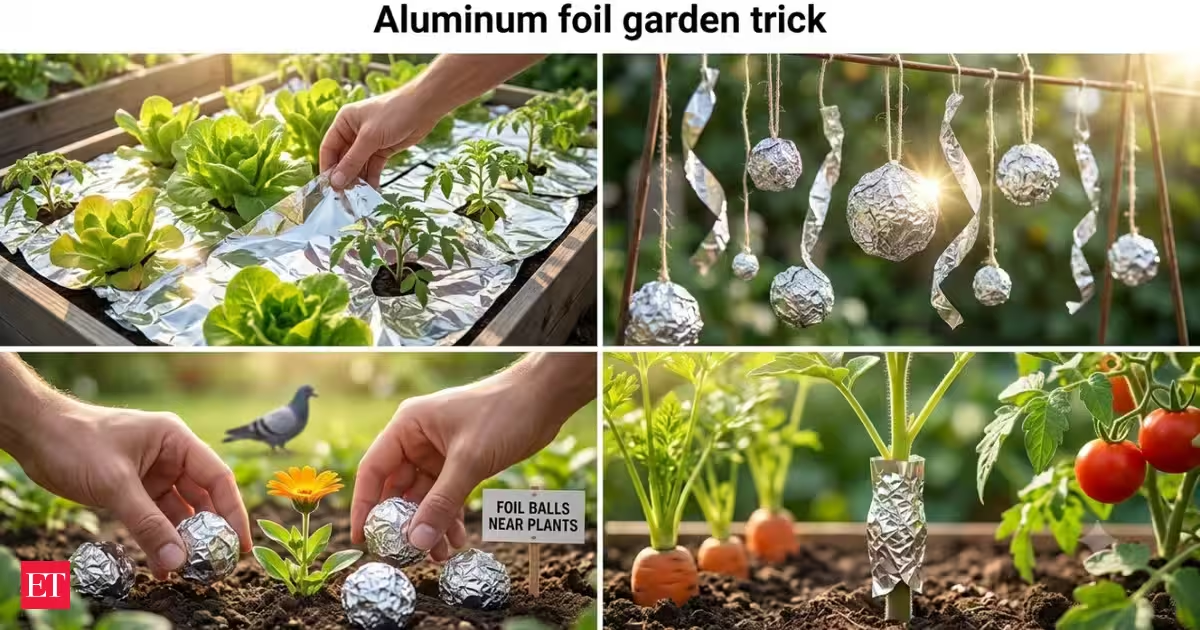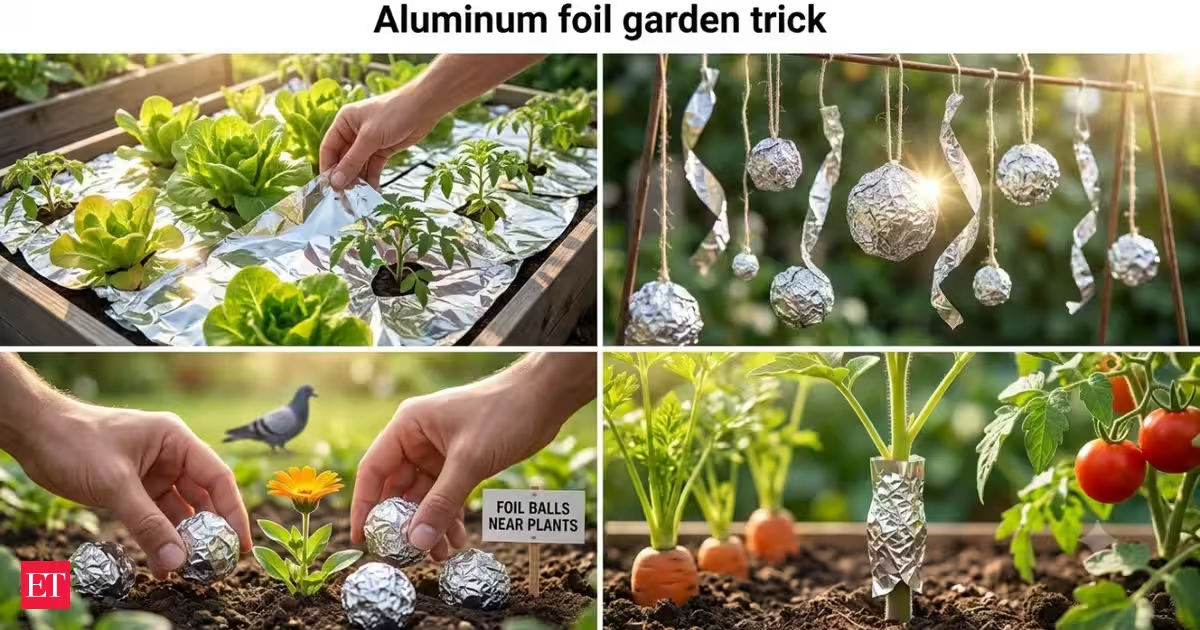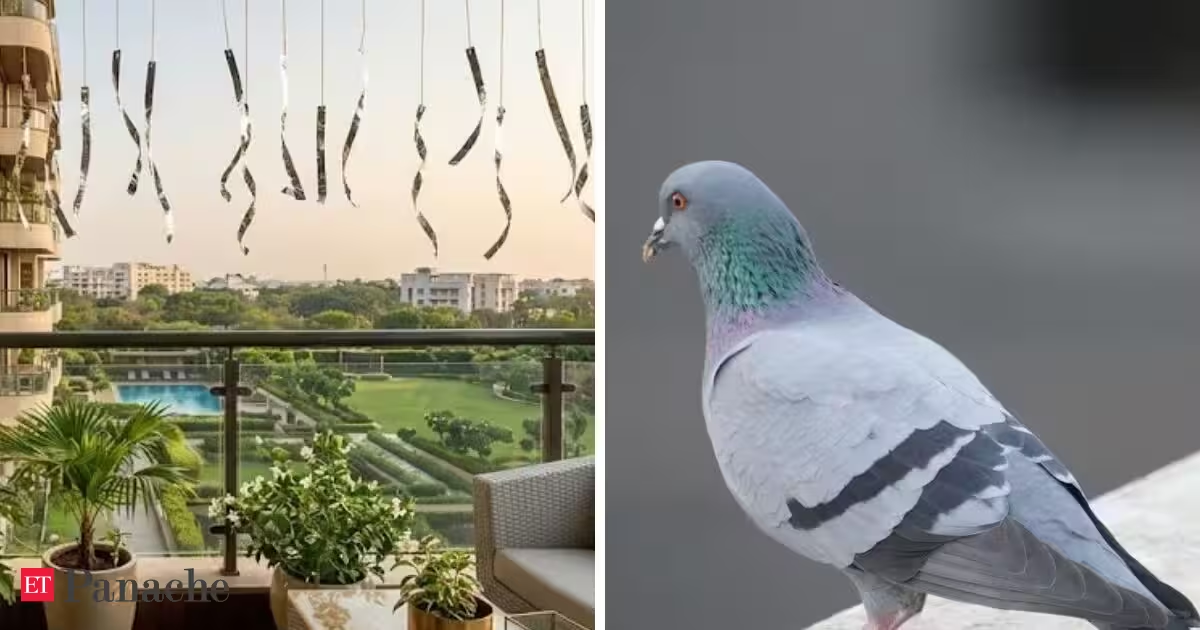
SynopsisAluminum foil may help deter pigeons from balconies because its reflective surface, movement and flashes of light can make landing areas less inviting. Hanging several strips near common pigeon spots can create a temporary visual deterrent. Replace or reposition the foil when it becomes dirty, damaged or stops moving. For persistent problems, combine the trick with balcony cleaning and physical bird-proofing measures.Aluminum foil is highly reflective. When sunlight hits its surface, it creates flashes of light that change as the foil moves. (Ai-generated Image: Gemini/Istock)Pigeons can quickly turn a clean balcony into a daily cleaning job, leaving behind droppings, feathers and nesting material. If you are looking for a simple way to make your balcony less inviting without immediately spending money on specialised bird-control products, aluminum foil is one household trick worth trying. Its reflective surface and movement may make pigeons wary of landing nearby. Here's how to use aluminum foil on a balcony and what to keep in mind.Why aluminum foil may help keep pigeons awayAluminum foil is highly reflective. When sunlight hits its surface, it creates flashes of light that change as the foil moves.That combination of movement, reflection and unfamiliar visual activity may make a balcony less attractive to pigeons.The important point is that foil doesn't physically prevent pigeons from landing. Instead, it works as a visual deterrent. Its effectiveness can therefore vary depending on the balcony, sunlight, wind and how accustomed the local birds are to the object.How to use aluminum foil on a balconyYou don't need to cover the entire balcony with foil. Try these simple methods:You Might Also Like: Hang strips of aluminum foilCut aluminum foil into several long strips and attach them securely to a balcony railing, clothesline or another suitable point.Leave enough room for the strips to move naturally in the breeze. The movement can make the deterrent more noticeable than a stationary piece of foil.Use foil near common landing spotsPay attention to where pigeons usually sit. If they repeatedly land on a particular railing, ledge or balcony corner, position the foil around that area rather than randomly placing it elsewhere.Try several strips rather than oneA single small piece may be easy for birds to ignore. Several reflective strips moving independently can create more visual activity.You Might Also Like: Keep the foil movingIf the foil becomes crumpled, tightly folded or stuck against a surface, it may lose much of its visual effect. Replace or reposition it when it stops moving.How often should you replace aluminum foil?There is no fixed replacement schedule because it depends on the weather and condition of the foil. Check it every few days, particularly after rain, strong winds or dusty weather. Replace it when it becomes torn, dirty, heavily crumpled or stops moving effectively. You can also change its position occasionally. Pigeons can become accustomed to objects that remain in exactly the same place for long periods.Make the balcony less attractive to pigeonsAluminum foil is more useful as part of a broader approach. Remove food scraps, spilled birdseed and standing water from the balcony. Also clear away nesting material promptly where it is safe and lawful to do so. If pigeons have already established a regular nesting site, simply adding foil may not be enough. In that situation, physical exclusion methods such as appropriately installed bird netting can be more reliable.What not to do? Avoid using glue, poisons or other harmful substances to discourage pigeons. Also make sure that strips of foil are securely attached. Loose pieces can become litter or blow into neighbouring balconies, roads or other areas. The goal is to make the balcony less attractive to pigeons, not to injure or trap them.You Might Also Like:Does aluminum foil really work against pigeons?It can help as a low-cost, temporary deterrent, particularly when the foil reflects sunlight and moves in the breeze. But pigeons are adaptable birds, so there is no guarantee that they will permanently avoid a balcony because of foil.( Originally published on Aug 11, 2026 )Read More News on...morelessRead More News on...moreless
Why are people putting aluminum foil on their balconies? The simple trick that may help keep pigeons away
Aluminum foil may help deter pigeons from balconies because its reflective surface, movement and flashes of light can make landing areas less inviting. Hanging several strips near common pigeon spots can create a temporary visual deterrent. Replace or reposition the foil when it becomes dirty, damaged or stops moving. For persistent problems, combine the trick with balcony cleaning and physical bird-proofing measures.
668 words~3 min read