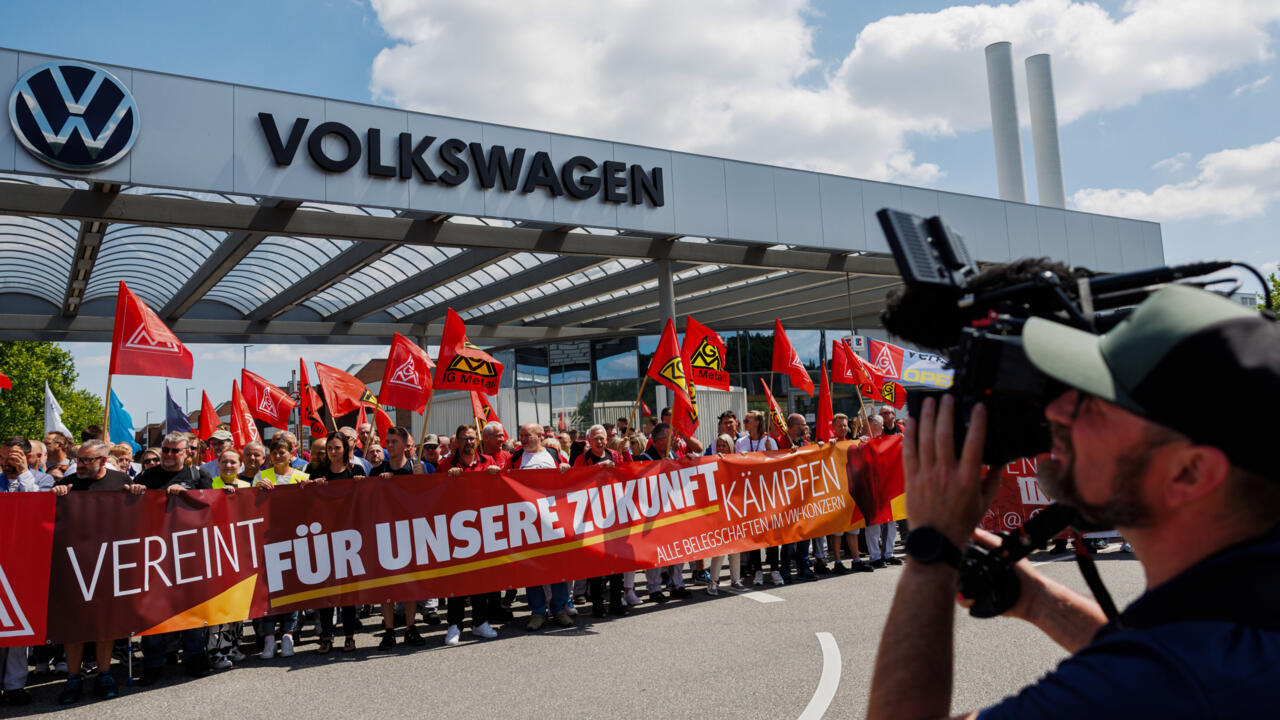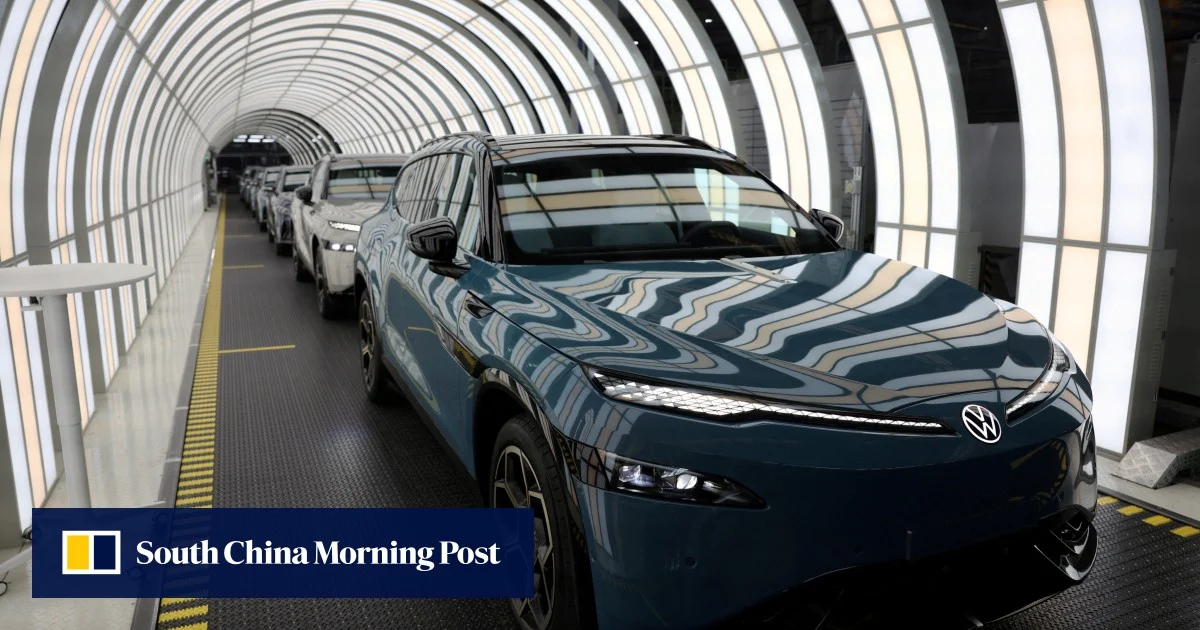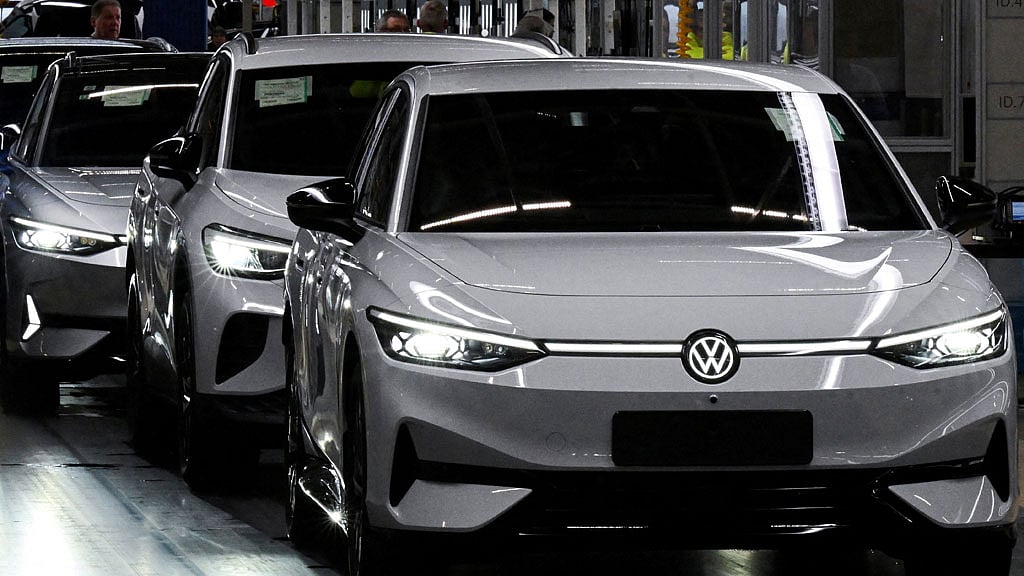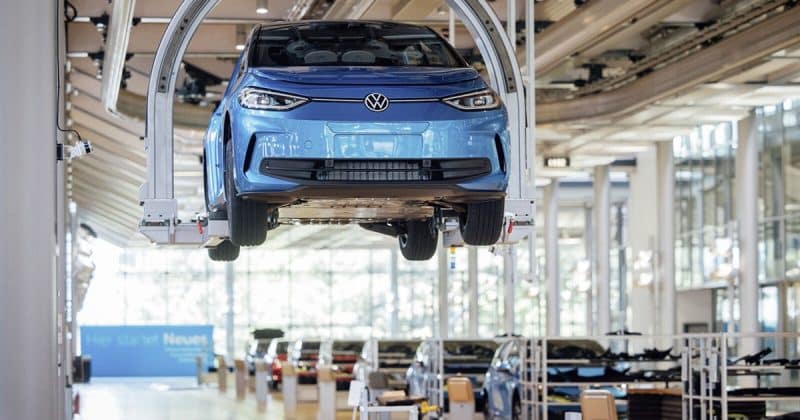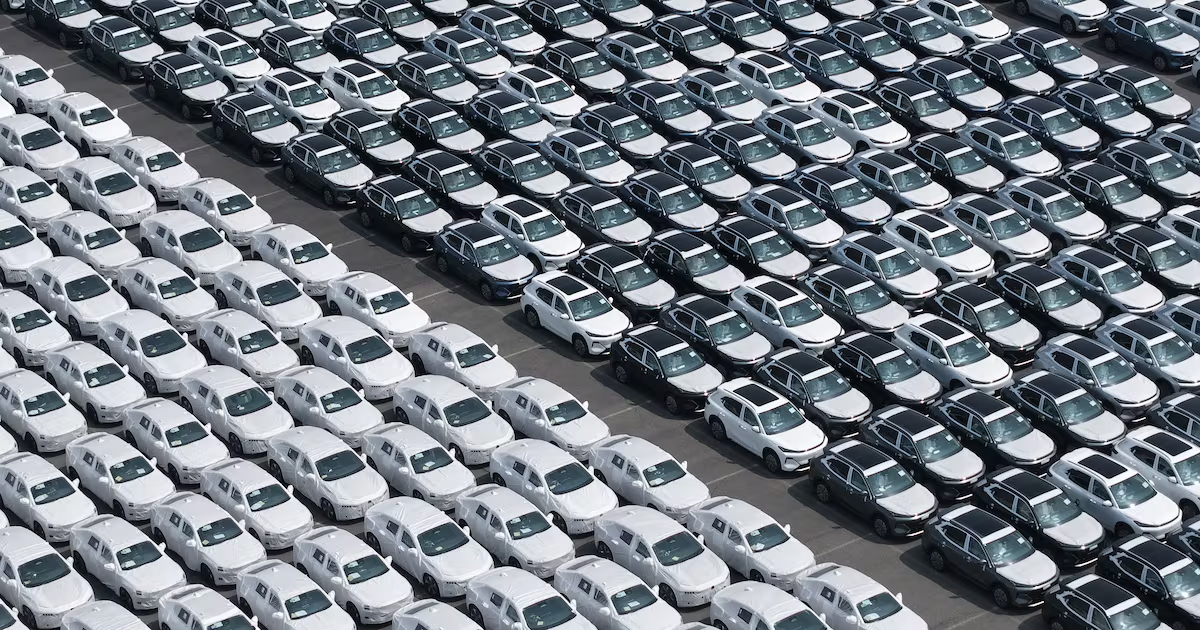
VW confirmed that it is considering up to 100,000 job cutsChinese cars wait to be exported from Shanghai. Photograph: Getty images Wed Jul 15 2026 - 14:44 • 4 MIN READWhen China reported its latest surge in exports on Tuesday, one figure stood out: more than one million cars exported during the month of June, suggesting the annual figure could top 10 million in 2026. This compares with seven million last year and would see China exporting more than twice as many cars this year as in 2023, despite the imposition of steep tariffs in both the United States and the European Union. The increase is part of a broader trend which saw overall Chinese exports increase by 27 per cent in June compared with a year earlier, reaching more than $412 billion (€360 billion) for the month. Imports increased by 36 per cent to almost $287 billion, leaving China with a trade surplus of $125 billion.“Regarding China’s trade balance, I would like to point out that China’s foreign trade is characterised by large-scale imports and exports; we are not only the world’s largest exporter but also the second-largest importer. Data from the first half of this year shows that the growth rate of imports outpaced that of exports, resulting in a 4.7 per cent narrowing of the trade surplus,” said Lü Daliang, a spokesman for China’s General Administration of Customs. The latest figures will deepen anxiety within the European car industry following VW’s confirmation this week that it is considering up to 100,000 job cuts. Chief executive Oliver Blume said in a memo to staff that 50,000 job cuts already announced may not be enough to make Europe’s biggest carmaker competitive and that another 50,000 might be needed.[ Volkswagen to axe up to 100,000 jobs as cost-cutting drive speeds upOpens in new window ] Chinese brands accounted for one in every 10 cars registered in the European Union (EU) in May, overtaking their Japanese rivals for the first time. The car industry has been pressing the European Commission to apply a Made in Europe rule that would ensure that 70 per cent of vehicles sold in the EU sourced 70 per cent of their value in Europe.How can tech offer solutions for obesity and weight management? Listen | 35:38 Speaking to the European Parliament last week, single market commissioner Stephane Séjourné said Chinese imports represented a mortal danger for the European car industry. He said Beijing was pursuing a predatory policy by producing too many electric vehicles and dumping its excess capacity on the European market. “The result is undeniable: loss of market share for our manufacturers and massive imports of Chinese models, which now represent over 15 per cent of the electrified vehicle segment in Europe,” he said.[ BYD aims to outsell Toyota by 2031 to become world’s biggest car makerOpens in new window ] The surge in exports comes amid a slowdown in domestic sales for Chinese car manufacturers as consumer confidence remains under pressure amid relatively sluggish growth and an enduring property market slump. Sales of electric vehicles in China fell by seven per cent in June compared to a year earlier and the drop for the first half of the year is almost twice as great. Beijing has been phasing out its tax incentives for electric vehicles, which used to be exempt from sales tax but are now subject to a 5 per cent rate. And the authorities banned below-cost selling last February in response to cut-throat competition among the country’s car manufacturers that was driving prices too low to be profitable. Although the EU credits state subsidies for the success of China’s electric vehicle industry, the truth is more complicated and the most successful brands developed out of a fiercely competitive environment fostered by rivalry between local and provincial governments. Local authorities formed partnerships with private companies, often nurturing a number of rival manufacturers so that China now has dozens of electric vehicle brands with as few as three companies believed to be profitable. In an article in the current issue of the China Journal, a US-based academic publication, Fengming Lu and Xiao Ma argue that it is a mistake to view China’s success in electric vehicles (EVs) chiefly as the product of a centralised industrial policy. [ Electric vehicle rise continues as consumers move away from dieselOpens in new window ] “China’s EV boom, and the proliferation of both spectacular successes and costly failures, a phenomenon unmatched in the United States, Europe, or Japan, cannot be understood as top-down policy alone but as the unintended product of a triangular dynamic among central industrial constraints, local fiscal competition, and private capital’s agility,” they write. “This framework also illuminates patterns in China’s industrial development beyond automobiles, from traditional sectors such as steel and pharmaceuticals to cutting-edge industries such as AI.” Beijing and Brussels last month launched the EU-China trade and investment consultations, a formal process to address the widening trade gap which has seen the EU’s trade deficit with China grow to €360 billion. EU trade commissioner Maroš Šefčovič said he wanted tangible results by the time he meets China’s commerce minister Wang Wentao in Beijing next October. “My objective from the outset has been clear: to begin balancing the trade relationship between the EU and China. The gap is widening. China’s exports to the EU keep rising, while our market share in China keeps shrinking. This trend is not sustainable. The status quo is not an option,” he said.IN THIS SECTION
Chinese car exports topping one million deepens anxiety in Europe’s automobile industry
VW confirmed that it is considering up to 100,000 job cuts
917 words~4 min read