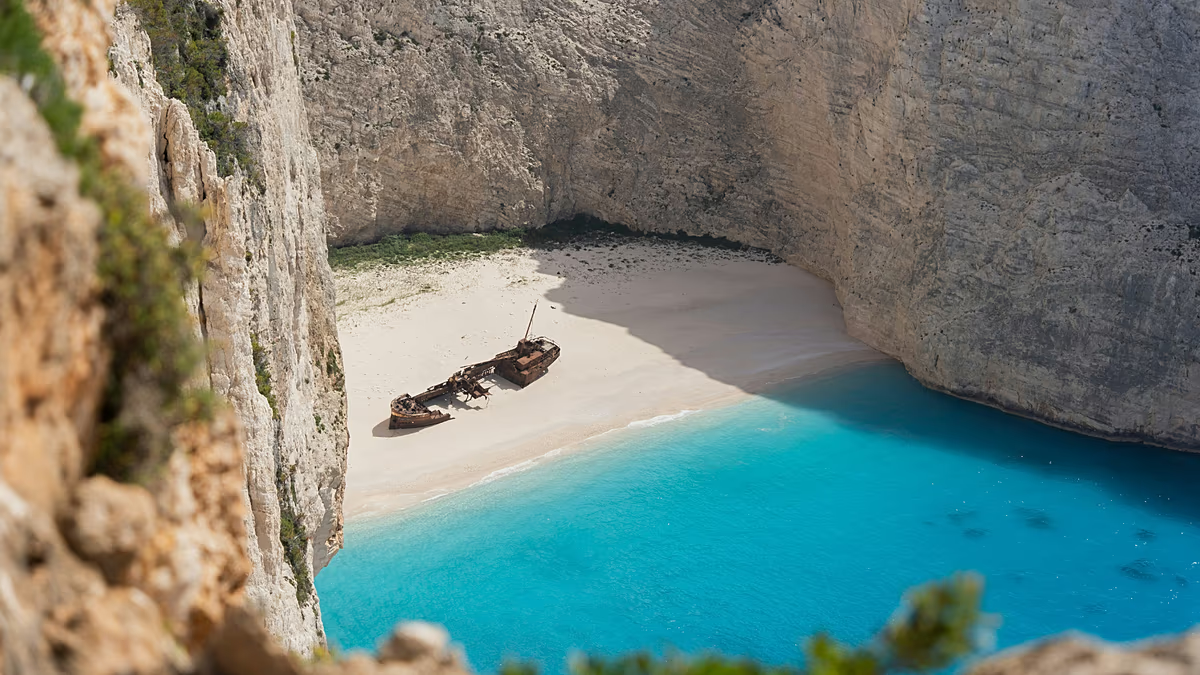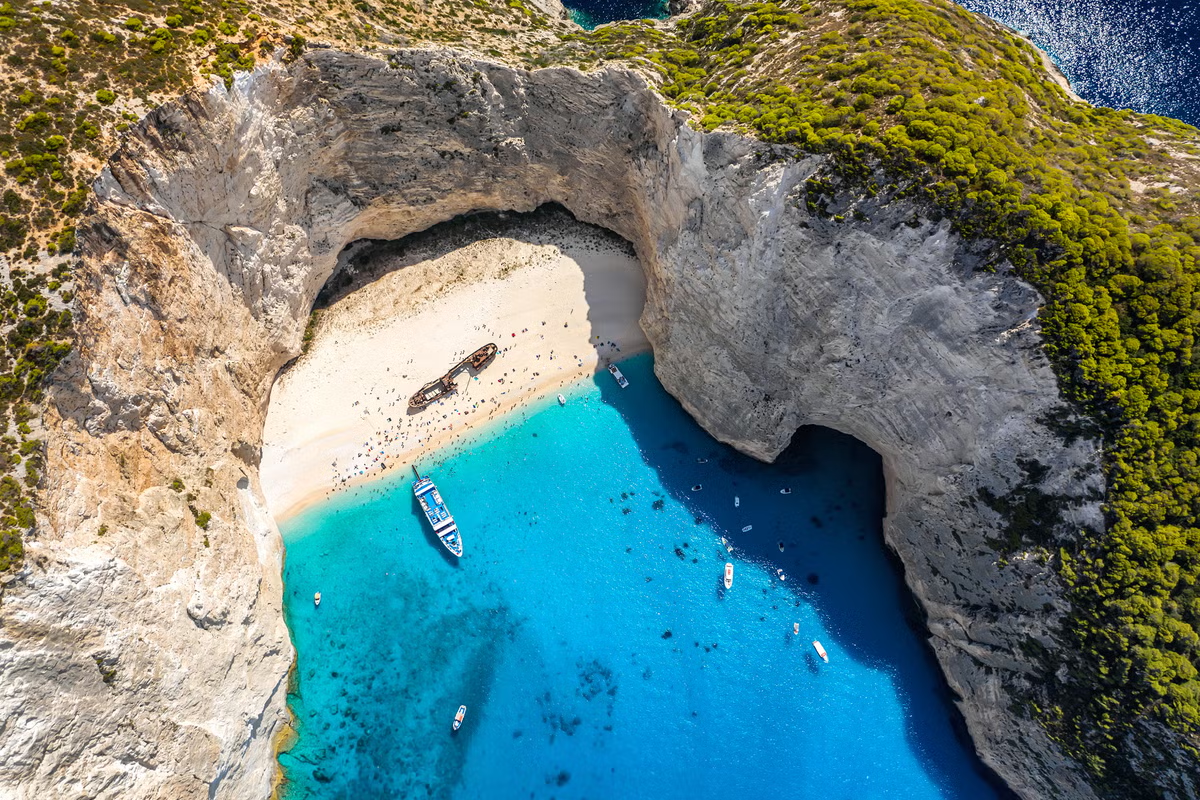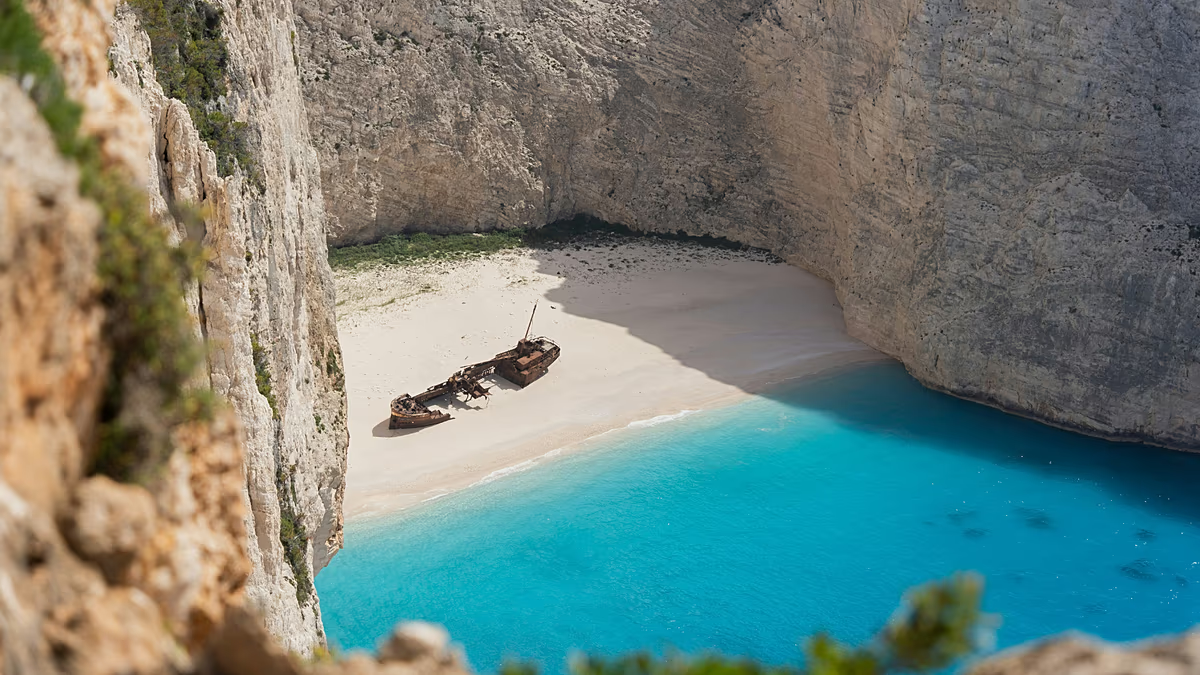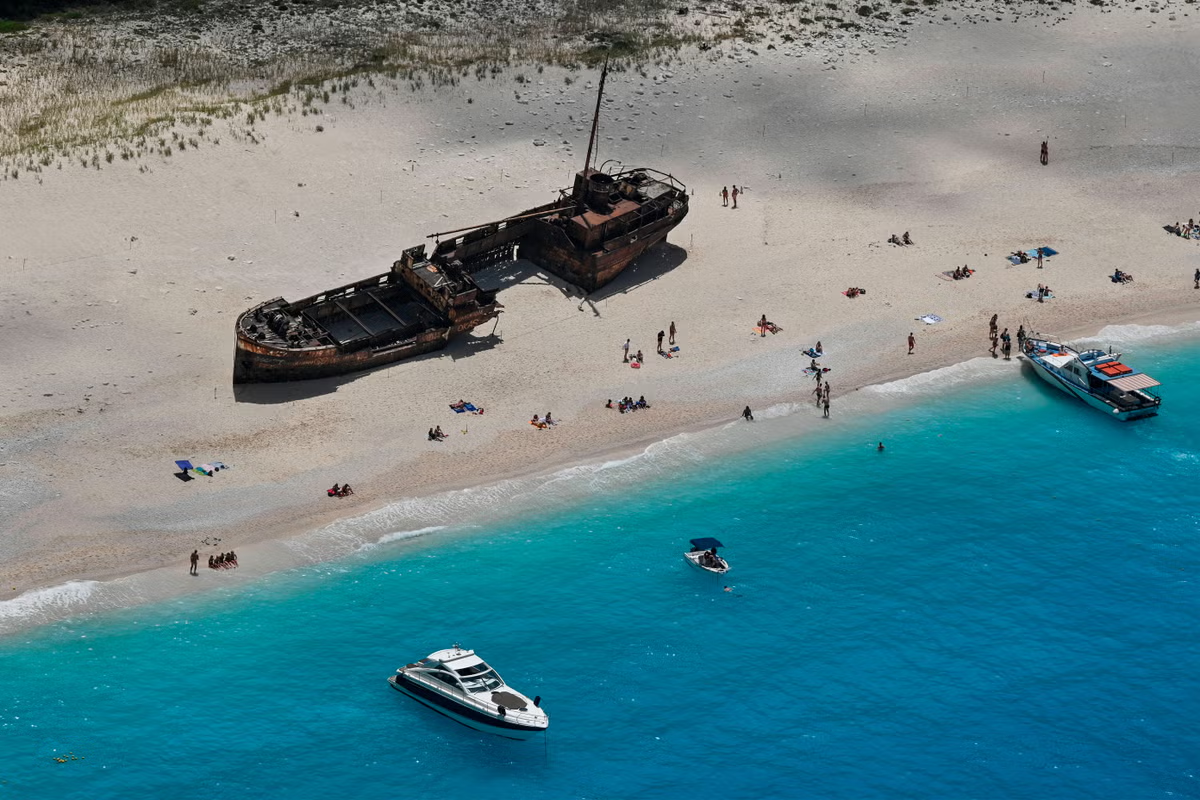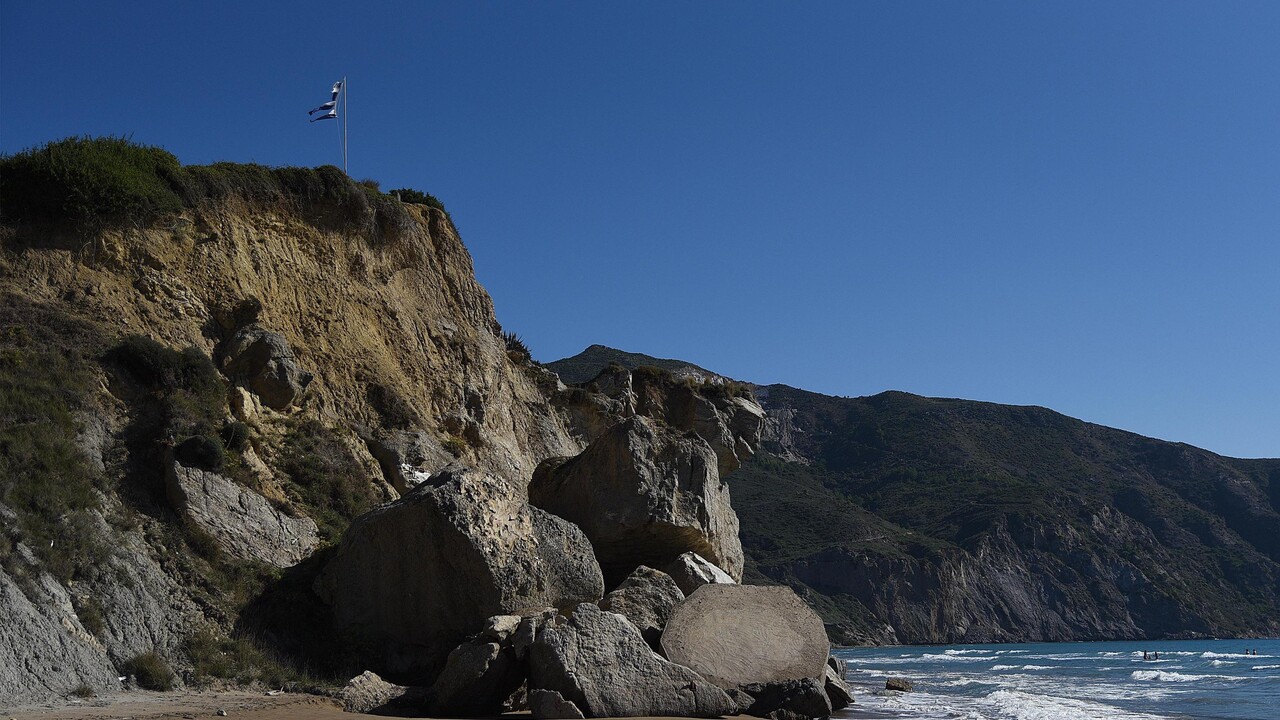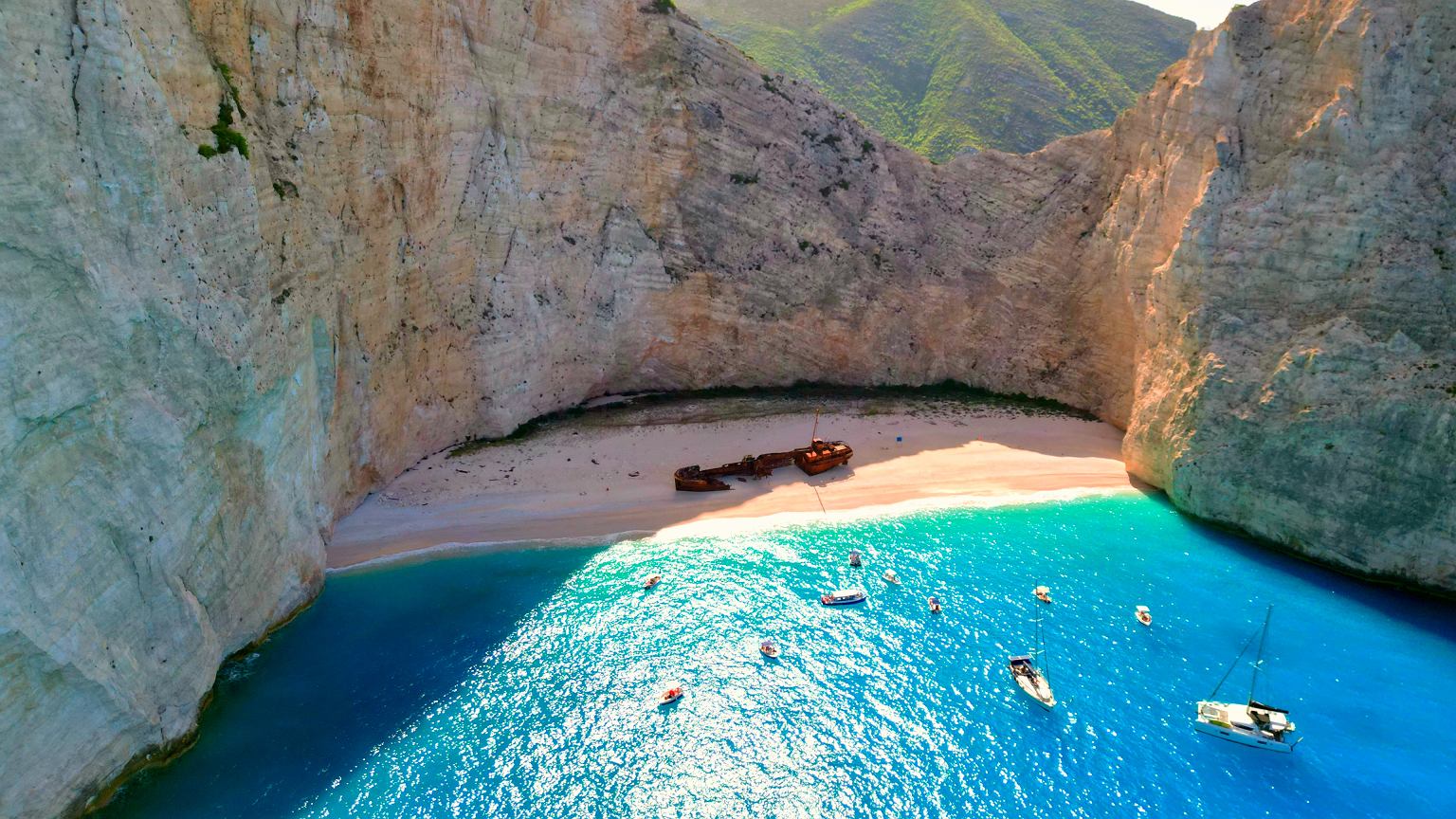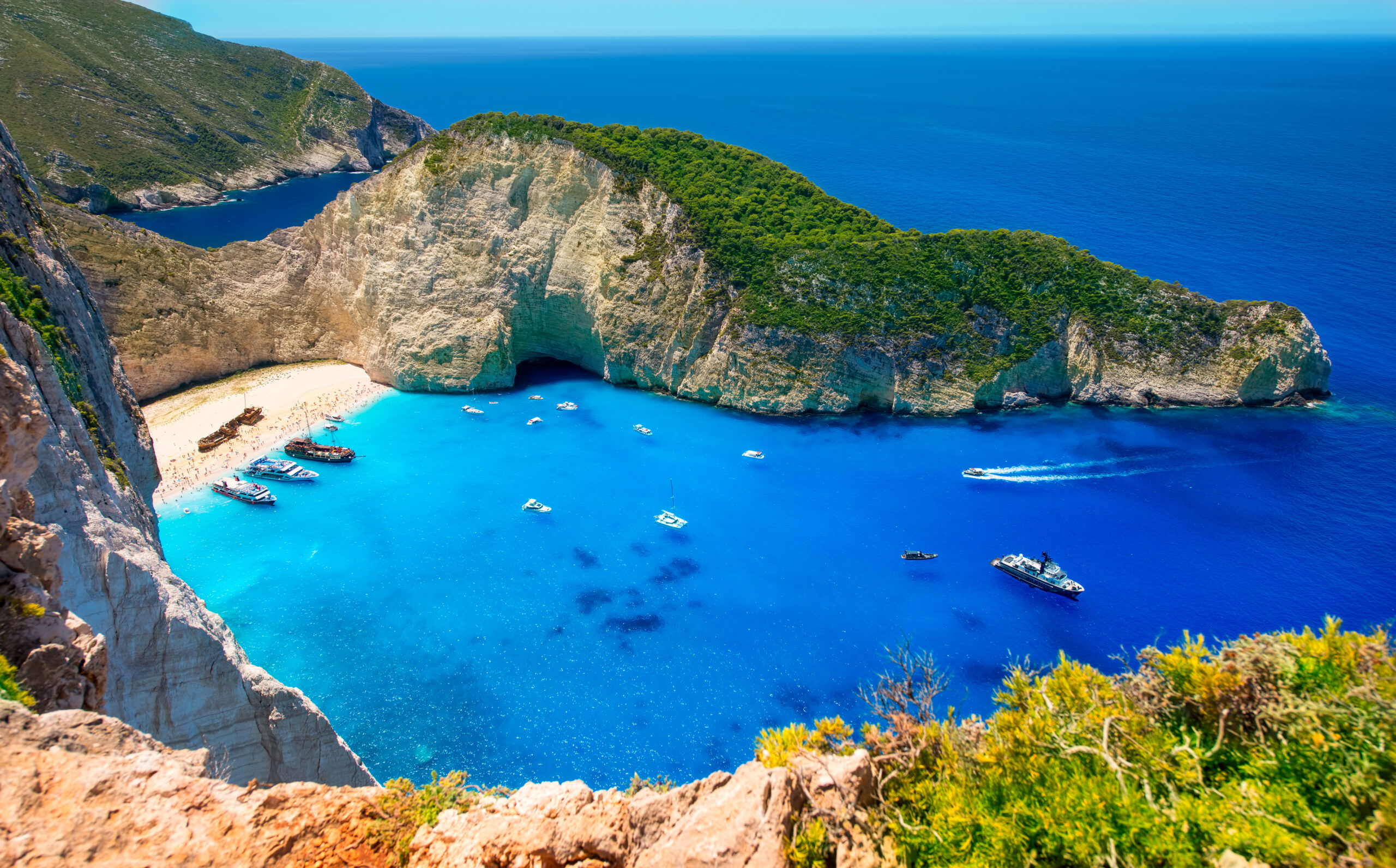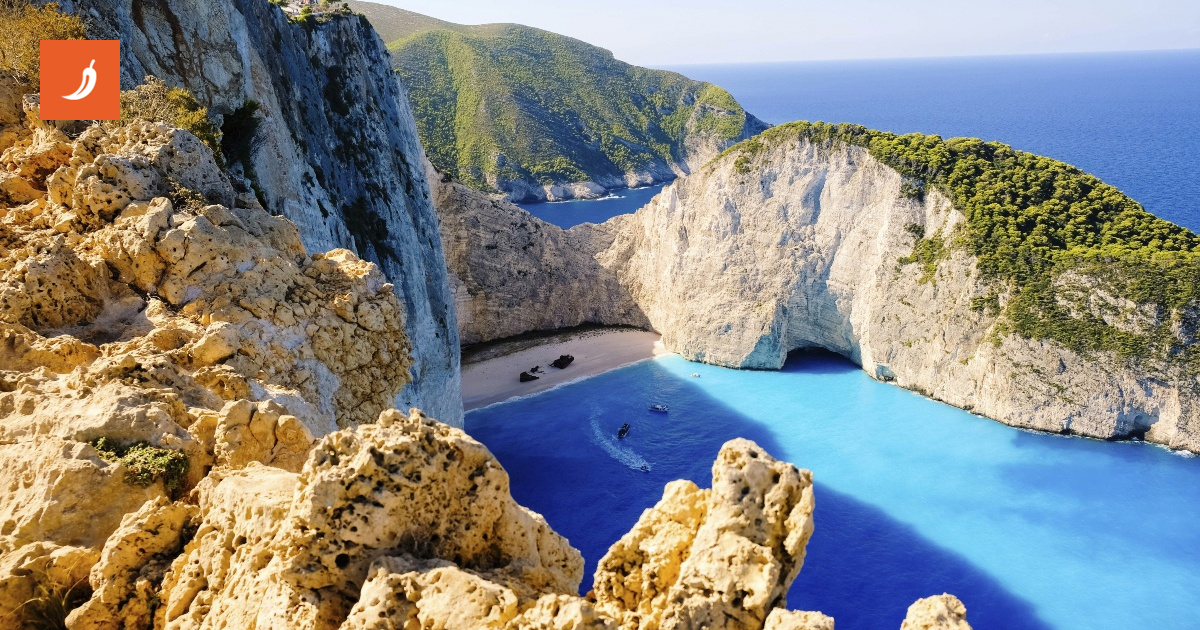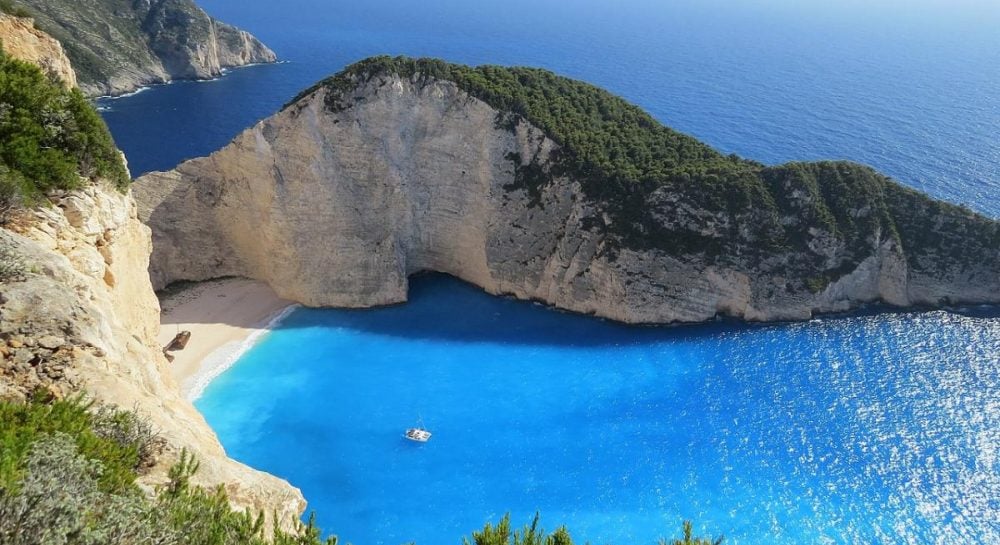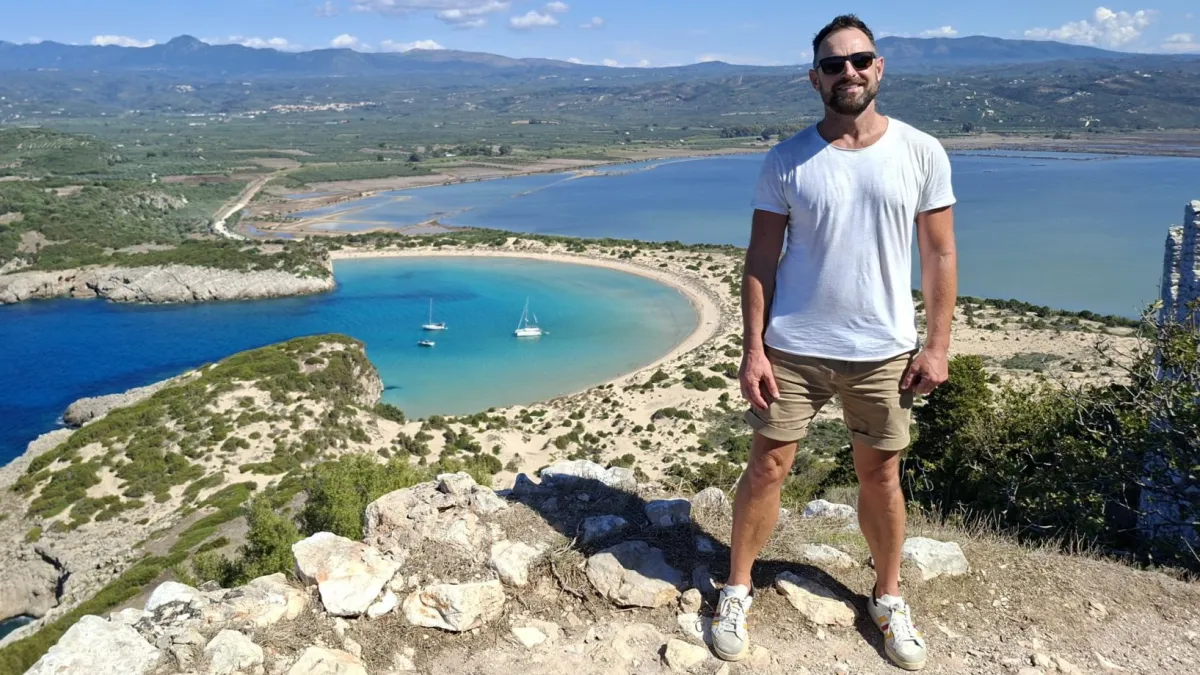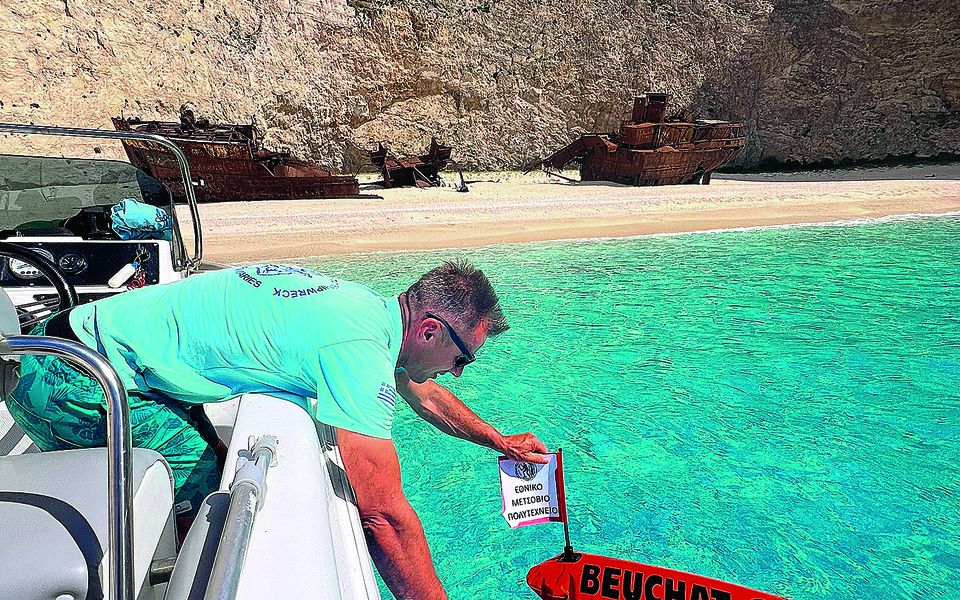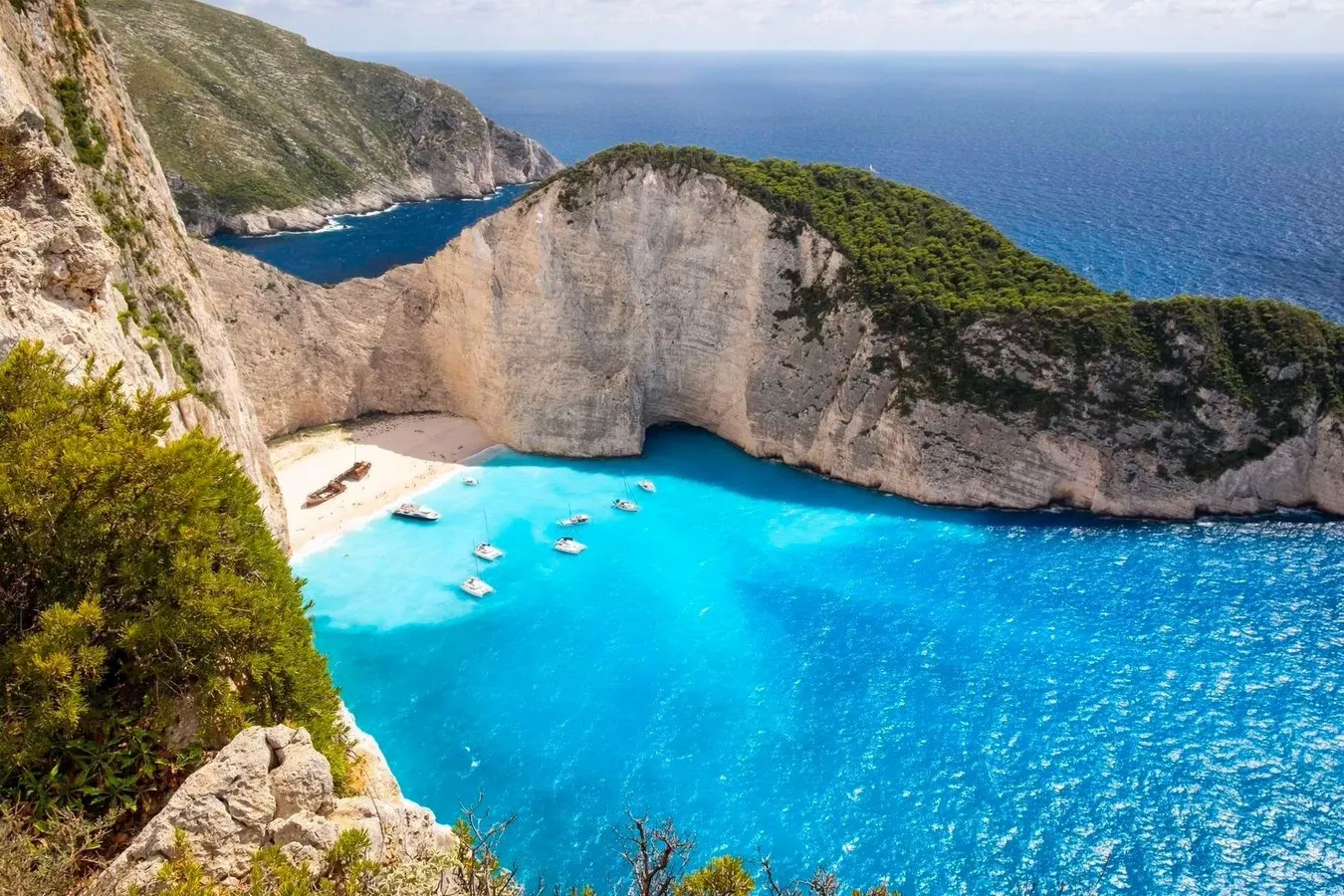
Navagio Beach, or Shipwreck Beach, on the coast of Zakynthos, Greece.Getty ImagesNavagio is one of the world’s most recognizable beaches. Positioned below tall white cliffs on the Greek island of Zakynthos, the cove stands out for its outrageous blue water and the rusted remains of a freight ship that washed up over forty years ago. The shipwreck made this hidden spot famous with travelers from around the world. Now, Greece plans to change the shoreline to help protect it from vanishing.When I visited a few years ago, I was surprised to see how much of the ship was already gone. Most photos still show the ship mostly whole, but now much of the hull has broken apart into scattered pieces of metal that are hard to recognize. I knew at that time that something had to be done to preserve this legendary landmark.Tourism in Zakynthos changed for good after the MV Panagiotis ran aground at Navagio Beach during a storm on October 5, 1980. The ship was left behind, and some of it is still buried in the beach's limestone gravel. But over the years, the main risk at Navagio has shifted from the old wreck to the surrounding cliffs.The author at Navagio Beach with the deteriorated shipwreck in the background.JIm Dobson for ForbesIn 2018, a rockslide injured seven people, prompting officials to limit swimming and boat access. After a 5.4 earthquake near Kefalonia and Zakynthos in September 2022, another landslide occurred. Authorities then closed the beach to everyone while they checked for ongoing rockfall risks.This summer, travelers still cannot visit the beach. Boats and swimmers are banned from the bay until at least October 31, 2026, because engineers have once again warned about unstable limestone cliffs above the cove. And tourists are banned from taking selfies from dangerous positions on the cliffs after numerous accidents.The Plan To Protect The BeachThe new preservation plan suggests adding about 45,000 cubic meters of gravel to the shore, which would make the beach 100 feet wider. This extra land would push the waterline farther from the shipwreck, helping protect it from waves, salt, and winter storms.Right now, the ship is about 25 meters from the sea. Making the beach wider will not fix the ship, but it could slow down erosion and make it safer for conservation work on the wreck, which has been planned for years.Visitors can still see Navagio from special viewing spots above the beach, but no one is allowed into the cove. Officials check the area twice a year to decide if it is safe to reopen. The closure is mostly because of the cliffs, not the ship itself.The shipwreck in Zakynthos in its original state many years ago.gettyHow A Shipwreck Became The Island’s Calling CardBefore the accident, this part of the coast was remote and not well known beyond Zakynthos. Over time, the rusting ship blended into the scenery, turning the cove into one of Greece’s most photographed spots and a familiar image on postcards, travel posters, and social media worldwide.But years of salt, wind, and waves have worn down the metal. Large panels are gone, and parts of the remaining structure keep collapsing. Without help, Zakynthos could lose the ship that gave Navagio its iconic name Shipwreck Beach.The beach extension is not meant to make more room for sunbathers. Its main goal is to stabilize the area around the wreck and give more time. Once the shoreline work is finished and the cliffs are safe, the careful job of preserving the ship can start.For now, people see Navagio from above instead of visiting it by water. This proposal is the strongest sign so far that Greece wants to keep the wreck where it is, rather than let it slowly disappear into the Ionian Sea. MORE FROM FORBESForbesZakynthos, The Greek Island With A Famous Shipwreck Beach: Where To Eat, Stay And PlayBy Jim Dobson
The Famous Shipwreck Beach In Greece Is Disappearing—But There Is A Plan To Save It
Greece will expand Navagio Beach on Zakynthos to preserve the famous Navagio Beach with future development planned to restore the iconic ship.
646 words~3 min read