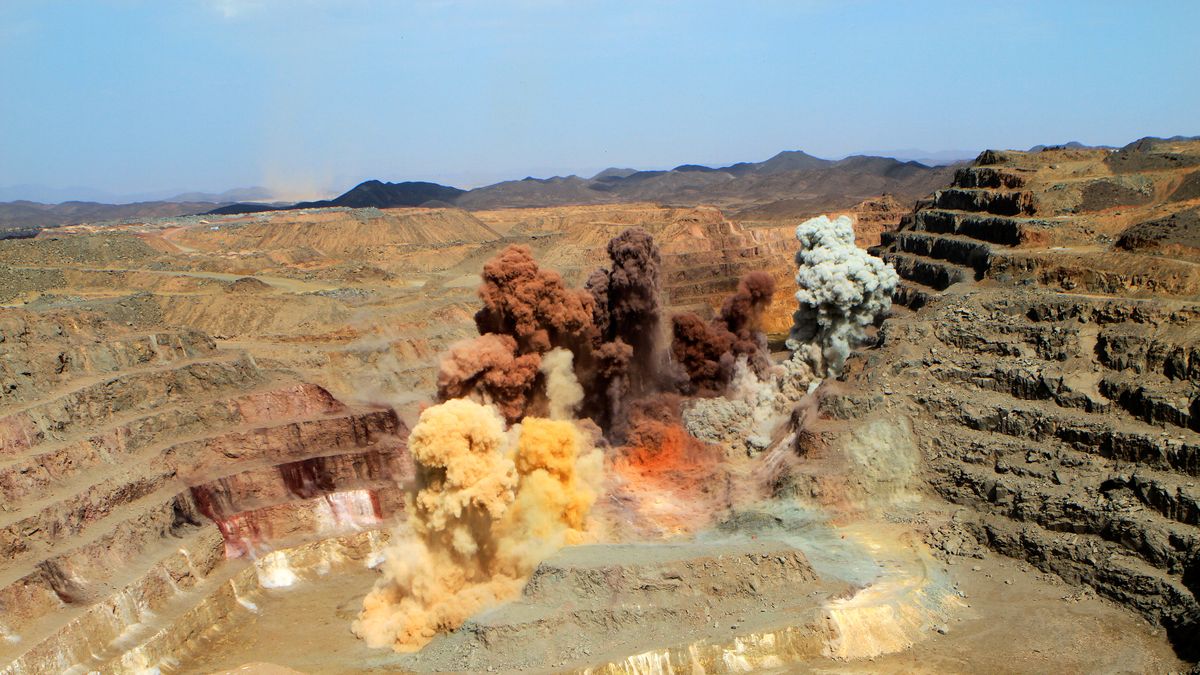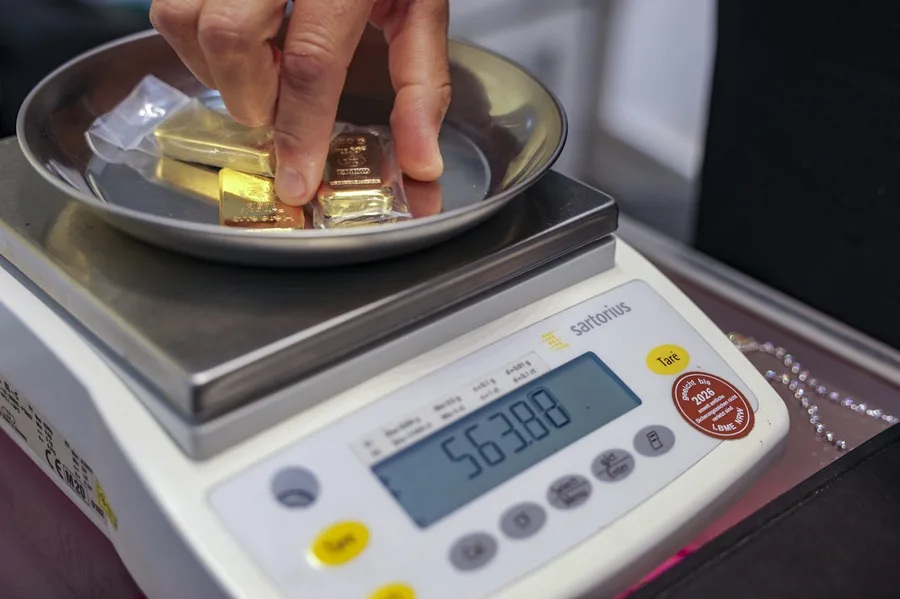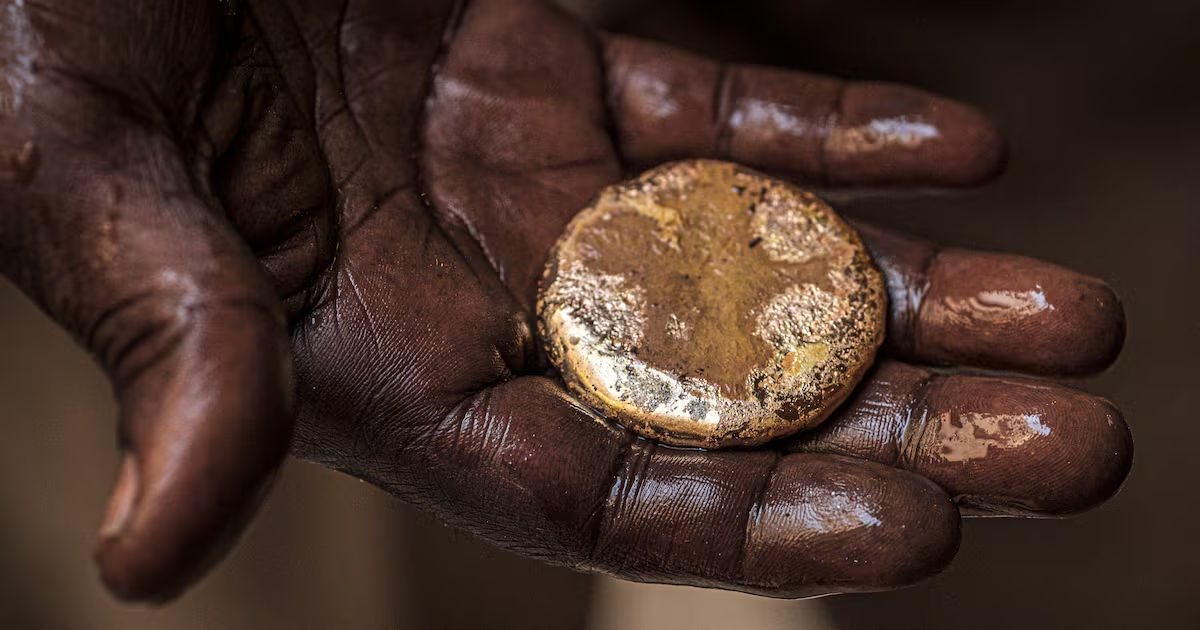
The European Union has announced a ban on gold imports from Sudan in an effort to cut off funding for the ongoing civil war in the country. Sudan, a significant gold producer, has been embroiled in conflict since April 2023 between the Sudanese Armed Forces and the Rapid Support Forces. This latest measure is part of a broader sanctions framework that the EU adopted in October 2023. The new sanctions also restrict exports of mercury and cyanide, which are vital for gold mining, allowing exceptions only for humanitarian and public health purposes.
The EU’s decision appears to impact the gold market by potentially decreasing the supply, leading to adjustments in market expectations. Gold prices in Sudan have been highly volatile, reflecting local economic instability. Globally, markets are assessing the potential effects on international gold supply and pricing, with predictions suggesting a minor decrease in overall gold prices due to the reduced supply from Sudan.
Key Takeaways
The EU’s ban on Sudanese gold imports appears to reflect a strategy to disrupt funding for Sudan’s ongoing civil conflict.
Markets suggest the ban could lead to a minor decrease in global gold prices due to reduced supply from a significant producer.