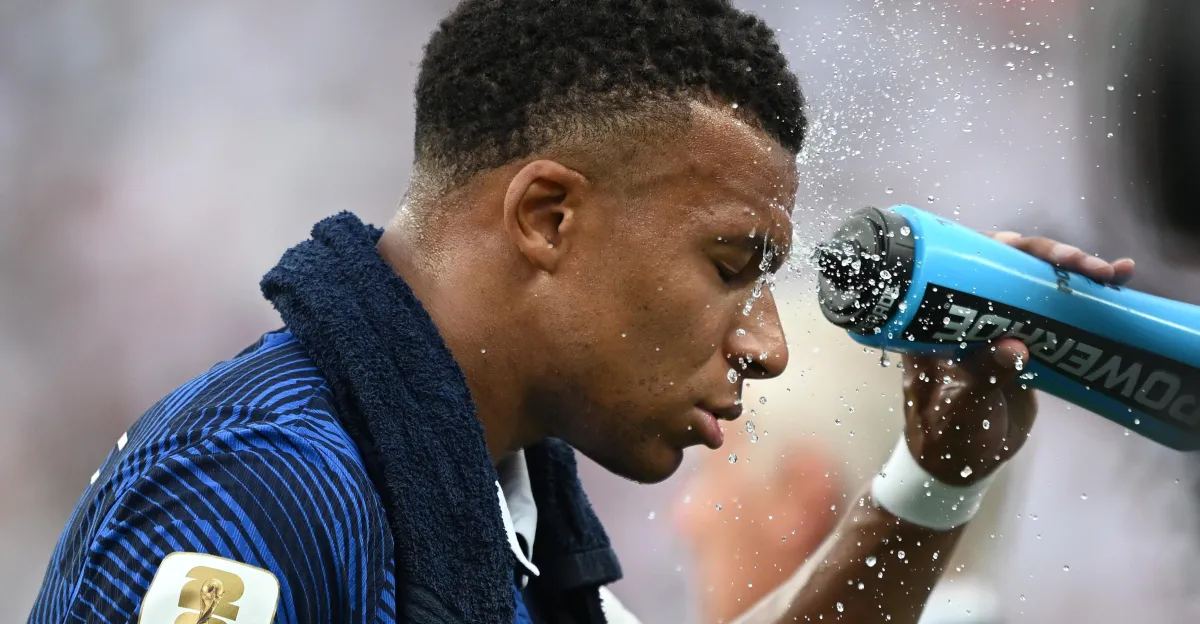
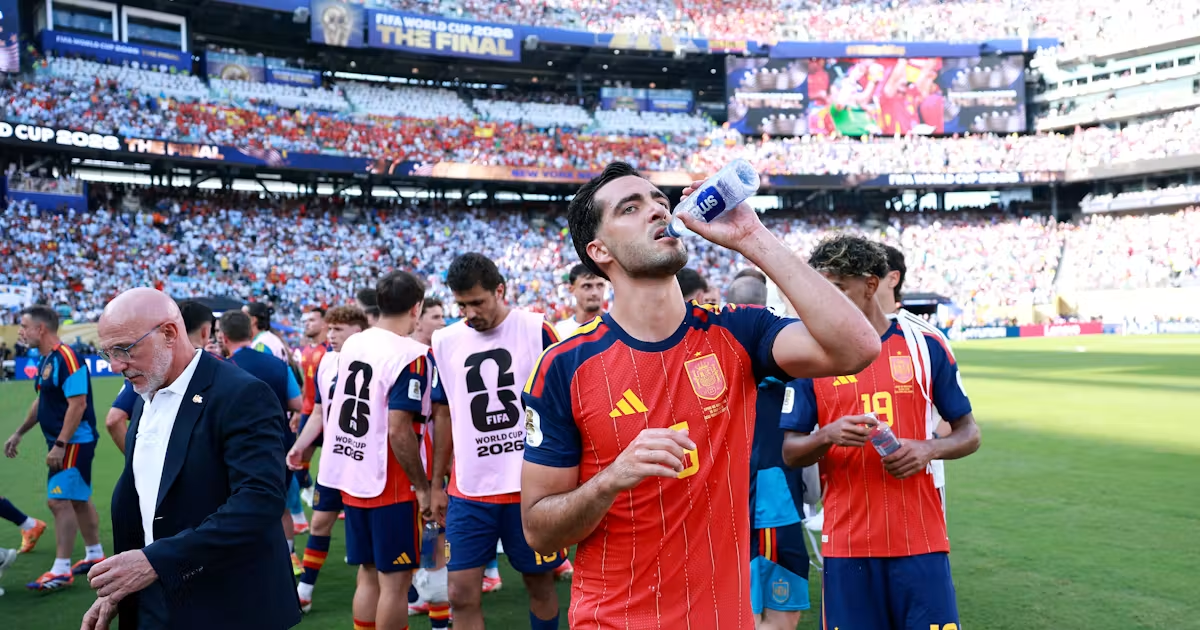
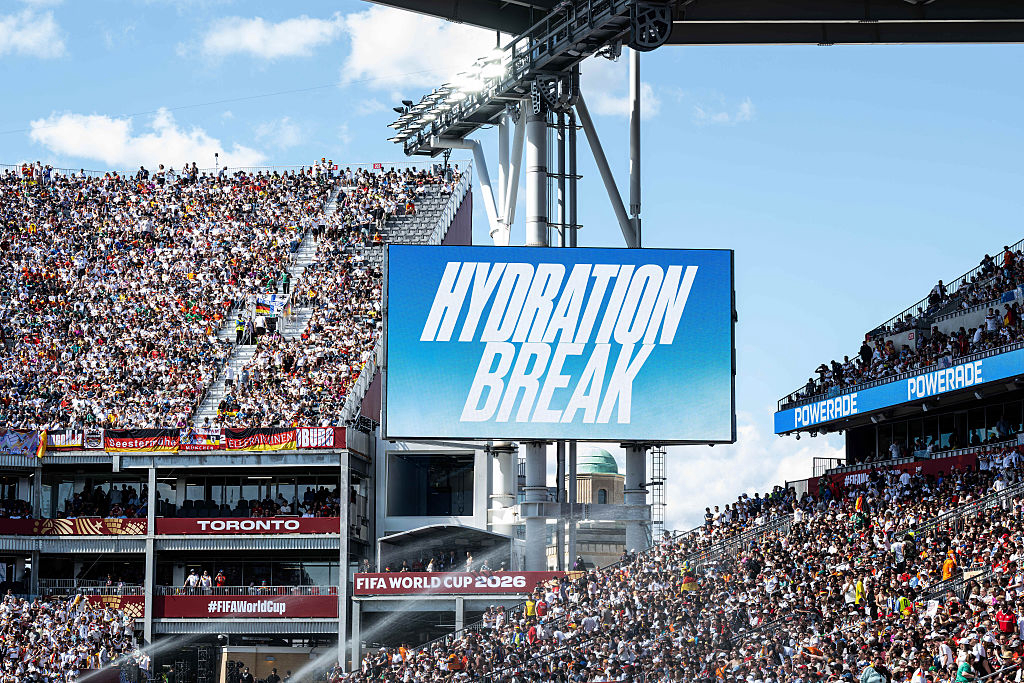
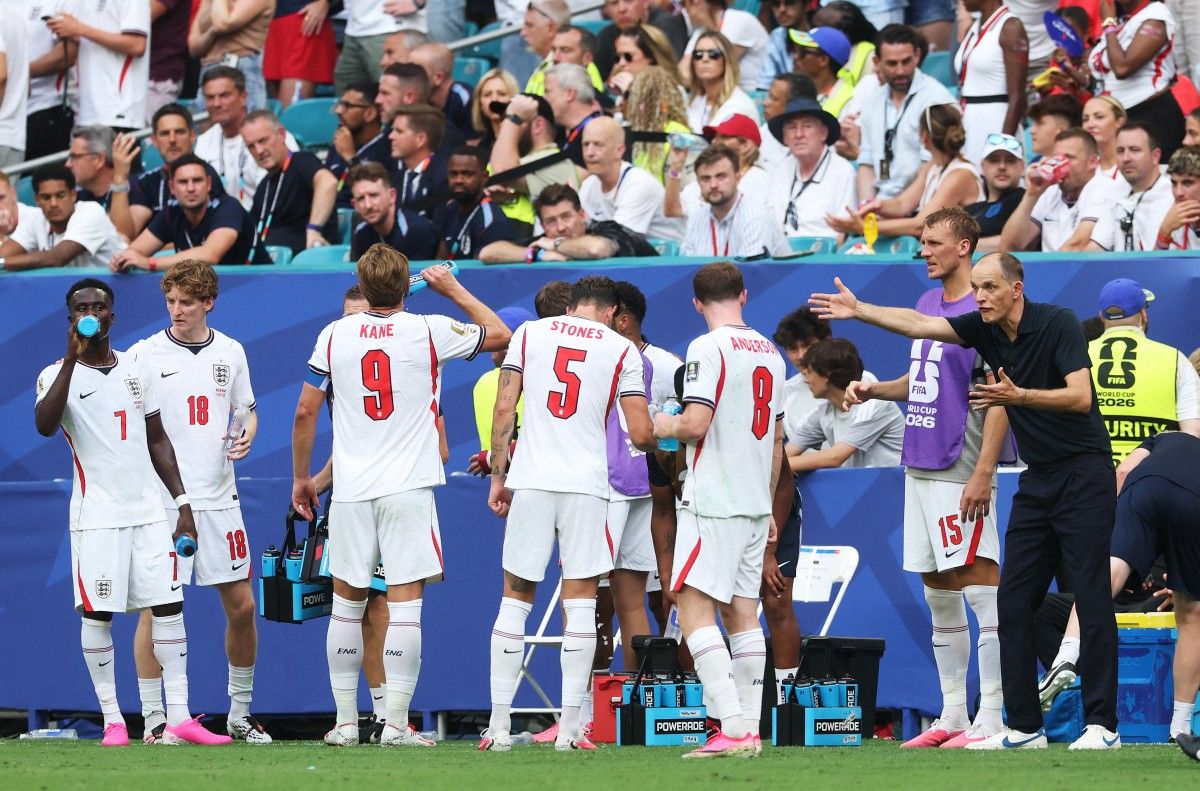
There’s a lot to dislike about the 2026 World Cup. The US’s xenophobic politics, for one: a Somali referee deported before the tournament even began; Iraq’s star player detained for seven hours at O’Hare; visas denied to Iranian staff and an Iraqi team photographer; and the entire Iranian team prohibited from training or even sleeping on American soil. Then there are the compulsory hydration breaks, which fans suspect exist mainly to generate more revenue. And yet, the matches have been thrilling, and the world keeps watching. In this short, sharp dispatch for The Paris Review, Jonathan Wilson—author of Kick and Run: Memoir with Soccer Ball and a fan who’s watched every World Cup since 1962—touches on both the highs and lows of this year’s tournament, from border-patrol nightmare stories to Cape Verde’s incredible run.
Somehow, between taking the tube on the old Bakerloo line to Wembley Park in 1966 and riding NJ Transit to the Meadowlands station in 2026, I have watched or attended sixteen World Cups. In 1994, the stadiums drew surprisingly large crowds by American standards, but now they are packed even for games that, on paper, don’t sound too sexy. Scotland versus Haiti drew a full house at Boston Stadium. The Democratic Republic of Congo’s triumph over Uzbekistan brought out more than sixty thousand spectators in Atlanta. Despite the exorbitant prices occasioned by FIFA’s dynamic pricing system and the Stephen-Miller-time border restrictions, attendance records have all been shattered. (It should be noted that ICE, though busy hanging around at college graduations, seems to have given the World Cup a pass.) The world’s most popular sport has finally taken hold here and, as if to celebrate that fact, the sport’s brightest stars—Messi, Mbappé, Haaland, and Kane—are shining. The millions are watching and holding their breath.