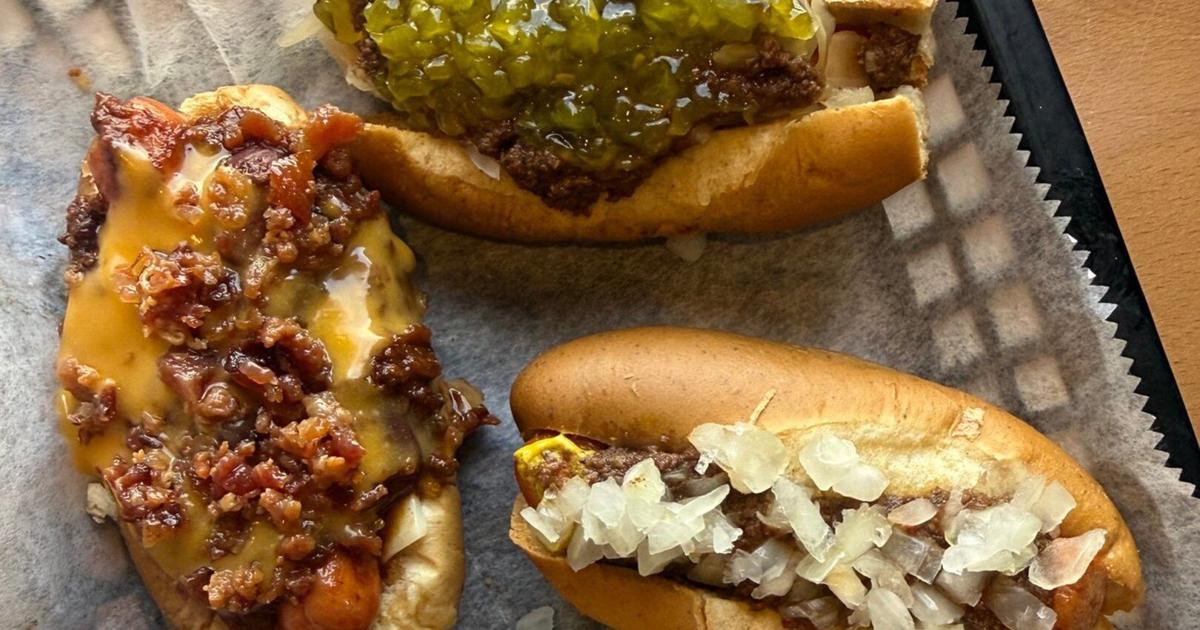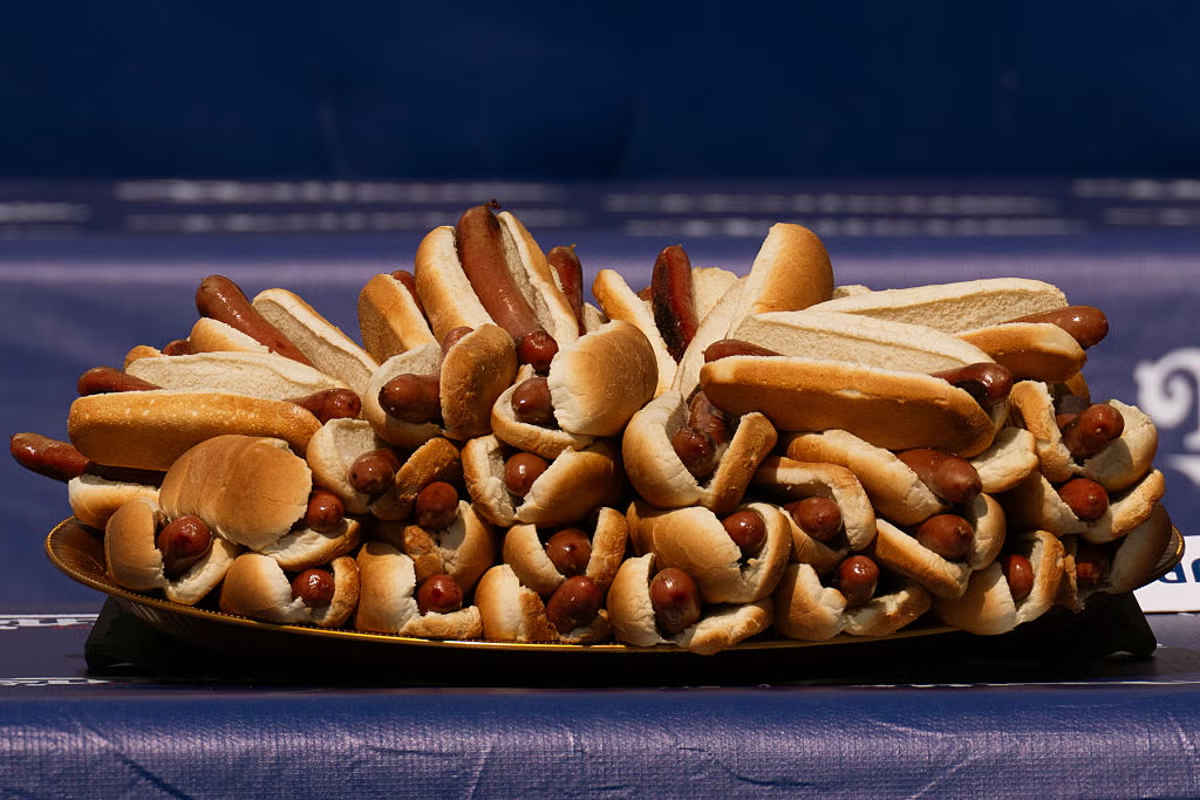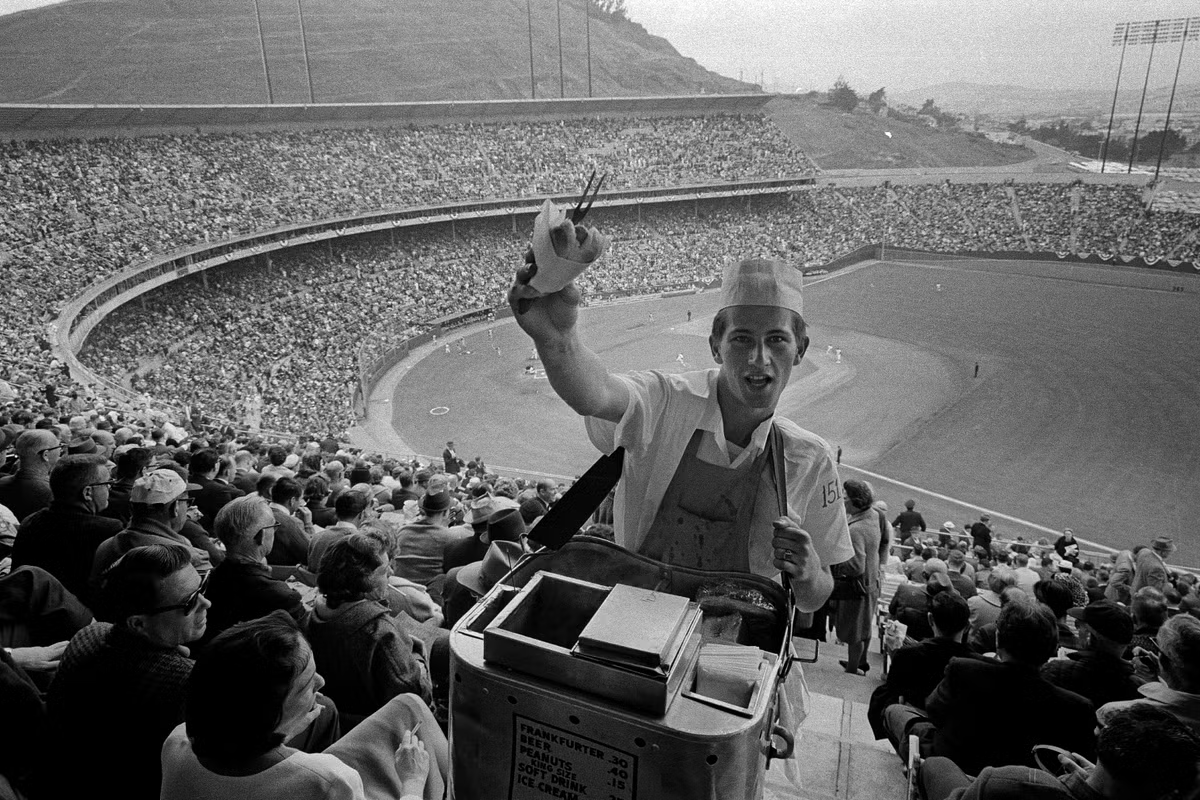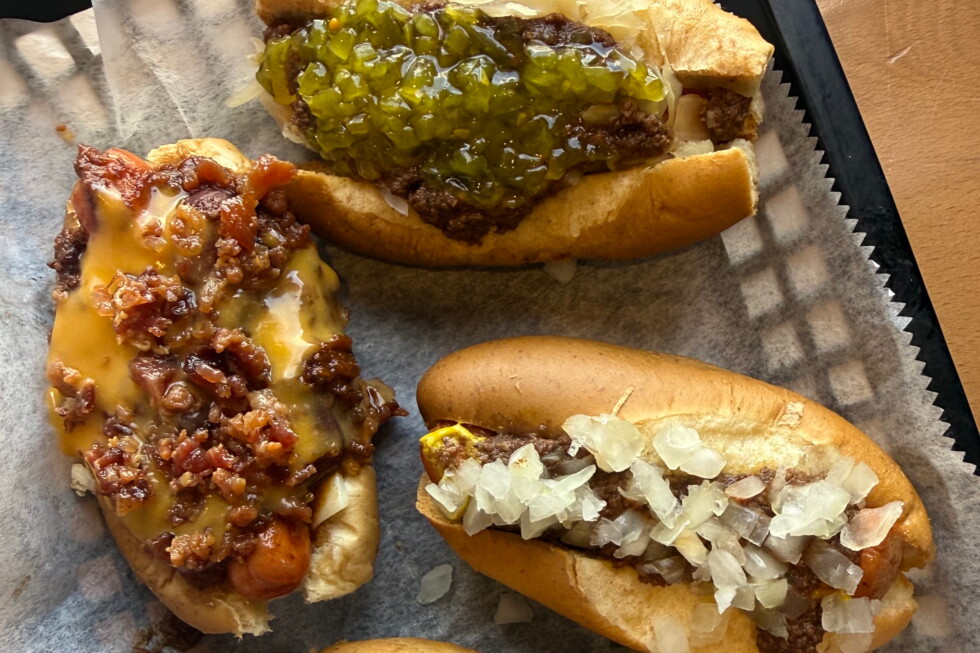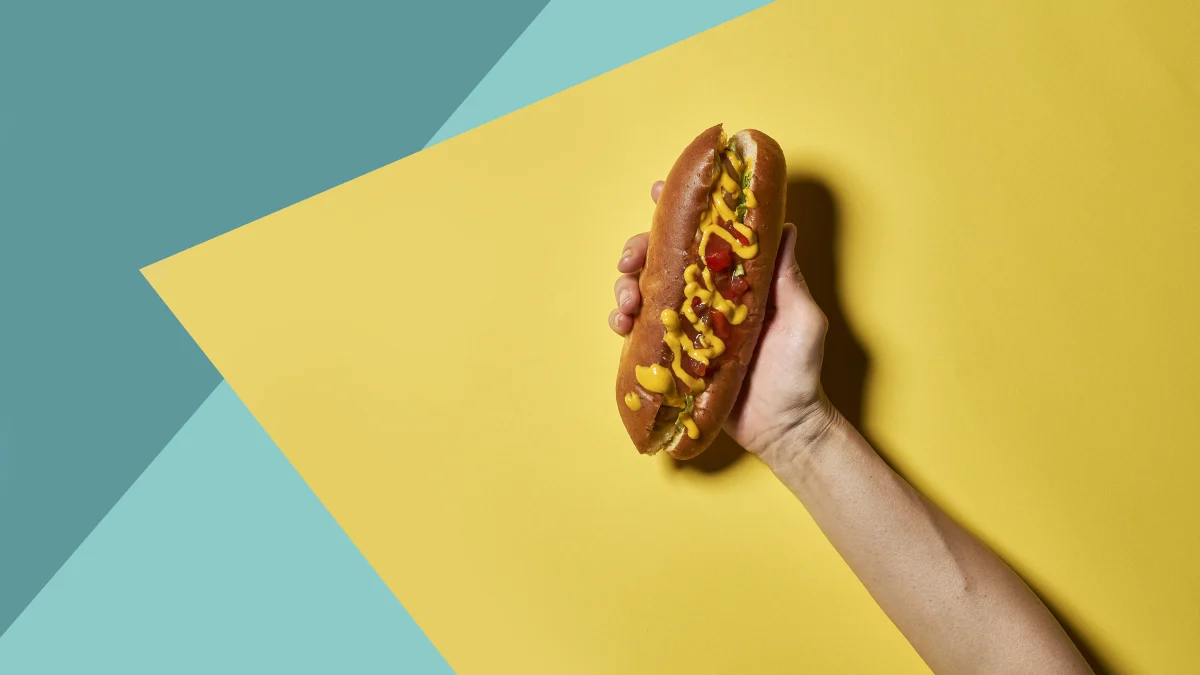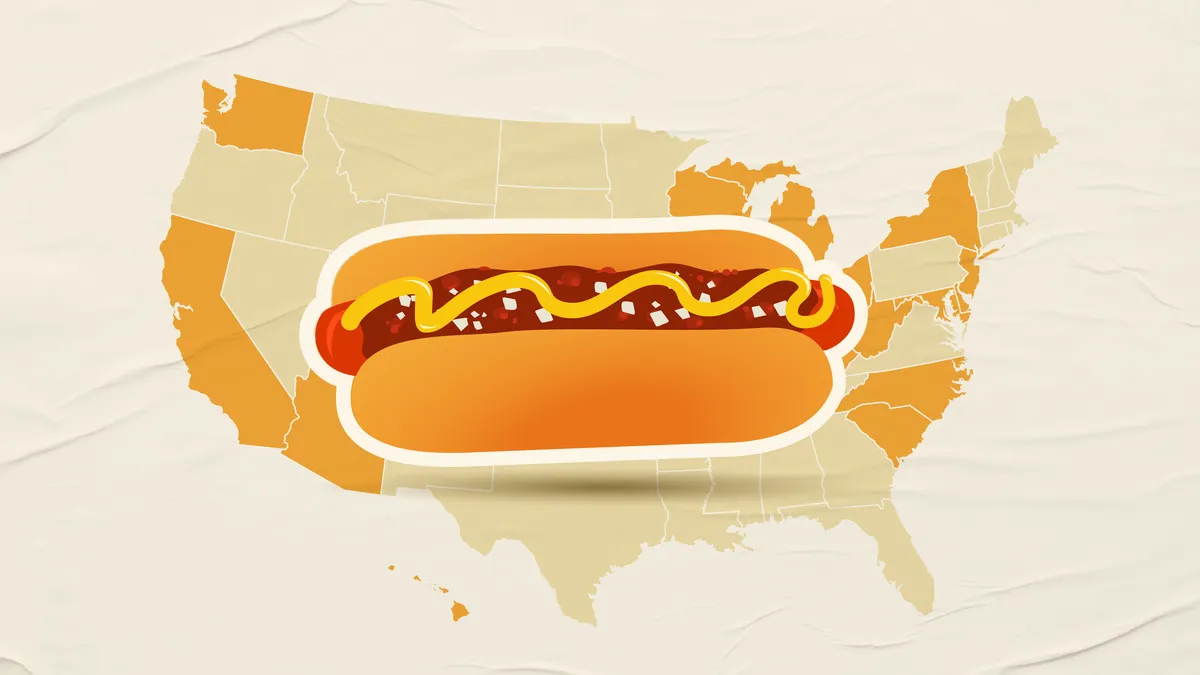
The hot dog, an all-American icon, has gone from humble street food to a sometimes fancy schmancy bite (truffle dog, anyone?). It's a dish that holds court in stadiums and backyards and still clocks in as hangover MVP. It arrived in bits and pieces by way of Germany (Frankfurter), Vienna (wiener) and Poland, carried by people who arrived with little and made something lasting out of scraps, spices and skill. The humble dog was meant to feed them and their working neighborhoods.The result of their efforts isn’t as much tradition as it is a living, evolving mash-up. You could call it a culinary patchwork, stitched together across neighborhoods, pushcarts, cultures and generations, much like the culture of the country itself.Here's a closer look at the history of the hot dog and 21 regional variations selected by USA TODAY Network journalists around the country:The hot dog's story is an immigrant's taleThe hot dog's origin story reads like a collection of passport stamps. Polish and Viennese immigrants brought pork, beef and veal sausages. Jewish immigrants were responsible for the all-beef hot dog, as many of them and their customers didn’t eat pork.Some vendors built hot dog brands in the early 1900s that are still in business, like Hebrew National, founded by a Russian Jew; Nathan’s Famous, established by a Polish Jewish immigrant; Oscar Mayer, by a Bavarian man and Vienna Beef, opened by an Austrian. Each dog has a slightly different content based on the maker’s cultural origin and where those immigrants landed.And, the name? According to Bruce Kraig, author of "Hot Dog: A Global History," the earliest recorded use of the term was in 1893 in the Knoxville Journal. The term, as it stands today (a sausage in a bun), was documented in the Yale Report in 1895, when it was written: “But I delight to bite the dog when placed inside a bun.”The toppings are where the real fun beginsGermans, Italians, Greeks, Mexicans and Bulgarians all added their own special twists in the form of toppings. The vegetables on the Chicago dog are courtesy of Greeks and Italians, with tomatoes, sport peppers, and green relish reminiscent of Mediterranean spreads and pickled giardiniera. In contrast, mustard, pickle spears, and celery salt are courtesy of German-Jewish immigrants.Travel east and west and the influences shift.New York's street-corner staple, cooked in "dirty water," ready to serve and top in seconds, thrives on speed and simplicity.In New Jersey, Italian-American variations fry the dog (sometimes to a crisp) and pile on stewed or fried potatoes, green peppers and onions on a crusty roll, thanks to the influence of Sicilians.Head to Detroit and the Coney, smothered in chili, leans hard into its Balkan roots.Even within the chili dog universe, there’s nuance. Cincinnati’s famously spiced version, laced with cinnamon and a whisper of sweetness, comes from Macedonian roots.Then there’s the Southwest, where the Sonoran dog might be the clearest example of how far this American staple has traveled. Wrapped in bacon, tucked into a fluffy bolillo and loaded with beans, salsa, onions, tomato, mustard, mayo and sometimes cheese, it was born on the street corners of Hermosillo before being reintroduced to the U.S. at baseball games. It's deeply regional and a completely essential chapter in the hot dog's history.The all-American hot dog is, by its nature, impossible to box inThat’s the thing about hot dogs. They’ve always been a little slippery. They resist purity, absorb influence, invite interpretation. For every person who insists there’s a right way to eat one (Chicagoans, I see you. Putting down the ketchup now), there’s another city remixing it entirely.Hawaii has one of the youngest versions called the puka dog, invented by a Swiss artist in Kauai in 2000. It involves tropical fruit relish and a slightly sweet bun.Some folks reject it entirely as a Hawaiian creation, insisting that the only true Hawaiian "dog" is musubi (it is salty, porky, and portable, after all).The hot dog is an early symbol of American entrepreneurship — cheap to produce, easy to sell, endlessly customizable. You can make it your own, whether by building a business or turning a grocery store link into something worth craving. It’s communal and individual at the same time, democratic in a way few foods manage to be.And, for all that cultural weight, it still delivers on the simplest promise — satisfaction. No pretense, no ceremony, just something hot, salty and comforting, exactly when you need it most.You can dress it up, argue over it, trace its roots back across continents, but in the end, the hot dog remains what it’s always been: scrappy, adaptable and quietly iconic, a little bit of everywhere, tucked neatly into an all-American package.Here are the rest of our local picks:Looking for the best restaurants? Sign up for Dining with azcentral and get insider recommendations and must-know news. Reach the restaurant critic at BAnooshahr@azcentral.com. Follow @baharcreative on Instagram.Jennifer Borresen is a graphics journalist at USA TODAY, specializing in explanatory graphics and illustrations in various fields, including politics, science, weather and entertainment.See America’s most iconic hot dogsWelcome to the United States of Hot Dogs! We’ve compiled a few of the best hot dogs eaten across the country.
The United States of Hot Dogs tells an all-American story
It's national hot dog day! From Chicago dogs to musibi, there's no contest: The United States of Hot Dogs celebrates a street food that's as American as it gets.
863 words~4 min read