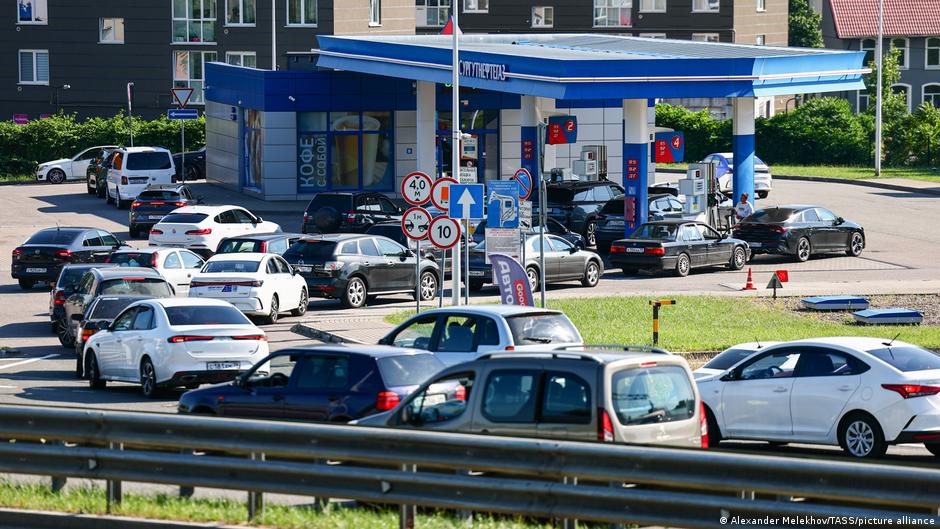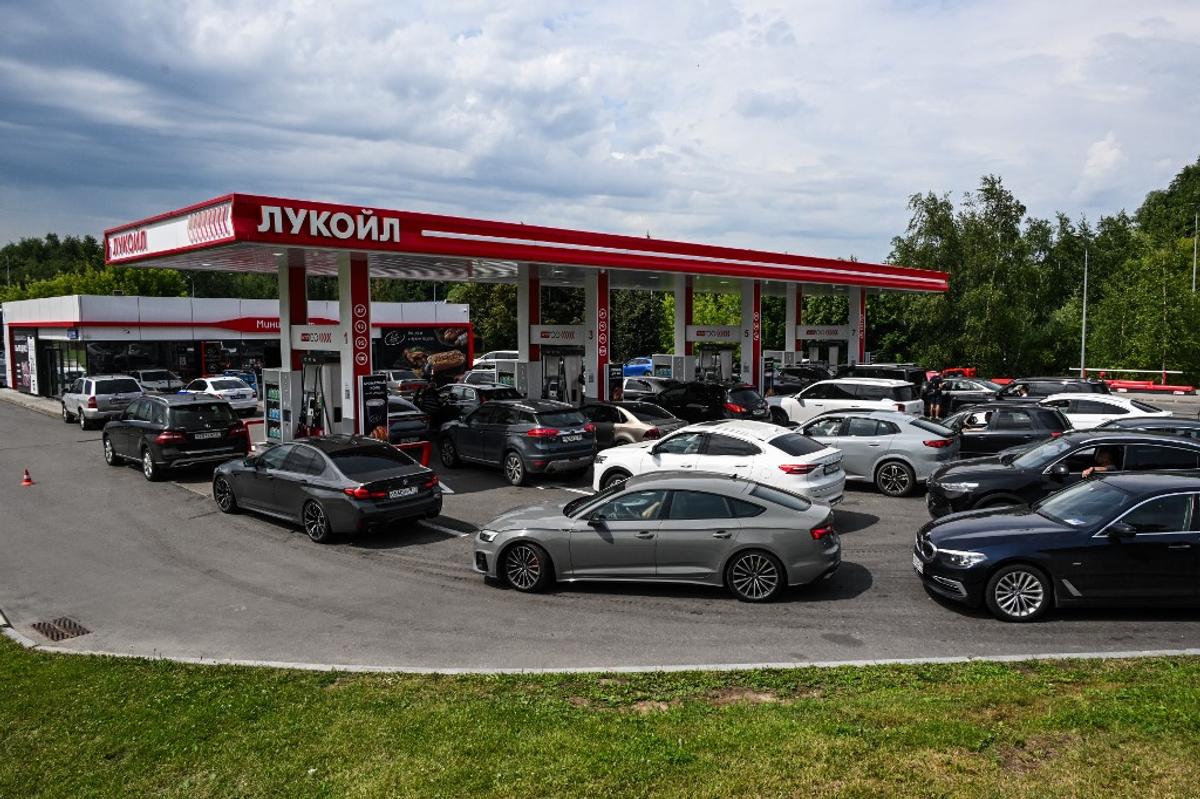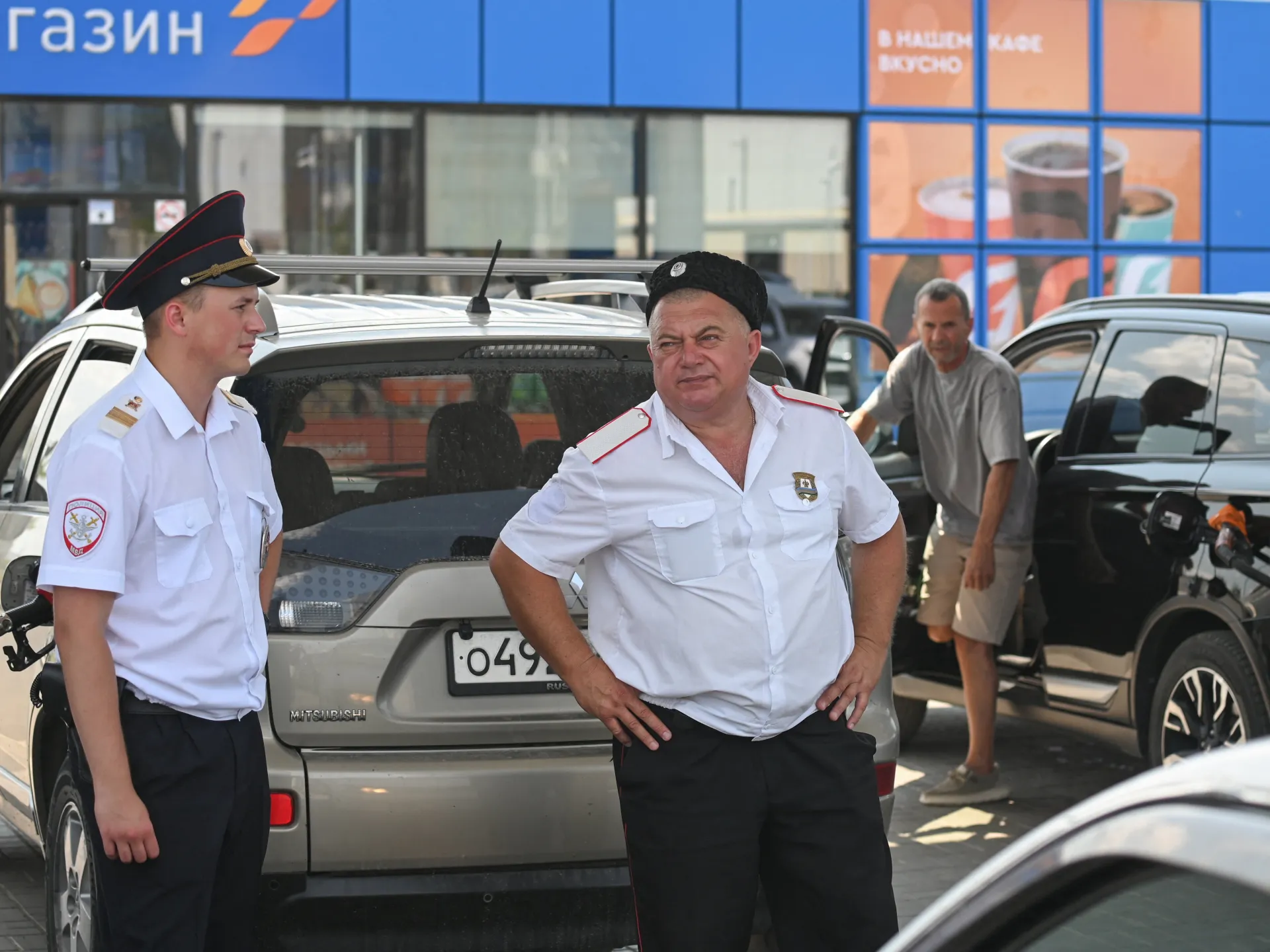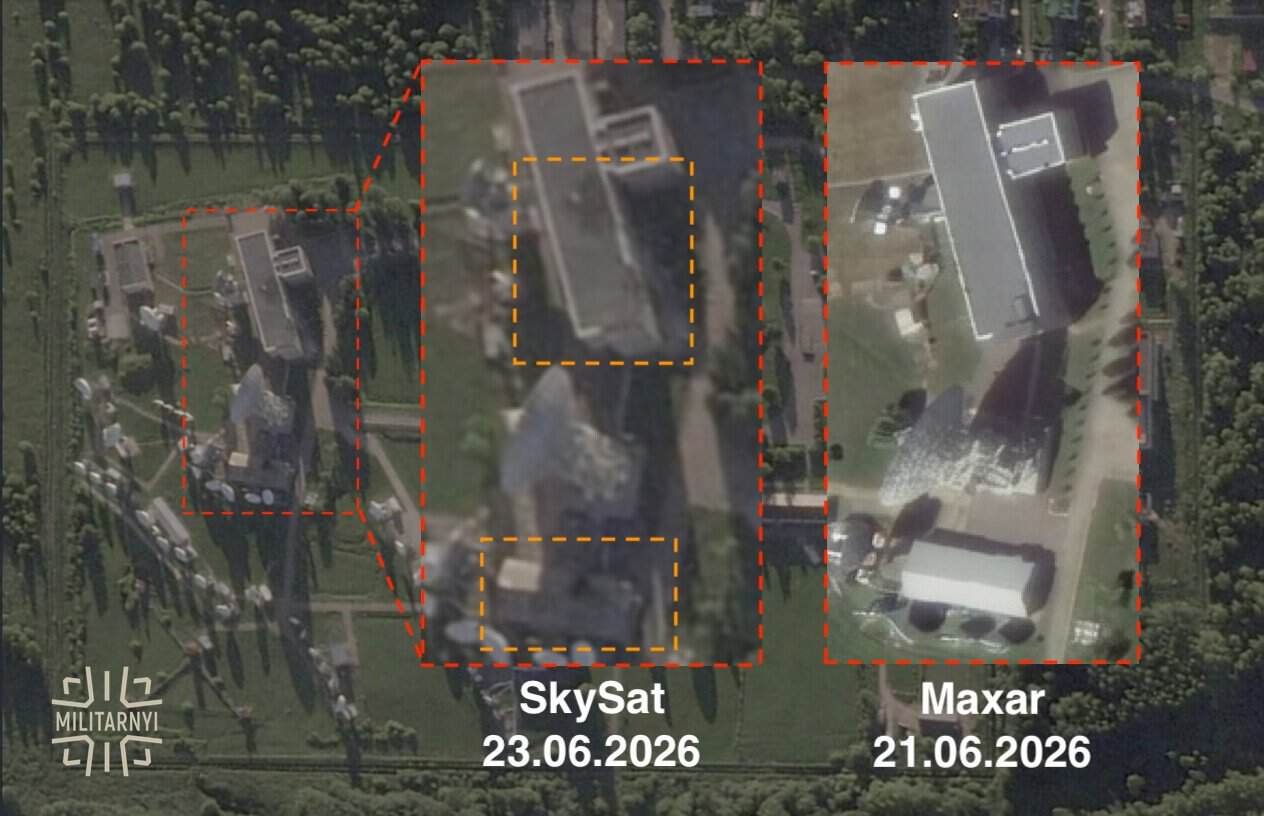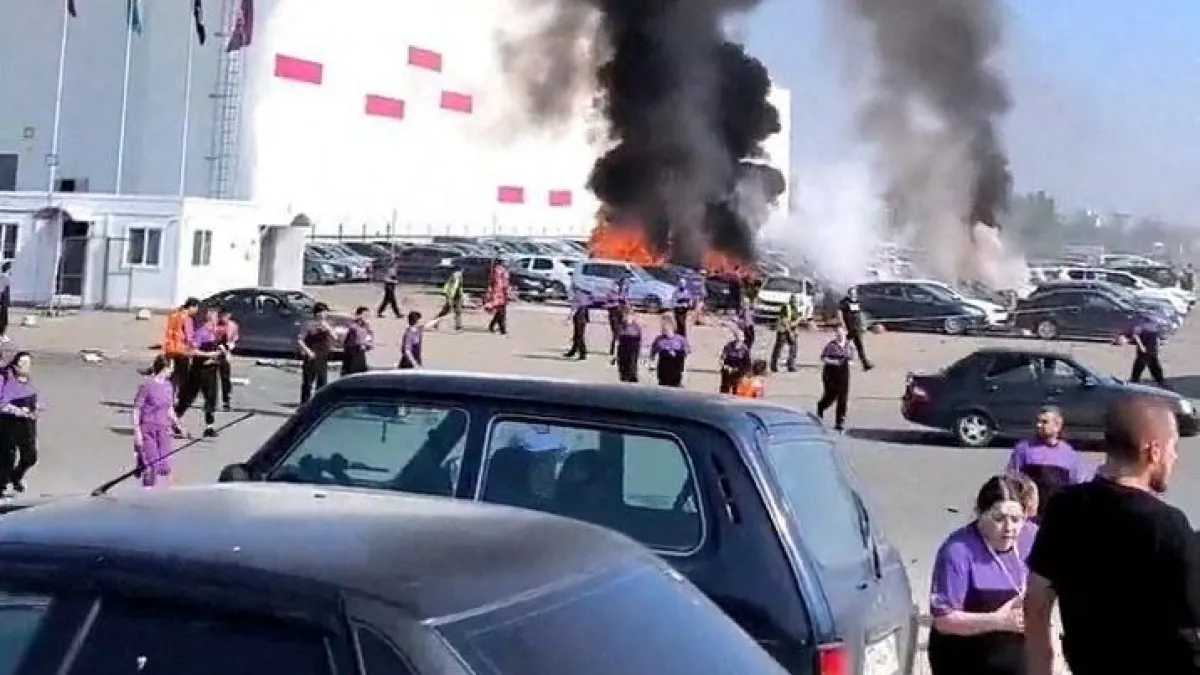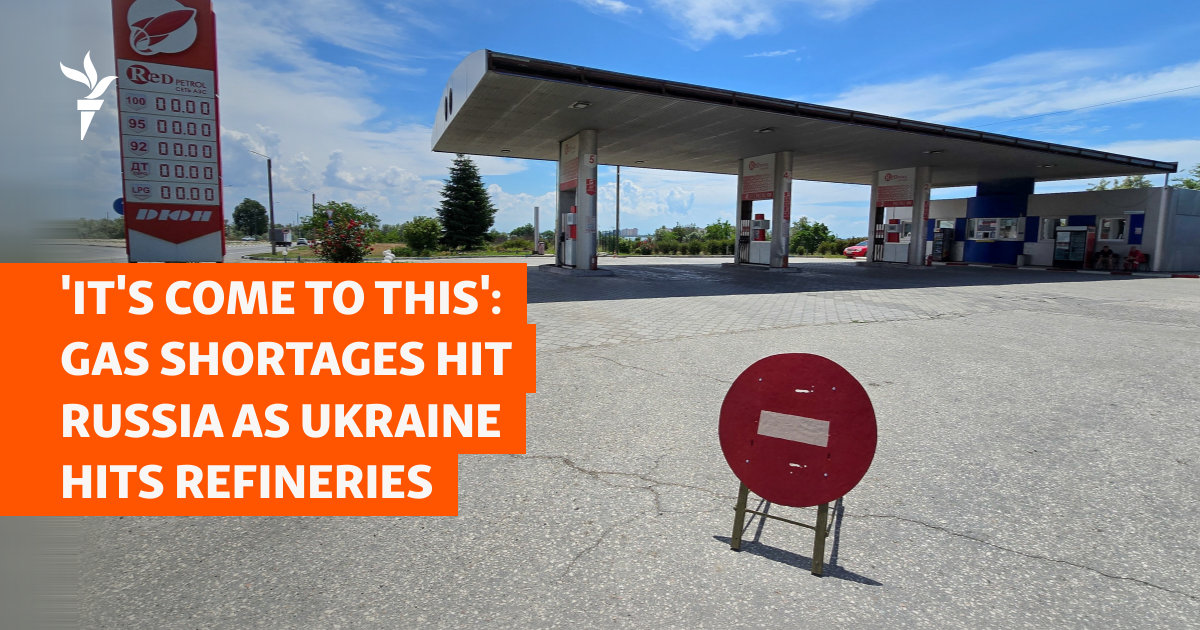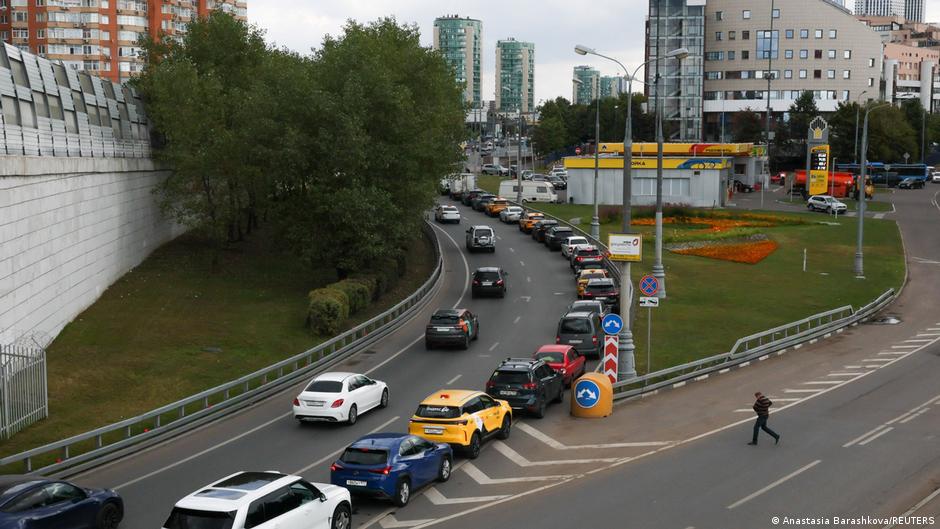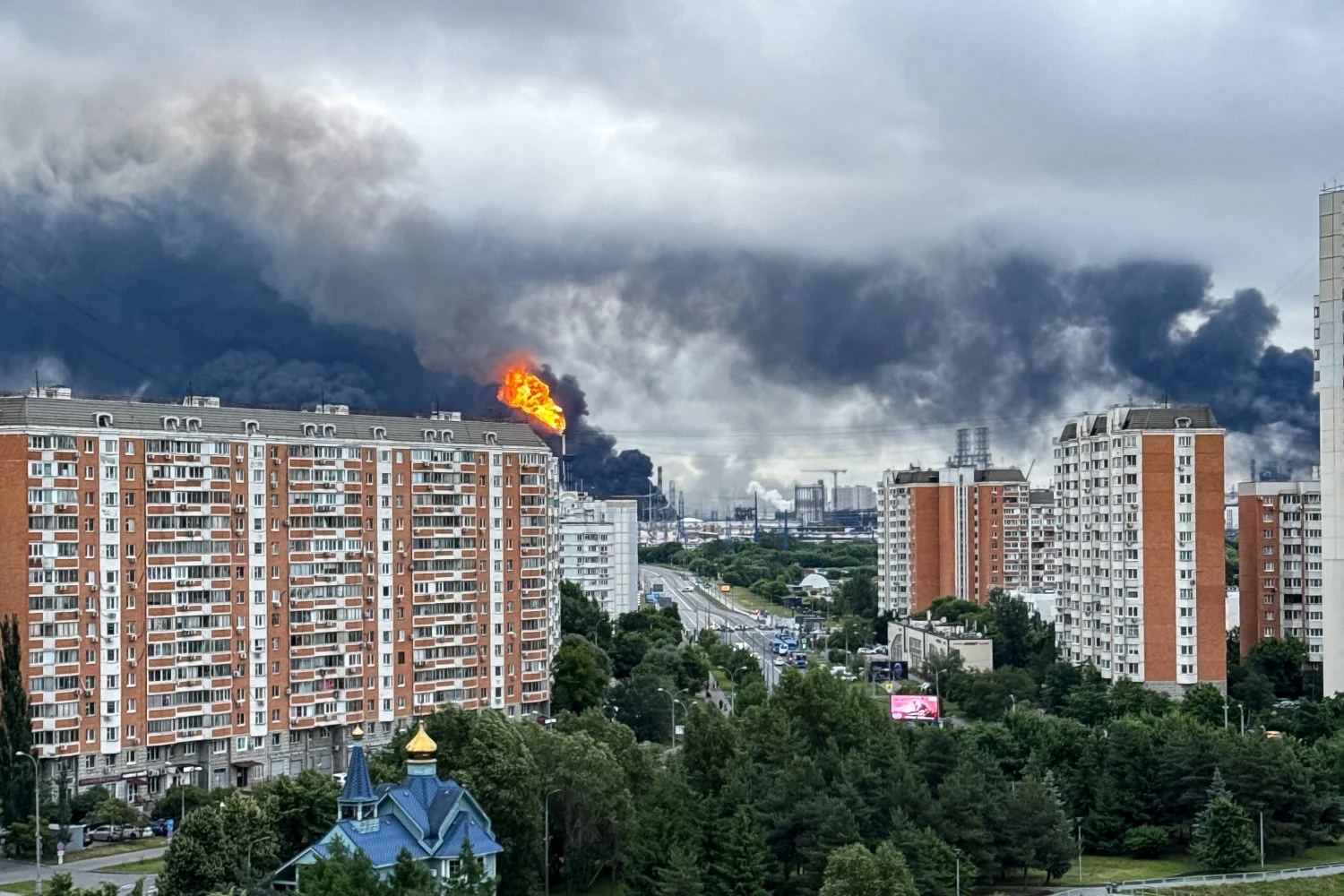
In Chita, a city in Russia’s Transbaikal region roughly 3,700 miles from the front, a man spent 39 hours in his car waiting in line for fuel late last month. When he finally reached the pump, a reporter asked him what he made of it. The man did not blame the Kremlin’s invasion of Ukraine, which is now bringing the war home to Russians by striking fuel depots and oil refineries. Instead, he blamed the Russian government for being “too soft” on Ukraine, adding that Russia needed to “start acting seriously”—which is a widespread Russian euphemism for attacking Ukraine more ruthlessly. In other words, the man who had just lost a day and a half of his life to a shortage caused by his country’s war concluded that the appropriate response was not a cease-fire and peace negotiations but yet more war.
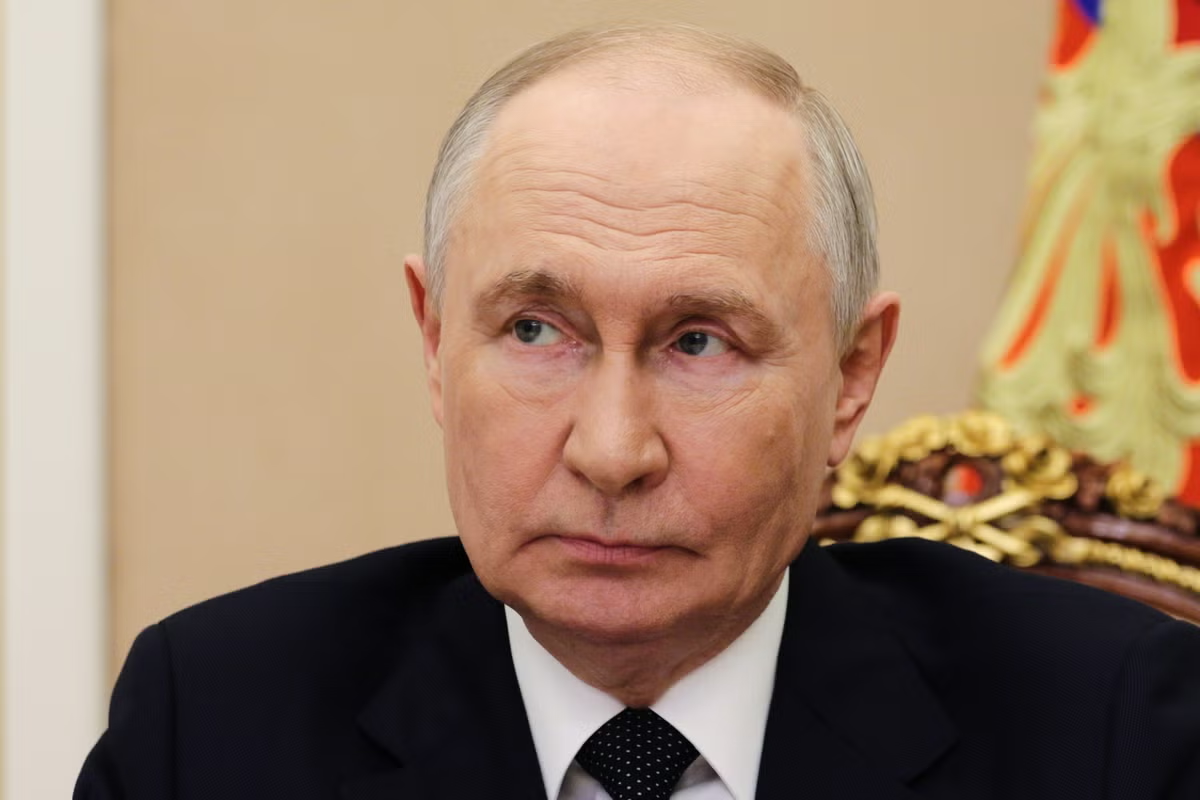
For four years, many Western observers have entertained the hope that enough human and economic pain might eventually undermine popular support for Russian President Vladimir Putin and his invasion of Ukraine. A war gone bad, so this line of thinking goes, often turns a population against the leaders who started it. The Chita interview is only an anecdote, but it encapsulates how Western hopes are likely to be disappointed—and why.