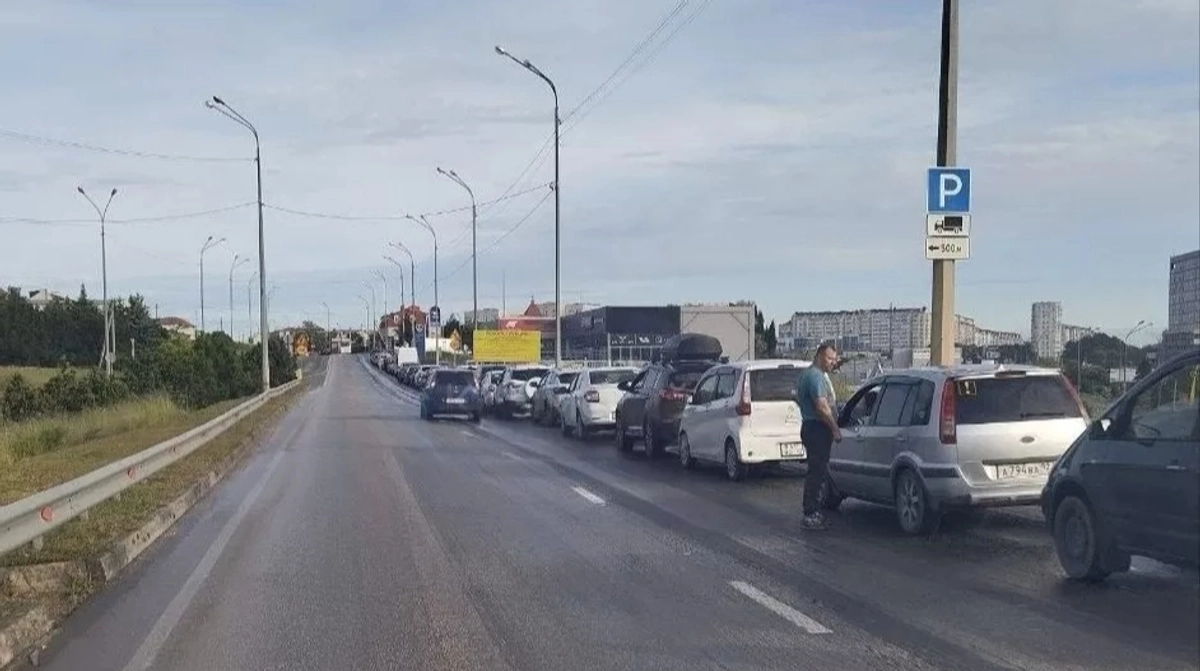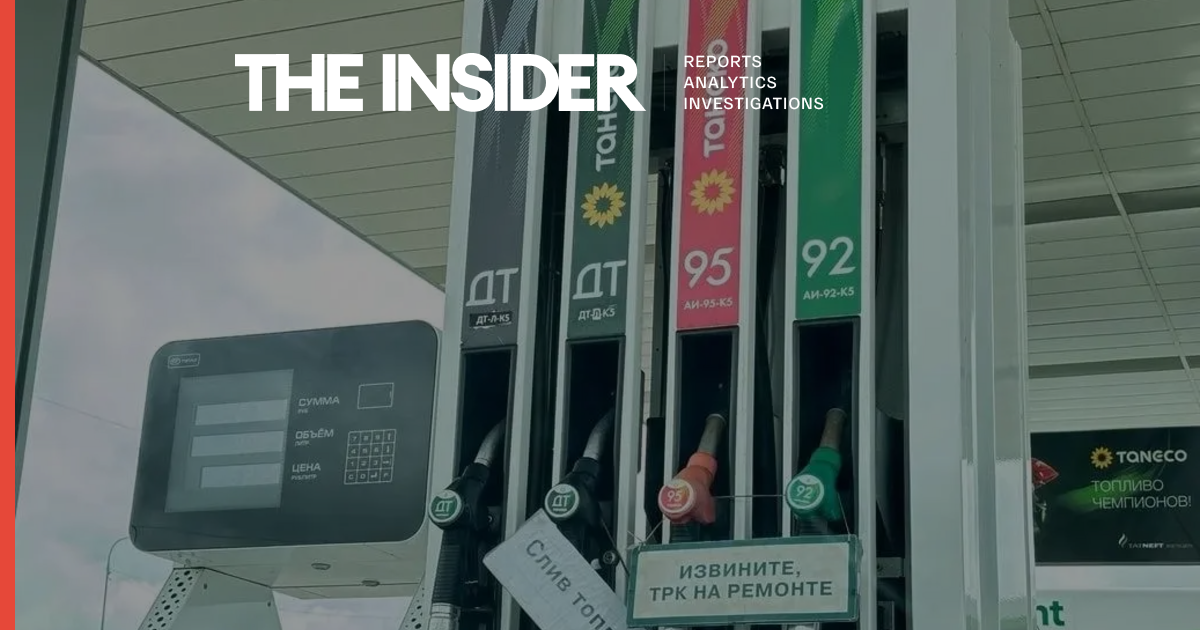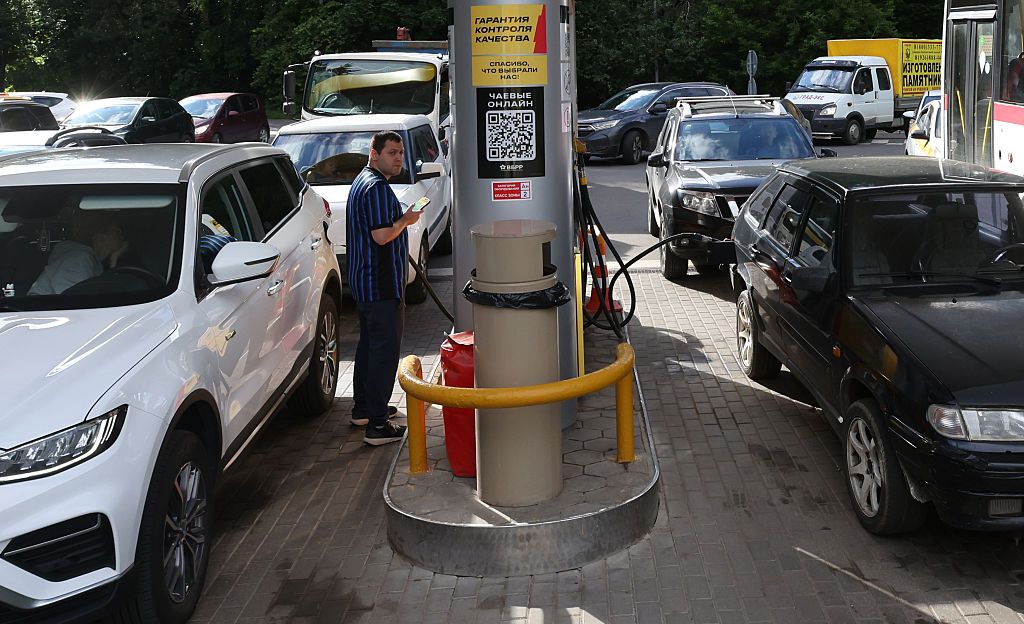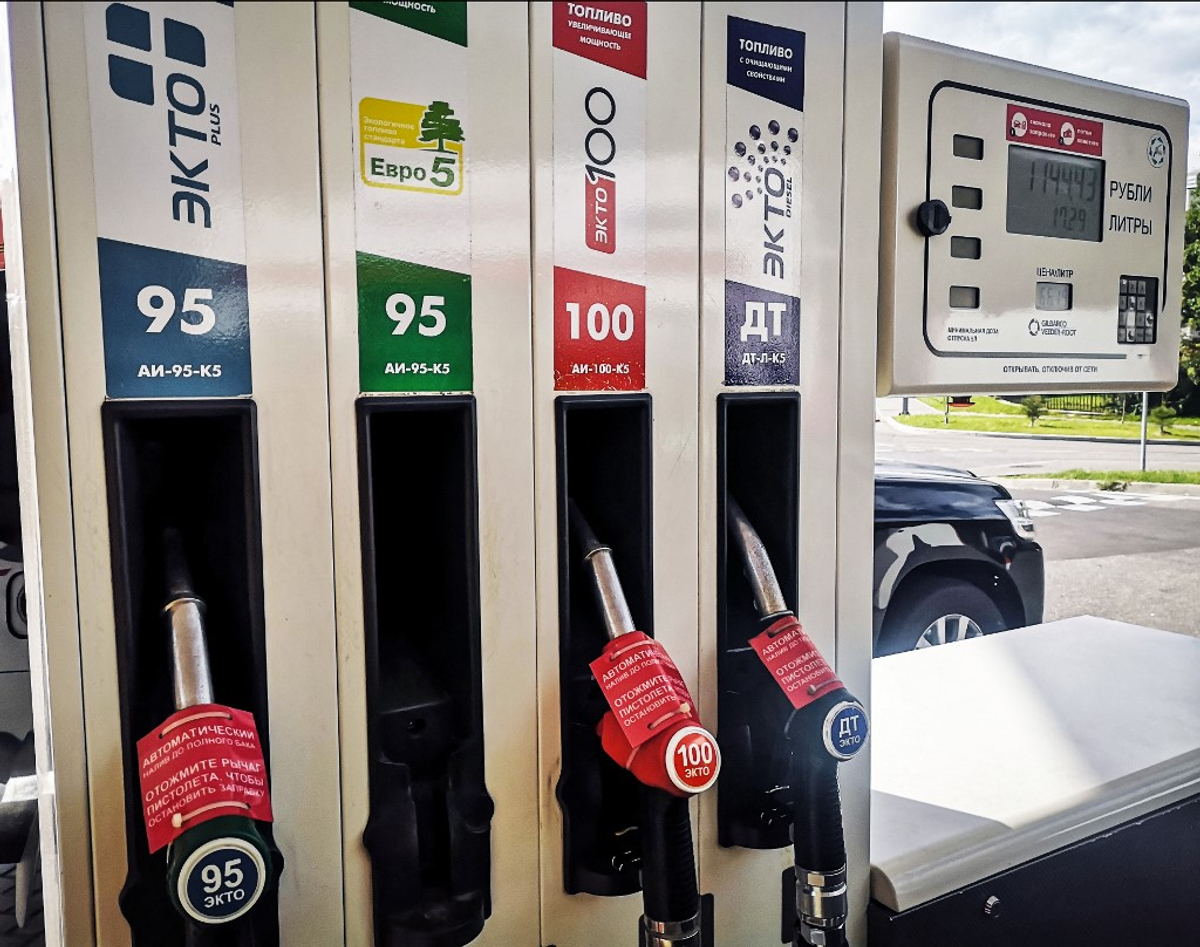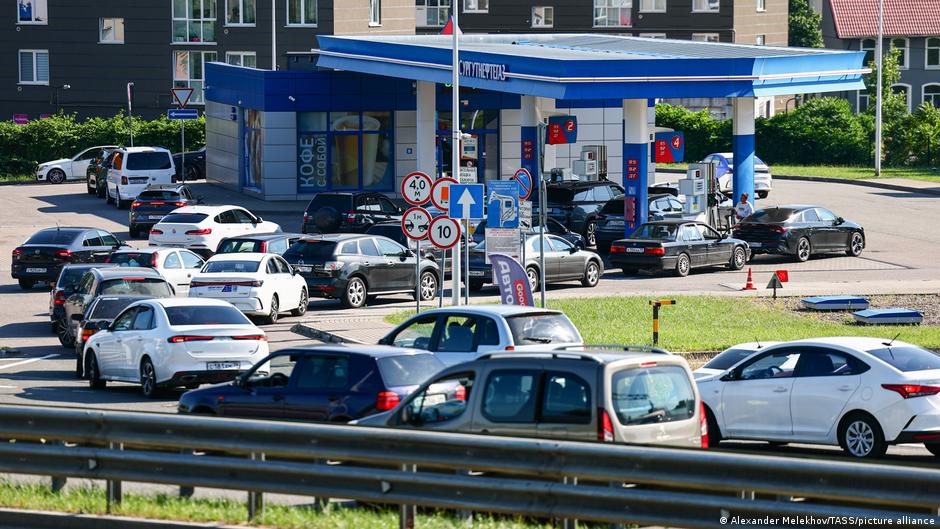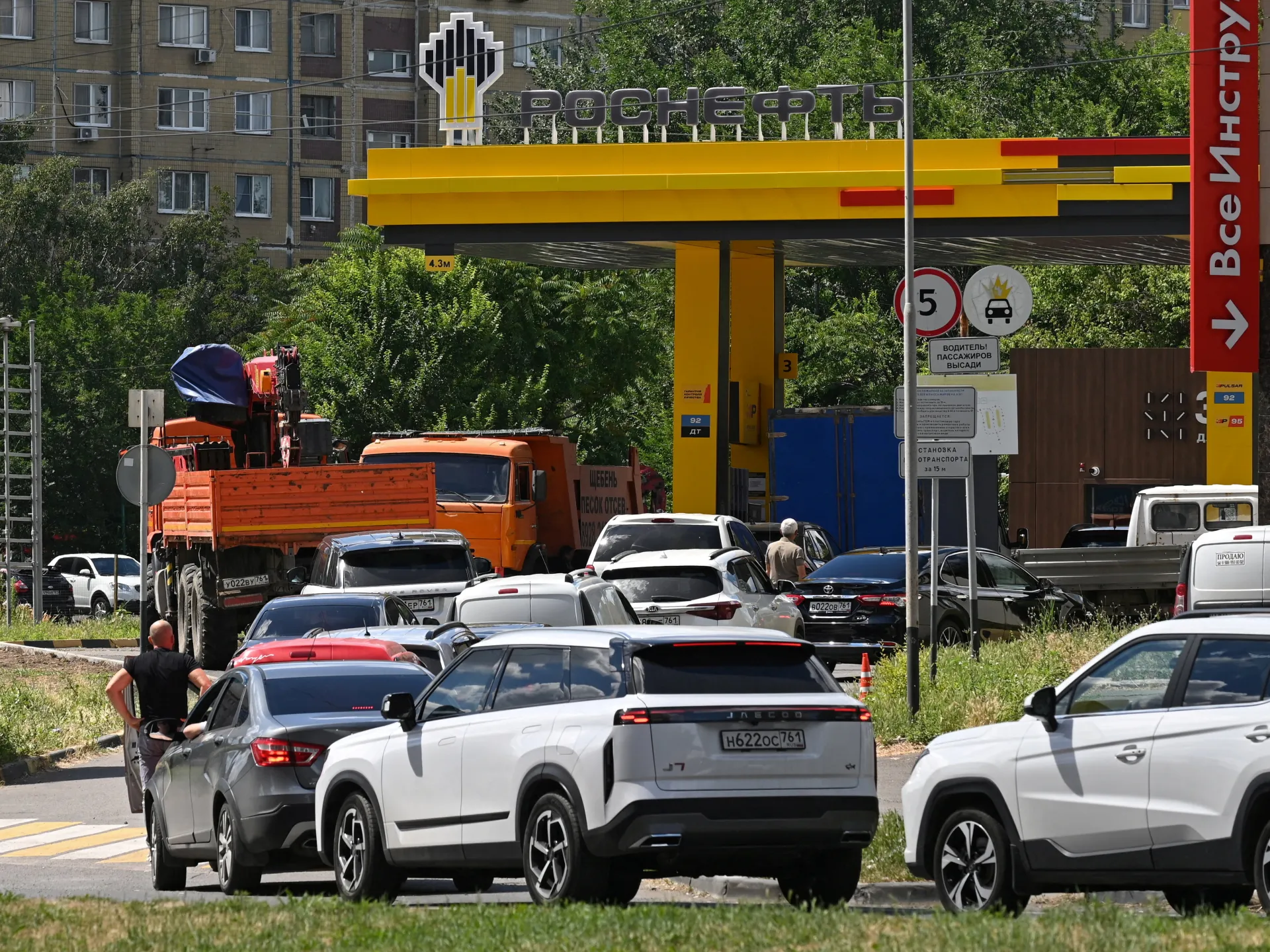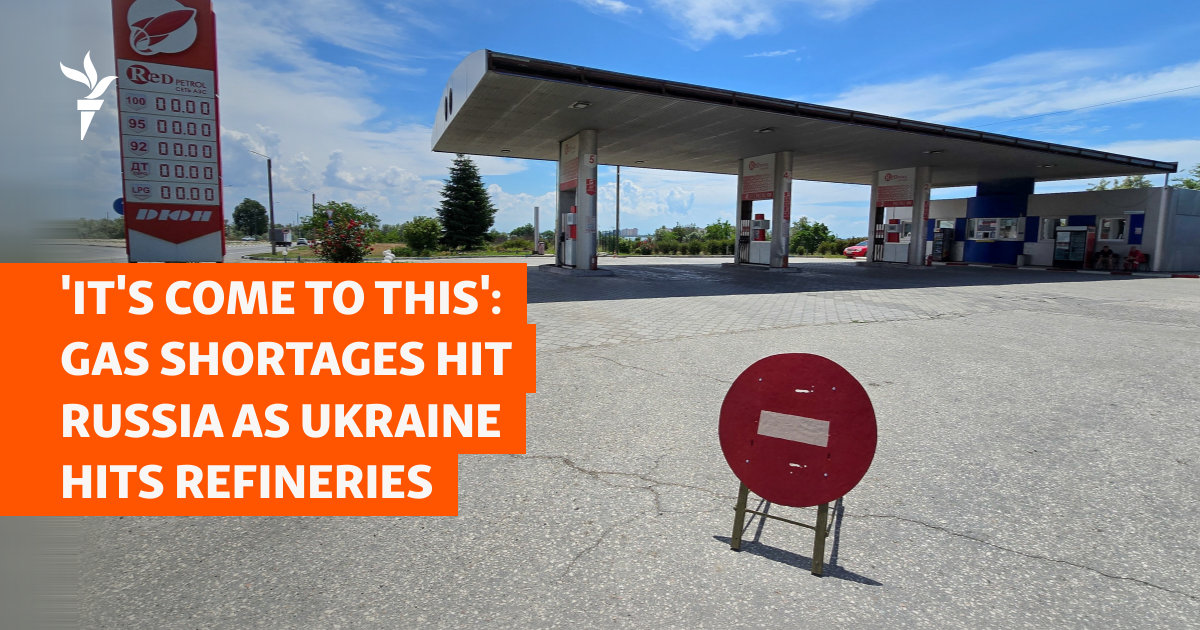
In southeastern Russia, Daniil’s motorboat rental business is in trouble. Restrictions on fuel sales mean his fleet in the Rostov and Krasnodar regions is idle, he said in a social media post: “At every gas station, they tell me to f*** off.”Daniil’s problem is that in many cases, customers are barred from pumping fuel into canisters rather than cars, to avert hoarding as shortages spread across Russia amid Ukraine’s burgeoning campaign of drone and missile strikes on refineries and other oil facilities.But motorists are often limited to as little as 20 liters of gas -- when the stations have any for sale at all.“We can’t fill up with gas -- there isn’t any in Krasnodar,” a woman says in another video, pointing her cell phone camera at a Lukoil station’s price board on which every category is blank: No diesel and no gasoline of any octane level. “What is going on in this country?”More than 1,000 kilometers to the northeast, in Tatarstan, another driver had the same question: “As always, the needle is on empty, and I’m just in a panic,” she said. “What’s happening?”
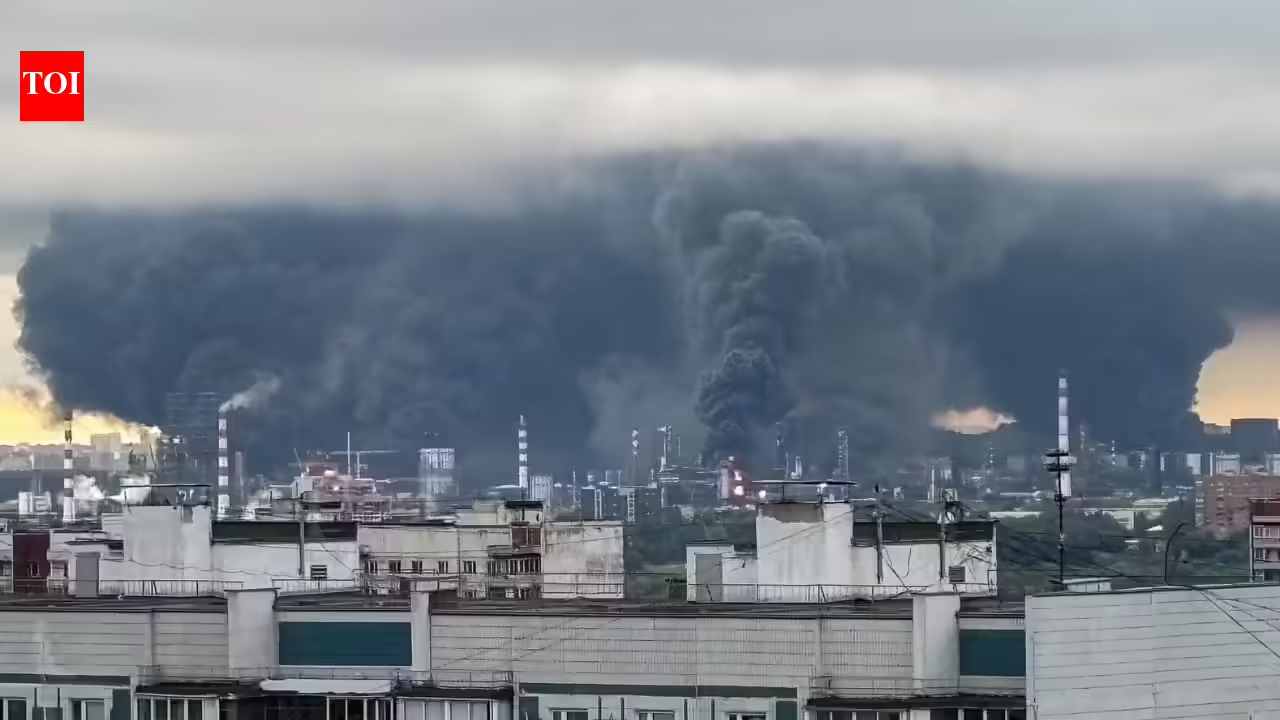
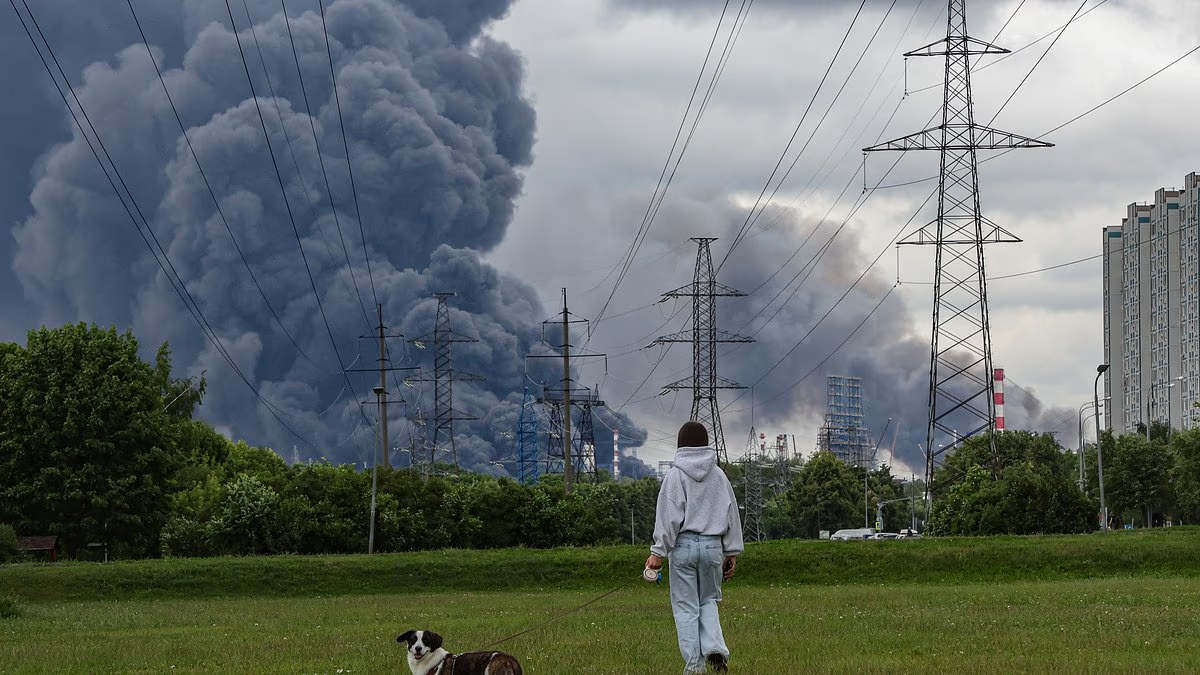
Flames and smoke rise from Moscow's main oil refinery following a Ukrainian strike on the morning of June 18.
What’s happening is that in the fifth year of Russia’s full-scale invasion of Ukraine, Kyiv is fighting back with frequent strikes on refineries -- part of a broader effort to curtail Russian oil exports – a key source of cash for the Kremlin’s war chest – and bring the consequences of the conflict, in which Russia has killed or wounded tens of thousands of Ukrainian civilians, to citizens across Russia.The strikes on hydrocarbon infrastructure curtailed Moscow's ability to profit from months of high global prices during the US-Israeli war with Iran, whose closure of the Strait of Hormuz increased demand for oil from other regions including Russia.