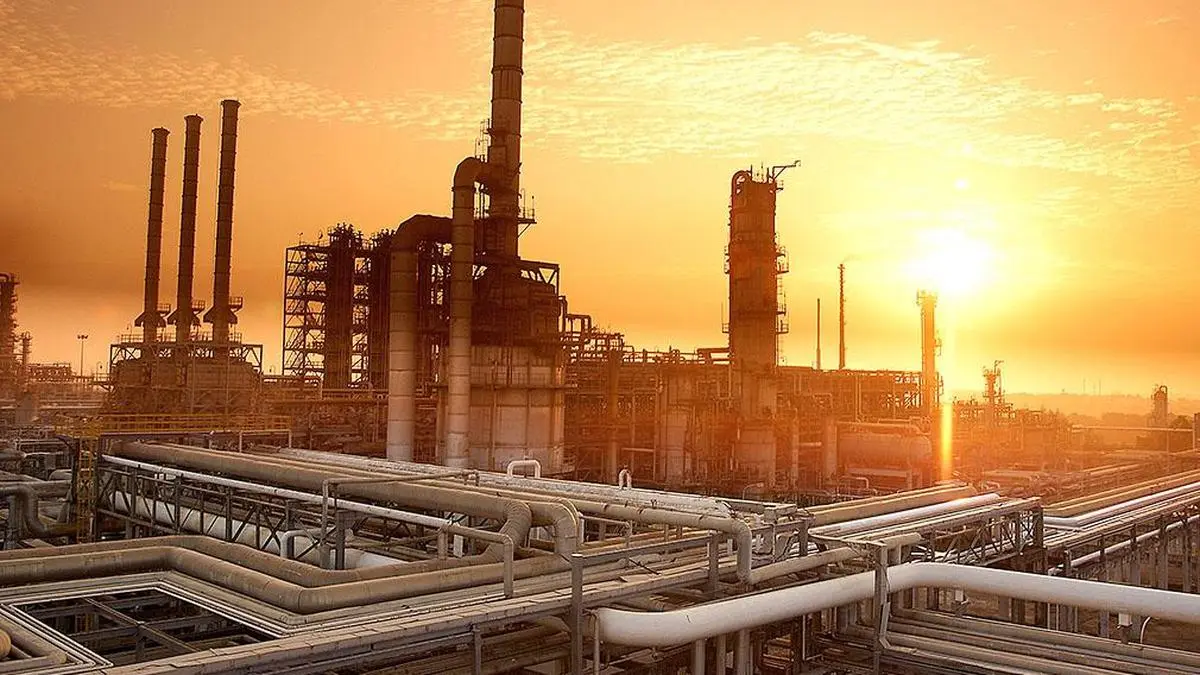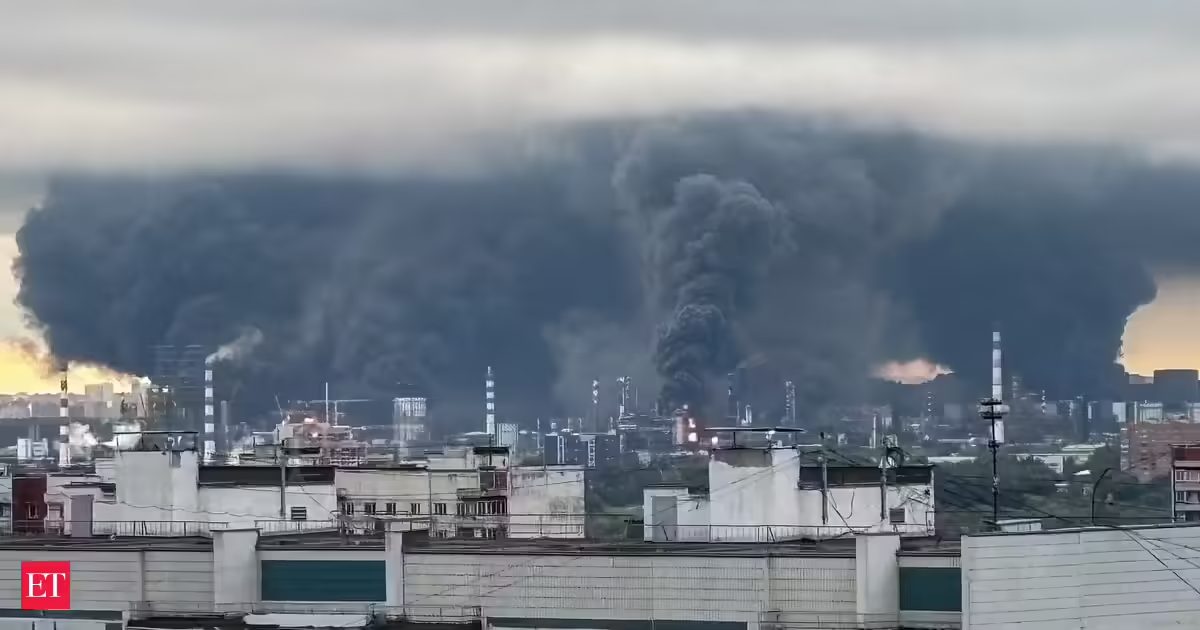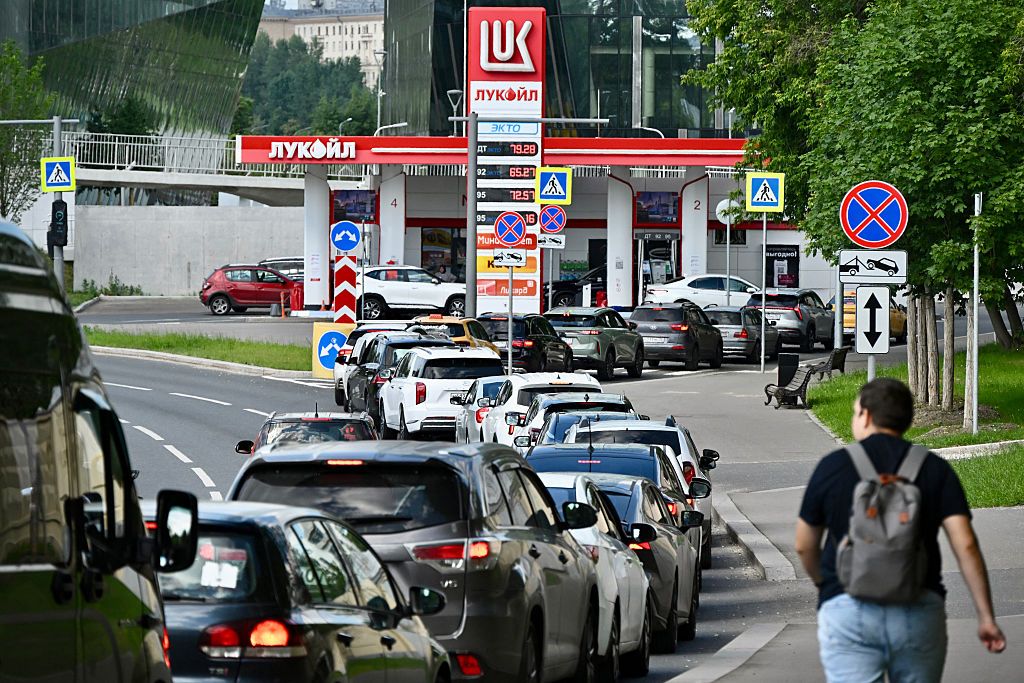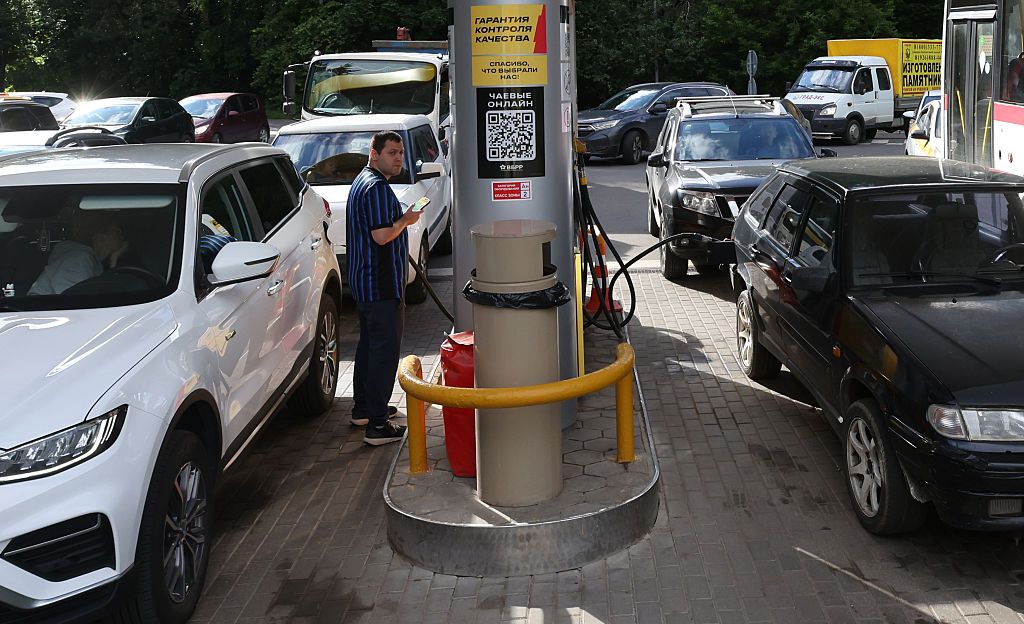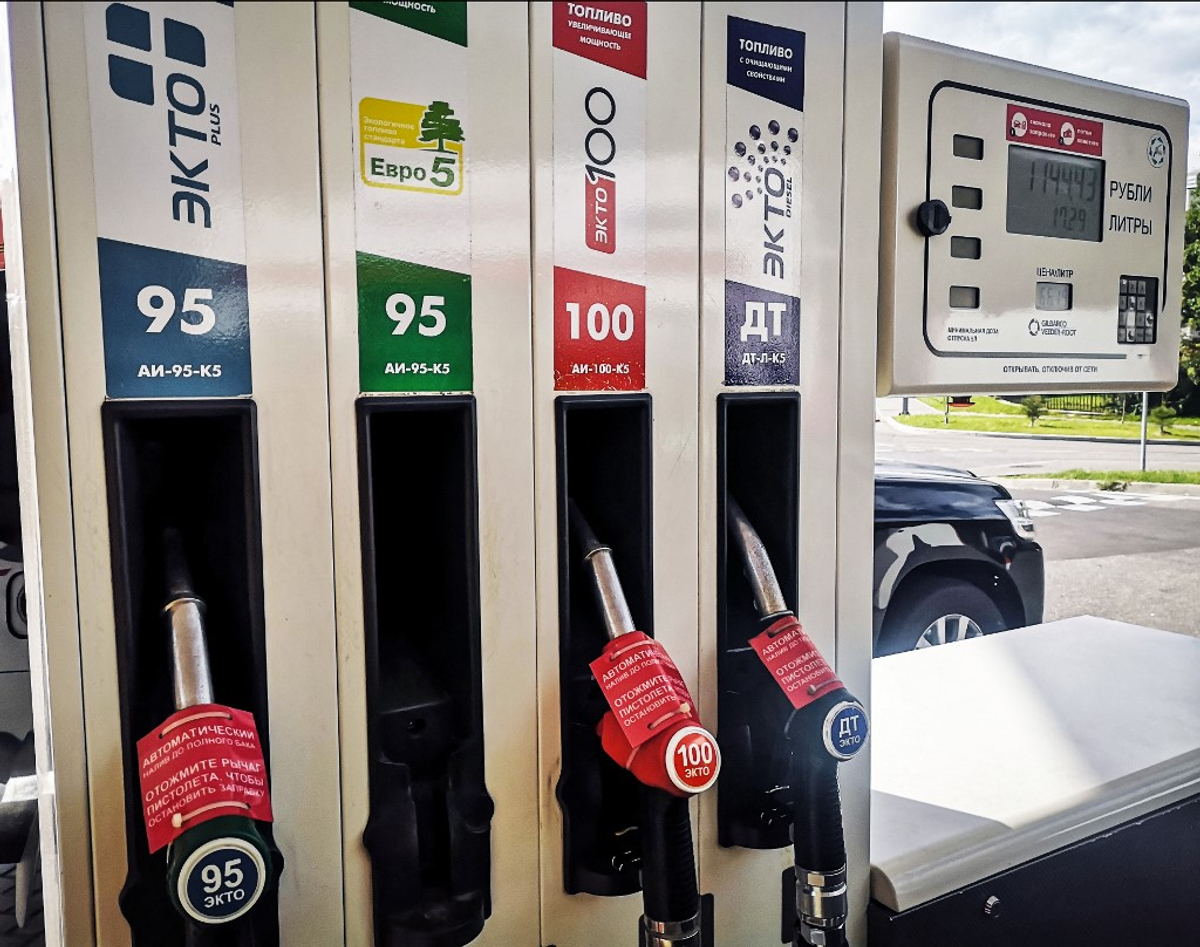
Russia has quietly allowed selected oil refineries to sell gasoline and diesel that fall below the country’s “Euro-5” environmental standard, as Ukrainian strikes and tightening supply strain the domestic fuel market. The government decision, originally introduced last autumn and expected to expire in May 2026, has now been extended indefinitely, according to sources cited by Kommersant, amid mounting fuel shortages across the country.JOIN US ON TELEGRAMFollow our coverage of the war on the @Kyivpost_official. Under the revised rules, gasoline may contain up to 150 mg of sulfur per kilogram and diesel up to 350 mg – far above Euro-5 limits of 10 mg, effectively reverting quality levels closer to Euro-3. The fuel may also include additional additives such as aromatic hydrocarbons, ethanol, and octane-boosting agents. Oversight has been handed to Russia’s Energy Ministry. Authorities have also tightened export controls in an attempt to stabilize the market: gasoline exports are banned for all players until July 31, diesel exports are restricted for traders, and aviation fuel exports are capped until November 30. Despite these measures, shortages are spreading. At least 25 Russian regions are now experiencing fuel supply disruptions, up from 15 in early June, according to industry data. The crisis also extends to Crimea and occupied Sevastopol. Sources told Kommersant that even the relaxed standards may not meaningfully increase supply, as many small refineries still cannot meet the adjusted thresholds.
Russia Permits Lower-Grade Fuel as Gasoline Shortages Spread Across Regions
The pressure on Russia’s refining sector has intensified following sustained Ukrainian drone strikes.
TL;DRAI
Russia indefinitely relaxed fuel standards (sulfur 150mg/kg vs. 10mg Euro-5) after 38 Ukrainian refinery strikes across 25 regions. Infrastructure risk in Central-Eastern Europe escalates; fuel volatility exposes generator reliability and operational cost models.
363 words~2 min read