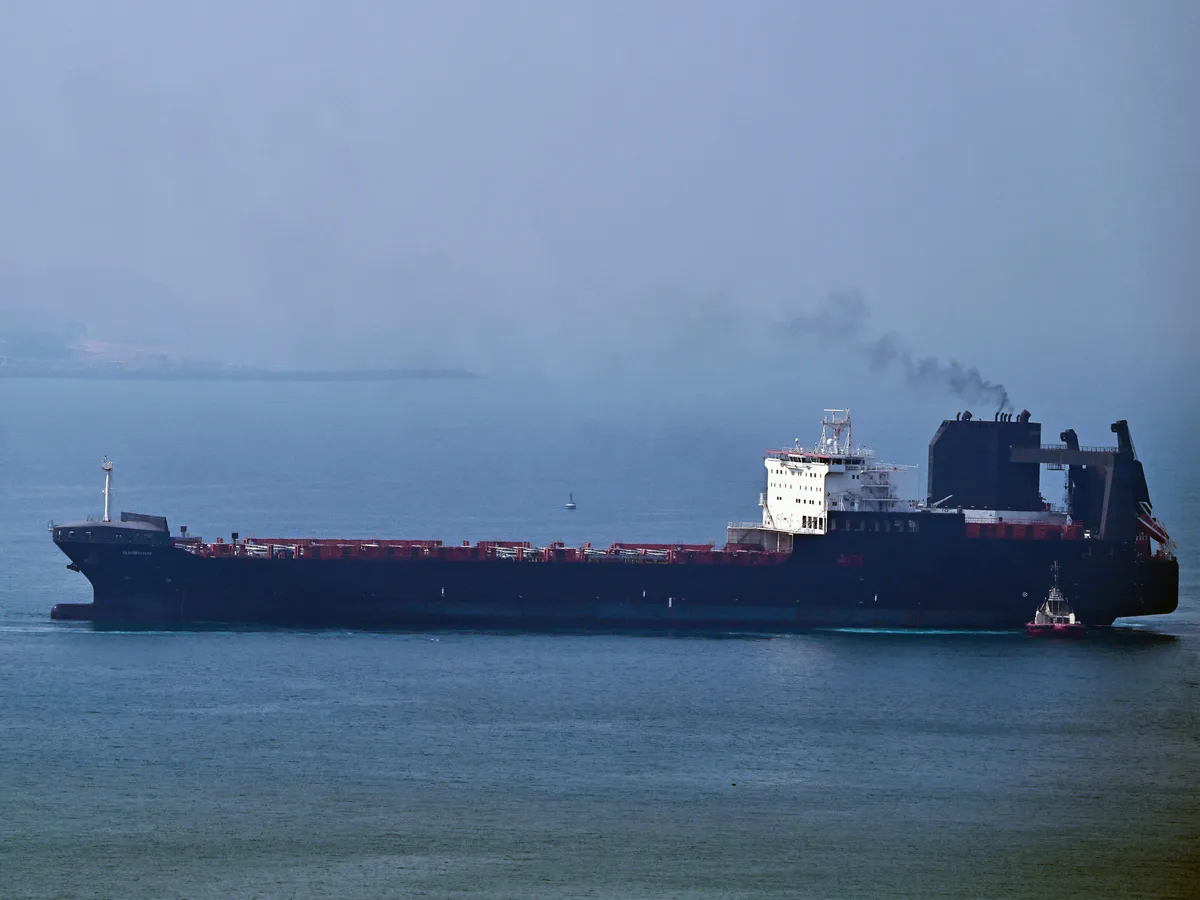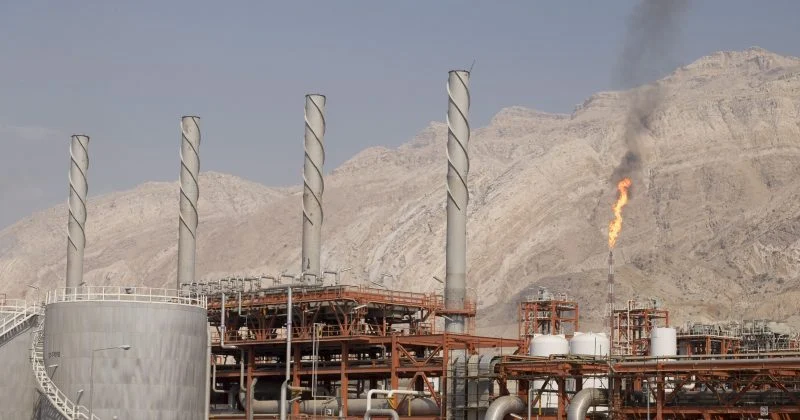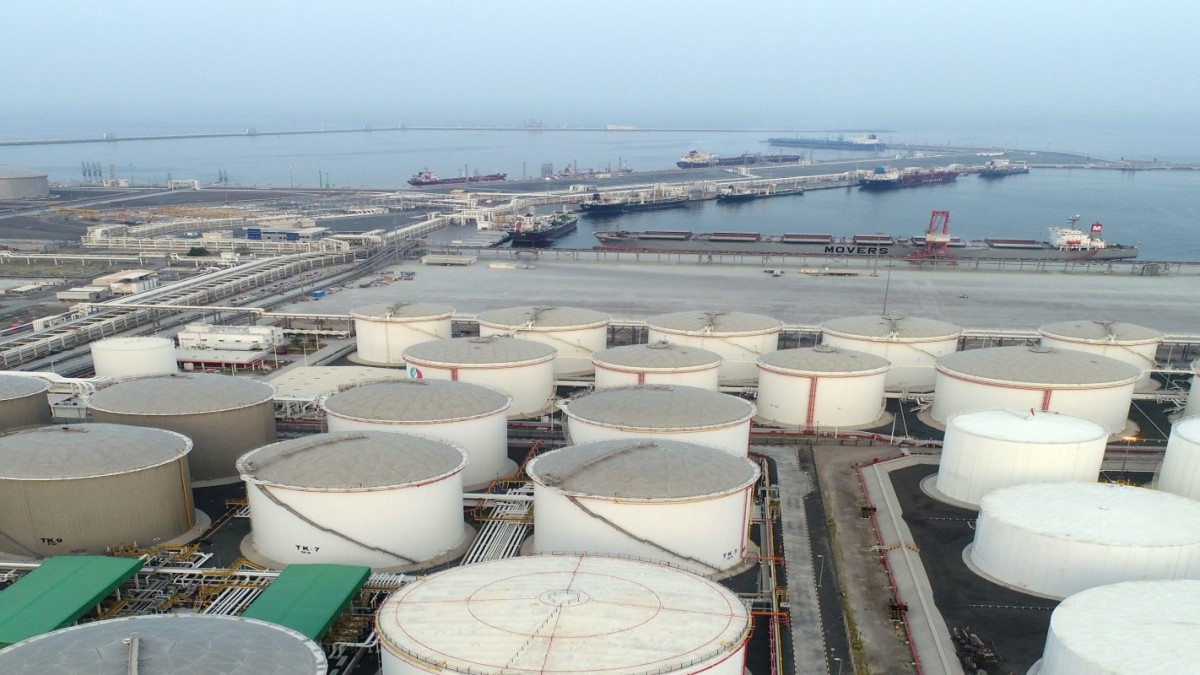
The global oil market has flashed fresh warning signs over crude availability after the Brent futures curve swung sharply into backwardation, signalling growing concerns over immediate supply shortages as tensions escalate in the Middle East and disruptions persist around the Strait of Hormuz.
Backwardation is a market condition where the current price (spot price) of an asset is higher than the prices trading in the futures market, according to Investopedia. This usually happens when there is an immediate, high demand for the physical asset or a temporary supply shortage.
The shift marks a significant reversal from the calmer market conditions that prevailed only weeks ago, following a memorandum of understanding signed by the United States and Iran aimed at restarting negotiations and reopening shipping lanes through the strategic waterway.
However, renewed hostilities, attacks on commercial shipping and Washington’s decision to reinstate restrictions on Iranian crude exports have pushed traders back into pricing a geopolitical risk premium into oil markets.
Early on Wednesday, the September Brent contract traded at $85.79 per barrel, approximately $8.30 per barrel higher than the contract for delivery six months later, which changed hands at $77.49 per barrel.