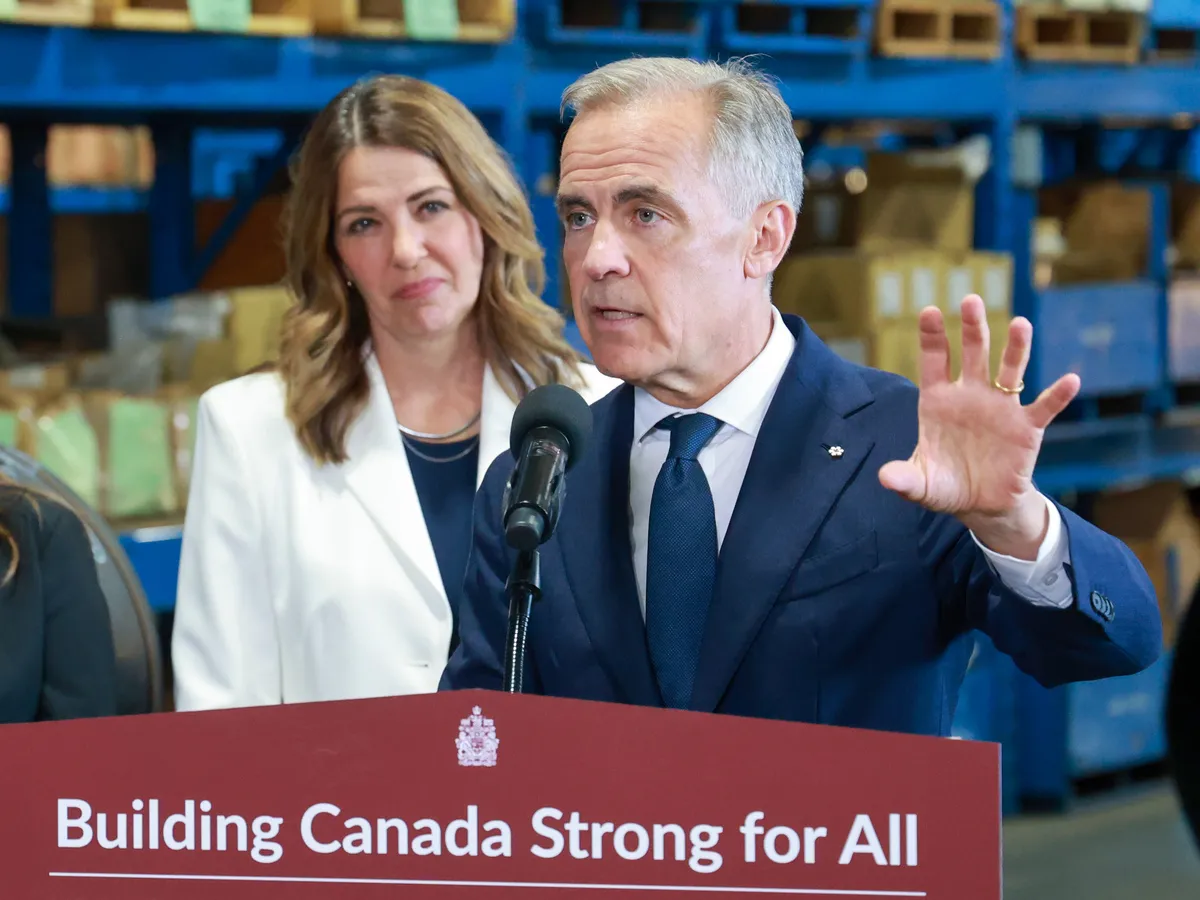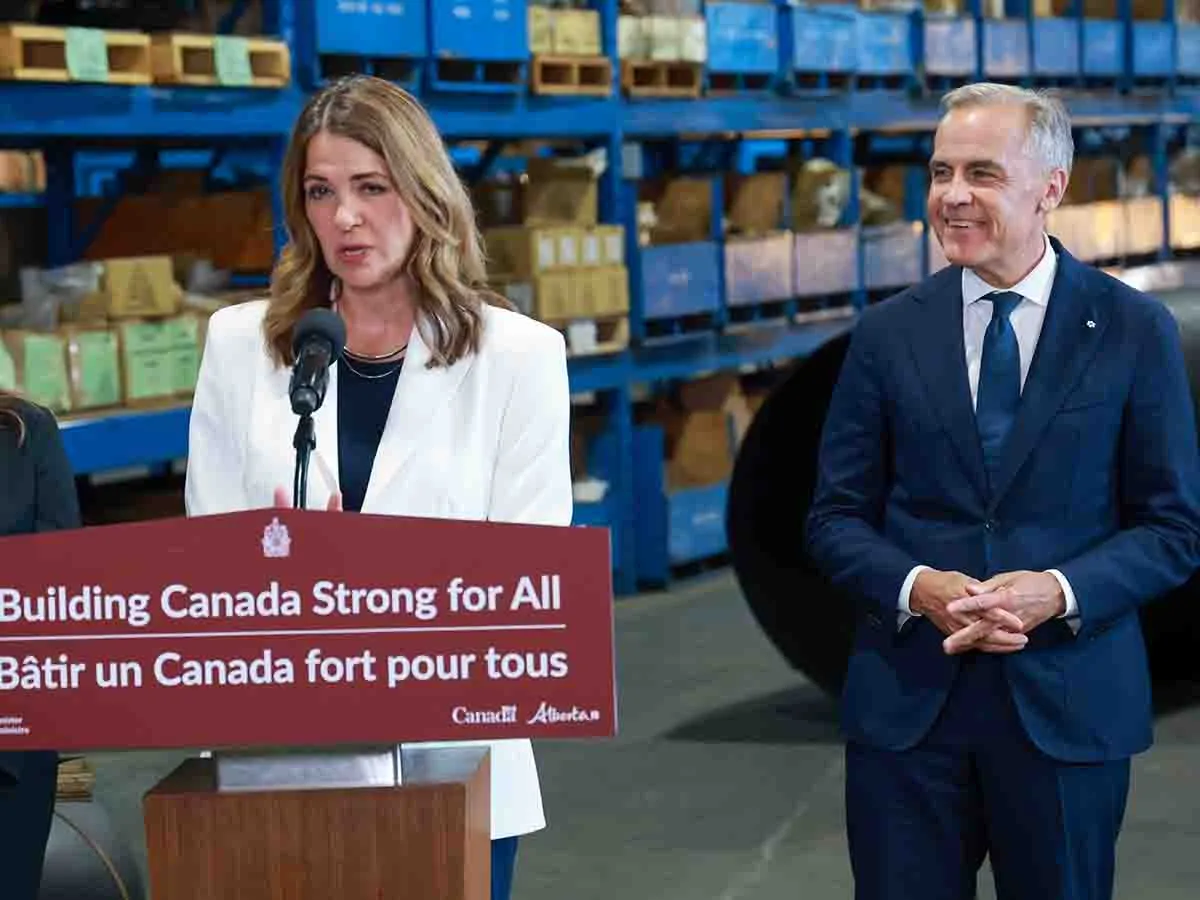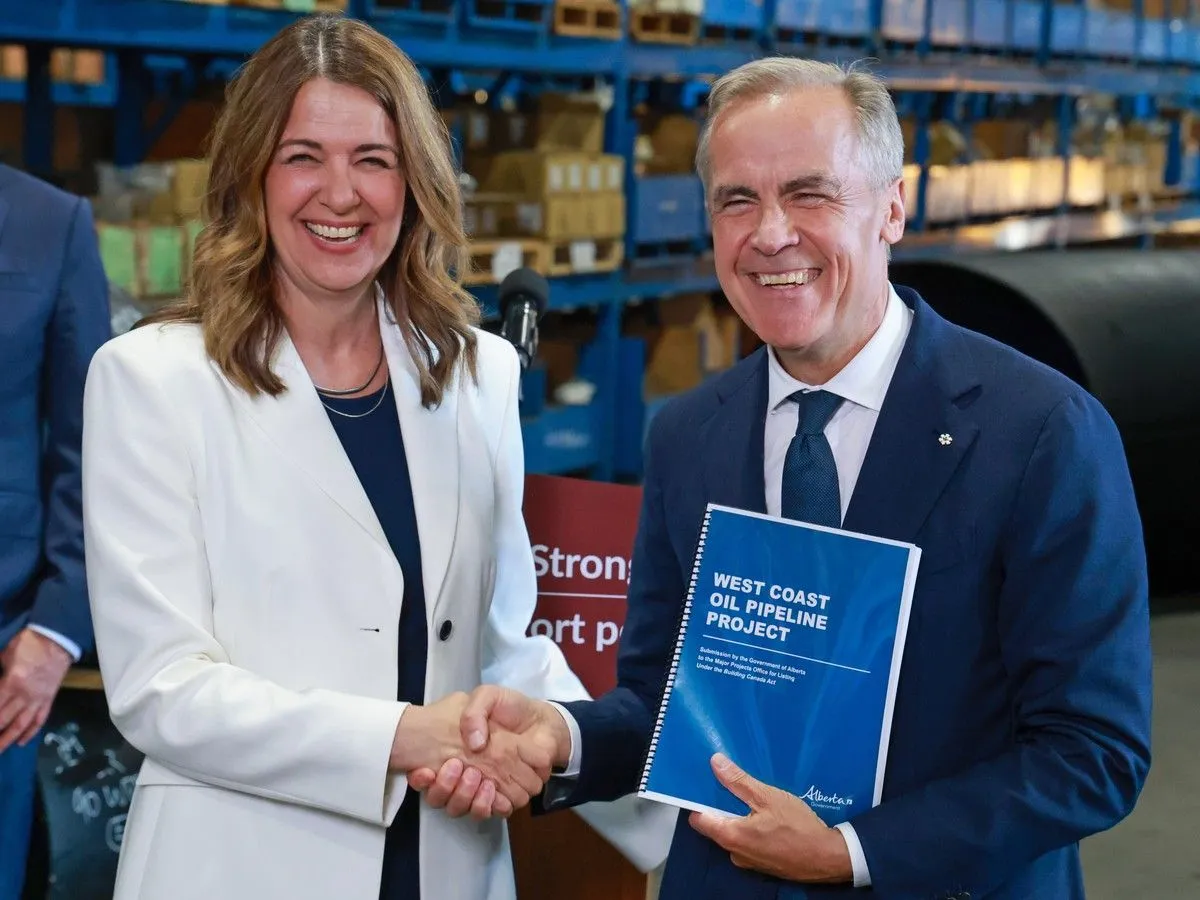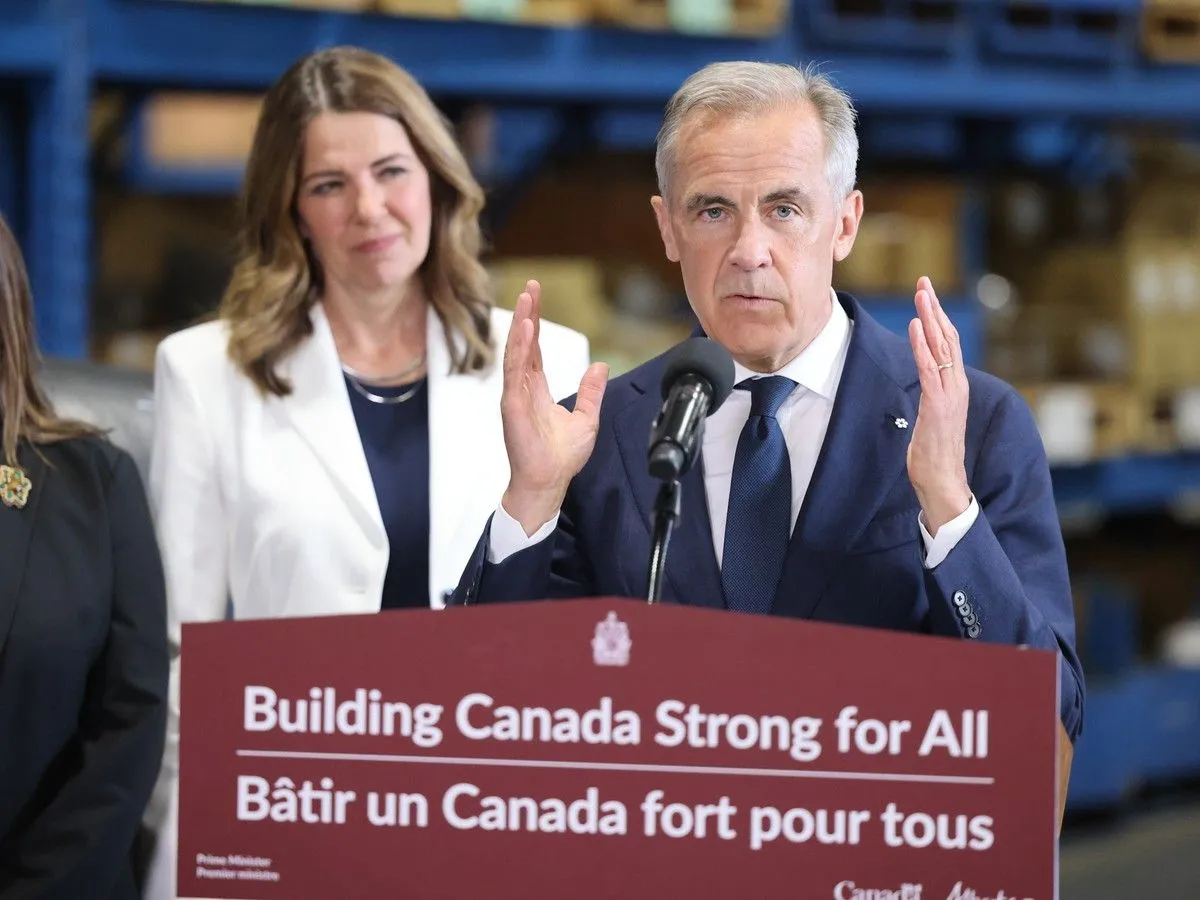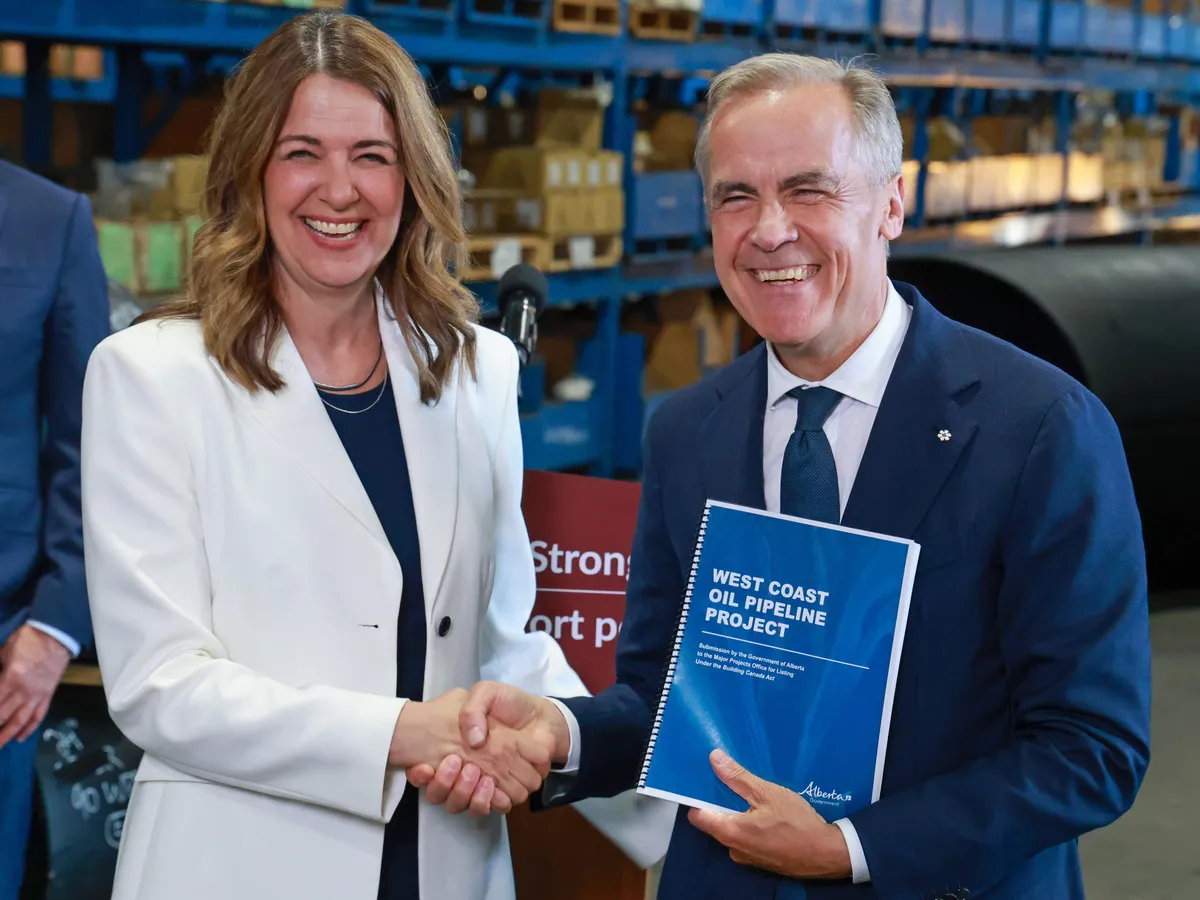
Skip to Content News Archives Economy Energy Oil & Gas Renewables Electric Vehicles Mining Commodities Agriculture Real Estate Mortgages Mortgage Rates Finance Banking Insurance Fintech Cryptocurrency Work Wealth Smart Money Wealth Management Investor Personal Finance Family Finance Retirement Taxes High Net Worth FP Comment Executive Women Puzzmo Newsletters Financial Times Business Essentials More Innovation Information Technology FP500 Podcasts Small Business Lives Told Tails Told Shopping Financial Post Store Obituaries Place a Notice Advertising Advertising With Us Advertising Solutions Postmedia Ad Manager Sponsorship Requests Classifieds Place a Classifieds ad Working Profile Settings My Subscriptions Saved Articles My Offers Newsletters Customer Service FAQ News Economy Energy Mining Real Estate Finance Work Wealth Investor FP Comment Executive Women Puzzmo Newsletters Financial Times Business Essentials HomeCommoditiesEnergyOil & GasWho stands to benefit from Alberta's West Coast pipeline?Industry watchers say Canadian companies could get a bump from participating in the estimated $35-billion to $43-billion buildoutLast updated 1 hour ago You can save this article by registering for free here. Or sign-in if you have an account.Prime Minister Mark Carney and Alberta Premier Danielle Smith announced the submission of the West Coast pipeline project at TransAm Piping Products in Calgary on July 2. Photo by Gavin Young/Postmedia filesThe decision on whether to grant Alberta’s proposed West Coast pipeline “national interest” status is now in the hands of Ottawa’s major projects office.Subscribe now to read the latest news in your city and across Canada.Exclusive articles from Barbara Shecter, Joe O'Connor, Gabriel Friedman, and others.Daily content from Financial Times, the world's leading global business publication.Unlimited online access to read articles from Financial Post, National Post and 15 news sites across Canada with one account.National Post ePaper, an electronic replica of the print edition to view on any device, share and comment on.Daily puzzles, including the New York Times Crossword.Subscribe now to read the latest news in your city and across Canada.Exclusive articles from Barbara Shecter, Joe O'Connor, Gabriel Friedman and others.Daily content from Financial Times, the world's leading global business publication.Unlimited online access to read articles from Financial Post, National Post and 15 news sites across Canada with one account.National Post ePaper, an electronic replica of the print edition to view on any device, share and comment on.Daily puzzles, including the New York Times Crossword.Create an account or sign in to continue with your reading experience.Access articles from across Canada with one account.Share your thoughts and join the conversation in the comments.Enjoy additional articles per month.Get email updates from your favourite authors.Create an account or sign in to continue with your reading experience.Access articles from across Canada with one accountShare your thoughts and join the conversation in the commentsEnjoy additional articles per monthGet email updates from your favourite authorsSign In or Create an AccountorWhile pipeline proposals are a long game, industry watchers say Canadian companies could get a bump from participating in the estimated $35-billion to $43-billion buildout. And over time, the pipeline, with its increased export capacity, could boost oil and gas producers’ confidence enough to greenlight more developments and spark a wider multi-year investment cycle.Here’s a look at some of the companies and sectors that stand to benefit if it’s a go.Calgary-based Pembina, the only private-sector proponent, will participate “as an experienced industry operator able to provide an independent perspective on cost, schedule and execution — complementing, rather than replacing, the lead project proponent,” the company said in a release.Pembina will hold a 10 per cent ownership stake during construction, with the option to take on another 10 per cent when the project is operational.Pembina has full discretion over the final investment decision for its interest and won’t put any development capital at risk before making it, ATB Cormark Capital Markets analyst Nate Heywood said in a note.“While (Pembina) operates the most diversified midstream portfolio in Canada, the company does not operate a crude export transmission pipeline,” Heywood said. “This opportunity fills that void while further integrating its broader network, including its condensate business that provides diluent to transport bitumen through pipelines.”Pembina will “likely be able to strike an appropriate risk-reward balance,” Canadian Imperial Bank of Commerce analyst Robert Catellier said in a note. “Nevertheless, it would not surprise us if the shares underwent a period of adjustment until more details are known and finalized.”Engineering, construction, steel, and other industrial companies hired for the buildout would be the immediate beneficiaries if the project moves forward, said Rebecca Teltscher, portfolio manager at Newhaven Asset Management Inc.Teltscher said the additional export capacity could also encourage producers to create new oilsands developments and spur a “significantly larger” long-term investment opportunity across Canada’s energy, mining, industrial, and infrastructure sectors.If that happens, Teltscher said heavy equipment suppliers such as Finning International Inc. would likely see increased demand for trucks, excavators and other supporting equipment used during construction and ongoing operations.“Energy service companies, drilling contractors and infrastructure providers would also benefit from higher levels of upstream investment as producers expand existing operations and develop new projects,” Teltscher said in an email.For example, environmental and industrial waste management companies such as GFL Environmental Inc. If the Ontario-based company’s acquisition of Calgary’s SECURE Waste Infrastructure Corp. closes as planned, Teltscher said it could strengthen “(GFL’s) presence in servicing Canada’s energy sector. (Teltscher also noted there have been recent reports that GFL may go private.)Assuming new pipeline projects and expansions move forward, the oil will need to be stored somewhere, said Jamie Murray, president at The Murray Wealth Group. Increased production could benefit Gibson Energy Inc., which owns infrastructure assets across North America, including the Hardisty Terminal in Alberta. “As the volume of oil increases, that’s going to create more opportunities for Gibson’s storage business, which is a really good business,” Murray said. “If you build a giant 300,000-barrel oil tank and charge a take-or-pay contract, you get paid whether the storage is full or half full or a quarter full.”Helping build the West Coast pipeline may boost companies’ stock a few percentage points, but it won’t be “thesis moving” over the long term, said Barry Schwartz, president and chief investment officer at Baskin Wealth Management.Still, analysts say more oilsands development would be positive for Canada’s natural gas industry.Because oil production requires “significant volumes” of condensate, Teltscher said natural gas producers will benefit from stronger demand, higher production volumes and firmer prices.Overall, developing more pipelines and natural gas projects will help increase exports and give Canada more sovereignty over its resources, Schwartz said.“Everybody knows that we’re very, very short on oil and gas infrastructure,” he said. “Thinking long term, if you just want to bet on the fact that we’re going to have more control of our oil and gas, then I think a lot of companies in the complex are going to be big winners. So, you spread it around and diversify.”“While it still faces plenty of hurdles — including whether it lands on the preferred list of major projects with a decision by October 1st — a new West Coast pipeline and capacity increases to the existing Trans Mountain pipeline offer significant export potential to Asian markets,” Derek Holt, vice-president and head of capital markets economics at Bank of Nova Scotia, said in a note.Being designated as a project of national interest will help streamline the process, but the pipeline will still need to clear Indigenous consultations, regulatory approvals, financing agreements and final investment decisions. However, Alberta said once everything is in place, construction could start as early as September 2027.“None of this will impact the near-term,” Holt said. “It’s not market moving stuff in terms of what the (Bank of Canada) is going to do tomorrow, or by year-end.”Holt said proposed pipelines and expansions will take years to approve, build and become operational, but “they are a welcome start after 10 years of watching resource riches flow to the U.S., Putin, possibly Venezuela now, and elsewhere while Canada naively kept its resource riches in the ground.” Join the Conversation This website uses cookies to personalize your content (including ads), and allows us to analyze our traffic. Read more about cookies here. By continuing to use our site, you agree to our Terms of Use and Privacy Policy.
Who stands to benefit from Alberta's West Coast pipeline?
Here’s a look at some of the companies and sectors that stand to benefit if Alberta's West Coast pipeline is a go. Read on.
1,354 words~6 min read