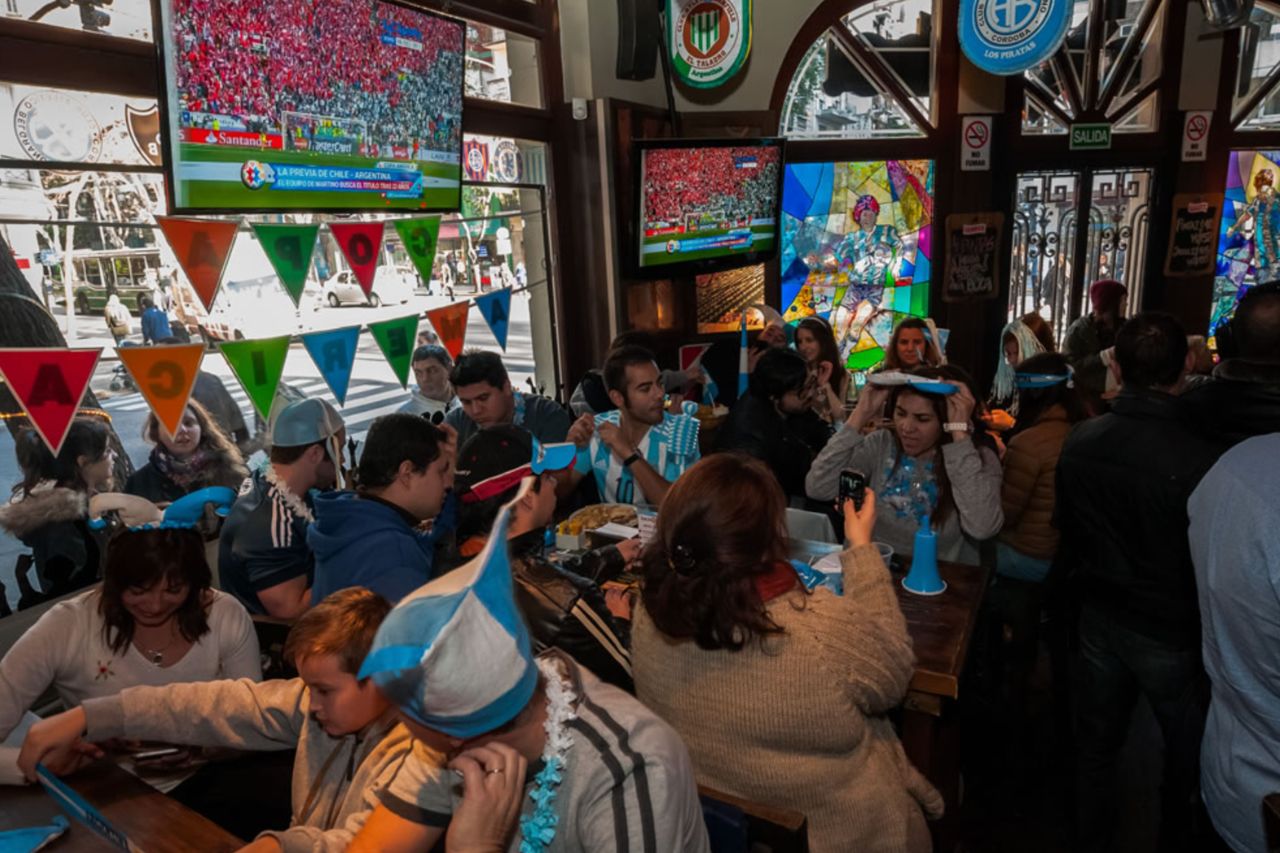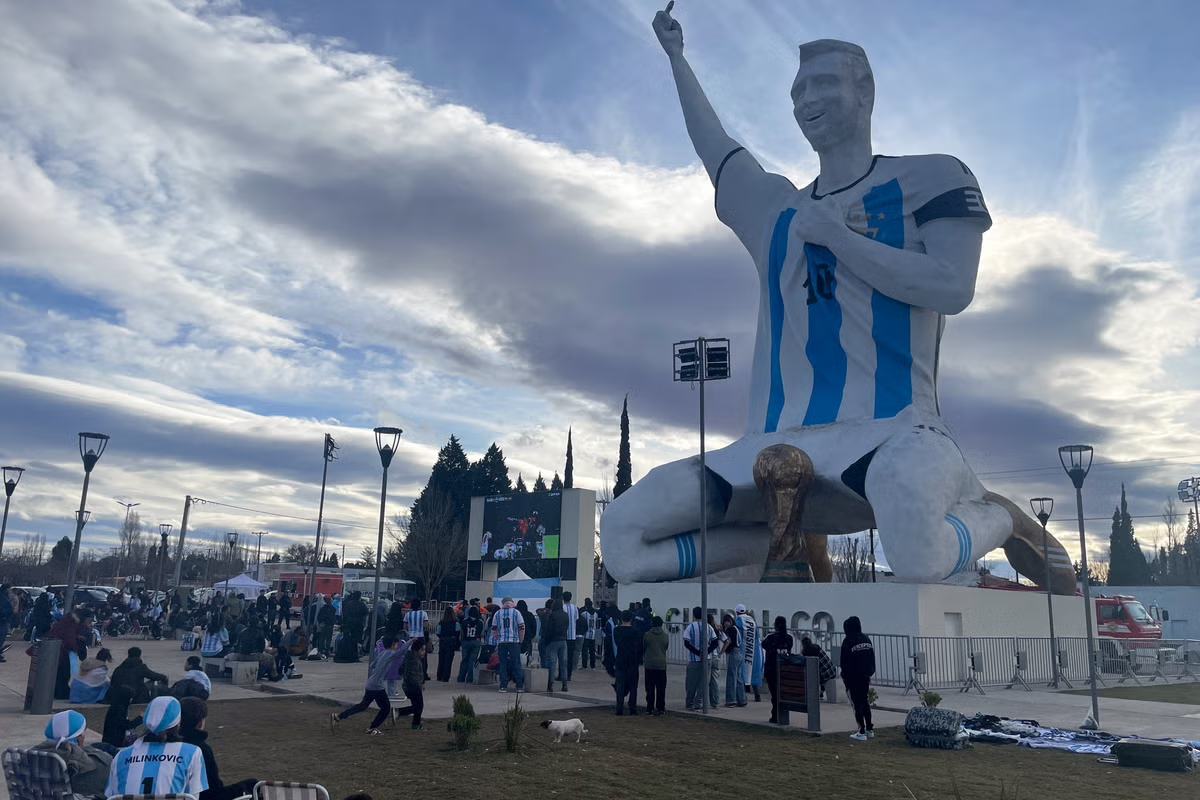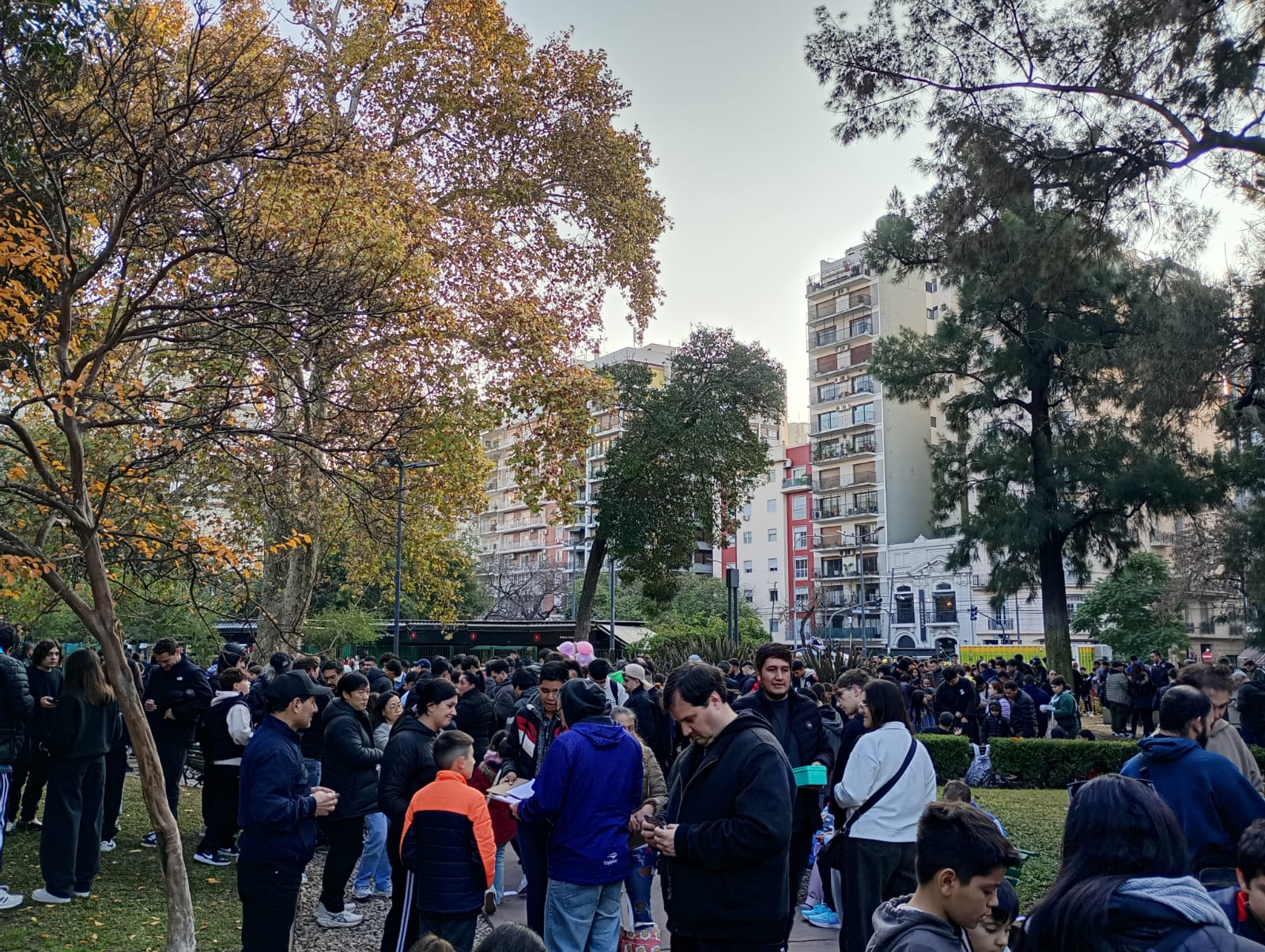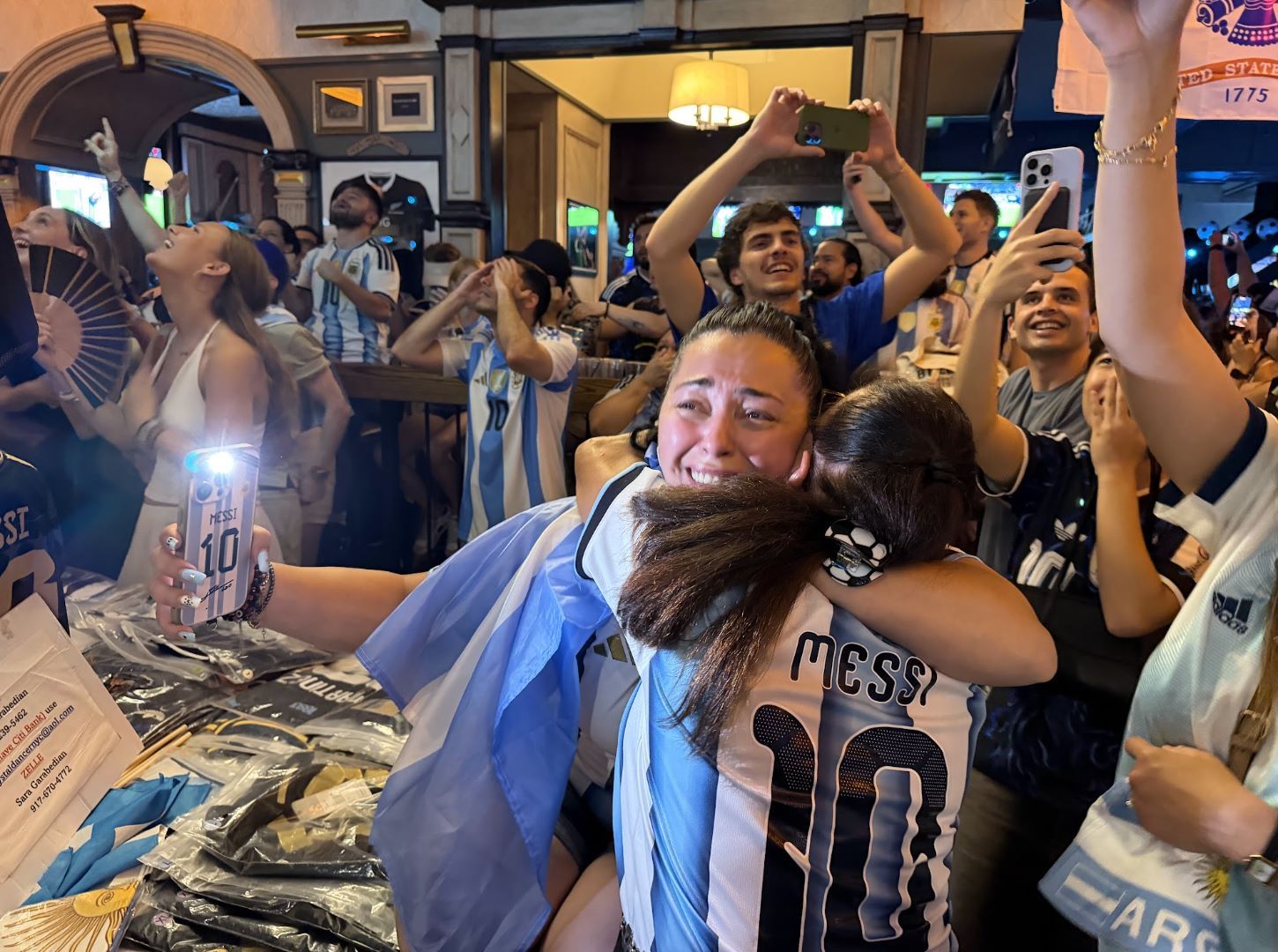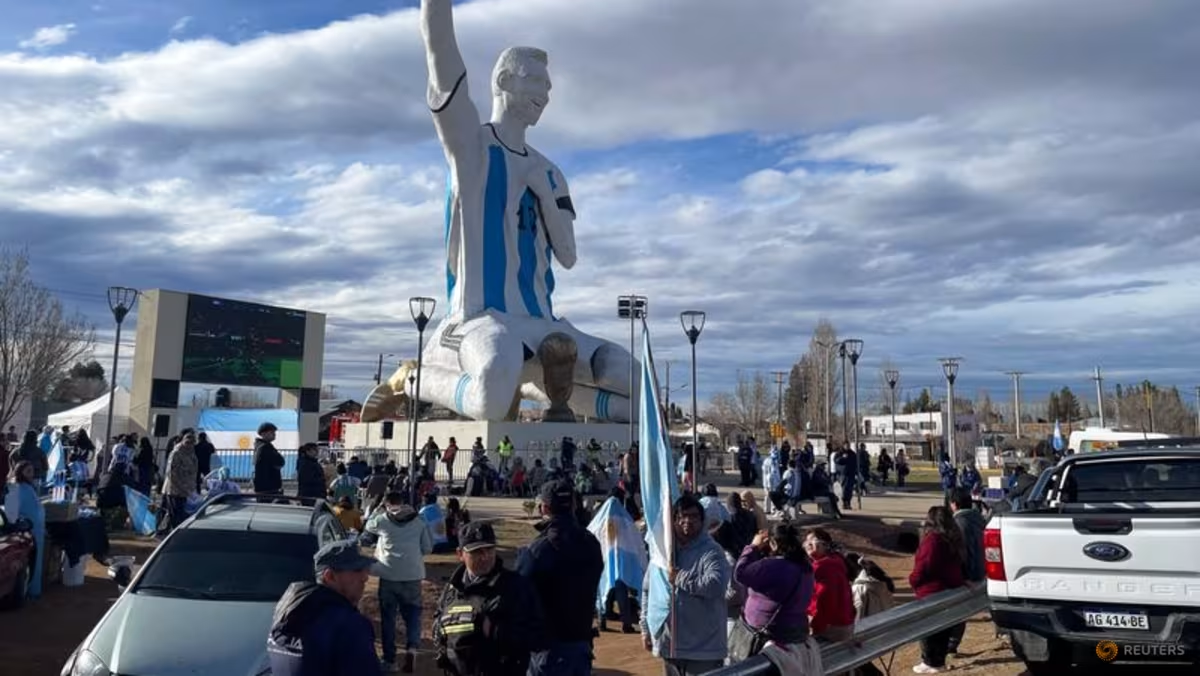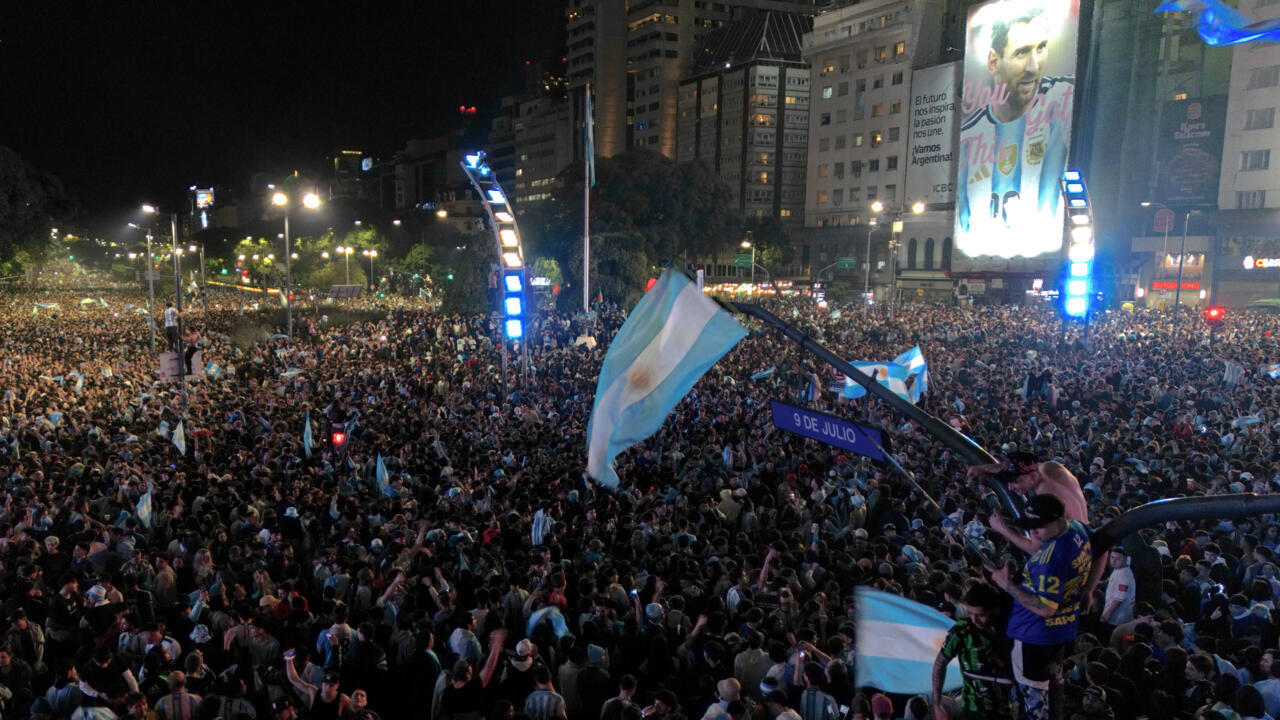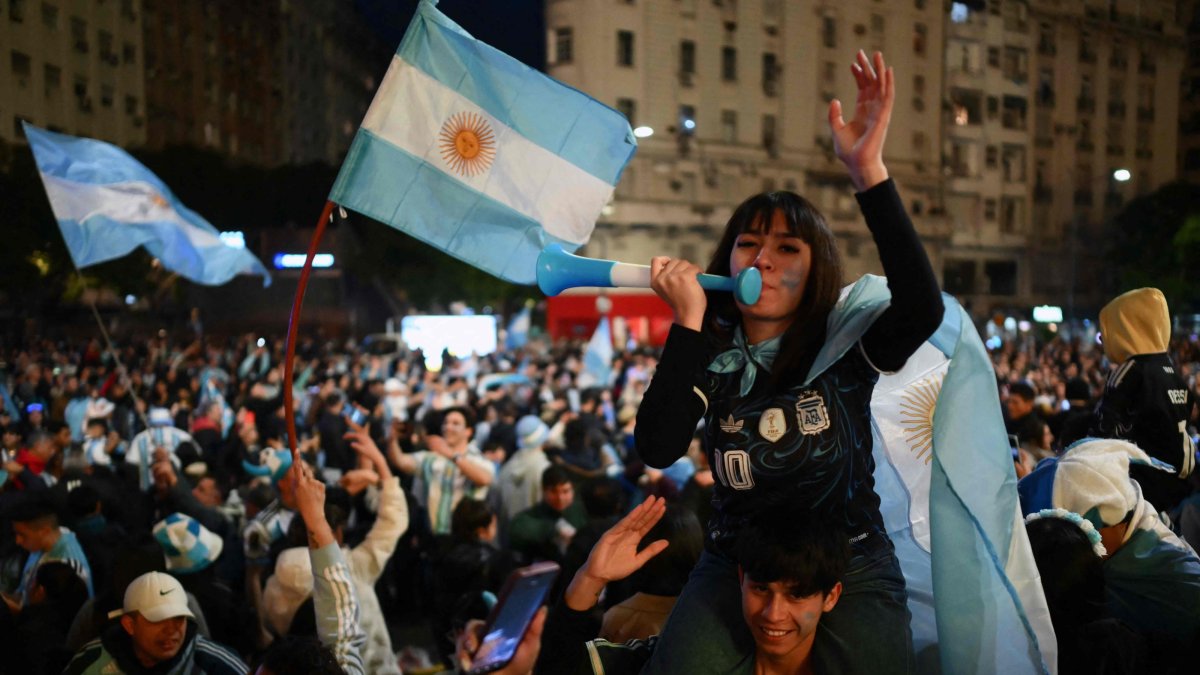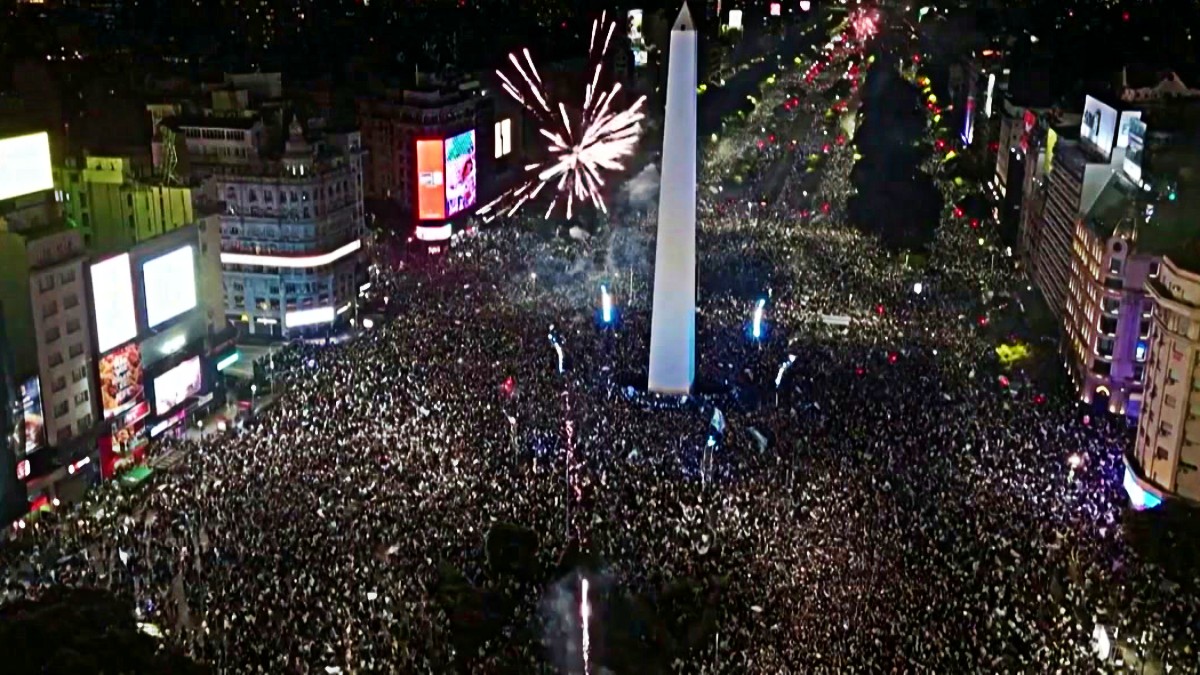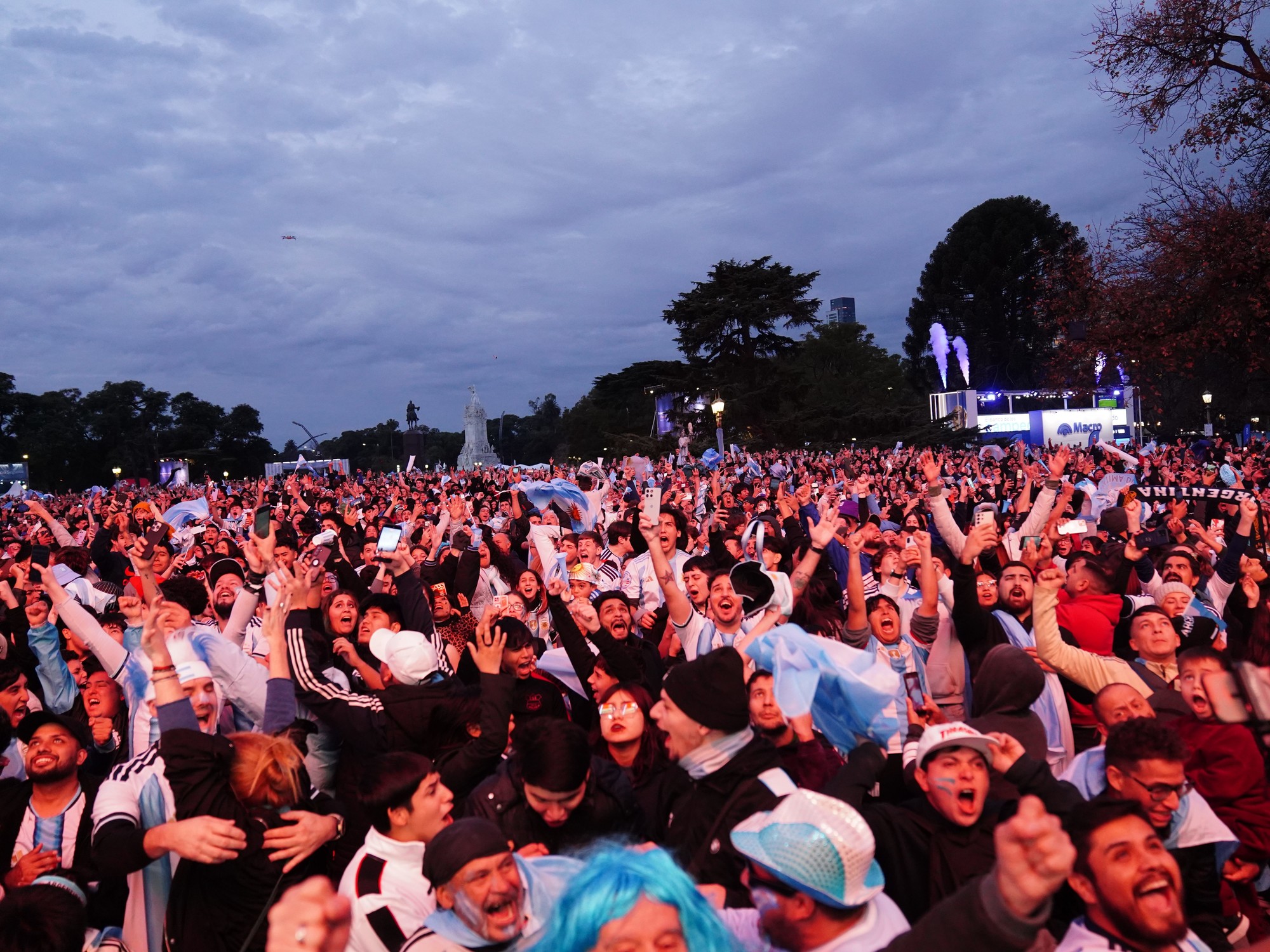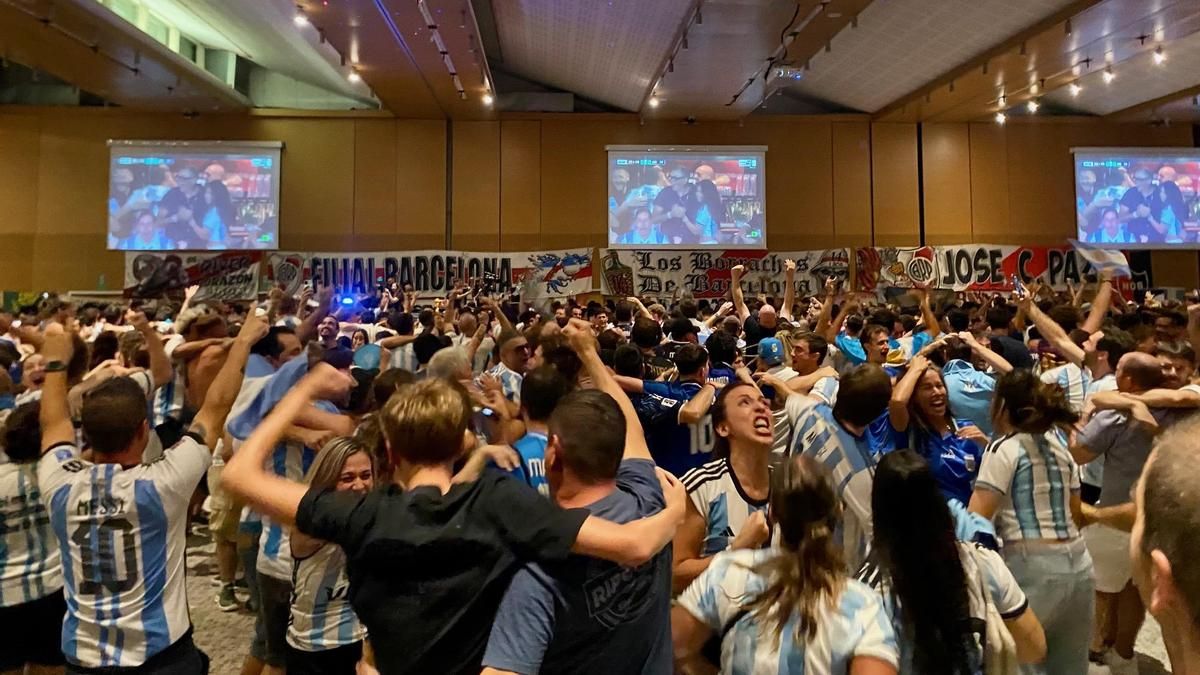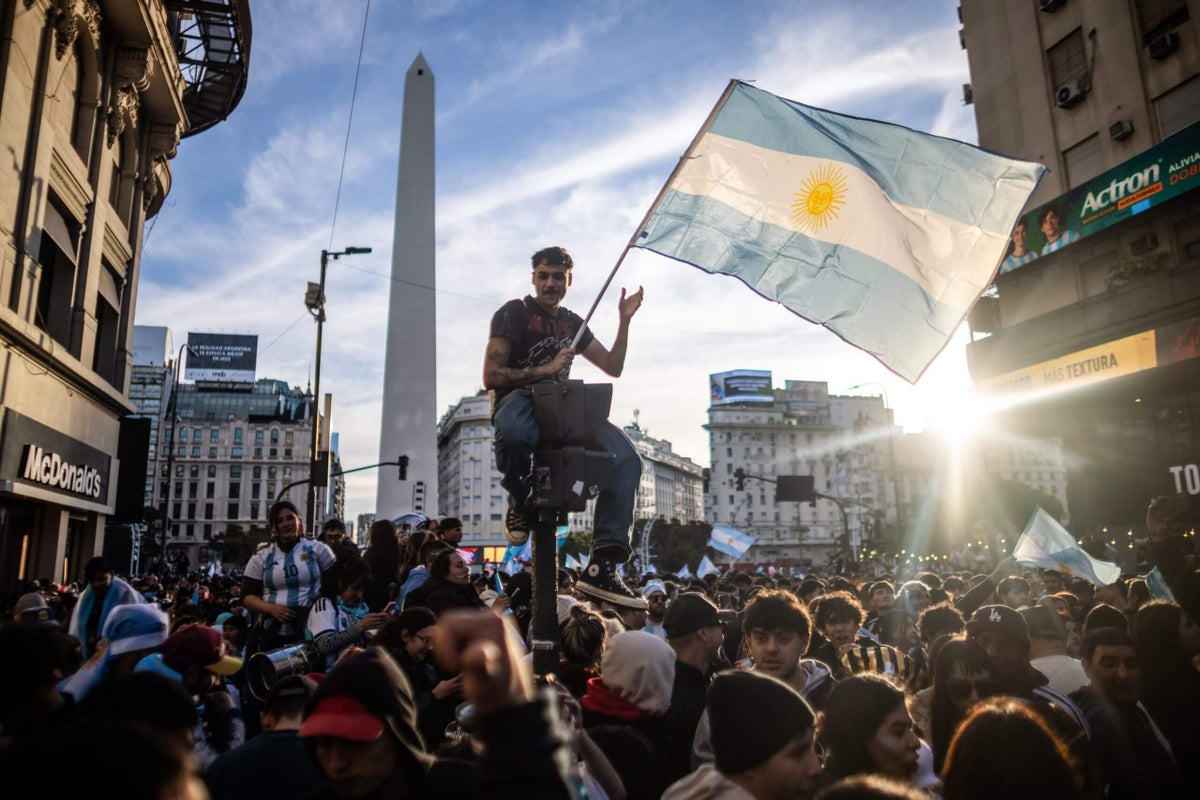
By now, you probably know how much Argentina loves its national team.Whether it is videos of the streets of Buenos Aires exploding in celebration or thousands of supporters jumping up and down in unison in the bowels of Atlanta Stadium, the country’s passion for La Albiceleste is clear.But do you know how that extends to the whole of this huge South American country — by far the biggest by area left in the World Cup, at 1,044,325 square miles (2,704,789 square kilometres)? That is roughly 11 times the size of the United Kingdom.With such size comes significant contrasts in landscape — with desert-like regions in the north and glaciers in the south. But if there is one thing that unites the population, it is Lionel Messi’s world champions.From a church founded in Diego Maradona’s honour to a mountain 2,000 metres above sea level, these are the stories from across the country that explain what the team means to the nation.Tilcara, JujuyYou could not be further from the bustling capital of Buenos Aires in Jujuy, the northwestern province which borders Chile and Bolivia. Red-rock mountains make you feel as if you are on Mars, the air is thinner and llamas look out from arid plains.But it has a special link to Argentina’s World Cup story: the 1986 team trained on a dirt pitch in the village of Tilcara in January before becoming champions that summer. That was a special request from coach Carlos Bilardo to help his players prepare for the altitude in Mexico, with Tilcara 2,461 metres above sea level.While there, they played with and against a local team. Former goalkeeper Walter Huayar remembers saving a penalty from the late centre-back Jose Luis Brown and his arms “trembling for two days”. One of his favourite stories is of Bilardo disguising himself in a poncho to keep an eye on his players at a nightclub. The one disappointment for the then 20-year-old Huayar was Maradona only arriving on the final day of the training camp, before they travelled elsewhere.Walter Huayar (centre, in a white jumper) with the Argentina team by the side of a road in Tilcara (Courtesy of Walter Huayar)Huayar and his team-mates “felt like champions” when Argentina lifted the trophy five months later. But the story took on a life of its own after that victory — with claims the squad had made a promise to a statue of the Virgin Mary that they would return to pay tribute if they won. When they failed to do that, some claimed the ‘Curse of Tilcara’ was responsible for their subsequent failure to lift a third world title (they finished runners-up in 1990 and 2014).“From what I saw from when I was with the boys, they never made any type of promise,” Huayar, 60, tells The Athletic. “That bothered us as the people of Tilcara, because the Virgin doesn’t curse you. She can give you a punishment, but not a curse.”A group of the 1986 champions returned in 2018, but Huayar says this was for “the people, to show thanks to the place”, rather than asking for forgiveness from the Virgin. Was the lifting of the curse responsible for Messi and Co. earning that third star in 2022?“It wasn’t because of the Virgin, a punishment or a curse, but because World Cups and football are like that,” says Huayar. “Sometimes we win, sometimes we lose.”Buenos AiresLike Maradona, Luis Escobedo is a former footballer from the outskirts of the capital — as a youngster, he once trained on the same pitch used by El Diego in the neighbourhood of Villa Fiorito.But while Maradona was preparing for the 1982 World Cup with Argentina, the 19-year-old Escobedo was one of the young men being sent by his country’s military dictatorship to try to take Las Malvinas, as Argentinians know the Falkland Islands, from the British.
From remote regions to the bustle of Buenos Aires, Argentina unites behind the national team
From the arid mountains of the northwest to the icy chill of Patagonia in the south, the whole country is behind the national team
1,938 words~9 min read