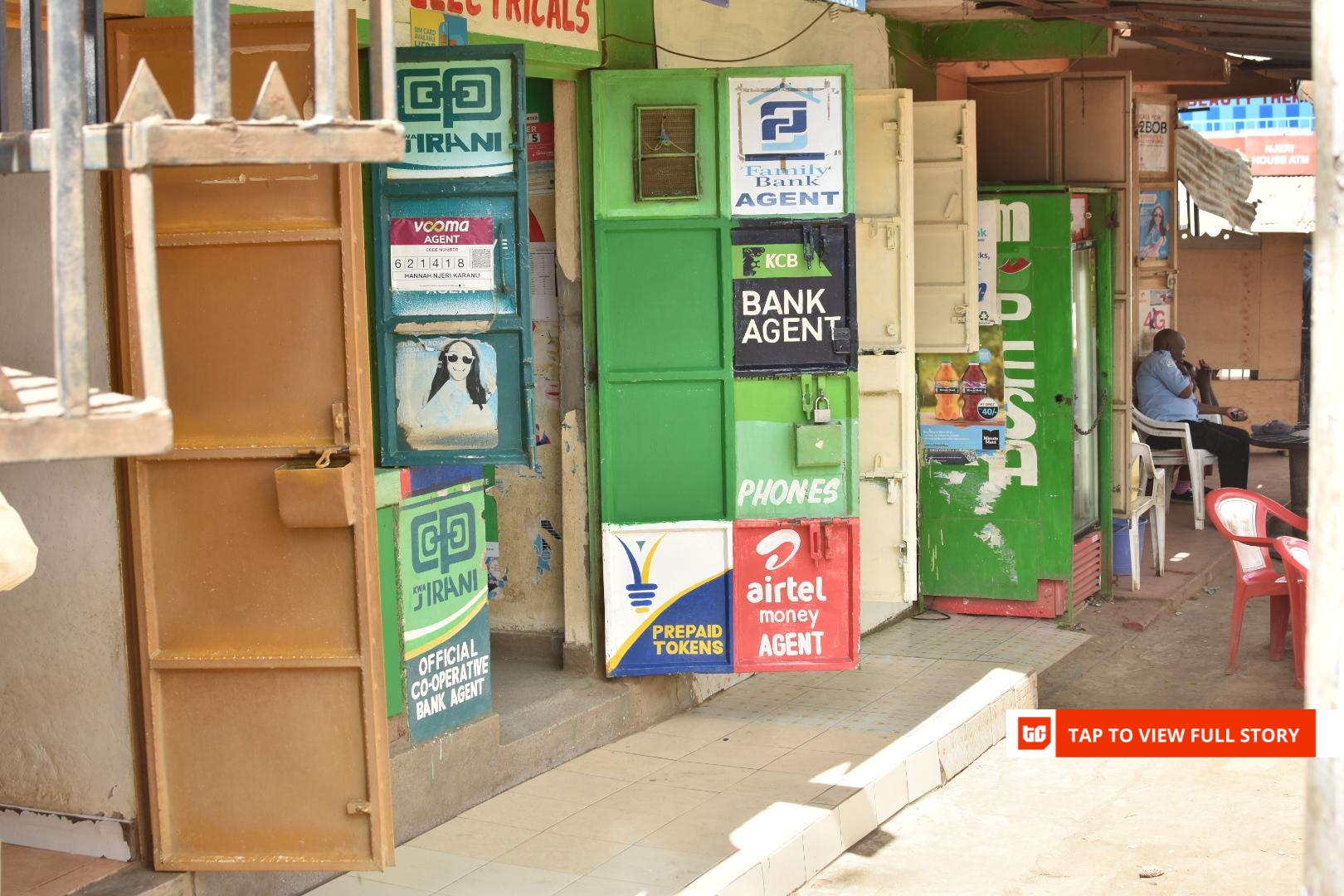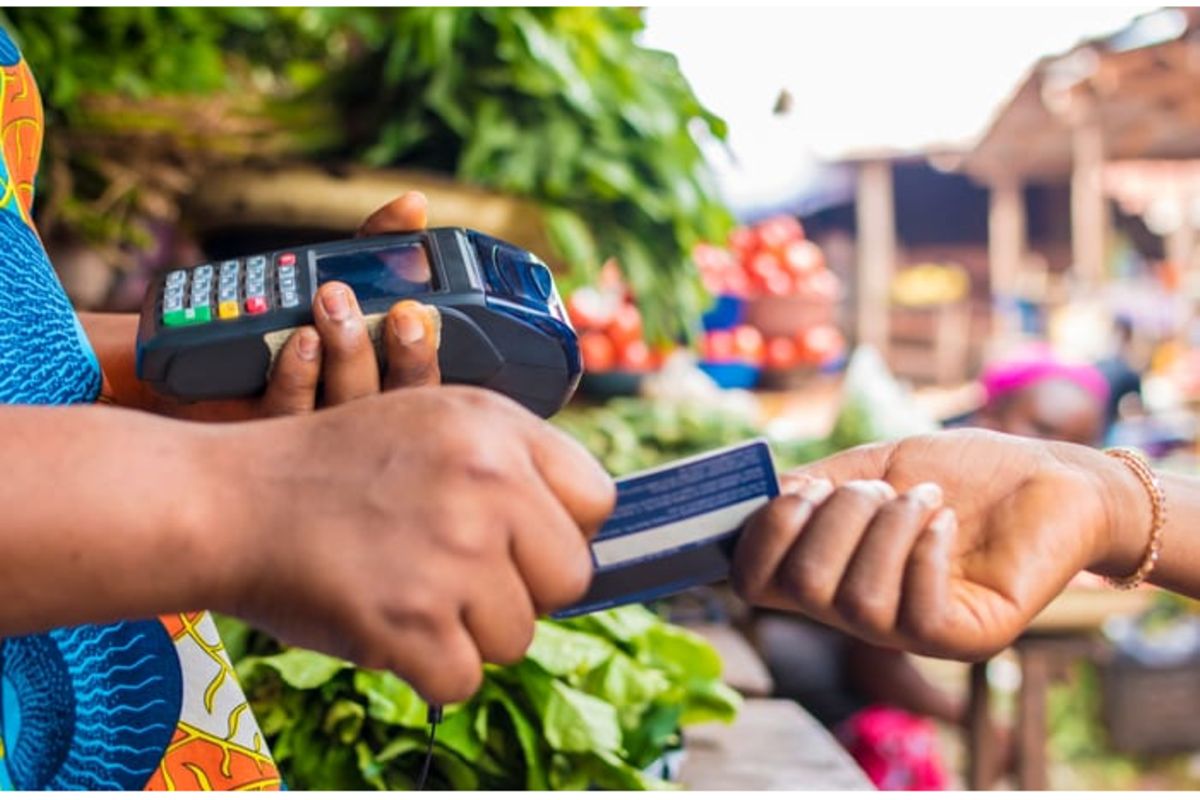
Last Thursday, Kenya's Parliament made a decision that should be studied across East Africa. By a vote of 122 to 40, the National Assembly rejected a proposal in the Finance Bill 2026 to introduce a 16 per cent VAT on peer-to-peer mobile money transfers, explicitly citing the risk to financial inclusion.
The bill, which would have subjected M-Pesa and Airtel Money fees to VAT for the first time, drew opposition from the Kenya Private Sector Alliance (KEPSA), the Kenya Bankers Association (KBA), professional bodies like the Institute of Certified Public Accountants of Kenya (ICPAK), and payment service providers including Safaricom, and Airtel Kenya, who warned it would drive users back to cash, what the KBA's CEO called"mattress banking." Kenya reviewed the evidence and chose not to run the experiment. Tanzania is still running it.
What is important here is not simply that Kenya protected a popular service from an unpopular tax. The lesson for Tanzania is that Kenya made a calculated economic judgement: that mobile money is more valuable to the government as infrastructure for formalisation and inclusion, than as a direct revenue line with diminishing fiscal returns.
That distinction is enormously significant for Tanzania, and with the Finance Bill 2026 being passed, the conversation turns to what reforms can be built into the 2027/28 budget cycle.