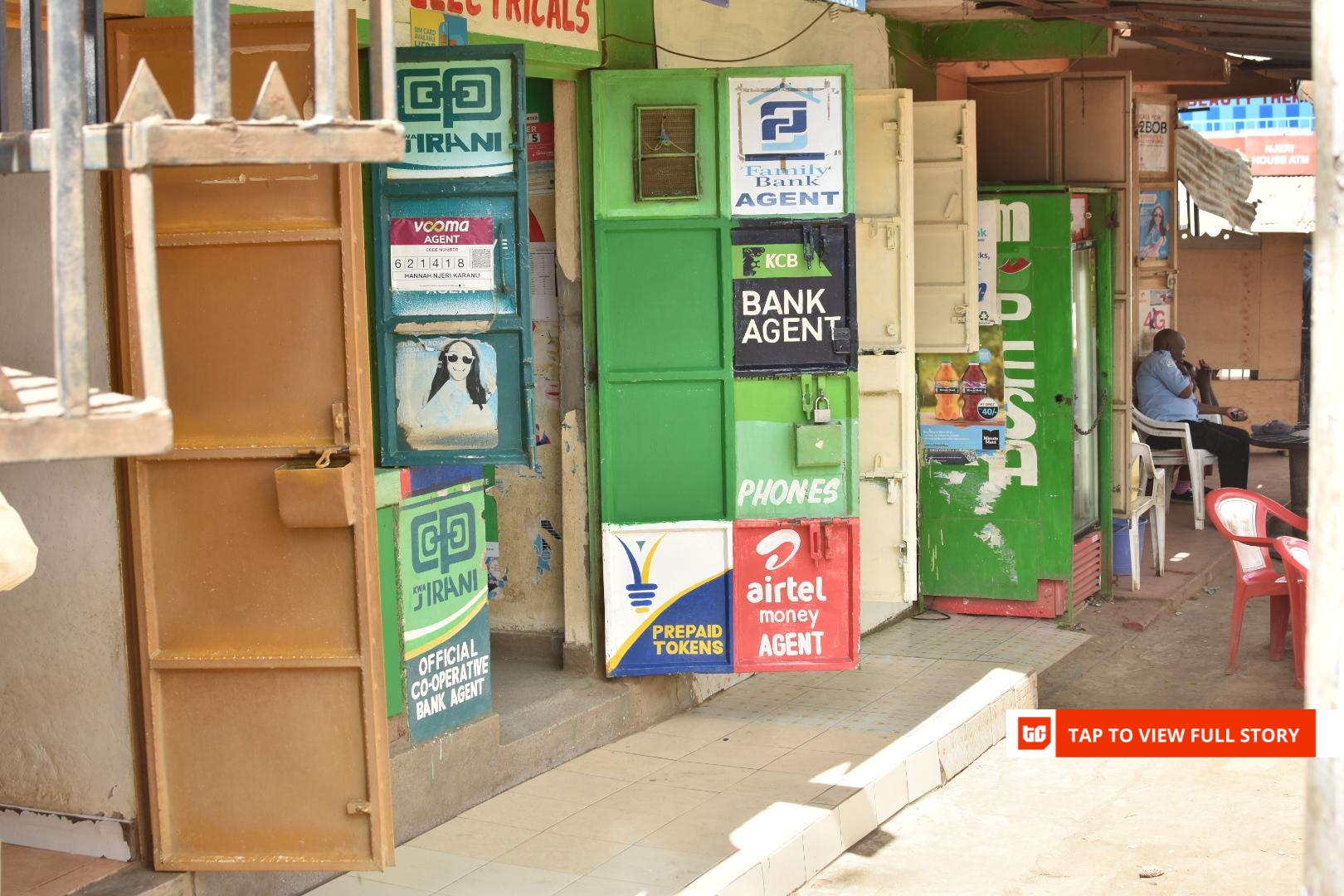
Kenya’s payment story is often told as a triumph of mobile money. And rightly so. Safaricom’s M-PESA transformed the country from a largely cash-based economy into one where a roadside fruit vendor, a boda boda rider, and a multinational bank customer can all transact digitally. Considered one of Africa’s most important financial exports, it inspired policymakers in many emerging markets who saw it as a solution for reaching underbanked populations.
But Kenya’s next payments chapter may not be about access, but about the existing infrastructure gap that has been ignored by the regulator and dominant players such as commercial banks and M-PESA.
The real question facing the market today is no longer whether Kenyans can send money digitally. The question is whether the country can build an integrated payment system that is instant, interoperable, low-cost, resilient, and intelligent enough to support a digital economy expected to grow significantly over the next decade.
The invisible layer
And that challenge is exposing the invisible layer that powers Kenya’s financial system, including domestic switches and settlement infrastructure that move money between banks, fintechs, SACCOs, merchants, and mobile wallets every second. These institutions, like Kenswitch and Pesalink, have solved the interoperability layer, one of the greatest challenges in the country’s payment ecosystem today.